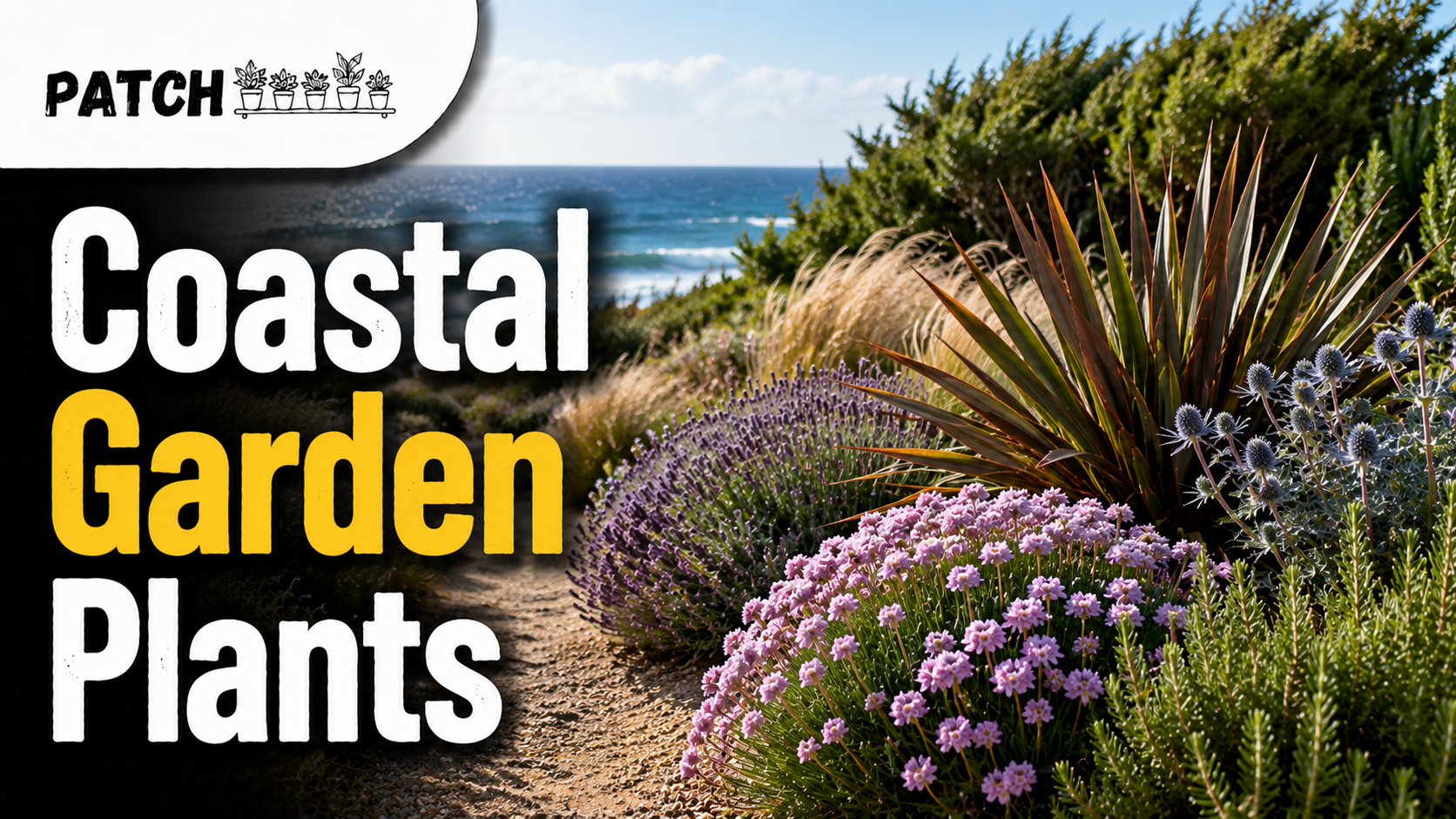
Coastal garden plants need to withstand more than an occasional sea breeze. Salt spray, drying winds, sandy soil, intense sunlight, and sometimes coastal flooding make seaside gardening different from planting a sheltered backyard. The best plants for coastal gardens depend on where you live and how exposed your property is. Sea thrift, sea holly, lavender, rosemary, yarrow, and suitable grasses work well in many temperate coastal designs. In warmer parts of the United States, native beach sunflower, wax myrtle, sea oats, and other locally adapted plants may be better choices.…
Outdoor Plant Care & Growing Guides
Outdoor plant care starts with matching plants to your climate, sunlight, soil, available space, and seasonal conditions. A plant that suits its location will usually be easier to water, maintain, and keep healthy than one constantly struggling against unsuitable conditions.
At Patch Plants, our outdoor plant guides cover container gardening, patios, balconies, garden beds, seasonal care, edible plants, flowering varieties, and practical growing techniques. Use this hub to choose suitable plants and build an outdoor space that works with the conditions you actually have.
Getting Started With Outdoor Plants
Outdoor gardening can be as simple or as layered as you want it to be. Containers can bring greenery to a small balcony, while shrubs, perennials, annual flowers, herbs, vegetables, vines, and small trees can create structure and seasonal interest in larger gardens.
Before choosing plants, consider four things: climate, sunlight, soil or potting mix, and available space. Plant size matters too. A compact patio plant has very different needs from a shrub or climbing vine that may eventually require much more room.
Know Your Climate & Growing Zone
A growing or hardiness zone helps you understand which perennial plants are likely to tolerate the typical winter temperatures in your area. It is useful when choosing shrubs, trees, bulbs, and other plants expected to remain outdoors through multiple seasons.
Zones are only one part of plant selection. Local rainfall, summer heat, wind exposure, humidity, frost dates, soil conditions, and small microclimates around buildings can also affect how well a plant grows.
- Cooler climates: Focus on plants suited to colder winters and pay attention to frost tolerance and seasonal dormancy.
- Mild climates: Longer growing seasons may support a wider range of herbs, flowering plants, vegetables, and shrubs.
- Warm or subtropical climates: Heat tolerance, humidity, rainfall, and intense sunlight can become more important than winter cold.
For more seasonal guidance, see our seasonal plant care guide for autumn and our guide to balcony plants that handle wind, rain, and sun.
Outdoor Plant Care Essentials
Healthy outdoor plants need the right balance of water, sunlight, soil conditions, drainage, and seasonal care. The exact requirements vary by species, so treat general gardening rules as a starting point rather than a fixed schedule.
Watering Outdoor Plants
Containers often dry faster than garden beds, particularly during warm, sunny, or windy weather. Check the soil before watering and give plants a thorough drink when needed rather than applying frequent shallow splashes.
Watering needs can change quickly with the weather. Plants in full sun may dry faster than those in shade, while rainfall and cooler temperatures can reduce the need for additional watering.
Sun, Wind & Weather
Match each plant to the amount of sunlight it can realistically receive. Plants described as full-sun varieties generally need a brighter position, while shade-tolerant foliage plants are better suited to areas protected from intense midday sun.
Wind exposure also matters, especially on balconies, rooftops, and open patios. Strong wind can dry containers quickly and damage tall or delicate growth, so sheltered placement or suitable wind-tolerant plants can make maintenance easier.
Soil, Drainage & Feeding
Use soil or potting mix suited to what you are growing. Containers should allow excess water to drain freely, while garden beds may benefit from organic matter where soil structure needs improvement.
Fertilizer needs vary by plant and growing conditions. Follow plant-specific guidance and product directions rather than assuming every outdoor plant needs regular feeding.
For more help, read how to keep outdoor plants alive and our guide to managing pests around outdoor plants.
Container, Patio & Hanging Basket Ideas
Container gardening makes it possible to grow outdoor plants on patios, balconies, porches, entrances, and other small spaces. Pots can also make watering, soil choice, and seasonal rearranging easier to manage.
- Sunny containers: Choose plants that tolerate the heat and faster drying associated with brighter locations.
- Shade containers: Use foliage and flowering plants adapted to lower-light outdoor positions.
- Hanging baskets: Combine trailing and upright growth while keeping watering needs in mind.
- Small patios and balconies: Choose compact plants that fit the available space without quickly becoming overcrowded.
Explore our guides to outdoor plants for small spaces and plants for coastal and windy environments.
Outdoor Plants for Different Garden Conditions
There is no single list of outdoor plants that works everywhere. The best choices depend on climate, sunlight, available space, soil conditions, and how much ongoing care you want to provide.
- Heuchera (coral bells): Known for colorful foliage and useful in containers, borders, and partly shaded positions depending on the variety.
- Hostas: Popular foliage plants for shaded or partly shaded garden areas.
- Boxwood: An evergreen shrub commonly used to provide structure, edging, and formal shapes where local growing conditions suit it.
- Lavender: Typically prefers bright sun and well-draining conditions.
- Roses: Available in many forms and varieties, with care requirements that differ by climate and type.
- Climbing plants: Vines such as clematis and jasmine can add vertical growth when suitable support and growing conditions are provided.
You can also explore our guides to pollinator-friendly plants for urban outdoor spaces and creating garden color across different seasons.
How to Plan an Outdoor Plant Display
Start with the largest or longest-lasting elements first. Trees, shrubs, larger containers, and structural plants can establish the shape of the space. Smaller flowering plants, herbs, vegetables, and seasonal color can then fill the gaps.
For a more coordinated look, repeat a few plant shapes, container materials, or colors rather than introducing something completely different in every position. Leave enough room for mature plant size, airflow, watering access, and future maintenance.
Outdoor spaces also change throughout the year. Note which areas become hotter, colder, wetter, shadier, or windier as the seasons change. Those observations can make future plant selection much easier.
Explore More Outdoor Plant & Gardening Guides
Continue with these practical outdoor growing guides:
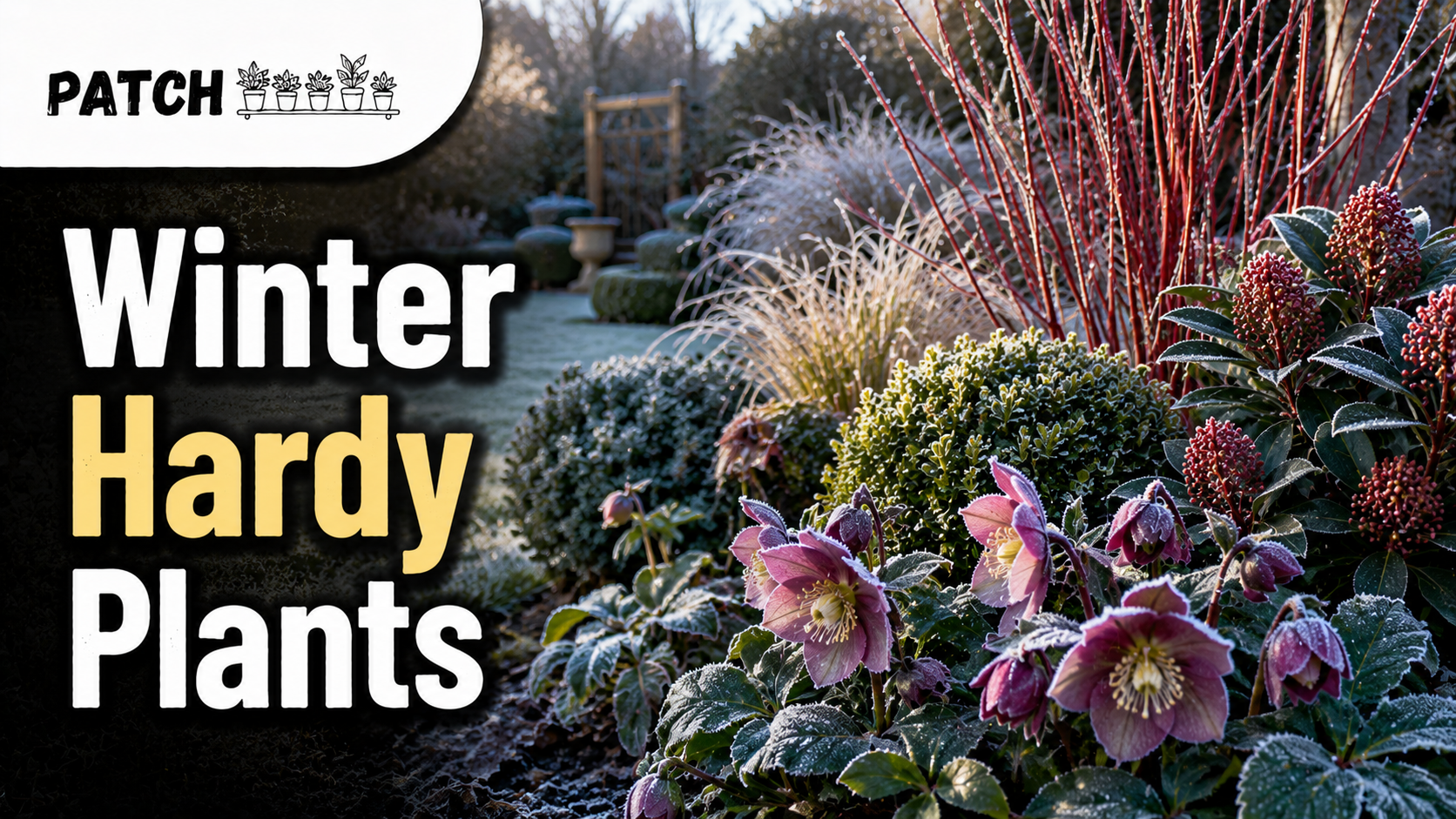
Outdoor Plants That Survive British Winters Without Fuss
The outdoor plants that survive British winters best are hellebores, snowdrops, Cyclamen coum, heuchera, winter-flowering heather, skimmia, mahonia, sarcococca, yew, ivy, red-stemmed dogwood, winter jasmine, hardy ferns, ornamental grasses and box (or a box alternative). Look for an RHS hardiness rating of H5 or higher for cold or exposed gardens, plant in well-drained soil, and protect pots, because in a British winter wet roots kill more plants than frost does. British winters are rarely bitterly cold for long, but they are wet, windy and changeable, with mild spells followed by…
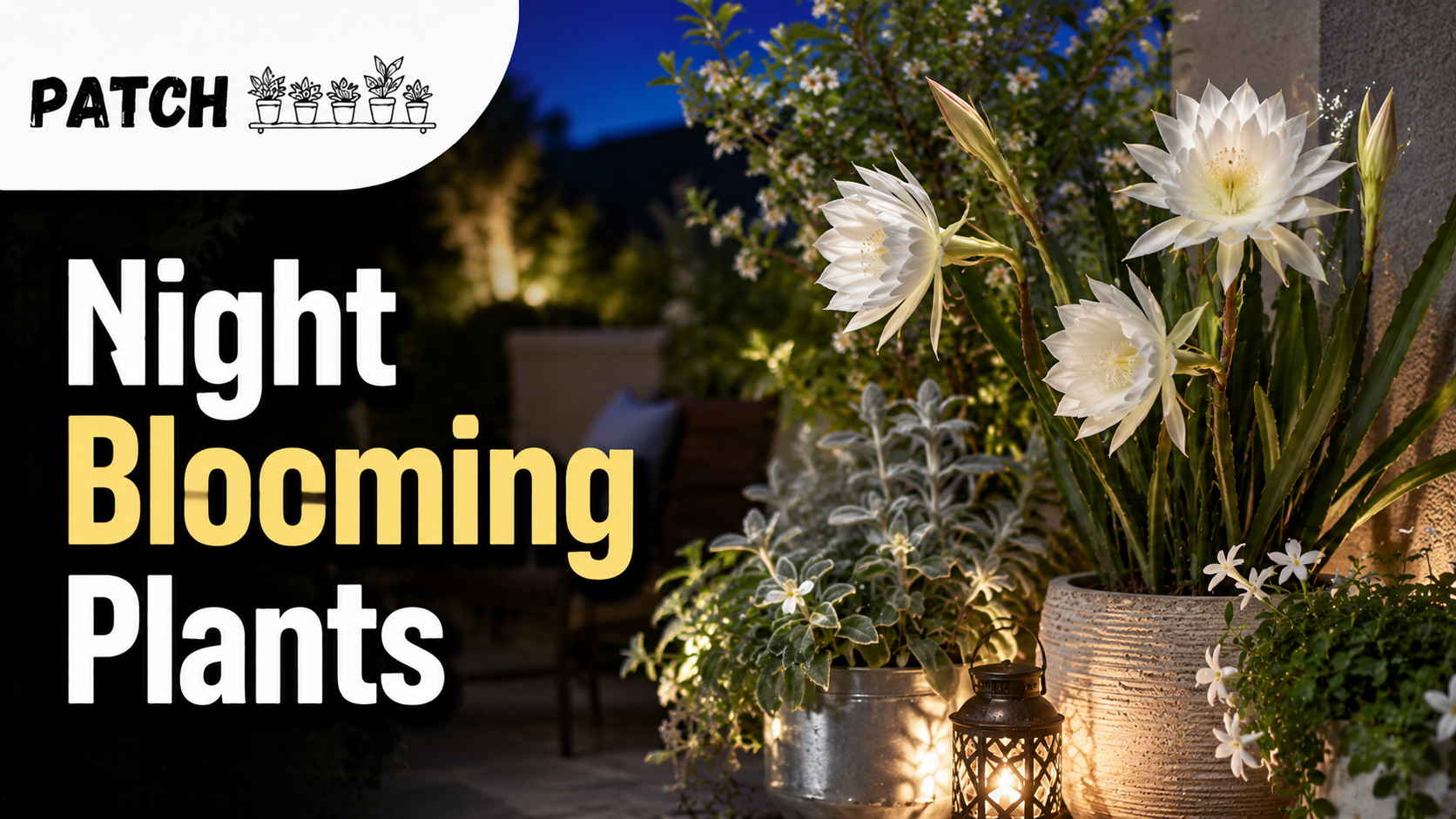
Plants That Bloom at Night: Create a Moon Garden
Plants that bloom at night include moonflower, evening primrose, night phlox, flowering tobacco (nicotiana), four o’clocks, tuberose and night-blooming jasmine. Their pale flowers stay visible in low light and many release their strongest scent after dusk, which makes them the backbone of a moon garden: a border, patio or balcony planted to look and smell its best in the evening. This guide covers the best plants that bloom at night, how to plan a moon garden in any size of space, and how to keep the plants healthy, including when…
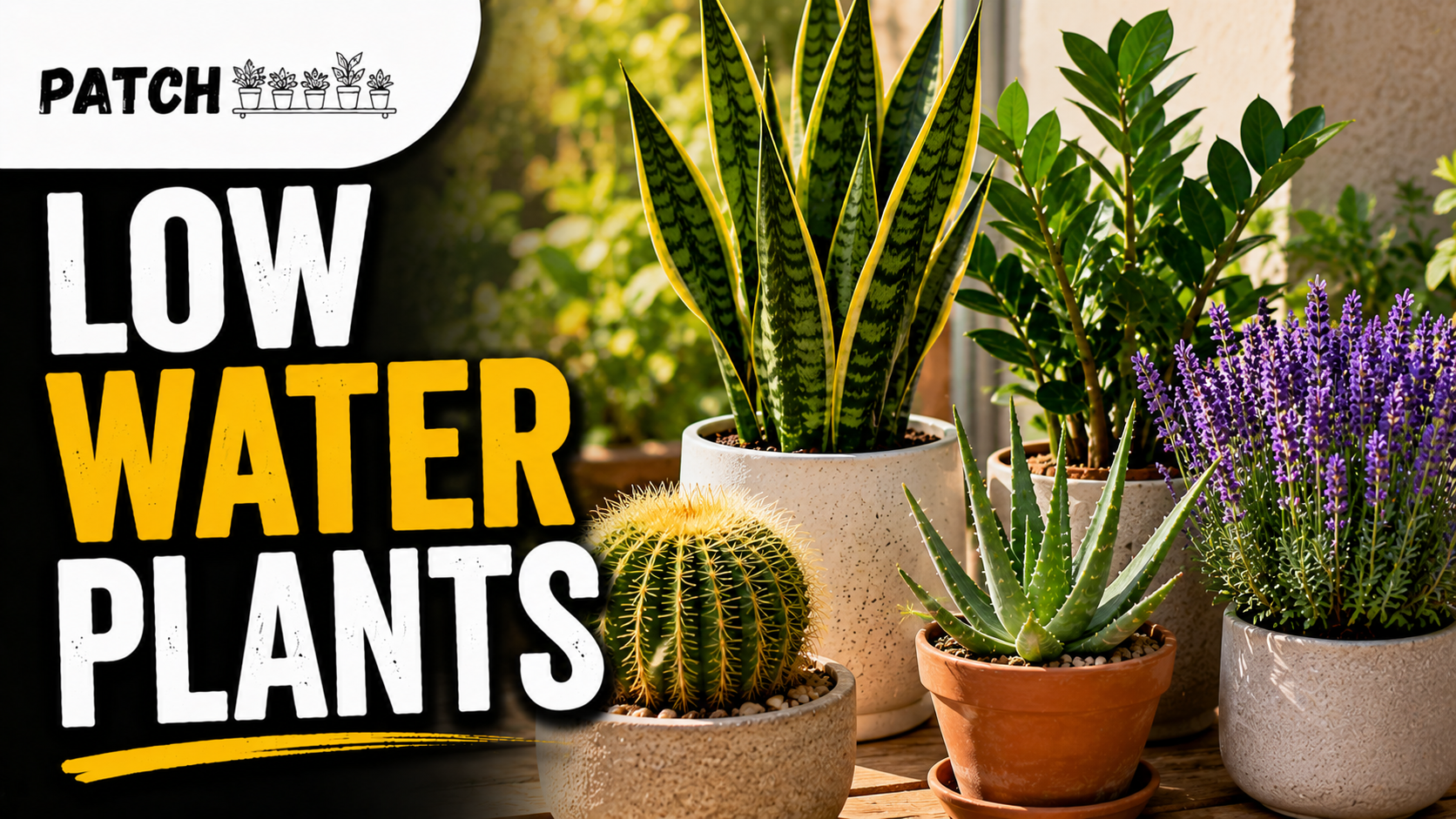
Hardy Plants That Survive on Minimal Watering: The Complete Guide
The best hardy plants that survive on minimal watering store water in thick leaves, stems or roots, or reach deep into the soil, so they can go weeks between drinks. Indoors, the toughest are snake plant, ZZ plant, aloe vera, cacti, jade plant and cast iron plant. Outdoors, once established, lavender, rosemary, sedum, agave, yucca, ornamental grasses, Russian sage and coneflower handle long dry spells with little help. This guide covers 17 drought-tolerant plants, nine for indoors and eight for the garden. For each one, it explains how the plant…
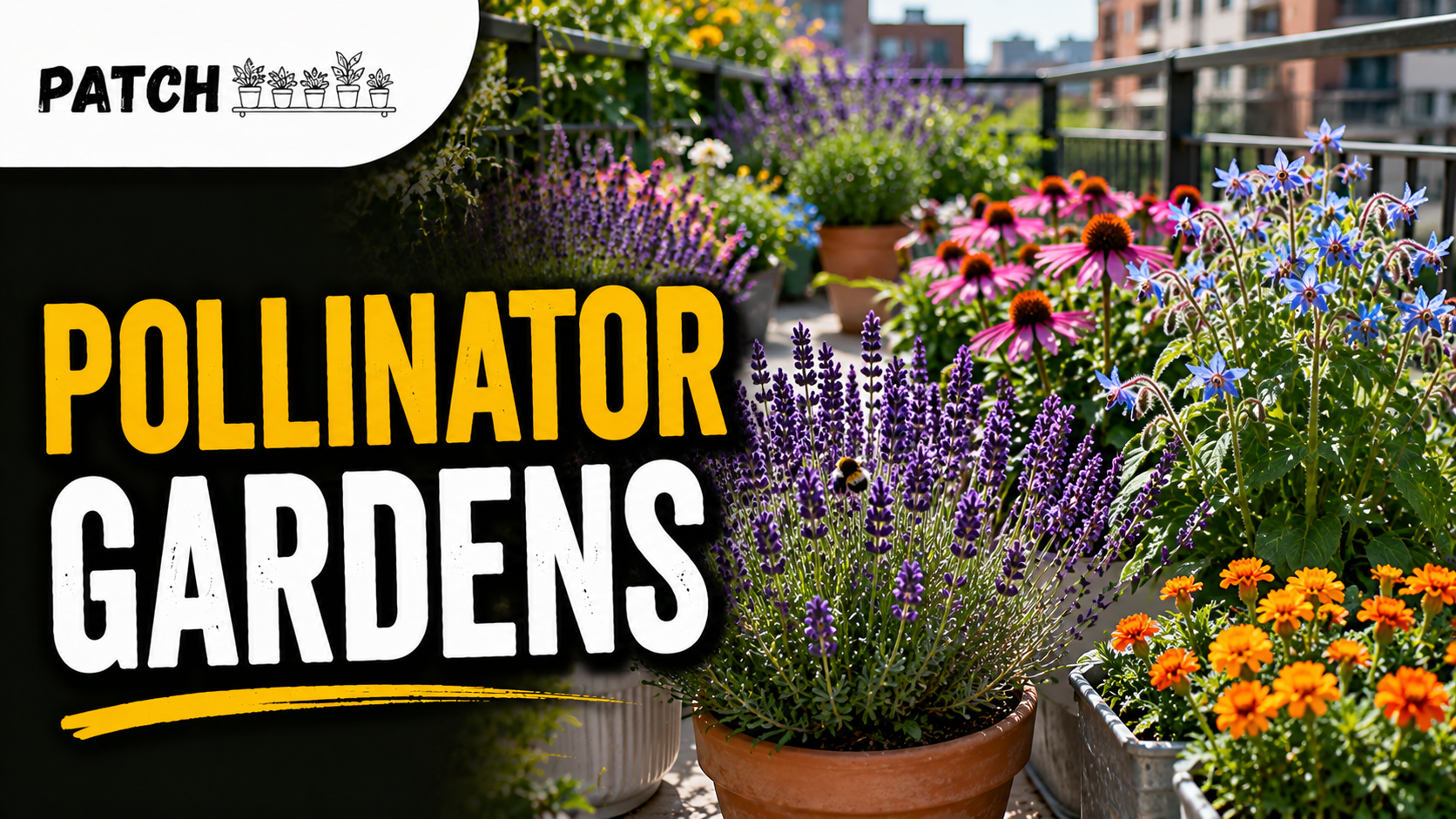
Pollinator-Friendly Plants for Urban Outdoor Spaces
The best pollinator-friendly plants for urban outdoor spaces are lavender, salvia, catmint, borage, thyme, coneflower, sedum and alliums, with phacelia, nasturtium and sweet alyssum for quick summer colour. Most grow happily in pots on a balcony, patio or windowsill. Choose single, open flowers, plan for something in bloom from early spring to late autumn, skip pesticides, and even a few containers will feed bees, butterflies and hoverflies. This guide covers the planting principles that matter most, the best plants for containers, a seasonal bloom plan, and how to set up…
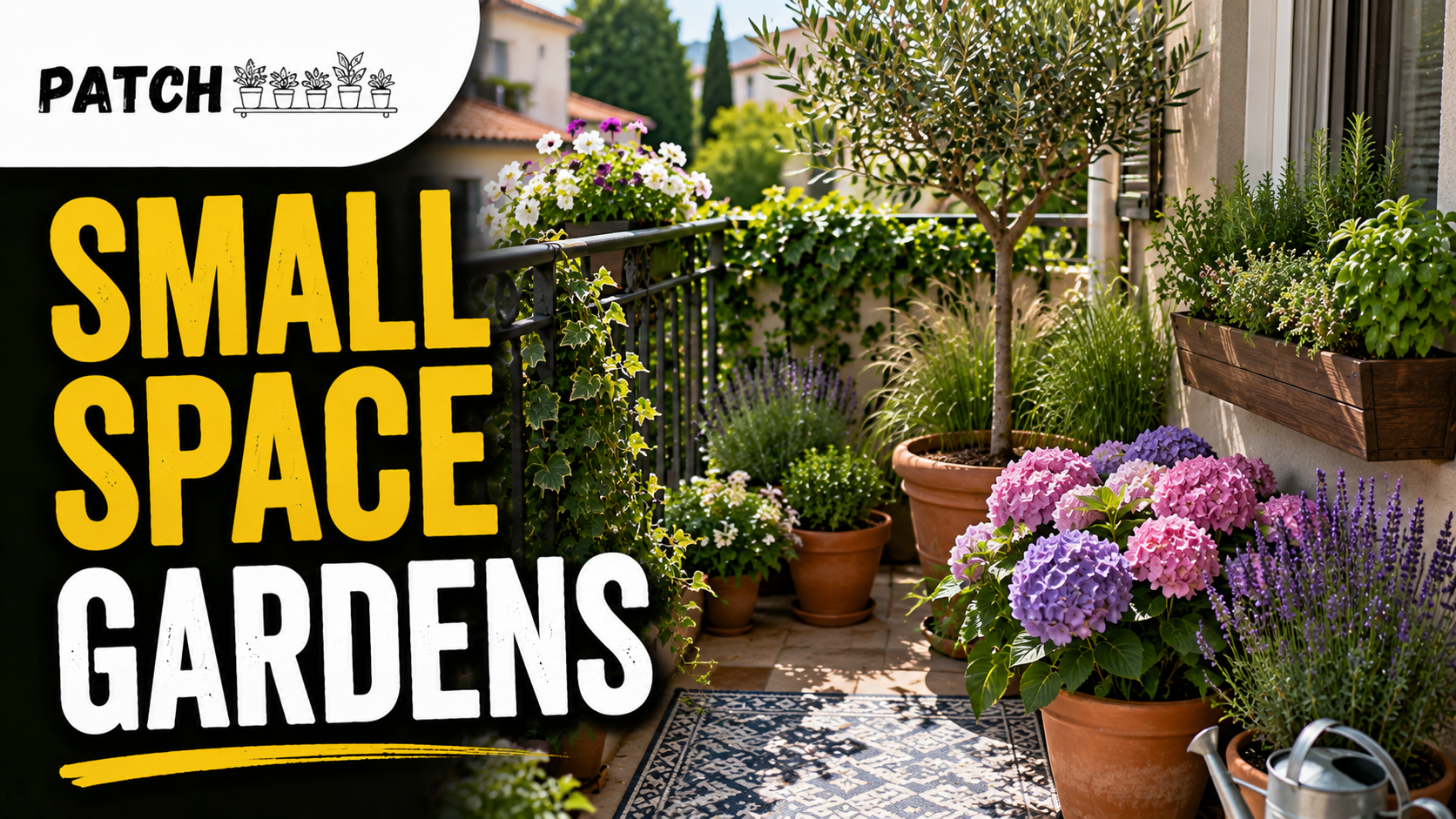
Best Plants for Small Outdoor Spaces: Balconies, Patios and More
The best plants for small outdoor spaces are compact, happy in containers, and matched to your light and wind. Herbs, lavender, heuchera, climbers on a wall or railing, and one statement tree in a large pot give a balcony, patio or doorstep the most impact for the least floor space. I am Sawera Shahid, a botanist at Patch Plants. This guide covers plants for small outdoor spaces by situation, from window boxes to shaded courtyards, with care advice checked against the Royal Horticultural Society (RHS). Where my earlier advice did…
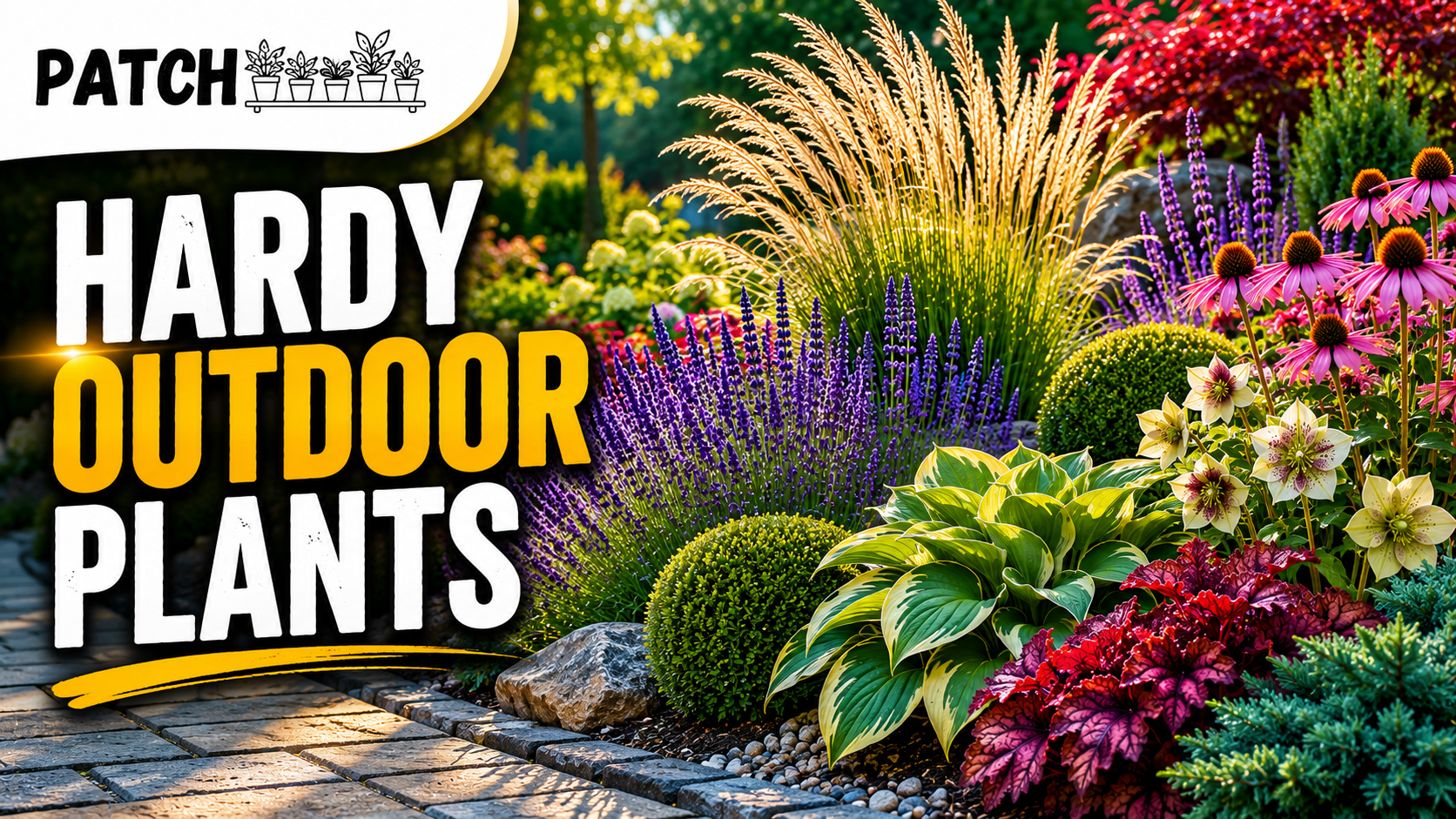
15 Hardy Outdoor Plants That Thrive All Year Round
Hardy outdoor plants are the ones that survive frost, drought and neglect and come back year after year, which makes them the foundation of any low-maintenance garden. Whether you want shrubs, perennials or evergreen structure, the right hardy plants give you colour and shape in every season. I am Sawera Shahid, a botanist at Patch Plants. This guide covers 15 hardy outdoor plants for full sun, partial shade and deep shade, with care advice checked against Royal Horticultural Society (RHS) guidance. Hardiness ratings here follow the RHS system, so check…
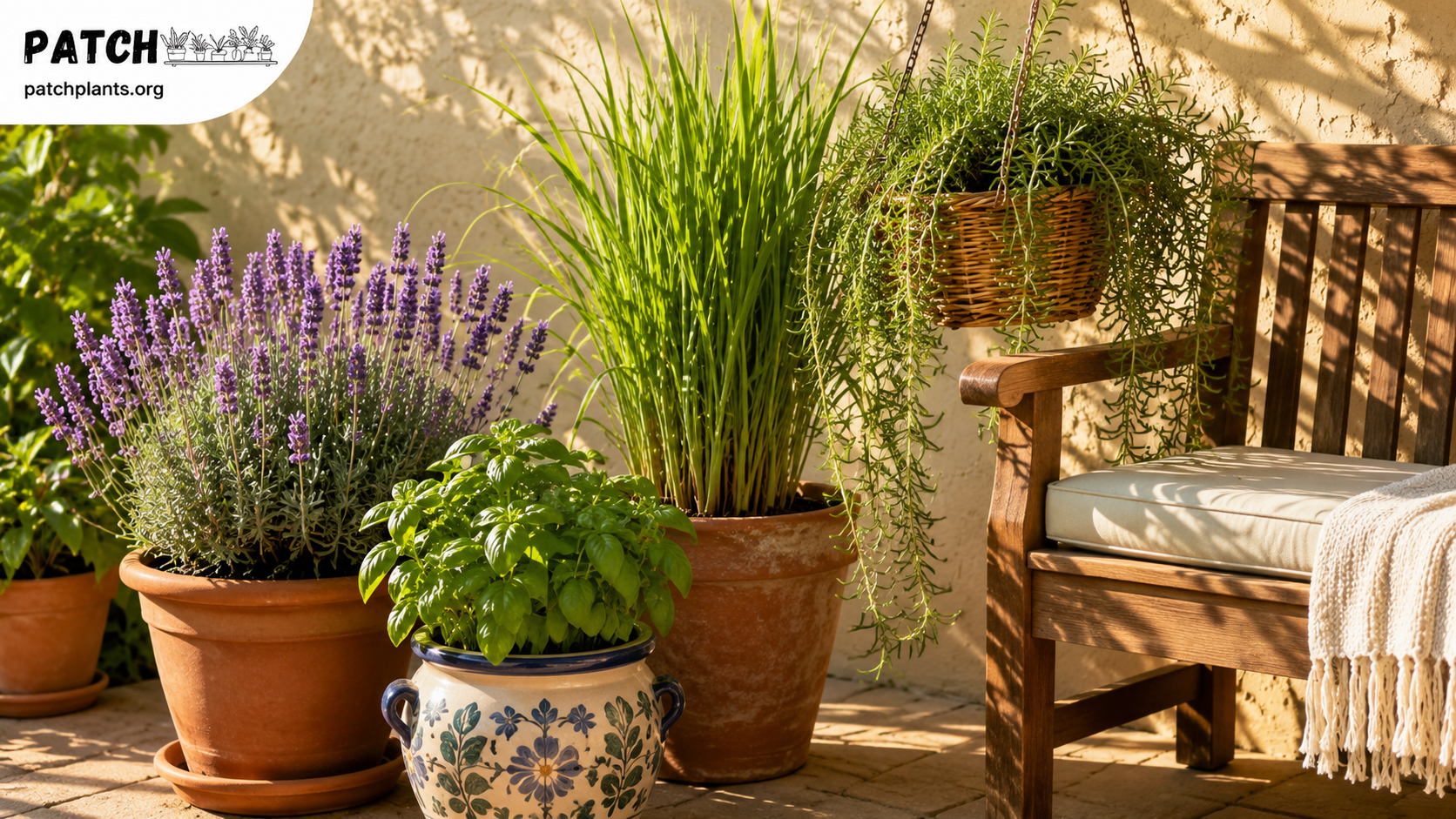
Plants That Keep Bugs Away Without Chemical Repellents
The plants that keep bugs away most reliably are lavender, basil, mint, citronella grass, rosemary, marigolds, catnip, lemon balm, pyrethrum daisy and lemongrass. Their leaves hold aromatic oils that many flies, mosquitoes and garden pests avoid. The honest catch is that a living plant only protects a small area around itself, and the oils are released most strongly when leaves are warm or brushed. So these plants work best as one layer of a natural pest plan, placed right next to where you sit, cook or grow food. This guide…
Mosquito Repellent Plants: 10 Best Picks & Real Facts
Mosquito repellent plants are popular with gardeners who want a more comfortable patio, balcony, or backyard. Lavender, lemongrass, citronella grass, basil, mint, rosemary, and several other aromatic plants are regularly recommended for keeping mosquitoes away from outdoor spaces. But there is an important difference between a plant containing potentially repellent compounds and a living plant actually preventing mosquito bites. A fragrant pot beside your chair does not necessarily provide protection. Recent research has challenged some familiar gardening claims, so it is worth understanding what these plants can and cannot do.…
Shade-Loving Plants for Outdoor Gardens: Best Picks & Care
The best shade-loving plants for outdoor gardens are hostas, ferns, hellebores, astilbe, bleeding heart, heuchera and epimedium for borders, plus hydrangeas, mahonia and sarcococca for shrubby structure. For pots and hanging baskets in shade, begonias, fuchsias, impatiens and heucheras give the most color. Match each plant to your type of shade (dappled, partial, full or dry) and enrich the soil with compost, and a shaded corner can be one of the lushest parts of the garden. Shade is not a problem to fix; it is a growing condition. Many woodland…