Key Takeaways
- Hoya plant care is beginner-friendly — hoyas tolerate neglect, store water in thick leaves, and adapt well to indoor conditions
- Bright indirect light for at least four hours daily is essential — insufficient light is the primary reason hoyas fail to bloom
- Water hoya plants thoroughly every ten to fourteen days in summer, reducing to every three to four weeks in winter
- Always let hoya plant soil dry out completely between waterings — overwatering causes root rot faster than almost any other mistake
- Hoyas prefer to be slightly root-bound — do not rush to repot and always choose a pot only one size larger
- Never remove old flower spurs — hoya plants bloom repeatedly from the same spur year after year
- Hoya carnosa and hoya kerrii are the most forgiving varieties for beginners learning hoya plant care
- Do hoyas like humidity? Yes — forty to sixty percent is ideal, use a humidity tray in dry winter months
- Feed with a low-nitrogen bloom-boosting fertiliser every two to four weeks during the growing season only
- Common hoya plant care problems include yellowing leaves, root rot, failure to bloom, and mealybug infestations — all preventable
Introduction
The hoya plant is one of the most underrated houseplants available. Slow-growing, architectural, and capable of producing clusters of extraordinarily beautiful waxy flowers, hoyas reward patient growers with something few other indoor plants can offer — blooms that return from the same spot year after year, increasing in abundance as the plant matures.
Hoya plant care is genuinely straightforward. These are semi-succulent plants that store water in their thick leaves, tolerate periods of neglect, and adapt to a wide range of indoor light conditions. The most common mistakes — overwatering and removing old flower spurs — are easily avoided once you understand the plant’s natural habits.
This hoya care guide covers everything: light requirements, watering, humidity, soil, feeding, repotting, getting your hoya to bloom, and the most popular varieties worth growing. Whether you are caring for a hoya carnosa, a hoya kerrii, or a trailing hoya rope plant, this guide gives you the complete picture. If you are just starting your plant collection, our best indoor plants for beginners guide puts hoyas in excellent context alongside other easy-care options.
What Is a Hoya Plant? Understanding the Wax Plant
Before diving into hoya plant care specifics, it helps to understand what hoyas actually are. Hoya is a large genus of tropical plants native to Asia and Australia — most species grow as epiphytes or climbing vines in humid forest environments, attaching to trees and rocky outcrops rather than growing in dense soil.
This explains the key characteristics of hoya plant care. Hoyas need:
- Well-draining growing medium — not dense soil
- Periods of dryness between waterings — their thick leaves store moisture
- Bright but filtered light — they grow beneath forest canopies in nature
- Humidity — their natural habitat is tropical and humid
- Patience — hoyas are slow growers but exceptionally long-lived
The common name “wax plant” comes from the thick, waxy coating on the leaves of most hoya varieties — a natural adaptation that reduces moisture loss. The hoya flower clusters (called umbels) are similarly waxy and often fragrant, appearing on the same spurs repeatedly throughout the plant’s life. For context on how hoya plant care compares to other trailing and climbing houseplants, our pothos care guide and philodendron care guide cover closely related trailing varieties.
Hoya Light Requirements: Bright, Indirect, and Consistent
Light is the single most important factor in hoya plant care — particularly for those who want their hoya to bloom. Get light right and almost everything else in hoya care becomes easier.
How Much Light Does a Hoya Plant Need
Most hoya varieties need bright indirect light for a minimum of four to six hours daily. East or west-facing windowsills are ideal positions for indoor hoya plant care. South-facing windows work if the plant is positioned back from the glass or shaded with a sheer curtain during the strongest midday sun.
North-facing windows are generally too dim for hoyas to thrive and bloom reliably. If your home lacks adequate natural light, a grow light running for twelve to fourteen hours daily is a practical solution for growing hoyas indoors in darker spaces. For a complete understanding of how to assess and manage light levels throughout your home, our complete guide to indoor light is essential reading alongside this hoya care guide.
Signs Your Hoya Is Getting Too Little or Too Much Light
Too little light produces slow or no growth, pale or washed-out leaf colour, and most critically — no blooms. A hoya plant that has not flowered despite years of care is almost always a light problem first.
Too much direct sun causes the thick waxy leaves to bleach, develop dry brown patches, or turn reddish at the edges. Move back from the window or add a sheer curtain to filter intense midday light. If leaf symptoms are unclear, our leaf curl, browning and droop guide covers full diagnosis across all leaf symptoms.
Seasonal Light Management for Hoyas
In winter, move hoyas as close to your brightest window as possible — natural light levels drop significantly in temperate climates and this directly affects hoya plant care quality. In summer, monitor for sunscorch and move plants back slightly from south-facing glass during peak heat periods.
Hoya Plant Watering: Less Is More
Watering is where most hoya plant care goes wrong. Hoyas are semi-succulent plants — their thick leaves store water, meaning they need far less frequent watering than most tropical houseplants. Overwatering is the leading cause of hoya plant death in indoor settings.
How Often to Water a Hoya Plant
A reliable hoya watering schedule looks like this:
- Spring and summer (growing season): Water thoroughly every ten to fourteen days when the top half of the soil is completely dry
- Autumn: Begin reducing watering frequency as temperatures drop and growth slows
- Winter: Water every three to four weeks or less — some established hoyas can go four to six weeks between waterings in cool conditions
The key principle of hoya plant watering: always check the soil before watering. Push a finger two to three centimetres into the growing medium — if it feels even slightly damp, wait. If it is completely dry throughout, water thoroughly. Our complete guide to watering tips covers the full methodology for assessing soil moisture correctly across all houseplants.
How to Water a Hoya Plant Correctly
When you do water, water thoroughly. Pour water slowly and evenly around the base of the plant until it drains freely from the drainage holes. Allow to drain completely before returning to its position — never let the pot sit in standing water.
Use room temperature water whenever possible. Cold water from the tap can cause leaf spotting on hoya plants, particularly on varieties with thinner leaves like hoya bella. Do not mist hoya leaves — this is unnecessary for hoya plant care and can cause issues if water sits on the waxy surface for extended periods.
Signs of Overwatering in Hoya Plants
An overwatered hoya plant shows these specific symptoms: yellowing leaves (particularly at the base), soft or mushy stems at soil level, black or brown root tips visible at drainage holes, and a foul smell from the growing medium. If caught early, remove from the pot, trim all rotten roots, allow to dry bare-rooted for a day, and repot in fresh well-draining mix.
Our signs you are overwatering guide helps diagnose the problem clearly, and our how to revive a dying plant guide covers the recovery process in full detail. For root rot specifically, our root rot guide explains identification and treatment thoroughly.
Do Hoyas Like Humidity? Getting the Environment Right
Yes — hoyas like humidity. As tropical plants native to humid forest environments, hoya plants perform best at humidity levels of forty to sixty percent. Most standard homes sit at thirty to fifty percent, which is adequate for most hoya varieties but may become too dry during winter when central heating reduces indoor air moisture significantly.
How to Increase Humidity for Hoya Plants
The most practical methods for increasing humidity around hoya plant care setups:
- Humidity tray: Place the pot on a tray of pebbles filled with water — the pot sits above the waterline and humidity rises naturally as the water evaporates. Our DIY humidity tray guide explains how to build one simply and cheaply
- Plant grouping: Hoyas grouped with other moisture-releasing plants naturally create a more humid microclimate around all plants in the group
- Small humidifier: Positioned nearby in winter months, particularly effective in very dry centrally heated rooms
Our humidity hacks guide covers all practical humidity management methods in detail and applies directly to hoya plant care indoors.
Temperature Requirements for Hoya Plant Care
Most hoya varieties thrive in temperatures of 15°C to 29°C. They are tropical plants and do not tolerate frost or prolonged exposure to temperatures below 10°C. Avoid placing hoyas near draughty windows in winter, near air conditioning units, or in rooms that drop significantly below 12°C at night.
A slight temperature drop at night during autumn can actually encourage blooming in some hoya varieties — similar to the cool-night trigger used in orchid care. Consistent warmth without cold draughts is the ideal environment for indoor hoya plant care year-round.
Best Soil for Hoya Plants: Drainage Above Everything
Hoya plants need well-draining, aerated growing medium — never dense, moisture-retaining potting compost. In their natural habitat, hoyas grow in organic debris on tree bark or rocky outcrops — conditions that drain almost instantly and never become waterlogged.
What Soil Mix to Use for Hoyas
A practical hoya plant soil mix consists of:
- Standard potting mix (50%): Provides basic nutrients and structure
- Perlite (30%): Dramatically improves drainage and prevents compaction
- Orchid bark or coco coir (20%): Adds aeration and mimics the loose organic matter hoyas grow in naturally
Purpose-made cactus and succulent mixes also work well for hoya plant care when mixed with additional perlite. The key requirement is that the mix drains freely and does not compact or retain moisture around the roots for extended periods. Our best soil mix guide covers growing medium selection for all plant types in detail.
Pot Choice for Hoya Plant Care
Terracotta pots are excellent for hoya plant care — their porous walls allow moisture to evaporate naturally, reducing overwatering risk. Plastic pots retain moisture longer — only suitable if you are confident in your watering restraint. Whatever the material, always use a pot with drainage holes. No exceptions in hoya plant care.
Hoya Plant Fertiliser: Feed Lightly and Seasonally
Hoya plants are not heavy feeders. In their natural habitat, nutrients are scarce and available only in small, irregular amounts from decomposing organic matter. In indoor hoya plant care, the goal is to replicate this — small, consistent nutrient input during the growing season, nothing in winter.
How to Feed a Hoya Plant
- Growing season (April to September): Apply a liquid fertiliser every two to four weeks
- Formulation: Use a low-nitrogen, higher-phosphorus and potassium formula — high nitrogen encourages lush leaf growth at the expense of flowers
- Strength: Always dilute to half the recommended dose — hoya roots are sensitive to fertiliser salt build-up
- Winter: Stop feeding entirely. Hoya plants are resting and cannot use nutrients effectively
- New plants: Do not feed for six to eight weeks after purchase or repotting — allow the plant to settle first
For a broader comparison of how feeding approaches differ between indoor and outdoor plants, our fertilising indoor vs outdoor plants guide provides useful context for hoya plant care and beyond.
How to Get a Hoya Plant to Bloom

Getting a hoya to bloom is the ambition of most hoya plant care enthusiasts. The good news is that hoyas are willing bloomers when their requirements are met — the bad news is that most non-blooming hoyas are simply not getting enough light or have had their flower spurs removed.
The Most Important Rule: Never Remove Old Spurs
This is the single most critical point in getting hoya plants to bloom. Hoyas produce flowers on specialised structures called peduncles or spurs — small woody pegs that grow from the stems. Once a spur has flowered, it will flower again from the same point in future seasons. Removing old spurs eliminates future blooming opportunities entirely.
Even if the spur looks bare, dry, or dead between blooming cycles — leave it completely alone. This is non-negotiable in hoya plant care for anyone who wants reliable annual blooming.
Conditions That Trigger Hoya Blooming
- Bright indirect light: This is the primary trigger — move to the brightest position available
- Slight root-bound condition: Hoyas bloom more reliably when slightly pot-bound — do not repot unnecessarily
- Cool nights in autumn: A temperature drop to around 13°C to 15°C at night can trigger bud formation in many hoya varieties
- Reduced watering in late summer: A brief dry period before autumn mimics natural seasonal patterns and can trigger blooming
- Bloom-boosting fertiliser: Switch to a high-potassium, low-nitrogen formula in late spring to support flower development
- Patience: Young hoyas rarely bloom in their first two to three years regardless of care — this is normal hoya plant behaviour
What Does a Hoya Flower Look Like
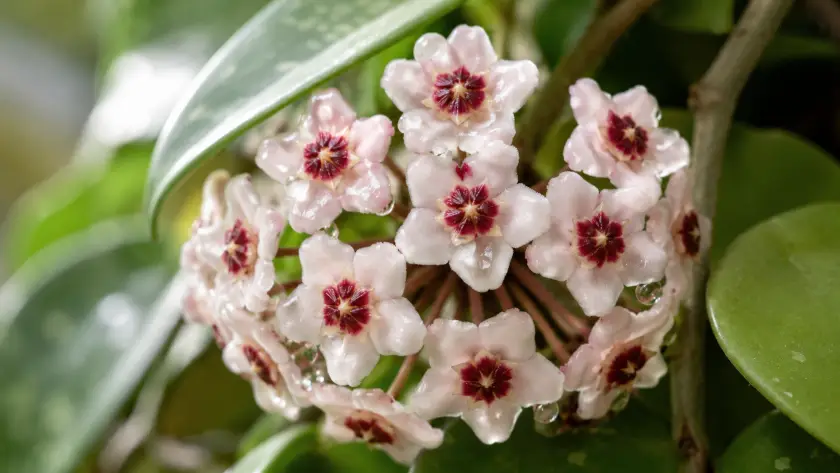
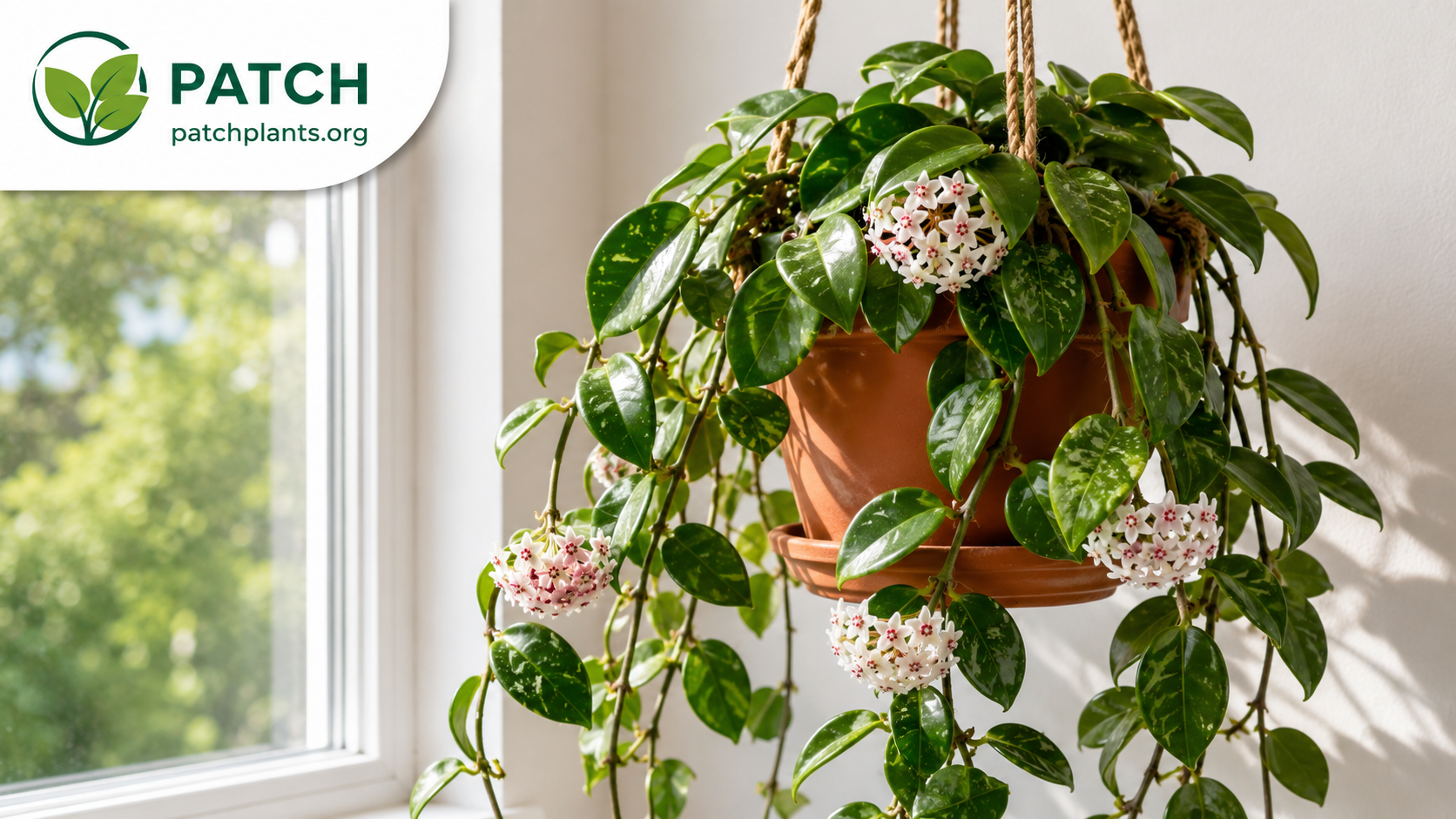
Hoya flowers are extraordinary — produced in round clusters (umbels) of ten to thirty individual star-shaped flowers, each with a waxy texture and often a contrasting centre. Many hoya varieties produce fragrant blooms, with scent strongest in the evening. The hoya carnosa produces pale pink clusters with deep red centres, while other varieties range from white to deep purple, yellow, and red depending on species.
After blooming, the flowers drop naturally — do not remove the spur beneath them. The plant will bloom again from the same point in the next growing season.
Repotting Hoya Plants: Patience Is Key

Repotting hoya plants is one of the areas where many growers make unnecessary interventions. Hoyas genuinely prefer to be slightly root-bound — a pot-bound hoya blooms more reliably than one given too much fresh soil too soon. The urge to repot should be resisted unless clear signs indicate it is necessary.
When to Repot a Hoya Plant
Signs that repotting is genuinely needed:
- Roots are clearly and densely escaping from drainage holes
- Water drains through almost instantly without being absorbed (soil fully compacted)
- The plant has been in the same pot for more than three years
- Visible root rot requiring removal of damaged roots
- The plant is toppling due to being top-heavy relative to its pot
The best time for repotting hoya plants is in spring, at the start of the growing season. Avoid repotting in winter or when the plant is actively budding — this can cause bud drop and delay blooming significantly.
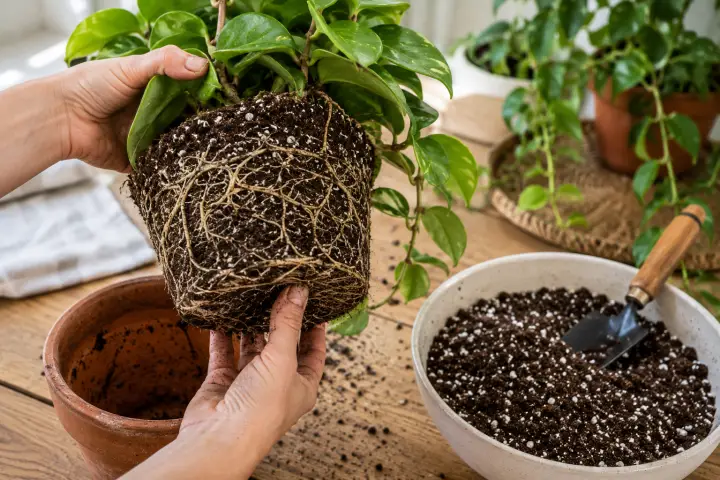
How to Repot a Hoya Plant
- Choose a new pot only one size larger — a pot much larger than the root ball retains too much moisture
- Prepare fresh well-draining hoya soil mix as described above
- Remove the hoya carefully from its current pot, shaking away old soil
- Inspect roots — trim any dead, rotten, or damaged roots with sterilised scissors
- Allow any cut roots to dry for one hour before repotting
- Place in the new pot with fresh mix, firming gently around the roots
- Do not water for five to seven days after repotting
Our how to repot a plant guide covers the full repotting process, and our repotting mistakes to avoid guide is essential reading before you begin — several of the most common repotting errors apply directly to hoya plant care.
Popular Hoya Varieties and Their Specific Care Needs

The hoya genus contains hundreds of species — each with slight variations in care requirements. These are the most commonly kept indoor varieties and what makes each one distinctive in hoya plant care terms.
Hoya Carnosa Care
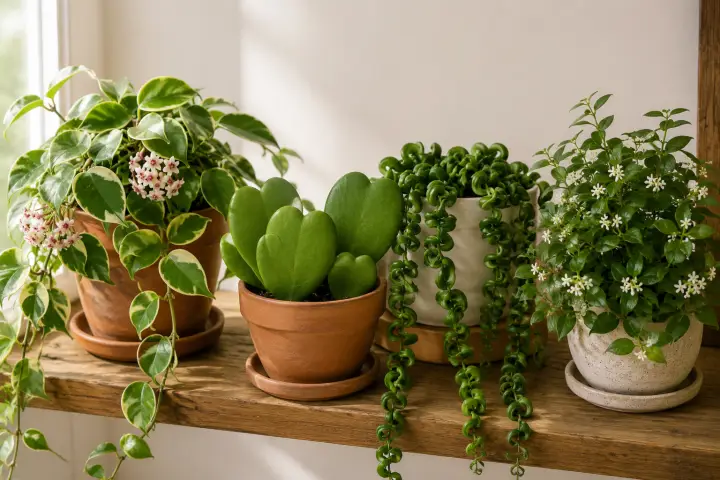
The hoya carnosa is the most widely kept and most beginner-friendly hoya variety. It produces the classic waxy pink and red flower clusters that give hoyas their common name — wax plant. Hoya carnosa care is forgiving: it tolerates lower light than most hoyas, handles occasional missed waterings well, and blooms reliably once mature. The hoya carnosa compacta (Hindu rope plant) is a striking curled-leaf variety of the same species with slightly slower growth.
Hoya Kerrii Care
The hoya kerrii is instantly recognisable for its heart-shaped leaves — widely sold as single-leaf cuttings for Valentine’s Day gifts. Hoya kerrii plant care is straightforward but patience is essential — this is one of the slowest-growing hoya varieties. Single-leaf cuttings rarely develop into full plants as they lack the nodes needed to produce new growth. A multi-leaf cutting or small established plant is a better starting point for hoya kerrii care.
Hoya Hindu Rope Plant Care
The hoya hindu rope (Hoya carnosa compacta) has tightly curled, congested leaves that create a rope-like trailing effect. Hoya hindu rope plant care follows the same principles as hoya carnosa but requires even better drainage — the dense leaf clusters can trap moisture and create rot issues if the plant is overwatered. It is a spectacular specimen when grown in a hanging planter.
Hoya Bella Care
Hoya bella is a compact, free-flowering variety with smaller leaves and delicate white and purple flower clusters. It prefers slightly more light than hoya carnosa and is more sensitive to cold. Hoya bella plant care requires more consistent humidity than tougher varieties — a humidity tray is particularly useful for this species.
Hoya Australis Care
One of the faster-growing hoya varieties, hoya australis produces large clusters of white fragrant flowers and tolerates a wider range of conditions than many hoyas. Hoya australis plant care is similar to hoya carnosa — bright indirect light, infrequent watering, and patience for the first bloom. An excellent choice for those wanting a larger trailing hoya.
Common Hoya Plant Care Problems and Solutions
Even with correct hoya plant care, problems occasionally arise. Identifying them quickly prevents minor issues from becoming serious ones.
Yellow Leaves
The most common hoya plant care problem. Overwatering is the primary cause — yellow leaves accompanied by soft stems or a foul smell from the soil confirm this. Reduce watering immediately. If leaves are yellowing without softness or smell, check light levels — insufficient light also causes gradual yellowing. Our why plant leaves turn yellow guide covers full diagnosis.
Root Rot
Caused by persistent overwatering or compacted soil that retains moisture. Black or brown mushy roots, foul smell, and a collapsing stem base are the indicators. Remove all rotted roots, dry bare-rooted for several hours, repot in fresh dry mix. Our root rot guide covers full treatment and our revive a dying plant guide gives the complete recovery plan.
Failure to Bloom
Almost always caused by insufficient light, removed flower spurs, or a plant that is too young. Move to the brightest available position, check that no spurs have been removed, and ensure the plant is at least two to three years old. A brief dry period followed by cooler nights in autumn can trigger bud formation in reluctant bloomers.
Wrinkled or Shrivelled Leaves
Wrinkled leaves on a hoya plant indicate dehydration — the plant has used the water stored in its thick leaves and needs watering. Unlike many houseplants, a hoya with wrinkled leaves is telling you it genuinely needs water rather than signalling overwatering. Water thoroughly and the leaves should plump back up within a day or two.
Pests
Common hoya plant pests and their treatments:
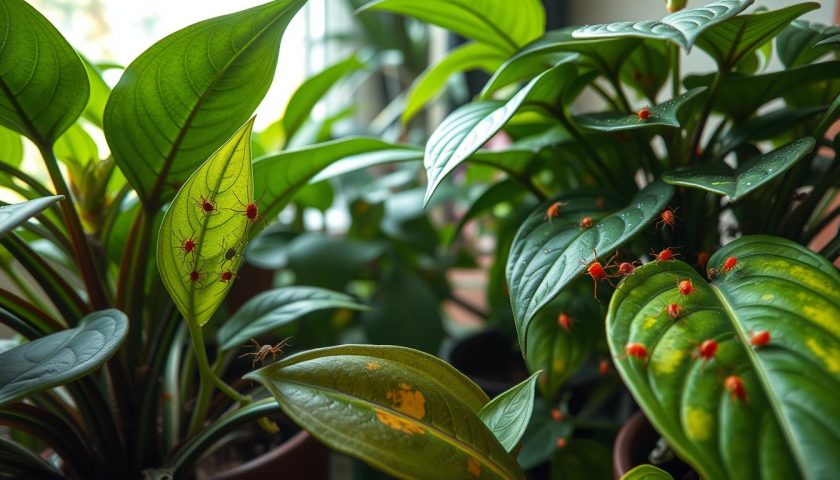
- Mealybugs — white cottony deposits in leaf joints and on stems. Treat with isopropyl alcohol on a cotton bud or neem oil spray
- Scale insects — brown bumps on stems. Remove manually and treat with neem oil
- Spider mites — fine webbing in hot dry conditions. Increase humidity and treat with neem oil
- Fungus gnats — larvae in soil attracted by moist medium. Allow soil to dry completely and use yellow sticky traps
Our plants that keep bugs away guide provides broader pest management context for indoor hoya plant care.
Leggy or Sparse Growth
Long, widely spaced stems with small leaves indicate insufficient light. Move to a brighter position. Pruning leggy stems encourages bushier growth — cut just above a leaf node and the cutting can be used to propagate new hoya plants. Our houseplant propagation guide covers hoya propagation from stem cuttings in detail.
Hoya Plant Care Indoors: Placement Guide
Where you place your hoya within your home significantly affects both its health and its likelihood of blooming. Hoya plant care indoors requires thoughtful placement from the start.
Living Room
The ideal location for most hoya varieties. Large windows, stable temperatures, and good visibility for monitoring. A trailing hoya in a hanging planter near a bright window is one of the most effective displays in indoor plant styling. Our how to style indoor plants by room guide covers display principles that apply beautifully to hoya plants.
Bedroom
Works well if the window provides sufficient indirect light. Many hoya varieties are non-toxic and safe for bedrooms. The slightly cooler nights in bedrooms can actually support blooming. Our bedroom plants guide covers plant placement in bedrooms in detail.
Hallway
Suitable only if there is an adequate light source nearby. A dark hallway is not appropriate for hoya plant care indoors. However, a hallway with a skylight or large window can be an excellent trailing hoya location — the long stems drape beautifully from high shelves or hanging hooks. For more hallway plant ideas, our style by room guide covers hallway placement specifically.
Home Office
Hoyas make excellent office companions — slow-growing, low-maintenance, and attractive throughout the year even when not in bloom. Our office-friendly plants guide and 35 best office plants guide cover workspace plant selection in detail.
Hoya Plant Companions: What to Grow Alongside Hoyas
Grouping hoyas with compatible plants improves humidity and creates a more stable microclimate for all involved. The best companions for hoya plant care share similar humidity and indirect light preferences.
The pothos is an excellent hoya companion — similar trailing habit, comparable light needs, and easy propagation using techniques in our propagation guide. The spider plant also pairs well — it releases moisture through transpiration and tolerates similar light conditions. For trailing companions at different heights, our low light hanging plants guide has excellent options.
For fragrant companions that complement hoya blooms, our indoor plants that smell amazing guide is worth exploring. For visual contrast alongside waxy hoya foliage, our colorful foliage plants guide adds tonal variety. Pet owners should note that most hoya varieties are considered non-toxic — but always verify with our cat-friendly plants guide and dog-friendly plants guide before placing any new plant within reach of animals.
For rare or collector hoya varieties worth adding to a growing collection, our rare houseplants guide includes specialist hoyas among its recommendations. If you are building a broader collection of trailing plants, our string of pearls care guide covers another stunning trailing succulent that suits similar display positions to hoyas.
Article Summary
| Topic | Key Points |
|---|---|
| Hoya light requirements | Bright indirect light, 4–6 hours daily, east or west window best |
| Hoya plant watering | Every 10–14 days summer, 3–4 weeks winter, let soil dry fully |
| Do hoyas like humidity | Yes — 40–60% ideal, use humidity tray or grouping in winter |
| Best soil for hoya plants | Well-draining mix with perlite and orchid bark, terracotta pot |
| Hoya fertiliser | Low nitrogen, every 2–4 weeks in growing season, none in winter |
| How to get hoya to bloom | Never remove spurs, bright light, cool nights, bloom-booster feed |
| Repotting hoya plants | Every 2–3 years, slightly root-bound preferred, one size up only |
| Hoya carnosa care | Most forgiving variety, classic wax plant, reliable bloomer |
| Hoya kerrii care | Heart-shaped leaves, slow grower, single-leaf cuttings rarely grow |
| Common hoya problems | Yellow leaves, root rot, no blooms, pests, leggy growth |
Related Guides
- Pothos Care Guide
- Philodendron Care Guide
- String of Pearls Care Guide
- Spider Plant Care Guide
- Succulent Care Guide
- Complete Guide to Watering Tips
- Complete Guide to Indoor Light
- How to Repot a Plant
- Repotting Mistakes to Avoid
- Signs You Are Overwatering
- What Is Root Rot?
- How to Revive a Dying Plant
- Humidity Hacks Guide
- DIY Humidity Tray Guide
- Houseplant Propagation Guide
- Rare Houseplants Worth the Hunt
Final Thoughts
Hoya plant care is one of the most rewarding areas of indoor gardening for those who are willing to be patient. A mature hoya in full bloom — clusters of waxy, star-shaped flowers hanging from stems that have wound their way around a window frame over several years — is genuinely one of the most beautiful sights indoor gardening offers.
The rules of hoya plant care are few and consistent: bright indirect light, infrequent thorough watering, well-draining soil, light feeding in season, and the discipline never to remove an old flower spur. Follow these and your hoya will reward you with blooms that return year after year, growing more abundant with every passing season.
According to the Royal Horticultural Society, hoya plants are among the longest-lived houseplants in cultivation — with well-maintained specimens known to thrive and bloom reliably for thirty years or more indoors. Starting with a hoya is not just buying a plant — it is beginning a long-term relationship with one of nature’s most extraordinary indoor performers.
Frequently Asked Questions
How often should I water a hoya plant?
Water hoya plants thoroughly every ten to fourteen days in summer and every three to four weeks in winter. Always let the soil dry out completely between waterings — hoyas are semi-succulent and store water in their thick leaves. Overwatering is the most common cause of hoya plant death. Our signs you are overwatering guide helps identify the problem early.
Why is my hoya not blooming?
The most common reasons a hoya plant fails to bloom are insufficient light, overwatering, too much nitrogen fertiliser, and removing old flower spurs. Hoyas bloom from the same spurs repeatedly — never cut them off. Move to a brighter position, switch to a low-nitrogen bloom-boosting feed, and introduce cooler nights in autumn to trigger bud formation.
Do hoyas like humidity?
Yes — hoyas prefer humidity levels of forty to sixty percent. Most homes are adequate but may become too dry in winter with central heating running. Use a humidity tray or group hoyas with other plants to maintain comfortable moisture levels. Our DIY humidity tray guide explains how to build one simply.
How much light does a hoya plant need?
Hoya plants need bright indirect light for at least four to six hours daily. An east or west-facing windowsill is ideal. Direct midday sun can scorch the thick waxy leaves. Insufficient light prevents blooming and slows growth significantly. Our complete guide to indoor light helps assess light levels throughout your home.
When should I repot my hoya plant?
Repot hoya plants every two to three years or when roots are clearly escaping the drainage holes. Hoyas prefer being slightly root-bound — do not rush to repot. Choose a pot only one size larger to avoid excess soil moisture retention. Our how to repot a plant guide covers the full process.
Are hoya plants easy to care for?
Yes — hoya plant care is straightforward once you understand the key principles. Hoyas tolerate neglect, store water in their leaves, and adapt to a range of indoor conditions. The hoya carnosa and hoya kerrii are among the most beginner-friendly varieties. Our best indoor plants for beginners guide puts hoyas in context alongside other easy-care options.
Should I mist my hoya plant?
Misting is not necessary for hoya plant care and can cause issues if water sits on the waxy leaves for extended periods. Instead, use a humidity tray or place hoyas near other plants to maintain comfortable ambient humidity without wetting the foliage directly. Our humidity hacks guide covers all effective alternatives to misting.