Last Updated: October 1, 2026
Shade plants that repel mosquitoes are best treated as attractive aromatic plants that can complement a wider mosquito-control plan, not as a replacement for proven protection. Mint, lemon balm, catnip, bee balm, sweet woodruff, garlic chives, and American beautyberry are useful choices for part-shade and dappled-shade gardens, while basil, scented geraniums, marigolds, and lemon thyme generally need brighter conditions. For better mosquito control, combine smart planting with regular standing-water removal and good garden maintenance.
Key Takeaways
- The best shade plants that repel mosquitoes include mint, lemon balm, catnip, bee balm, sweet woodruff, garlic chives, and American beautyberry, depending on available light.
- Shade plants that deter mosquitoes should not be treated as a replacement for proven mosquito repellents or habitat control.
- Mint, lemon balm, and sweet woodruff tolerate more shade than lavender, rosemary, citronella grass, and lemongrass.
- Mosquito repellent plants for shade should be chosen according to their actual light requirements rather than simply because they appear on mosquito-repellent plant lists.
- Removing standing water from flowerpot saucers, buckets, birdbaths, planters, and other containers is one of the most important steps for reducing mosquito breeding around a garden.
Shaded outdoor spaces can feel peaceful, but they can also stay cooler, damper, and less breezy than open sunny areas. A shaded patio with water sitting in plant saucers, dense vegetation, and poor airflow can provide conditions mosquitoes may use for resting or breeding nearby.
The good news is that you can make these spaces more attractive and easier to manage with thoughtful planting. The best shade-loving mosquito repellent plants bring fragrance, foliage, flowers, and texture into areas where full-sun herbs may struggle.
Plants such as mint, lemon balm, catnip, bee balm, sweet woodruff, garlic chives, and beautyberry can fit naturally into a shaded outdoor garden. The important point is to match each plant to the actual light conditions rather than expecting every aromatic plant to thrive in deep shade.
For the wider topic, explore our mosquito repellent plants guide, mosquito repellent plants for patios, and plants that keep bugs away naturally.
Do Shade Plants That Repel Mosquitoes Really Work?
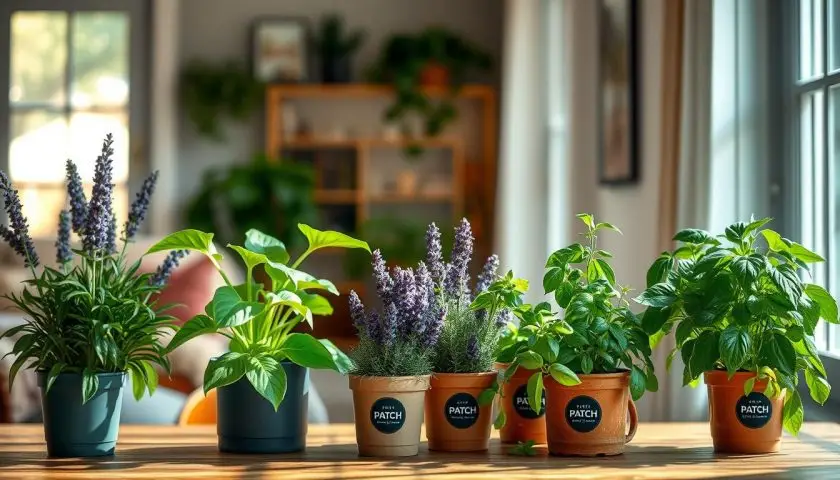
Shade plants that repel mosquitoes need to be understood realistically. Many aromatic plants contain oils and compounds associated with mosquito repellency, but simply growing a plant beside a chair does not create a reliable mosquito barrier.
This distinction matters. A fragrant mint or lemon balm plant may be an attractive addition to a shaded seating area, but it should not be treated like a proven topical mosquito repellent.
The strongest garden strategy is therefore layered. Grow suitable aromatic and ornamental plants for their gardening benefits, while also removing stagnant water, emptying plant saucers, keeping drains clear, pruning overcrowded growth, and maintaining good airflow.
For general outdoor pest management, see our guide on how to keep pests away from outdoor plants.
Know Your Shade Before Choosing Plants
Not all shade is the same. A plant that performs well in bright shade may become weak and leggy in a dark corner. Before choosing mosquito repellent plants for shade, observe the space during the day and note how much direct and indirect light reaches it.
Dappled Shade
Dappled shade is common beneath trees, pergolas, and open structures where sunlight filters through leaves or gaps. Mint, lemon balm, bee balm, catnip, sweet woodruff, and garlic chives may suit these conditions, depending on climate and local growing conditions.
For more planting ideas, see our shade-loving outdoor plants.
Bright Shade
Bright shade receives plenty of indirect light without strong direct sun for most of the day. This can work for plants that need more brightness than a deeply shaded garden provides.
Basil, scented geraniums, lemon thyme, and marigolds are better candidates for these brighter locations than for dark, damp corners.
Part Shade
Part shade generally receives a limited period of direct sunlight followed by shade. Morning sun followed by afternoon shade can be particularly useful in hot climates.
Many shade plants that deter mosquitoes, including mint, lemon balm, catnip, bee balm, garlic chives, and beautyberry, can fit into part-shade planting schemes.
Deep Shade
Deep shade is more difficult. Most strongly aromatic herbs need at least some useful light to produce healthy growth.
In very dark areas, focus less on adding supposedly mosquito-repelling plants and more on removing standing water, reducing damp clutter, improving airflow, and using movable containers that can be shifted toward brighter positions.
Which Shade Plants Repel Mosquitoes? 11 Plants Compared
| Plant | Best Light | Best Use | Care Level |
|---|---|---|---|
| Mint | Part shade | Pots near seating | Easy |
| Lemon Balm | Part shade to bright shade | Porches and paths | Easy |
| Catnip | Part shade | Containers and edges | Easy |
| Bee Balm | Part shade | Pollinator-friendly borders | Moderate |
| Sweet Woodruff | Dappled shade | Groundcover | Easy |
| Basil | Bright shade or morning sun | Outdoor dining pots | Easy |
| Scented Geranium | Bright shade to part sun | Porch pots | Moderate |
| Marigolds | Bright part shade | Container edges | Easy |
| Lemon Thyme | Bright shade to part sun | Small pots and troughs | Easy |
| Garlic Chives | Part shade | Edible borders | Easy |
| American Beautyberry | Part shade | Shrub borders | Moderate |
11 Best Shade Plants That Repel Mosquitoes and Deter Mosquitoes Naturally
1. Mint
Mint is one of the easiest aromatic plants to grow in part shade. It produces strongly scented foliage, grows quickly during the active season, and works particularly well in containers.
Growing mint in pots is usually preferable because many types spread aggressively when planted directly in garden beds. Containers also allow you to move the plant when light conditions change.
- Best light: Part shade or bright shade.
- Best placement: Patio containers, porch steps, and outdoor seating areas.
- Care tip: Trim regularly to maintain compact fresh growth.
2. Lemon Balm
Lemon balm is a mint-family herb with lemon-scented foliage. It is one of the more practical mosquito repellent plants for shade because it can tolerate part shade while still producing aromatic leaves.
It works well in porch containers, beside paths, and around outdoor seating. Because lemon balm can spread, containers can make it easier to control.
- Best light: Part shade to bright shade.
- Best placement: Porch pots, path edges, and shaded patios.
- Care tip: Prune regularly if growth becomes loose or leggy.
3. Catnip
Catnip is another aromatic herb suitable for part-shade gardens. It can grow in containers or informal borders and produces fragrant foliage.
One practical consideration is its attraction to cats. If cats regularly visit your garden, position catnip where it will not be repeatedly flattened or dug up.
- Best light: Part shade with useful brightness.
- Best placement: Individual containers or border edges.
- Care tip: Trim growth to maintain a bushier plant.
4. Bee Balm
Bee balm is useful when you want a fragrant plant that can also contribute flowers to a pollinator-friendly garden. It generally performs better in part shade than in very dark locations.
Good airflow is particularly important. Dense, damp planting can increase the risk of powdery mildew, so avoid crowding plants together.
If supporting beneficial wildlife is part of your plan, explore our pollinator-friendly plant guide.
- Best light: Part shade or morning sun.
- Best placement: Borders, larger containers, and pollinator areas.
- Care tip: Allow adequate spacing and airflow.
5. Sweet Woodruff
Sweet woodruff is a low-growing shade plant with delicate foliage. Unlike many popular aromatic herbs, it is naturally better suited to shady garden conditions.
Use it as groundcover beneath shrubs, beside shaded paths, or in woodland-style planting. It should be considered part of the overall garden design rather than a stand-alone mosquito solution.
- Best light: Dappled shade and other suitably shaded positions.
- Best placement: Beneath shrubs and along shaded paths.
- Care tip: Avoid waterlogged soil.
6. Basil
Basil is not a true deep-shade plant. It works better in bright shade, filtered light, or locations receiving some morning sun.
For a shaded outdoor dining area with enough light, basil can provide useful edible foliage and fragrance. If growth becomes weak, pale, or stretched, the plant probably needs more light.
- Best light: Bright shade or morning sun.
- Best placement: Outdoor dining containers and kitchen patios.
- Care tip: Pinch growth regularly to encourage branching.
7. Scented Geranium
Scented geraniums are frequently grown in patio pots for their fragrant foliage. Lemon-scented varieties are particularly popular in mosquito-themed container planting.
They require brighter conditions than plants such as sweet woodruff, so position them around the bright edge of a shaded patio rather than beneath dense tree cover.
- Best light: Bright shade to part sun.
- Best placement: Porch containers, doorways, and seating edges.
- Care tip: Pinch stems to maintain fuller growth.
8. Marigolds
Marigolds prefer plenty of light, so they should not be treated as deep-shade plants. However, they can be incorporated around the brighter edge of a partly shaded patio or container arrangement.
Their biggest garden advantage is their colourful flowers and ease of growing rather than an expectation that the plants alone will stop mosquitoes.
- Best light: Bright part shade with useful sunlight.
- Best placement: Bright patio edges and container groups.
- Care tip: Remove spent flowers to encourage continued blooming.
9. Lemon Thyme
Lemon thyme is compact and aromatic, making it useful for smaller containers. Like many Mediterranean herbs, it performs better with good light and drainage.
Use it on bright steps, low walls, trough planters, and the sunnier side of a partly shaded patio.
- Best light: Bright shade to part sun.
- Best placement: Small pots, troughs, and bright patio edges.
- Care tip: Avoid consistently soggy soil.
10. Garlic Chives
Garlic chives are edible perennials that can tolerate part shade. Their narrow leaves have an onion-garlic aroma, while their flowers can add seasonal interest.
They work particularly well when you want edible planting mixed into a partly shaded border or container garden.
- Best light: Part shade.
- Best placement: Edible borders, raised beds, and patio containers.
- Care tip: Harvest leaves regularly during healthy active growth.
11. American Beautyberry
American beautyberry is a shrub known for its striking purple berries and wildlife value. It can grow in part shade and adds much more structure than small aromatic herbs.
Its foliage has been studied for compounds associated with insect repellency, but a beautyberry shrub should still be viewed as a landscape plant rather than a replacement for proven mosquito protection.
It works particularly well in native or wildlife-oriented planting. See our guide to native plants and why they matter for more ideas.
- Best light: Part shade or woodland edge.
- Best placement: Shrub borders and wildlife-friendly gardens.
- Care tip: Allow enough room for its mature size.
Which Shade Plants Deter Mosquitoes Best?
If you are searching for shade plants that deter mosquitoes, the first step is separating plants that genuinely tolerate shade from popular mosquito plants that require substantial sunlight.
Mint, lemon balm, catnip, bee balm, sweet woodruff, garlic chives, and American beautyberry are generally more practical choices for part-shade or dappled-shade gardens than lavender, rosemary, citronella grass, or lemongrass.
However, growing these plants does not create a proven mosquito-free zone around a patio or garden. Some aromatic plants contain compounds associated with mosquito repellency, but concentration and method of use matter.
Best Choices for Part Shade
Mint, lemon balm, catnip, bee balm, garlic chives, and American beautyberry are among the more practical options where a garden receives some direct or filtered light.
Better Choices for Dappled Shade
Sweet woodruff is naturally more comfortable in genuinely shady planting than many sun-loving aromatic herbs. Mint and lemon balm can also tolerate some shade, although their performance still depends on climate and growing conditions.
Plants for the Bright Edge of Shade
Basil, scented geraniums, marigolds, and lemon thyme are better placed where the garden receives brighter light or some direct sun. Lavender, rosemary, citronella grass, and lemongrass generally need sunnier positions.
Popular Mosquito Plants to Avoid in Deep Shade
Some of the best-known plants associated with mosquito-repellent gardening are poor choices for genuinely dark locations.
- Citronella grass: Better suited to warm, bright conditions.
- Lemongrass: Generally performs best with warmth and plenty of light.
- Lavender: Prefers sun and free-draining soil rather than damp shade.
- Rosemary: Usually performs best in sunny, well-drained positions.
- Sage: May tolerate some light shade but generally prefers brighter conditions.
For sunnier locations, use our main mosquito repellent plants guide. For genuinely shaded areas, prioritize appropriate shade plants and mosquito habitat control.
Where to Place Mosquito Repellent Plants in Shade
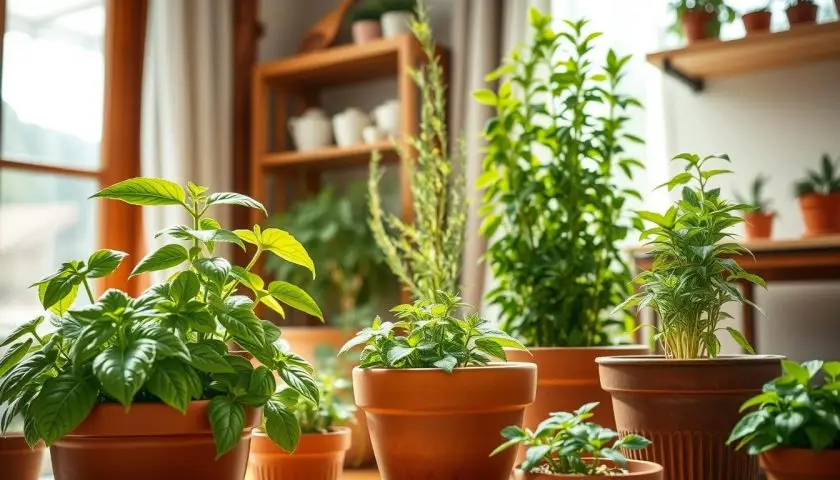
Plant placement should primarily support healthy growth and make the garden practical. Containers are particularly useful because they can be moved when seasonal light levels change.
Near Outdoor Seating
Mint, lemon balm, basil, and scented geraniums can make attractive container plants around outdoor seating, provided each receives enough light.
Do not rely on their presence as your only protection from mosquito bites.
On Porches and Steps
Porches are ideal for containers because plants can be arranged without overcrowding paths. Mint, lemon balm, garlic chives, and scented geraniums are useful candidates depending on available light.
Along Garden Paths
Low-growing and aromatic plants can soften path edges and make shaded areas more attractive. Choose plants based on light, moisture, and mature spread.
In Layered Shade Borders
Use larger shrubs such as beautyberry toward the back, medium-height plants such as bee balm through the middle, and lower plants or controlled containers toward the front.
Keep Damp Corners Open
Avoid creating extremely dense, damp planting around already stagnant corners. Prune overcrowded shrubs, clear dead leaves, and maintain usable airflow through the space.
Container Setup for Mosquito Repellent Plants for Shade
Containers are one of the easiest ways to grow mosquito repellent plants for shade because they allow greater control over soil, drainage, plant spread, and placement.
Always Provide Drainage
Outdoor containers should have functional drainage holes. Rainwater trapped inside pots can damage roots, while water sitting in saucers or decorative outer pots can create unwanted standing water.
Check containers after rainfall and empty unnecessary standing water.
Match Plants by Water Needs
Do not combine plants purely because they appear on the same mosquito-repellent list. Mint and lemon balm generally prefer more moisture than lemon thyme and some other Mediterranean-style herbs.
Our complete watering guide explains how to make better watering decisions without relying on a rigid schedule.
Use Appropriate Potting Mix
Use a suitable potting medium for the plants you are growing. Shaded containers may dry more slowly than containers receiving strong sun, making drainage particularly important.
For more information, see our plant soil mix guide.
Prune When Needed
Regular trimming can help herbs such as mint, lemon balm, basil, catnip, and scented geraniums maintain compact growth.
See our pruning basics for general guidance.
Natural Mosquito Control in Shaded Gardens
Plants should be the decorative part of the strategy, not the entire mosquito-control strategy. Mosquito habitat management is particularly important in shaded gardens because water may evaporate more slowly than it does in exposed sunny spaces.
Remove Standing Water
Regularly inspect plant saucers, buckets, unused pots, watering cans, toys, tarps, birdbaths, blocked drainage areas, and other objects capable of holding water.
A container filled with an aromatic plant can still become part of a mosquito problem if stagnant water remains beneath it.
Keep Plant Saucers Clean
Check saucers after watering and rainfall. Do not allow unnecessary water, fallen leaves, and organic debris to remain in them.
Improve Airflow
Prune overcrowded vegetation and remove dead plant material where necessary. Good spacing also helps reduce some fungal problems associated with dense, humid planting.
Maintain the Garden Regularly
Remove dead stems, fallen leaves, unused containers, and other clutter. A maintained garden is easier to inspect for small pockets of standing water.
Support Garden Biodiversity
A wildlife-friendly garden can support birds, dragonflies, and other organisms as part of a diverse ecosystem. Biodiversity is valuable in its own right, but it should not be presented as a guaranteed replacement for mosquito-control measures.
For broader planning, see our wildlife-friendly garden guide.
Best Shade Plant Combinations
Shaded Patio Containers
Try mint, lemon balm, catnip, and a scented geranium in separate containers. Keeping vigorous spreaders such as mint in individual pots makes them easier to manage.
Part-Shade Pollinator Border
Bee balm, beautyberry, garlic chives, and suitable shade-tolerant groundcover can create a more natural border with flowers, structure, and wildlife value.
Bright-Shade Dining Area
Basil, lemon thyme, marigolds, and mint can be used where an outdoor dining space receives bright indirect light or some morning sun.
Woodland-Style Shade Bed
Use sweet woodruff as low groundcover, beautyberry for shrub structure, and controlled pots of lemon balm or mint where appropriate.
Small Shaded Balcony
Lemon balm, mint, garlic chives, and a compact scented geranium can work where sufficient light is available. Choose stable containers and avoid blocking drainage.
Common Mistakes With Shade Plants That Repel Mosquitoes
Expecting Plants to Stop Mosquitoes by Themselves
This is the biggest mistake. A patio filled with aromatic plants can still have mosquitoes if nearby containers hold standing water.
Putting Sun-Loving Plants in Deep Shade
Lavender, rosemary, citronella grass, and lemongrass are often mentioned in mosquito-plant articles, but they generally need considerably more light than a deep-shade garden provides.
Letting Mint Spread Uncontrolled
Mint can spread aggressively in suitable conditions. Containers are usually easier to manage than unrestricted planting in garden beds.
Overwatering Shaded Containers
Because shaded containers may dry more slowly, check the growing medium before watering rather than automatically watering on a fixed schedule.
If plants remain wet for too long, our root rot guide explains common warning signs.
Ignoring Light Differences
“Shade” is not one universal growing condition. Deep shade, dappled shade, bright shade, and part shade can produce very different plant performance.
Care Tips for Shade Plants That Repel Mosquitoes
Check Soil Before Watering
Do not assume every shaded pot needs the same amount of water. Plant species, temperature, container size, rainfall, humidity, and growing medium all affect how quickly soil dries.
Avoid Excessive Fertilizer
Feed plants according to their individual requirements. More fertilizer does not automatically mean healthier or more fragrant growth.
Refresh Crowded Containers
Container plants may eventually become root-bound or crowded. Repot or divide plants when their condition and growth indicate that more root space is needed.
Watch for Fungal Problems
Shade, humidity, poor airflow, and wet foliage can contribute to fungal problems in susceptible plants. Avoid unnecessary overcrowding and remove seriously affected plant material when appropriate.
Keep the Area Tidy
Remove dead leaves, old stems, and unnecessary damp debris. This makes it easier to monitor both plant health and places where water may collect.
Practical Tips for Shaded Mosquito-Prone Gardens
Do not treat shade as a single condition. Observe the space first and determine whether it receives bright shade, dappled shade, part shade, or genuinely deep shade.
Use movable containers for herbs whose light requirements are uncertain. If a plant becomes weak or leggy, you can move it toward a brighter position without redesigning the entire garden.
Keep vigorous herbs such as mint controlled in pots, while larger shrubs such as beautyberry can provide permanent structure where conditions suit them.
Most importantly, inspect the garden regularly for standing water. Even the best insect-repellent shade plants cannot compensate for saucers, buckets, containers, or other objects repeatedly holding stagnant water.
Related Mosquito, Shade, and Outdoor Garden Guides
- Mosquito Repellent Plants
- Mosquito Repellent Plants for Patios
- Plants That Keep Bugs Away Naturally
- How to Keep Pests Away From Outdoor Plants
- Shade-Loving Outdoor Plants
- Best Plants for Container Gardening on Patios
- Pollinator-Friendly Plants
- Outdoor Plants Guides
Frequently Asked Questions
What are the best shade plants that repel mosquitoes?
Mint, lemon balm, catnip, bee balm, sweet woodruff, garlic chives, and American beautyberry are useful options for shaded or partly shaded gardens. Basil, scented geraniums, marigolds, and lemon thyme can also be considered where the space receives brighter light.
What shade plants deter mosquitoes?
Mint, lemon balm, catnip, bee balm, sweet woodruff, garlic chives, and American beautyberry are commonly considered when gardeners want shade plants that deter mosquitoes. However, the plants themselves should not be relied on as complete mosquito protection.
Which mosquito repellent plants grow best in shade?
Mint, lemon balm, sweet woodruff, catnip, bee balm, garlic chives, and American beautyberry are generally better shade choices than sun-loving plants such as lavender, rosemary, citronella grass, and lemongrass. Most still perform better in part shade or dappled light than in extremely deep shade.
Do shade plants that repel mosquitoes work in deep shade?
Most aromatic herbs perform better with at least some useful light. Sweet woodruff is naturally more shade tolerant than many sun-loving herbs. In very deep shade, prioritize suitable shade planting, standing-water removal, and general habitat management.
What mosquito repellent plants for shade grow well in pots?
Mint, lemon balm, catnip, garlic chives, basil in sufficiently bright conditions, scented geraniums, and lemon thyme can all be grown in containers when their individual light and watering requirements are met.
Are there flowering plants for partly shaded mosquito-prone gardens?
Bee balm, garlic chives, American beautyberry, and marigolds in sufficiently bright conditions can add flowers or seasonal interest. Choose them primarily according to climate, light, soil, and garden design.
Can shade plants repel mosquitoes without using sprays?
Aromatic plants may contain compounds associated with mosquito repellency, but simply growing them nearby is not a proven substitute for effective bite protection. Removing standing water and using established mosquito-prevention methods when necessary provides a more reliable strategy.
Where should I place mosquito repellent plants in a shaded garden?
Place each plant where its light, moisture, soil, and space requirements can be met. Containers around patios, porches, steps, and paths can be useful because they are easy to reposition as light conditions change.
What are easy shade-loving mosquito repellent plants for beginners?
Mint, lemon balm, garlic chives, and sweet woodruff can be relatively straightforward choices when their preferred growing conditions are available. Mint and lemon balm are usually easier to control in containers.
Can I grow lavender or rosemary in a shaded mosquito garden?
Lavender and rosemary generally need substantially more sun than deep-shade plants. They may work around the bright or sunny edge of a partly shaded garden, but they are poor choices for dark, damp locations.
Why can mosquitoes be a problem in shaded gardens?
Shaded spaces can remain cooler and damper, and water may evaporate more slowly. The bigger concern is standing water in saucers, containers, blocked drains, birdbaths, and similar places where mosquitoes may breed.
Final Thoughts
Shade plants that repel mosquitoes can add fragrance, flowers, edible foliage, groundcover, and structure to shaded outdoor spaces, but realistic expectations are important.
Mint, lemon balm, catnip, bee balm, sweet woodruff, garlic chives, and American beautyberry are generally more suitable for shaded conditions than classic sun-loving choices such as lavender, rosemary, citronella grass, and lemongrass.
UF/IFAS Extension explains that several commonly recommended plants contain oils associated with mosquito repellency, while also emphasizing that the living plants themselves should not be treated as a complete mosquito-control solution. Read the UF/IFAS guidance on mosquito-repelling plants.
For the strongest approach, choose plants for the actual light conditions, maintain healthy containers, improve airflow where needed, and regularly remove standing water around the garden.