Key Takeaways
- Mosquito repellent plants for patio areas work best when used as part of a wider outdoor pest-control plan, not as the only solution.
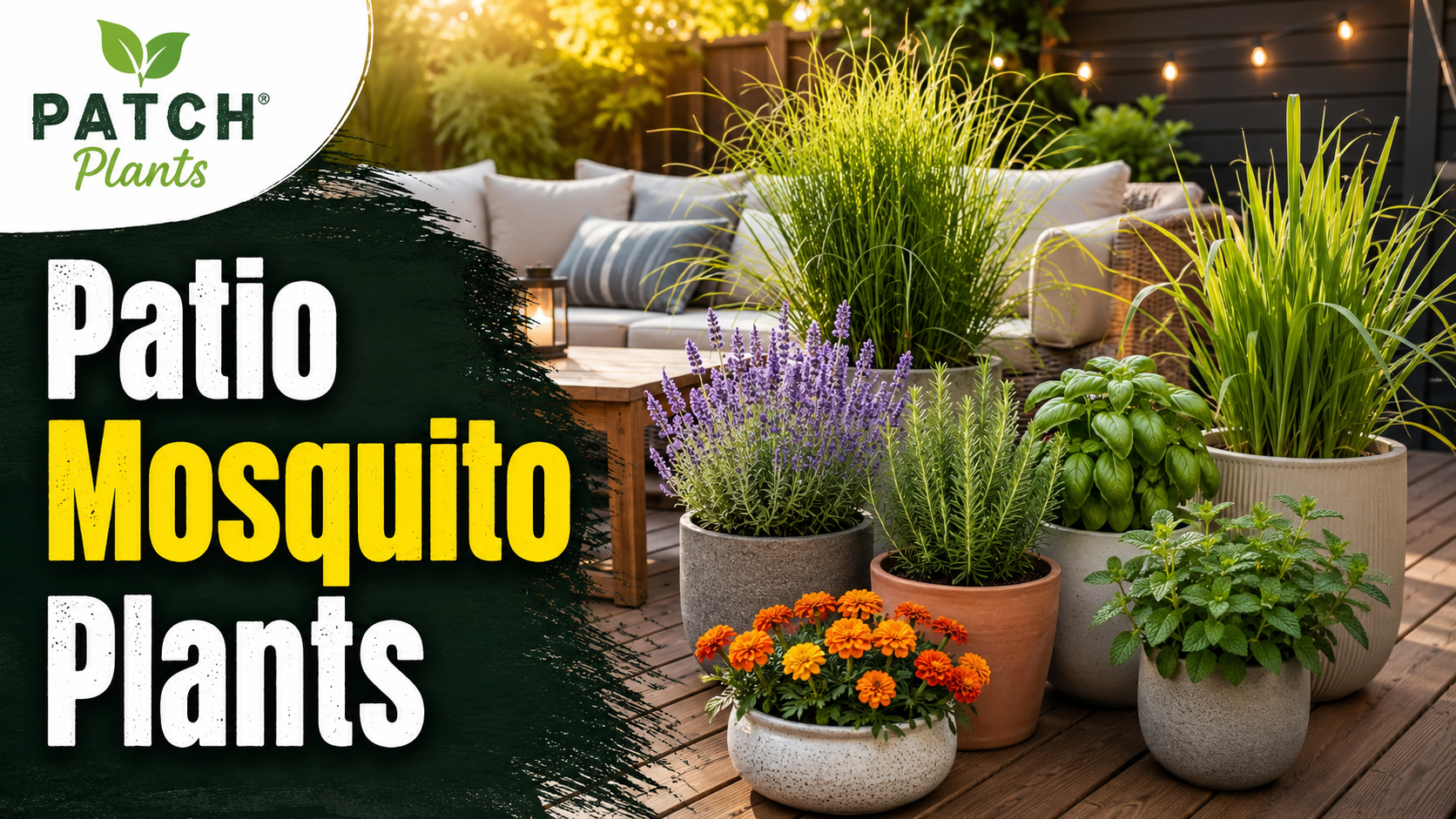
- The best patio mosquito repellent plants include citronella grass, lemongrass, lavender, rosemary, basil, mint, lemon balm, marigolds, sage, thyme, catnip, scented geranium, bee balm, eucalyptus, and lemon verbena.
- Patio plants that repel mosquitoes are most useful near seating areas, porch steps, doorways, deck corners, and outdoor dining tables.
- Many mosquito repellent herbs for outdoor patio pots need full sun, good drainage, and regular pruning to stay healthy and fragrant.
- Plants alone will not stop every bite. Empty standing water, clean saucers, improve airflow, and use safe personal protection when mosquitoes are active.
- This article supports the main mosquito repellent plants guide, so keep this post as a support article and leave Pillar Content OFF.
Introduction
If mosquitoes keep ruining your evenings outside, the right mosquito repellent plants for patio pots can make your outdoor space feel fresher, more fragrant, and easier to enjoy. They will not create an invisible shield around your chairs, but they can support a smarter patio setup when combined with good water control, clean pots, and practical placement.
The best approach is simple. Use aromatic herbs and flowers close to the places where people gather. Keep those plants healthy, brush or prune scented leaves when you are outside, and remove anything that holds standing water. This gives you a more realistic way to build a comfortable outdoor seating area without relying only on sprays or candles.
This guide covers the best patio mosquito repellent plants, how to grow them in pots, where to place them, which ones work for decks and porches, and what mistakes to avoid. You will also find natural internal links to related PATCH guides, including how to keep pests away from outdoor plants, plants that keep bugs away naturally, and container gardening on patios.
Do Mosquito Repellent Plants Really Work?
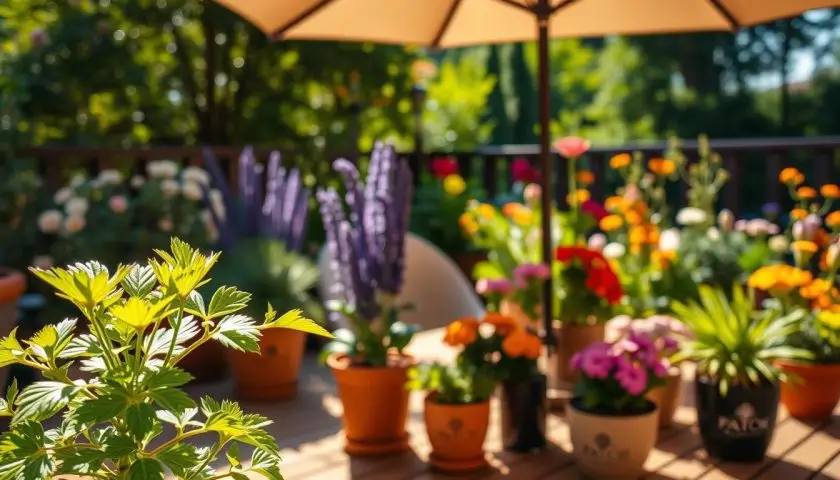
Yes, but with an important limit. Many natural mosquito repellent plants for outdoor patio spaces contain aromatic oils that mosquitoes dislike. The issue is that those oils are not always released strongly enough just because the plant is sitting in a pot.
That means a lavender pot near your chair may smell lovely, but it will not replace proper mosquito control. The plant works better when leaves are brushed, trimmed, crushed, or placed where people naturally move past them. Herbs like rosemary, basil, mint, lemon balm, and lemongrass release more scent when touched or pruned.
This is why your patio plan should be layered. Grow useful plants, but also remove stagnant water, clean plant saucers, trim overgrown corners, and keep outdoor seating areas tidy. For a broader pest-control plan, read mosquito repellent plants, how to keep pests away from outdoor plants, and plants that keep bugs away without chemical repellents.
Best Mosquito Repellent Plants for Patio Pots
The best mosquito repellent plants for patio setups are easy to grow in containers, pleasant to sit near, and useful in real outdoor spaces. Some are herbs, some are flowers, and some are bold foliage plants that add structure to patios and decks.
1. Citronella Grass
Citronella grass is one of the most famous patio plants for mosquito control. It has tall, grassy leaves and a fresh lemony scent. It looks good in large pots near outdoor seating, patio steps, and sunny deck corners.
Citronella grass needs warmth, sun, and a container with good drainage. It can grow large, so give it a sturdy pot rather than squeezing it into a small decorative planter. In cooler regions, you may need to treat it as a seasonal patio plant or move it to a protected spot during cold weather.
Use citronella grass with other container plants from the best plants for container gardening on patios and best low-maintenance outdoor plants. If your patio is exposed, pair it with advice from year-round balcony plants.
- Best spot: Sunny patio, deck corner, outdoor seating edge.
- Container tip: Use a large pot with drainage holes.
- Care tip: Trim tired leaves to keep the plant fresh and tidy.
2. Lemongrass
Lemongrass is a strong choice if you want mosquito repellent plants for deck and patio spaces that also look modern. It grows tall, gives a clean vertical shape, and releases a citrus scent when the leaves are brushed or cut.
It prefers full sun, warmth, and consistent watering. Lemongrass looks especially good in large terracotta or black containers beside patio furniture. It also works well near outdoor kitchens because it has culinary uses.
If you enjoy edible patio plants, combine lemongrass with ideas from easiest outdoor edible plants for beginners, edible flowers to grow outdoors, and garden calendar.
- Best spot: Sunny patio, outdoor kitchen, deck planter.
- Container tip: Choose a deep pot because lemongrass forms a clump.
- Care tip: Water regularly during hot weather.
3. Lavender
Lavender is one of the most attractive mosquito repellent flowers for patio pots. It brings purple flowers, silvery foliage, and a clean herbal scent. It is also popular with pollinators, which makes it useful for a balanced outdoor space.
Lavender likes full sun and free-draining soil. It does not enjoy wet roots, so avoid heavy compost and pots with poor drainage. If your patio is hot and dry, lavender can be one of the easiest natural insect repellant plants to grow.
Lavender also fits well into colour-led patio designs. For more styling ideas, read color themes for outdoor gardens, create a colourful garden for all seasons, and pollinator-friendly plants for urban outdoor spaces.
- Best spot: Sunny patio edge, dry porch, container border.
- Container tip: Use gritty, well-drained potting mix.
- Care tip: Do not overwater. Lavender prefers slightly dry conditions.
4. Rosemary
Rosemary is one of the best mosquito repellent herbs for outdoor patio pots because it is useful, fragrant, and attractive. Its woody stems and needle-like leaves suit Mediterranean-style containers, sunny patios, and outdoor cooking areas.
Rosemary prefers full sun and well-drained soil. It dislikes sitting in wet compost. If you keep it in a pot, raise the container slightly or use feet so water drains after rain.
Rosemary works well with drought-tolerant patio plants. For more water-wise ideas, read top drought-resistant plants, hardy plants that survive on minimal watering, and plants that withstand storms and heatwaves.
- Best spot: Sunny deck, patio herb pot, outdoor dining area.
- Container tip: Use a pot with sharp drainage.
- Care tip: Prune lightly to keep growth bushy.
5. Basil
Basil is a practical choice for patio gardening with mosquito repellent plants. It grows quickly in warm weather, smells fresh, and is useful in the kitchen. Place pots close to outdoor dining areas so you can brush the leaves and enjoy the scent.
Basil likes warmth, sun, and regular watering. It is softer than rosemary or lavender, so it may struggle in cold wind or dry soil. Pinch out the tips to keep it bushy and delay flowering.
Basil is a good companion for food-focused patio gardens. Pair it with grow your own edible plants, container gardening on patios, and best plants for small outdoor spaces.
- Best spot: Outdoor table, kitchen patio, warm balcony.
- Container tip: Use a medium pot and keep soil evenly moist.
- Care tip: Pinch off flower buds to keep leaves coming.
6. Mint
Mint is one of the easiest patio plants that repel mosquitoes to grow in pots. It has a strong scent, grows quickly, and can be used in drinks, salads, and summer dishes.
Always grow mint in a container. In the ground, it can spread aggressively. On a patio, this is a benefit because pots keep it controlled and easy to move near seating areas.
Mint prefers regular watering and can handle a little more moisture than lavender or rosemary. It works well on patios, porches, and balconies where you want a fresh smell near people.
- Best spot: Porch steps, patio table, shaded bright corner.
- Container tip: Use its own pot because mint spreads fast.
- Care tip: Cut regularly to keep growth fresh.
7. Lemon Balm
Lemon balm is another mint-family herb with a lemony scent. It is a good mosquito deterrent plant for outdoor living areas because it grows easily, responds well to pruning, and works nicely in pots.
Like mint, lemon balm can spread if planted in the ground. Containers make it easier to control. Place it near seating areas, porch rails, or outdoor dining tables where leaves can be brushed and trimmed.
Lemon balm can tolerate partial sun, but it grows fuller with good light. Keep it watered during hot spells, especially in smaller pots.
- Best spot: Patio table, porch, partial-sun container grouping.
- Container tip: Grow alone or with other vigorous herbs.
- Care tip: Prune often to stop it becoming leggy.
8. Marigolds
Marigolds are bright mosquito repellent flowers for patio pots and borders. Their scent is strong, and their orange, yellow, and red flowers add cheerful colour around outdoor seating areas.
Marigolds are easy annuals for beginners. They like sun, warmth, and regular deadheading. Use them in mixed containers with herbs or as a bright ring around patio edges.
They also help your patio look more finished. For more flower-led outdoor ideas, read edible flowers to grow outdoors, colourful garden for all seasons, and outdoor garden colour themes.
- Best spot: Sunny patio pots, porch containers, table planters.
- Container tip: Combine with basil or rosemary in larger pots.
- Care tip: Deadhead spent blooms for more flowers.
9. Sage
Sage is a tough herb with grey-green leaves and a strong scent. It is useful for sunny patios where you want low-maintenance structure and fragrance.
Like rosemary and lavender, sage likes good drainage. It does not want constantly wet soil. Place it in a sunny position and avoid overwatering.
Sage works well in Mediterranean-style planters with lavender, thyme, rosemary, and small drought-tolerant flowers. This creates a practical, fragrant group of insect-repelling plants for outdoor living areas.
- Best spot: Sunny patio, dry deck, outdoor herb planter.
- Container tip: Use gritty soil and a drainage-friendly pot.
- Care tip: Prune lightly after growth becomes woody.
10. Thyme
Thyme is a compact herb that works well in small patio pots, troughs, and sunny container edges. It has tiny leaves, a strong herbal scent, and a low-growing shape.
Thyme is best for sunny, dry spaces. It does not need much water once established, which makes it useful for busy gardeners and hot patios.
Use thyme around seating edges or in mixed herb containers near outdoor dining areas. It pairs well with rosemary, sage, lavender, and basil.
- Best spot: Sunny container edge, small patio pot, trough planter.
- Container tip: Avoid heavy, wet compost.
- Care tip: Trim lightly to keep it compact.
11. Catnip
Catnip is a strong aromatic herb and one of the more interesting best plants to repel mosquitoes for containers. It is easy to grow, but it may attract cats, so placement matters.
Grow catnip in a pot so you can control its spread and move it if needed. It likes sun and well-drained soil. Trim regularly to keep it bushy.
If you have cats, check whether you want them near this plant. For pet-aware planting, read how to make your plants cat-friendly and how to make your plants dog-friendly.
- Best spot: Sunny container away from fragile decor.
- Container tip: Use a separate pot so it stays controlled.
- Care tip: Prune often to prevent flopping.
12. Scented Geranium
Scented geraniums, especially lemon-scented types, are often sold as mosquito plants. They have attractive foliage, a strong scent when touched, and a soft patio-friendly look.
They like sun, warmth, and free-draining soil. In colder regions, they may need protection or indoor overwintering. Use them in pots near doorways, patio tables, and porch seating.
Do not expect one scented geranium to protect a whole patio by itself. It works best as part of a container group with other natural mosquito repellent plants for outdoor patio spaces.
- Best spot: Sunny porch, deck table, patio container group.
- Container tip: Use a medium pot with drainage holes.
- Care tip: Pinch back stems for fuller growth.
13. Bee Balm
Bee balm is a colourful plant that attracts pollinators and adds a wild, lively look to patio containers. It is not usually the first plant people think of for mosquitoes, but it can support a balanced outdoor space.
It prefers sun to part sun and consistent moisture. In pots, choose a container large enough to support its growth. Give it airflow to reduce mildew problems.
Bee balm fits well in pollinator-friendly patios and wildlife-aware gardens. For more ecological planting, read pollinator-friendly plants for urban outdoor spaces, wildlife-friendly garden guide, and native plants that thrive in your region.
- Best spot: Sunny patio, pollinator pot, larger container.
- Container tip: Use a roomy pot and avoid overcrowding.
- Care tip: Improve airflow if leaves show mildew.
14. Eucalyptus
Eucalyptus has a clean, sharp fragrance and blue-green foliage that looks stylish in large patio pots. It can be useful as part of a scented container display, especially in sunny, open outdoor spaces.
Young eucalyptus can grow quickly, so choose a large container and prune regularly if you want to keep it patio-sized. It needs bright light and well-drained soil.
Eucalyptus works best as a statement plant rather than a tiny table pot. Use it near the edge of a patio, not in the middle of a crowded seating area.
- Best spot: Sunny patio edge or large deck container.
- Container tip: Use a heavy pot to prevent tipping.
- Care tip: Prune regularly to control size.
15. Lemon Verbena
Lemon verbena is one of the most fragrant lemon-scented herbs for patios. Its leaves release a clean citrus scent when brushed, making it useful near outdoor seating and dining spots.
It likes warmth, sun, and well-drained soil. In cooler areas, it may lose leaves or need protection during winter. In summer, it can be a beautiful and useful patio herb.
Use lemon verbena with basil, mint, lemon balm, and rosemary for a practical group of mosquito repellent herbs for outdoor spaces.
- Best spot: Sunny patio, outdoor dining area, herb container.
- Container tip: Use a medium to large pot with drainage.
- Care tip: Prune tips to encourage bushy growth.
Best Patio Plants by Outdoor Space
The best mosquito repellent plants for patio setups depend on your exact outdoor space. A sunny deck, shaded porch, windy balcony, and small courtyard all need slightly different choices.
Best Mosquito Repellent Plants for Deck and Patio Areas
For decks and open patios, choose sturdy sun-loving plants. Citronella grass, lemongrass, rosemary, lavender, sage, thyme, marigolds, and eucalyptus are good options.
These plants handle bright outdoor spaces better than soft herbs that wilt quickly. For more deck and patio planting ideas, read container gardening on patios, best plants for small outdoor spaces, and year-round balcony plants.
Best Mosquito Repellent Plants for Porch Pots
For porches, choose plants that match the light. A sunny porch can hold lavender, rosemary, basil, marigolds, sage, and lemongrass. A partly shaded porch may suit mint, lemon balm, bee balm, and some scented geraniums.
Porches often sit close to doors, so scented plants can make entrances feel fresher. Place pots near steps, railings, and seating areas, but keep walkways clear.
Best Plants for Outdoor Living Spaces
For outdoor living spaces, combine fragrance, colour, and structure. Use tall citronella grass or lemongrass at the back, lavender and rosemary in medium pots, and basil, mint, thyme, or marigolds near tables.
This mixed approach creates a more attractive seating area while supporting a wider pest-control plan. For broader outdoor design, read how to keep outdoor plants alive, outdoor garden colour themes, and low-maintenance outdoor plants.
Best Plants for Small Patios and Balconies
For small patios, avoid oversized plants unless you have room for large containers. Choose compact herbs and flowers: basil, mint, lemon balm, thyme, marigolds, lavender, and scented geraniums.
If the space is windy, use heavier pots and check watering more often. Balcony conditions can dry containers quickly. For help, read balcony plants that handle wind, rain, and sun and coastal and windy outdoor plants.
How to Set Up Mosquito Repellent Plants for Patio Pots
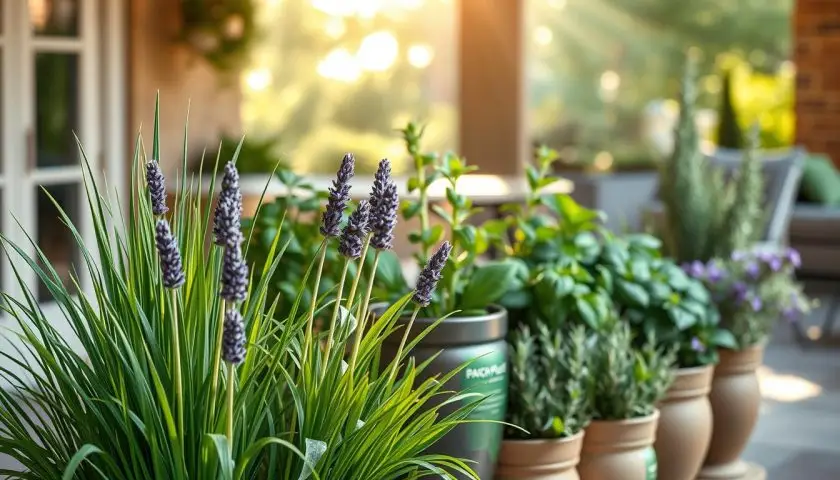
A good container setup matters as much as the plant list. Healthy plants produce stronger growth, better scent, and more useful foliage. Weak, soggy, or stressed plants will not help your patio much.
Choose Containers With Drainage
Every outdoor pot should have drainage holes. This is especially important for herbs like lavender, rosemary, sage, and thyme, which dislike wet roots.
If you use decorative outer pots, make sure water does not collect inside them after rain. Empty trapped water often. This also helps reduce mosquito breeding spots.
For container basics, use the best plants for container gardening on patios and how to keep outdoor plants alive.
Use the Right Potting Mix
Do not use heavy garden soil in patio containers. It compacts, drains poorly, and can make roots struggle. Use a suitable outdoor potting mix, then adjust it for the plant.
Lavender, rosemary, thyme, sage, and eucalyptus need freer drainage. Basil, mint, lemon balm, marigolds, and bee balm prefer more consistent moisture.
If you want to improve your soil knowledge, read best soil mix for every type of plant and how to repot a plant.
Group Plants by Water Needs
Do not put lavender and mint in the same small pot. Lavender likes drier soil, while mint likes more moisture. They can both be useful mosquito-free patio plants, but they should not always share a container.
Group dry-loving plants together: lavender, rosemary, sage, thyme, and eucalyptus. Group moisture-loving herbs together: mint, lemon balm, basil, and bee balm. Marigolds are flexible and can work in many mixed pots.
Place Fragrant Pots Near People
Place plants where people sit, walk, and reach. A pot of basil across the garden will not help your patio table much. Put fragrant containers near chairs, railings, table edges, doorways, and porch steps.
For a stronger natural layout, use plants in layers. Tall plants at the back, medium herbs beside chairs, and smaller pots on tables or steps. This makes the space look intentional and keeps scent close to activity zones.
Prune Often
Many patio mosquito repellent plants work better when they are pruned, brushed, or harvested. Regular trimming encourages fresh growth and releases scent.
Pinch basil, mint, lemon balm, thyme, and scented geraniums. Trim rosemary, lavender, sage, and eucalyptus lightly to keep their shape. Deadhead marigolds and bee balm for more flowers.
Natural Ways to Keep Mosquitoes Away From a Patio
Plants are helpful, but they are only one part of the plan. The most effective natural ways to keep mosquitoes away include making your patio less attractive to mosquitoes in the first place.
Remove Standing Water
Mosquitoes breed in stagnant water. Check plant saucers, buckets, watering cans, bird baths, tarps, toys, and blocked drains. Even small amounts of water can become a problem.
If you use saucers under patio pots, empty them after watering or rain. This is one of the simplest ways to reduce mosquitoes around containers.
Keep Plant Saucers Clean
Plant saucers are easy to forget. They catch water, soil, leaves, and algae, making them attractive to pests. Empty and rinse saucers regularly.
If a plant needs extra moisture, use a better watering routine rather than letting water sit permanently beneath the pot.
Improve Airflow
Mosquitoes prefer still, sheltered spots. Keep seating areas tidy, avoid dense clutter, and trim overgrown plants around patios and decks.
Good airflow also helps plant health. It reduces mildew, rot, and pest problems in crowded containers.
Use Outdoor Lighting Carefully
Bright lights can attract flying insects around seating areas. Use warm, soft lighting where possible and keep lights away from where people sit.
Keep Containers Healthy
Stressed plants attract more problems. Water correctly, prune regularly, remove dead leaves, and refresh tired potting mix when needed.
For plant troubleshooting, read leaf curl, browning, and droop, why plant leaves turn yellow, and how to revive a dying plant.
Patio Planting Combinations That Look Good and Help With Mosquito Control
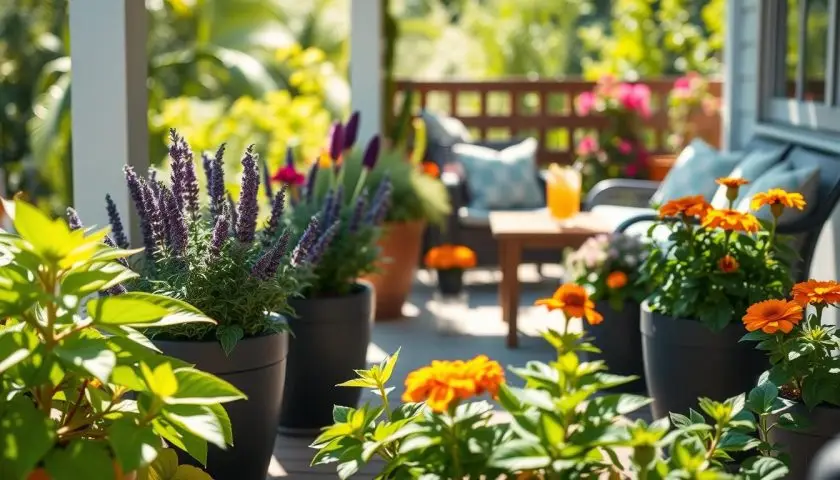
Instead of placing random pots around the patio, build small plant groups. This looks better and makes care easier.
Sunny Herb Trio
Use rosemary, lavender, and thyme in separate pots or a large trough with excellent drainage. This group suits hot, sunny patios and needs less water than softer herbs.
Outdoor Dining Set
Place basil, mint, lemon balm, and marigolds near outdoor dining spaces. Keep mint and lemon balm in separate pots so they do not take over.
Deck Corner Group
Use citronella grass or lemongrass as the tall feature, then place rosemary, lavender, and marigolds around it. This creates height, scent, and colour.
Porch Step Planters
Use smaller pots of thyme, basil, scented geranium, and marigolds on sunny porch steps. Keep the layout safe so pots do not block walking space.
Pollinator-Friendly Patio
Use lavender, bee balm, marigolds, thyme, and native flowering plants. This supports beneficial insects while keeping the space colourful. For more ideas, read pollinator-friendly plants and native plants that thrive in your region.
Common Mistakes With Mosquito Repellent Patio Plants
Expecting Plants to Work Like Spray
This is the biggest mistake. Mosquito repellent plants for patio containers can support your outdoor setup, but they are not the same as applying a tested repellent to exposed skin.
Use plants for scent, atmosphere, and layered prevention. Use other mosquito-control methods when bites are heavy.
Leaving Water in Saucers
A patio full of mosquito repellent plants can still attract mosquitoes if every pot sits in standing water. Empty saucers often and avoid waterlogged containers.
Choosing the Wrong Plant for the Light
Lavender, rosemary, thyme, sage, citronella grass, and lemongrass need sun. If your patio is shady, they may become weak. In partial shade, try mint, lemon balm, or bee balm instead.
For shade-related choices, read shade-loving outdoor plants and outdoor plants that survive British winters.
Overcrowding Containers
Too many plants in one pot compete for water, nutrients, and airflow. Crowded herbs also become harder to prune. Give each plant enough room to grow.
Using Pots Without Drainage
Decorative pots without holes are risky outdoors. Rain can fill them quickly, drowning roots and creating stagnant water. Use drainage holes or grow in a nursery pot inside a decorative outer pot that can be emptied.
Forgetting to Prune Herbs
Basil, mint, lemon balm, thyme, rosemary, and scented geraniums grow better when trimmed. Pruning keeps them fresh, bushy, and fragrant.
Care Tips for Patio Mosquito Repellent Plants
Water by Plant Type
Dry-loving herbs like lavender, rosemary, thyme, sage, and eucalyptus prefer careful watering. Let the soil dry slightly before watering again. Softer herbs like basil, mint, and lemon balm need more consistent moisture.
If you struggle with watering, use complete watering guide, worst times to water plants, and signs you are overwatering.
Feed Lightly
Most herbs do not need heavy feeding. Too much fertilizer can create soft growth with weaker scent. Use a gentle feed when plants are actively growing, and avoid overdoing it.
For feeding basics, read fertilizing indoor vs outdoor plants.
Deadhead Flowering Plants
Marigolds, lavender, bee balm, and other flowering plants often look better when spent blooms are removed. Deadheading can also encourage more flowers.
Refresh Tired Pots
Container plants use up nutrients and space over time. If growth slows, roots are crowded, or water runs straight through the pot, refresh the mix or move the plant into a larger container.
For repotting help, use how to repot a plant and repotting mistakes to avoid.
Watch for Pests
Even pest-repellent plants can get aphids, mites, mildew, or root problems if stressed. Check new growth, undersides of leaves, and crowded stems.
For more pest help, read how to keep pests away from outdoor plants.
Expert Tips from Sawera Shahid
Use mosquito repellent patio plants close to people, not tucked away in a forgotten corner. A pot of basil, mint, or lemon balm near the table is more useful than the same plant at the far edge of the garden.
Do not mix plants only because they are all called mosquito repellent. Lavender and mint have very different watering needs. Rosemary and basil can share sun, but basil needs more moisture. Good container design starts with matching care needs.
Also, keep your expectations realistic. Plants make a patio feel fresher and can support a natural pest strategy, but standing water control is still essential. Empty saucers, clean containers, and remove stagnant water before blaming the plants.
Finally, connect this support article back to your main plants that repel mosquitoes guide so Google understands the cluster clearly.
Helpful PATCH Guides for Patio, Pest, and Outdoor Plant Care
Use these guides to build a stronger patio plant setup. The most important links are included naturally above, and this section gives readers a clear path to related help.
Mosquito, Pest, and Bug-Repellent Guides
- Mosquito repellent plants
- How to keep pests away from outdoor plants
- Plants that keep bugs away naturally
- Wildlife-friendly garden guide
- Pollinator-friendly plants for urban spaces
- Native plants that thrive in your region
Patio, Balcony, and Container Gardening
- Best plants for container gardening on patios
- Best plants for small outdoor spaces
- Year-round balcony plants
- Best low-maintenance outdoor plants
- How to keep outdoor plants alive
- Hardy outdoor plants
- Hardy plants for minimal watering
- Outdoor plants that survive British winters
- Coastal and windy outdoor plants
- Top drought-resistant plants
- Plants for storms and heatwaves
- Shade-loving outdoor plants
Outdoor Plant Planning and Seasonal Guides
- Outdoor Plants hub
- Plant Care hub
- Garden calendar
- Seasonal plant care in autumn
- Create a colourful garden for all seasons
- Outdoor garden colour themes
- Plants that bloom at night
- Edible flowers to grow outdoors
- Easiest outdoor edible plants for beginners
Core Plant Care Guides
- Complete watering guide
- Worst times to water plants
- Signs you are overwatering
- Root rot guide
- How to revive a dying plant
- Leaf curl, browning, and droop
- Why plant leaves turn yellow
- How to clean plant leaves
- Best soil mix guide
- Repotting mistakes to avoid
- How to repot a plant
- Fertilizing indoor vs outdoor plants
- Pruning basics
- Self-watering pots guide
Indoor Plant Guides Readers May Also Like
- Indoor Plants hub
- Best indoor plants for beginners
- Best indoor plants for first-time plant parents
- Best indoor plants for tiny apartments
- Low light house plants
- Best bathroom plants
- 35 low-maintenance plants
- Air-purifying indoor plants
- Blooming indoor plants
- Colorful foliage indoor plants
- Rare houseplants
- Unusual indoor plants
Specific Plant Care Guides
- Snake plant care guide
- ZZ plant care guide
- Pothos plant care guide
- Philodendron care guide
- Monstera plant care guide
- Hoya plant care guide
- Orchid care guide
- Anthurium care guide
- Calathea care guide
- Peace lily care guide
- Boston fern care guide
- Bird of paradise care guide
- Rubber plant care guide
- Fiddle leaf fig care guide
- Spider plant care guide
- Dracaena care guide
- Jade plant care guide
- African violet care guide
- String of pearls care
- Succulent care guide
- Cactus care guide
Indoor Styling Guides for Plant Lovers
- How to style indoor plants by room
- Bedroom plants for style and calm
- Indoor jungle without overcrowding
- Trailing plants for shelves
- Low-light hanging plants
- Indoor plants that smell amazing
- Best office plants
- Office-friendly plants for fluorescent lighting
- Improve home office with plants
- Oversized indoor plants
- Indoor gardening systems
Seasonal and Decorative Plant Guides
- Christmas plant ideas
- Christmas cactus care guide
- Money tree care guide
- Moss pole for plants
- Indoor plant with orange flowers
- Carnivorous plant terrarium setup guide
- PATCH Plants homepage
- PATCH Plants blog
Frequently Asked Questions
What are the best mosquito repellent plants for patio pots?
The best mosquito repellent plants for patio pots include citronella grass, lemongrass, lavender, rosemary, basil, mint, lemon balm, marigolds, sage, thyme, catnip, scented geranium, bee balm, eucalyptus, and lemon verbena.
Do patio mosquito repellent plants stop mosquitoes completely?
No. Patio mosquito repellent plants can support a natural pest-control plan, but they do not stop mosquitoes completely. Use them with standing-water removal, clean containers, airflow, and personal protection when needed.
Where should I place patio plants that repel mosquitoes?
Place them close to where people sit, walk, and eat. Good spots include patio tables, porch steps, deck corners, doorways, outdoor kitchens, and seating areas.
What are the best mosquito repellent herbs for outdoor patio spaces?
The best mosquito repellent herbs for outdoor patio spaces include basil, rosemary, mint, lemon balm, sage, thyme, catnip, and lemon verbena. Many of these herbs are also useful for cooking.
Can mosquito repellent plants grow on a porch?
Yes. Mosquito repellent plants for porch pots can grow well if the light is right. Sunny porches suit lavender, rosemary, basil, sage, thyme, and marigolds. Partly shaded porches may suit mint and lemon balm better.
What are the best plants for repelling mosquitoes on patio areas with limited space?
For small patios, choose compact herbs and flowers such as basil, mint, thyme, lemon balm, marigolds, scented geranium, and lavender. Keep vigorous plants like mint in their own pots.
Are there mosquito repellent flowers for patio containers?
Yes. Lavender, marigolds, bee balm, and scented geraniums are useful flowering choices for patio containers. They add colour and fragrance while supporting a layered mosquito-control setup.
Do mosquito repellent plants need full sun?
Many do. Lavender, rosemary, thyme, sage, citronella grass, lemongrass, and marigolds prefer sun. Mint, lemon balm, and bee balm can tolerate a little more shade.
What is the biggest mistake with mosquito repellent patio plants?
The biggest mistake is leaving standing water in saucers or containers. This can create mosquito breeding spots, even if the plants themselves are meant to help with mosquito control.
Final Thoughts
Mosquito repellent plants for patio pots can make outdoor spaces smell better, look better, and feel more intentional. The best results come from combining fragrant plants with smart placement, healthy containers, regular pruning, and clean patio habits.
UF/IFAS Extension explains that plants like citronella, mint, basil, lavender, eucalyptus, and marigolds contain oils that can deter mosquitoes, but those compounds are most useful when extracted or used in concentrated forms, and standing water removal remains one of the most important home mosquito-control steps: UF/IFAS mosquito-repelling plants guide.
Start with a few easy pots near your seating area: basil, rosemary, lavender, mint, marigolds, or lemongrass. Then build from there. A mosquito-free patio is not about one miracle plant. It is about the right mix of plants, care, and prevention.
Final Recap
The best mosquito repellent plants for patio pots include citronella grass, lemongrass, lavender, rosemary, basil, mint, lemon balm, marigolds, sage, thyme, catnip, scented geranium, bee balm, eucalyptus, and lemon verbena. Place these plants close to seating areas, deck corners, porch steps, and outdoor dining spaces. Use containers with drainage, group plants by water needs, prune herbs regularly, and remove standing water from saucers and nearby objects. For SEO structure, keep this post as a support article and link it back to the main mosquito repellent plants guide.