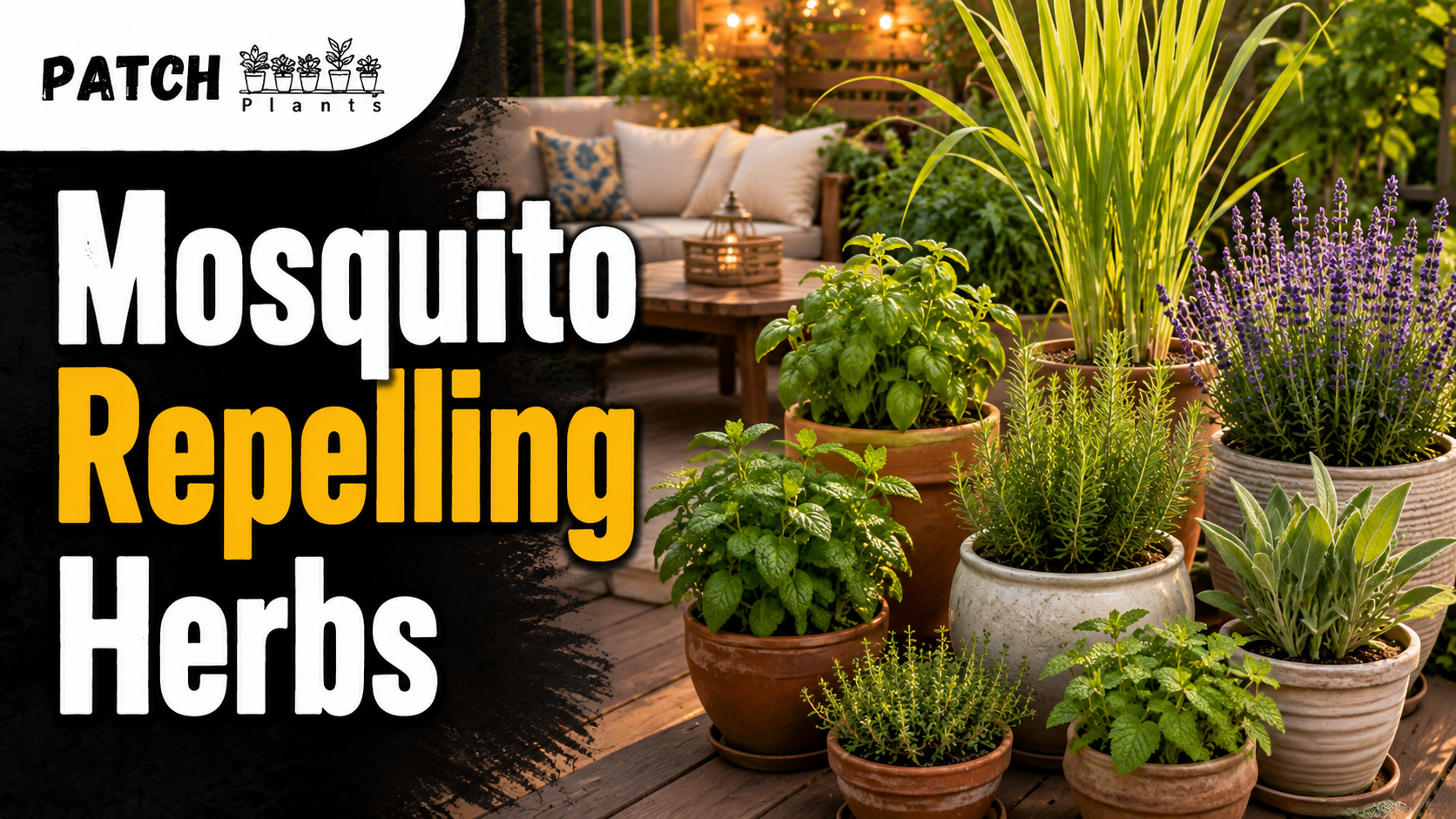
Herbs that keep mosquitoes away are popular with gardeners who want a fragrant patio, a useful kitchen herb collection, and fewer unwanted insects around outdoor seating. Citronella grass, lemongrass, mint, basil, rosemary, lavender, and several other aromatic plants contain natural compounds that have attracted scientific interest for their potential effects on mosquitoes.
There is one important detail many gardening guides miss: a living herb in a pot does not provide reliable protection from mosquito bites simply because it smells pleasant. Although certain plant extracts show repellent activity under specific conditions, the concentration and delivery of those compounds matter. Growing aromatic herbs and using a tested skin repellent are two very different things.
This guide compares 13 fragrant herbs commonly associated with mosquito control, explains what research actually supports, and shows how to grow them successfully. You will also learn which herbs suit sunny patios or partially shaded porches, how to build an attractive container arrangement, and which prevention methods genuinely help reduce mosquito problems.
What Are the Best Herbs That Keep Mosquitoes Away?
The 13 herbs most commonly associated with mosquito-repelling compounds are citronella grass, lemongrass, lemon balm, mint, peppermint, basil, rosemary, lavender, sage, thyme, catnip, lemon thyme, and garlic chives. These aromatic plants are excellent choices for a fragrant herb garden, but their presence alone has not been shown to provide dependable protection against mosquito bites.
Some of their essential oils or isolated compounds have been investigated for insect-repellent properties. However, results from laboratory testing, extracts, or professionally formulated products should not be interpreted as proof that an ordinary patio plant will keep mosquitoes away.
For personal protection, the Centers for Disease Control and Prevention (CDC) recommends properly used EPA-registered insect repellents in the United States, along with measures such as protective clothing, screened windows, and removing standing water.
Use herbs primarily for fragrance, cooking, attractive foliage, pollinator-friendly planting, and outdoor decoration. For a broader plant selection, explore our mosquito repellent plants guide.
Key Takeaways
- Herbs that keep mosquitoes away is a popular gardening topic, but no ordinary arrangement of potted herbs should be relied upon for dependable mosquito-bite protection.
- Citronella grass, lemongrass, basil, mint, lavender, rosemary, catnip, and several other herbs contain aromatic compounds studied for insect-related effects.
- Plant extracts and formulated repellents are different from living plants, even when they share similar fragrances.
- Placing pots around outdoor seating may create a pleasant aromatic garden, but proximity does not guarantee fewer mosquito bites.
- Use EPA-registered skin repellents according to their labels when reliable protection is needed in the United States.
- Remove or manage standing water because mosquitoes use water-filled containers for breeding.
- Mint, peppermint, lemon balm, and catnip can spread vigorously; containers help keep them controlled.
- Grow rosemary, lavender, thyme, sage, citronella grass, and lemongrass in appropriately sunny conditions.
- Basil and mint usually need more frequent moisture checks than established rosemary or lavender.
- Avoid homemade essential-oil sprays or rubbing concentrated plant extracts onto the skin without reliable safety and effectiveness information.
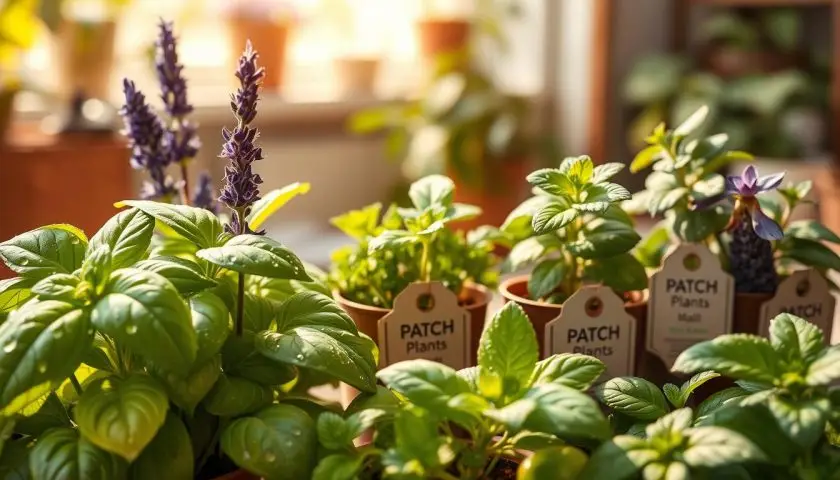
Do Mosquito-Repelling Herbs Actually Work?
Some herbs contain volatile organic compounds responsible for their distinctive scents. Depending on the plant, these may include citronellal, citronellol, geraniol, menthol, linalool, or other aromatic constituents.
Researchers have investigated certain plant-derived substances for their ability to influence mosquito behaviour. However, effects depend on factors such as concentration, formulation, mosquito species, testing conditions, and duration of exposure.
A living plant releases a different amount of scent than a formulated repellent. Even if you can smell a herb, that does not establish that it is producing enough of a particular compound to prevent mosquitoes from landing and biting.
The Difference Between a Living Herb and a Repellent
The University of Florida Institute of Food and Agricultural Sciences explains that many plants contain compounds associated with mosquito repellency, but simply growing the plants nearby is not an effective substitute for proven mosquito protection.
Read the UF/IFAS explanation of the myth of mosquito-repelling plants for more detail.
The important distinctions are:
- Living plant: Produces natural fragrances but has no established protective duration against mosquito bites.
- Crushed leaves: May release additional aromatic compounds but do not become a standardized or proven skin repellent.
- Essential oil: Contains concentrated substances, but effectiveness and skin safety depend on the oil and formulation.
- Registered repellent: Has undergone regulatory review for its labelled use and provides a more dependable basis for protection.
Why Smelling Strong Is Not Enough
Mosquitoes use several cues to locate people, including carbon dioxide, body heat, and chemical signals from the skin.
Some repellent ingredients interfere with mosquito host-seeking behaviour. However, a strong smell to a human does not automatically mean a substance will provide effective mosquito protection.
Consequently, gardeners should distinguish between growing a pleasantly scented plant and using a repellent that has been evaluated for preventing bites.
What About Citronella and Lemon Eucalyptus?
Citronella oil and oil of lemon eucalyptus are sometimes confused with citronella grass or ordinary lemon-scented plants.
These are not interchangeable. A formulated repellent containing an evaluated active ingredient is different from a potted plant, fresh leaves, or a homemade essential-oil mixture.
The CDC lists oil of lemon eucalyptus (OLE) and para-menthane-diol (PMD) among certain EPA-registered repellent ingredients. It advises against OLE or PMD products for children younger than three years old.
Do not treat pure lemon eucalyptus essential oil as equivalent to a registered OLE repellent.
Quick Comparison: 13 Aromatic Herbs for Patio Gardens
Use this table to compare growing requirements and ornamental value. None of these herbs should be considered a substitute for a tested mosquito repellent merely because it is growing nearby.
| Herb | Botanical Name | Best Light | Best Use |
|---|---|---|---|
| 1. Citronella Grass | Cymbopogon nardus or C. winterianus | Full sun | Tall aromatic patio feature |
| 2. Lemongrass | Cymbopogon citratus | Full sun | Culinary herb and container feature |
| 3. Lemon Balm | Melissa officinalis | Sun to partial shade | Lemon-scented foliage |
| 4. Mint | Mentha species | Sun to partial shade | Containers and kitchen harvesting |
| 5. Peppermint | Mentha × piperita | Sun to partial shade | Fragrant culinary leaves |
| 6. Basil | Ocimum basilicum | Full sun | Warm-season kitchen herb |
| 7. Rosemary | Salvia rosmarinus | Full sun | Evergreen culinary shrub |
| 8. Lavender | Lavandula species | Full sun | Flowers and fragrance |
| 9. Sage | Salvia officinalis | Full sun | Edible foliage and texture |
| 10. Thyme | Thymus vulgaris | Full sun | Compact herb pots and borders |
| 11. Catnip | Nepeta cataria | Sun to partial shade | Wildlife-interest herb |
| 12. Lemon Thyme | Thymus × citriodorus | Full sun to light shade | Small citrus-scented planters |
| 13. Garlic Chives | Allium tuberosum | Sun to partial shade | Edible leaves and flowers |
Important: These recommendations describe how to grow attractive aromatic herbs. Their relative position in the table does not represent scientifically proven mosquito-repellent effectiveness.
13 Best Herbs Commonly Associated With Mosquito Repellency
The following 13 plants are worth considering for fragrance, culinary use, and patio planting. Each also appears in discussions about natural mosquito repellents, although the evidence supporting passive protection from the living plants is insufficient.
1. Citronella Grass: Best for a Large Fragrant Patio Feature
Botanical name: Cymbopogon nardus or Cymbopogon winterianus.
Citronella grass is among the plants most closely associated with mosquito repellents because certain Cymbopogon species are cultivated for aromatic oils.
The plant forms tall clumps of narrow leaves and can add a tropical appearance to sunny patios. It is especially useful where a gardener has enough space for a substantial ornamental grass.
However, the presence of a citronella grass plant is not equivalent to applying a registered citronella-containing or other evaluated repellent. The plant’s fragrance should not be treated as a protective barrier around a patio.
Citronella grass can also be confused with lemon-scented Pelargonium plants marketed under similar names. Check the botanical identification when buying.
- Light: Full sun.
- Watering: Regular during active growth, especially in containers.
- Soil: Fertile, well-drained growing medium.
- Container: Large pot with adequate root space.
- Maintenance: Remove damaged leaves and protect from unsuitable cold conditions.
Use citronella grass where its mature height will not obstruct paths or seating. For complementary ideas, visit our mosquito repellent plants for patio guide.
2. Lemongrass: Best for Sunny Outdoor Kitchens
Botanical name: Cymbopogon citratus.
Lemongrass is a tropical aromatic grass valued for its lemon-flavoured stalks and leaves. It is frequently mentioned in natural mosquito-control discussions because related plant compounds have been investigated for repellent activity.
For gardeners, its strongest everyday benefits are culinary use, distinctive foliage, and warm-season ornamental appeal.
Lemongrass generally needs abundant sunlight, warmth, a suitable growing medium, and regular watering during active growth. It can become a large plant, so a deep container is more practical than a small decorative pot.
In colder climates, lemongrass may need to be brought indoors or grown seasonally.
- Light: Full sun.
- Watering: Consistent moisture without waterlogging.
- Soil: Fertile, well-drained soil or compost.
- Container: Deep, roomy pot.
- Maintenance: Harvest mature stalks and protect from frost.
Lemongrass is a useful option for an edible patio arrangement. Read our easy outdoor edible plants guide for more growing ideas.
3. Lemon Balm: Best for Fragrant Partial-Shade Containers
Botanical name: Melissa officinalis.
Lemon balm is a member of the mint family with soft green leaves and a recognizable citrus scent.
It can grow in sunny or partially shaded locations and is often easier to establish in moderate conditions than herbs that require intense sunlight and very dry soil.
Its fragrance makes it a pleasant addition to porches, pathways, herb planters, and seating areas. Nevertheless, there is no good evidence that a nearby pot of lemon balm provides reliable bite prevention.
Lemon balm can self-seed and spread under favourable conditions. Removing flower heads before seed production and growing it in a container can help with control.
- Light: Full sun to partial shade, depending on climate.
- Watering: Moderate; check pots during hot weather.
- Soil: Well-drained soil retaining reasonable moisture.
- Container: Separate pot where spreading is a concern.
- Maintenance: Trim regularly for bushy new growth.
For suitable alternatives in partly shaded areas, see our shade-loving outdoor plants guide.
4. Mint: Best for Easy Kitchen Herb Pots
Botanical group: Mentha species, including spearmint and other garden mints.
Mint is popular for its strong scent, rapid growth, and versatility in food and drinks. It is also among the plants frequently discussed in relation to natural insect-repellent compounds.
Mint grows well in suitable containers and can tolerate partial shade, making it a practical choice for patios that receive only part of the day’s sunlight.
Its main maintenance challenge is aggressive spreading through underground stems. A mint plant that seems manageable in spring can occupy more garden space than expected later in the season.
Growing mint separately is often the easiest way to enjoy its leaves without creating future weeding work.
- Light: Full sun to partial shade.
- Watering: More consistent moisture than Mediterranean herbs.
- Soil: Moist but well-drained growing medium.
- Container: Separate pot with drainage holes.
- Maintenance: Harvest, trim, and divide when necessary.
Mint is best appreciated for its culinary and aromatic value rather than expected mosquito protection.
5. Peppermint: Best for Refreshing Fragrance
Botanical name: Mentha × piperita.
Peppermint has a distinctive menthol-rich scent and is commonly grown for culinary uses, teas, and fragrant foliage.
Menthol and other mint-derived compounds are found in insect-related research, but that should not be interpreted as proof that a living peppermint plant repels mosquitoes effectively.
Like other mints, peppermint can spread readily. It is usually easier to manage in a container where the root system is restricted.
Peppermint benefits from suitable moisture during active growth and may lose quality when exposed to prolonged severe drought.
- Light: Sun to partial shade.
- Watering: Keep appropriately moist, not waterlogged.
- Soil: Fertile, free-draining compost.
- Container: Separate pot.
- Maintenance: Harvest regularly and remove tired stems.
Peppermint is a useful companion for a kitchen herb collection, but mosquito protection still requires established prevention measures.
6. Basil: Best for Warm-Season Patio Dining
Botanical name: Ocimum basilicum.
Basil is a warm-season herb that combines edible leaves, attractive foliage, and a strong fragrance.
Some varieties have sweet, spicy, citrus-like, or clove-like scents, depending on their aromatic constituents.
Basil is often included in lists of herbs that keep mosquitoes away because certain extracts have been studied for insect-related activity. However, simply placing basil next to a dining table should not be expected to prevent bites.
Its strongest practical advantage is being available for frequent kitchen harvesting.
- Light: Full sun or abundant bright light.
- Watering: Regular moisture checks during warm weather.
- Soil: Fertile, well-drained growing medium.
- Container: Medium or larger pot suited to plant size.
- Maintenance: Pinch growing tips and harvest regularly.
Basil is sensitive to cold, so protect it when temperatures drop below those suitable for active growth.
For indoor growing, our indoor lighting guide explains why a bright position is important.
7. Rosemary: Best for Sunny, Well-Drained Patios
Botanical name: Salvia rosmarinus, formerly Rosmarinus officinalis.
Rosemary is an evergreen herb with narrow, strongly aromatic leaves and a naturally shrubby growth habit.
It is particularly useful in sunny containers, herb gardens, and Mediterranean-inspired outdoor designs.
Rosemary contains aromatic compounds that have been investigated in various insect-related applications, but a rosemary shrub should not be used as a substitute for an evaluated repellent.
Once established in suitable conditions, rosemary generally tolerates some dry periods. Its roots are more likely to suffer in persistently wet, poorly drained soil.
- Light: Full sun.
- Watering: Allow appropriate drying between watering.
- Soil: Free-draining soil or container compost.
- Container: Pot with reliable drainage.
- Maintenance: Light shaping and removal of damaged growth.
Rosemary is also an excellent addition to a low-water herb garden. Explore our low-maintenance outdoor plants guide for compatible planting ideas.
8. Lavender: Best for Flowers and Fragrance
Botanical group: Lavandula species, including Lavandula angustifolia.
Lavender is admired for its colourful flowers, silvery foliage, and recognizable fragrance.
It is commonly described as a natural mosquito repellent because lavender-derived compounds have been investigated for insect-repellent activity.
That does not mean flowering lavender can reliably prevent bites around a seating area.
Lavender’s more dependable gardening benefits are ornamental appeal, fragrance, and its value to visiting pollinators.
It performs best when sunlight and drainage suit the selected species. In excessively wet soil or unsuitable high humidity, plants may decline even when watered carefully.
- Light: Full sun.
- Watering: Moderate during establishment; lower later in suitable soil.
- Soil: Well-drained and generally not excessively rich.
- Container: Pot with generous drainage.
- Maintenance: Appropriate seasonal trimming and removal of damaged growth.
For additional flowering companions, visit our pollinator-friendly plants guide.
9. Sage: Best for Aromatic Foliage
Botanical name: Salvia officinalis.
Culinary sage has soft grey-green leaves with a strong, distinctive aroma.
It is useful in herb gardens where a gardener wants edible foliage, attractive texture, and a plant that can tolerate relatively dry conditions once established.
Like several aromatic herbs, sage contains substances examined in research involving insects, but a growing sage plant is not an established mosquito-control method.
Sage generally prefers abundant sunlight and well-drained soil. Heavy watering and persistent moisture can create problems, especially in containers.
- Light: Full sun.
- Watering: Moderate to low, depending on establishment and weather.
- Soil: Well-drained soil.
- Container: Medium pot or suitable herb bed.
- Maintenance: Light pruning and removal of tired stems.
Plant sage near rosemary and thyme when their growing conditions are compatible, but provide enough room for each species to mature.
10. Thyme: Best for Small Patio Containers
Botanical name: Thymus vulgaris.
Thyme is a compact culinary herb with small aromatic leaves and a naturally low growth habit.
It suits sunny troughs, herb planters, rock gardens, and narrow border edges.
Thyme-derived compounds, including thymol, occur in research on plant-based pest management. However, the performance of concentrated compounds should not be confused with the effects of an ordinary growing plant.
Thyme generally needs less root-zone moisture than mint or basil and performs poorly in persistently wet compost.
- Light: Full sun.
- Watering: Relatively low once established.
- Soil: Free-draining soil or compost.
- Container: Small or medium trough with adequate drainage.
- Maintenance: Trim lightly and prevent overcrowding.
For low-effort garden planning, see our hardy outdoor plants guide.
11. Catnip: Best for an Interesting Wildlife Herb Garden
Botanical name: Nepeta cataria.
Catnip is a mint-family herb known for its strong aroma and the response its foliage can trigger in some cats.
It contains nepetalactone, a compound investigated in research involving mosquitoes and other insects.
Although certain experimental results are interesting, an ordinary pot of catnip does not provide reliable personal protection against mosquito bites.
Catnip is useful for gardeners who enjoy unusual aromatic plants and are comfortable managing its growth.
- Light: Full sun to partial shade.
- Watering: Moderate during establishment.
- Soil: Generally well-drained soil.
- Container: Separate pot where spreading is a concern.
- Maintenance: Trim flowering stems and remove unwanted seedlings.
Some cats may chew, roll in, or damage catnip plants. Choose a location with this in mind.
Read our cat-friendly plant guide for broader household plant-planning considerations.
12. Lemon Thyme: Best for Citrus-Scented Small Spaces
Botanical name: Thymus × citriodorus.
Lemon thyme is a compact aromatic herb with foliage that releases a citrus-like scent when handled.
It provides an attractive option for gardeners who want a small culinary herb for sunny steps, herb troughs, or raised planters.
Its essential-oil composition is of interest in aromatic-plant research, but planting lemon thyme should not be presented as a proven mosquito barrier.
Lemon thyme usually prefers well-drained soil and sufficient light. Extended periods in poorly drained compost can cause problems.
- Light: Full sun to light partial shade.
- Watering: Avoid prolonged saturation.
- Soil: Well-drained soil.
- Container: Small pot or herb trough.
- Maintenance: Trim gently to encourage compact growth.
It combines nicely with other compact culinary herbs, provided their soil and watering needs are compatible.
13. Garlic Chives: Best for Edible Borders
Botanical name: Allium tuberosum.
Garlic chives produce slender edible leaves with a mild garlic-like flavour and clusters of small white flowers.
They are sometimes included in natural insect-repellent herb lists because they belong to the aromatic Allium group.
However, evidence is insufficient to claim that growing garlic chives nearby protects people from mosquitoes.
They are better chosen as an edible herb for sunny or partially shaded beds and containers.
Garlic chives can self-seed readily, and they may be invasive in certain areas. Check local planting guidance before allowing them to spread freely.
- Light: Full sun to partial shade.
- Watering: Moderate and consistent during active growth.
- Soil: Fertile, well-drained soil.
- Container: Pot or controlled edible border.
- Maintenance: Harvest leaves and remove flower heads to limit self-seeding.
Pet safety: Garlic chives belong to the Allium group, whose members can be toxic to cats and dogs if eaten. Avoid planting them within reach of pets that chew foliage.
Which Herbs Should You Grow in Different Outdoor Locations?
Choose aromatic herbs according to sunlight, temperature, available space, and water requirements rather than how strongly they are marketed as insect repellents.
Best Herbs for Sunny Patios
For patios receiving substantial direct sunlight, consider rosemary, lavender, sage, thyme, lemon thyme, basil, lemongrass, and citronella grass.
These plants differ in watering requirements. Basil and lemongrass generally need more consistent moisture than established rosemary or lavender.
Use separate pots or group plants with compatible care requirements.
Best Herbs for Partially Shaded Porches
Mint, peppermint, lemon balm, catnip, and garlic chives can be suitable for partial shade, depending on the local climate.
Partial shade means the plants still receive useful light. A dark porch with almost no daylight may be unsuitable for many culinary herbs.
For more ideas, browse our shade plants associated with mosquito repellency, keeping the same distinction between aromatic planting and effective bite protection.
Best Herbs for Balcony Containers
Compact herbs such as thyme, lemon thyme, basil, sage, and rosemary can work well in containers where sunlight and temperature are appropriate.
Use larger pots for taller plants such as lemongrass and citronella grass, and account for wind exposure.
For practical container advice, visit our patio container gardening guide.
Best Herbs for Indoor Windowsills
Basil, mint, peppermint, and lemon balm may grow indoors with adequate light, drainage, and appropriate watering.
However, a windowsill herb should not be expected to keep mosquitoes from entering a room.
Window screens, closing entry points, and removing indoor standing water are more dependable prevention measures.
How to Arrange an Aromatic Herb Garden Around Your Patio
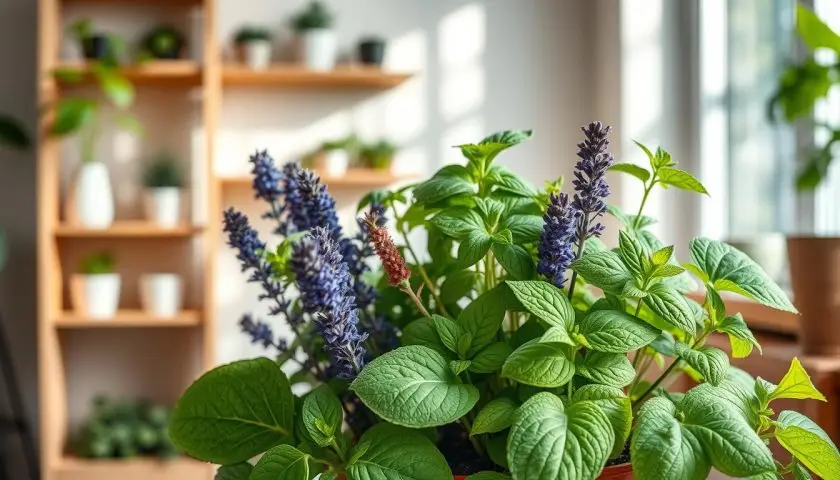
An aromatic herb arrangement can make an outdoor seating area more attractive and convenient for harvesting.
Think of it as a decorative and edible garden rather than a scientifically proven protective ring around your patio.
Use Tall Herbs for Background Structure
Citronella grass and lemongrass can create an attractive taller backdrop in large containers.
Leave enough room for their mature size and avoid blocking pathways or ventilation.
Place Culinary Herbs Within Easy Reach
Basil, mint, rosemary, thyme, and sage are useful near outdoor dining and cooking areas.
Keeping edible plants close to the kitchen can encourage regular harvesting.
However, convenience is the main benefit of this positioning, not a demonstrated reduction in mosquito bites.
Separate Herbs With Different Moisture Needs
Do not automatically combine mint and lavender in the same small planter.
Mint prefers more consistent moisture, while lavender generally requires sharper drainage and may suffer when its roots remain wet.
Rosemary, sage, and thyme are often easier to group because their growing requirements can be relatively similar.
Keep Containers Clean
Containers should have functioning drainage holes.
Empty water from saucers and decorative outer pots instead of allowing it to accumulate.
A fragrant herb garden can unintentionally create mosquito-breeding opportunities if water repeatedly collects beneath the plants.
Step-by-Step: Create a Safer Patio Herb Garden
Step 1: Assess Sunlight and Growing Space
Observe how many hours of direct sunlight each part of your patio receives.
Choose full-sun herbs for bright locations and suitable part-shade herbs for sheltered positions.
Check available room for mature plant growth before buying large varieties.
Step 2: Choose Five Compatible Herbs to Start
You do not need all 13 plants in one small space.
A sunny patio might start with rosemary, lavender, thyme, sage, and basil in separate suitable containers.
For a partially shaded area, consider mint, lemon balm, and appropriate varieties of other shade-tolerant culinary herbs.
Start small, observe how the plants perform, and expand gradually.
Step 3: Select Pots With Drainage
Choose containers with enough room for root development and sufficient drainage holes.
Make sure decorative outer pots do not trap water.
If you use several large containers, the PatchPlants Soil Calculator can help estimate the amount of growing medium needed for your planting project.
Step 4: Use Suitable Potting Mixes
Mediterranean herbs such as rosemary, lavender, sage, and thyme generally benefit from well-drained growing media.
Basil, mint, and lemon balm may require a mixture that retains suitable moisture while still allowing excess water to escape.
Do not assume every herb needs the same compost blend.
Step 5: Establish a Watering Routine
Newly potted herbs need regular moisture checks while their roots establish.
Water according to the plant’s requirements, pot size, and weather conditions rather than using one fixed schedule for every container.
Empty any water left standing in saucers.
Step 6: Harvest and Prune Appropriately
Regular harvesting can keep culinary herbs useful and encourage suitable new growth.
Basil often responds well to pinching growing tips, while mint and lemon balm can benefit from trimming.
Woody herbs need more careful pruning. Avoid cutting deeply into old growth without checking the species’ requirements.
Our pruning basics guide provides additional help.
Step 7: Add Proven Mosquito Prevention
Inspect the patio for standing water, repair nearby screens, and use effective personal protection when mosquitoes are active.
Do not rely on aromatic plants, pruning, or harvesting to provide personal protection from mosquito-borne infections.
How to Care for Aromatic Herbs Throughout the Growing Season
Water According to the Herb
Mint, peppermint, basil, and lemon balm usually benefit from more consistent moisture than rosemary, lavender, and thyme.
However, container size, rainfall, sunlight, and temperature affect how quickly soil dries.
Check the growing medium before watering.
For general advice, read our plant watering guide.
Use Fertilizer Carefully
Most culinary herbs do not need excessive feeding.
Heavy fertilizer use may produce unnecessary growth, while inadequate nutrients in exhausted container media can reduce plant health.
Use a suitable fertilizer when required, following the product instructions and the needs of the species.
Watch for Pests and Diseases
Herbs can develop aphids, spider mites, fungal problems, or other common plant issues.
Inspect new growth and leaf undersides regularly.
If you intend to eat the leaves, only use pest-management products specifically appropriate for edible plants and follow label directions.
For additional support, see our outdoor plant pest-management guide.
Manage Fast-Spreading Plants
Mint, peppermint, lemon balm, and catnip may spread or self-seed under favourable conditions.
Use containers when necessary and remove unwanted seedlings before they become established.
Also check regional guidance for herbs such as garlic chives, which can spread beyond their intended planting area.
Can You Make Homemade Mosquito Repellent From Herbs?
It is possible to extract aromatic substances from herbs, but making a homemade mixture is not the same as producing a tested mosquito repellent.
There are important uncertainties involving ingredient concentration, skin irritation, duration of protection, and effectiveness against different mosquito species.
Why Crushed Leaves Are Not a Reliable Repellent
Crushing a leaf may release more of its aromatic compounds.
However, this does not establish a reliable protective concentration or duration.
Rubbing crushed herbs directly onto skin is not recommended as a dependable mosquito-bite prevention strategy.
Are Essential Oil Sprays Safe?
Concentrated essential oils can irritate skin or cause allergic reactions.
Some are unsafe around pets or children, and homemade dilution instructions do not establish repellent effectiveness.
Do not assume a natural ingredient is automatically harmless.
Use a properly evaluated repellent for personal protection and follow the product label.
What About Herbal Sachets and Scent Bowls?
Dried herbs and scent bowls can be used for decoration or fragrance.
They should not be presented as reliable mosquito-control devices.
If mosquitoes are biting, prioritize protective measures supported by public-health guidance rather than increasing the number of aromatic decorations.
What Actually Helps Keep Mosquitoes Away From Patios?
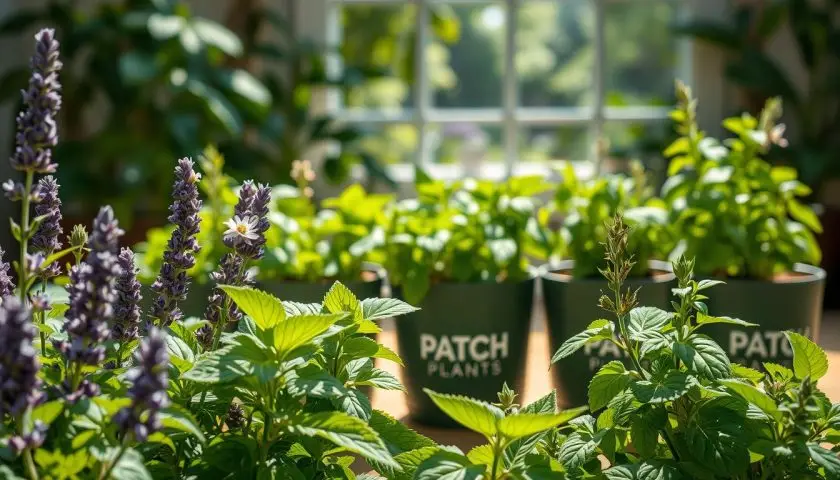
Aromatic planting and effective mosquito prevention are best treated as separate tasks.
You can enjoy a beautiful collection of herbs while taking practical steps to reduce mosquito breeding and prevent bites.
1. Remove Standing Water Every Week
Mosquitoes lay eggs in or near water, and small water-holding containers can contribute to breeding.
The CDC recommends emptying and scrubbing, turning over, covering, or removing items that collect water at least once a week.
Check:
- Plant saucers and decorative outer pots.
- Unused flowerpots and buckets.
- Birdbaths and outdoor pet bowls.
- Blocked gutters and drains.
- Watering cans and uncovered storage containers.
- Tarps, toys, and other objects that collect rainwater.
For the full guidance, read the CDC mosquito-control-at-home recommendations.
2. Use a Registered Skin Repellent
For personal protection, use an appropriate registered mosquito repellent according to its label.
In the United States, CDC-recommended EPA-registered active ingredients include DEET, picaridin, IR3535, oil of lemon eucalyptus, PMD, and 2-undecanone.
These ingredients differ in formulation and suitability. Always check the product label, especially when using repellents on children.
Outside the United States, follow local public-health guidance and product regulations.
3. Use Protective Clothing
Loose-fitting long sleeves and long trousers can reduce exposed skin.
Protective clothing is especially useful when mosquitoes are active and you expect to spend extended periods outdoors.
Follow public-health recommendations for areas where mosquito-borne diseases occur.
4. Maintain Window and Door Screens
Inspect screens for holes and gaps.
Use functioning screens to reduce mosquito entry into the home.
Keeping a pot of basil or mint beside an open window does not provide an equivalent barrier.
5. Consider Air Movement in Outdoor Seating Areas
Outdoor fans can increase comfort and may make mosquito landing more difficult in the area reached by the airflow.
However, fans are a supplementary measure, not a substitute for registered repellent products or standing-water management.
6. Manage Water Features Appropriately
Permanent ponds, fountains, and other water features require suitable maintenance.
Where water cannot be emptied or covered, obtain local advice about appropriate mosquito-larvae management.
Use only products suitable for the intended water feature and follow all label instructions.
Common Herb-Garden Problems and Solutions
| Problem | Possible Cause | Recommended Action |
|---|---|---|
| Mint spreads beyond its pot | Vigorous underground growth | Use a suitable separate container and manage runners |
| Rosemary leaves turn brown | Possible drainage, watering, cold, or root problems | Inspect soil and growing conditions before treating |
| Lavender becomes weak and leggy | Insufficient sun, unsuitable pruning, or growing conditions | Review light and species-specific care |
| Basil wilts repeatedly | Possible dry compost, temperature stress, or root problems | Check moisture and temperature |
| Lemongrass becomes too large | Normal mature growth | Provide a larger container or divide when appropriate |
| Leaves show mildew | Susceptible plant, moisture, or poor air movement | Identify the disease and improve growing conditions |
| Mosquitoes gather near herb pots | Possible standing water nearby | Empty and scrub saucers and other water containers |
| Herbs smell strong but bites continue | Potted herbs are not reliable repellents | Use proven personal protection and habitat management |
Common Mistakes When Growing Mosquito-Associated Herbs
- Assuming aromatic plants prevent bites: Living herbs have not demonstrated reliable personal protection simply by being placed nearby.
- Confusing citronella grass with citronella products: A cultivated grass and a formulated repellent are different.
- Rubbing crushed herbs onto skin: Fresh leaves are not standardized or tested skin repellents.
- Using concentrated essential oils without proper guidance: Skin irritation and other safety problems are possible.
- Leaving water in containers: Saucers and decorative pots can contribute to mosquito breeding.
- Planting vigorous mint-family herbs without boundaries: Several species can spread beyond their intended area.
- Combining herbs with incompatible watering needs: Lavender and mint often require different moisture management.
- Growing sun-loving herbs in deep shade: Poor light can reduce growth and plant health.
- Using too-small containers: Crowded roots and rapid moisture loss can create unnecessary maintenance.
- Ignoring pets: Some herbs and especially concentrated essential oils may be unsafe for animals.
- Overlooking mosquito-borne disease risks: Decorative plants should not replace established bite-prevention measures.
Weekly Patio Herb and Mosquito-Prevention Checklist
| Task | Frequency | Purpose |
|---|---|---|
| Inspect herb moisture | As needed, more often in hot weather | Support healthy growth |
| Check plant saucers | After watering or rainfall | Prevent standing-water accumulation |
| Empty and scrub water-holding containers | At least weekly | Reduce mosquito breeding opportunities |
| Inspect herb leaves | Weekly during active growth | Identify plant pests and disease early |
| Harvest culinary herbs | As needed | Encourage appropriate growth and kitchen use |
| Manage spreading herbs | Regularly during growth | Keep plants in their intended space |
| Inspect door and window screens | Periodically and when damage appears | Reduce mosquito entry indoors |
| Check personal repellent supplies | Before outdoor activities | Maintain access to evaluated bite protection |
Frequently Asked Questions About Herbs That Keep Mosquitoes Away
Do herbs that keep mosquitoes away really work?
Some herbs contain compounds that have shown mosquito-repellent activity under certain experimental conditions, but simply growing the plants nearby does not reliably prevent bites. Potted citronella, mint, basil, or lavender should not replace registered repellents, suitable clothing, screens, or standing-water management.
Which mosquito-associated herbs are best for patio pots?
Good patio herbs include citronella grass, lemongrass, basil, rosemary, lavender, mint, and thyme when their growing conditions are suitable. Choose large containers for tall grasses and separate pots for spreading mints. These plants provide fragrance and ornamental value, not guaranteed mosquito protection.
Which aromatic herbs can grow in partial shade?
Mint, peppermint, lemon balm, catnip, and garlic chives can tolerate partial shade in suitable climates. They still need enough light for healthy growth. Rosemary, lavender, citronella grass, and lemongrass generally prefer brighter, sunnier conditions.
Is citronella grass the same as lemongrass?
No. Citronella grass generally refers to species such as Cymbopogon nardus or Cymbopogon winterianus, while culinary lemongrass is Cymbopogon citratus. They are related aromatic grasses but differ in their traditional uses, characteristics, and cultivation.
What is the safest way to reduce mosquitoes around a herb garden?
Remove or manage standing water, empty and scrub plant saucers at least weekly, maintain window screens, wear protective clothing, and use an appropriate registered skin repellent according to its label. Continue growing herbs for their useful and ornamental qualities without relying on their scent for protection.
Final Thoughts
Herbs that keep mosquitoes away are an appealing idea for anyone planning a fragrant patio or outdoor herb garden. Citronella grass, lemongrass, lemon balm, mint, peppermint, basil, rosemary, lavender, sage, thyme, catnip, lemon thyme, and garlic chives all offer different scents, growing habits, and practical uses.
But it is important to separate the appeal of aromatic planting from mosquito-control claims. Plant-derived compounds can be scientifically interesting without making the living plants reliable repellents.
Choose herbs that genuinely suit your sunlight, soil, temperature, and available space. Enjoy them for culinary harvests, flowers, scent, and decoration. Keep spreading plants contained and prevent water from collecting beneath containers.
For effective mosquito prevention, follow established public-health advice, use appropriate registered repellents when needed, and reduce breeding opportunities around the home.
To continue planning your outdoor space, explore our main mosquito repellent plants guide, patio planting ideas, and wildlife-friendly garden guide.