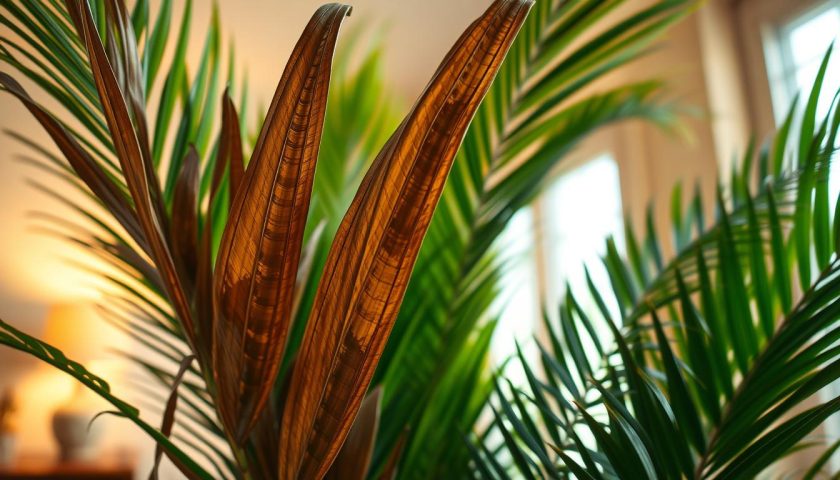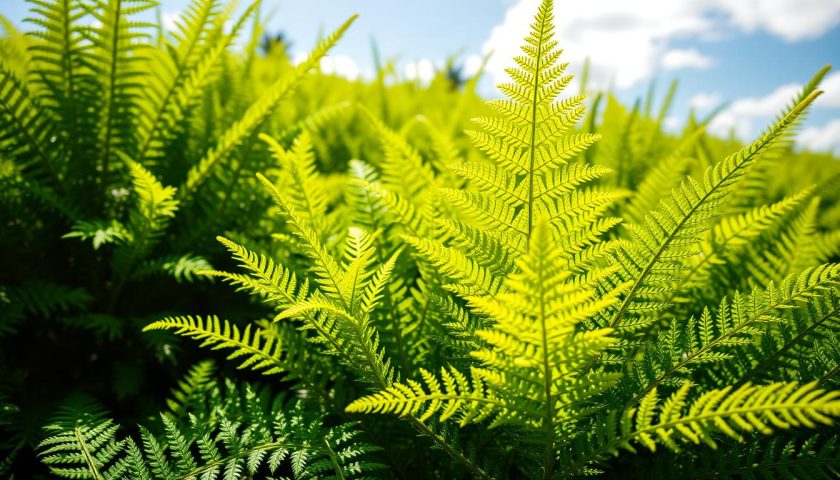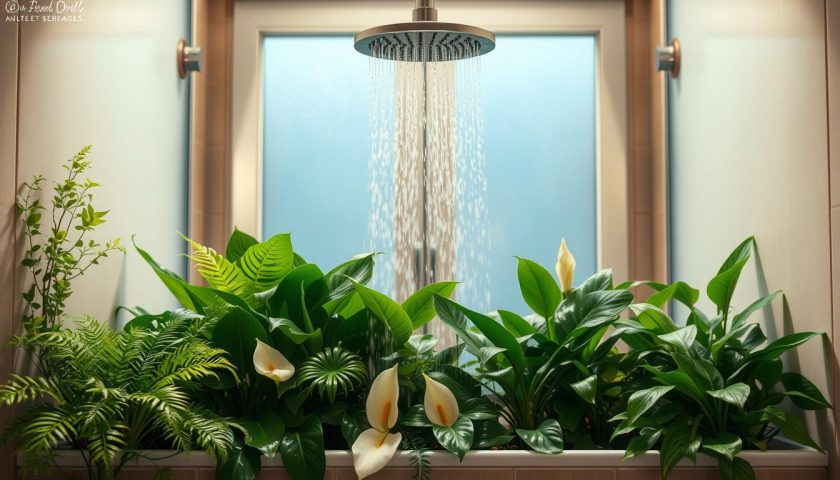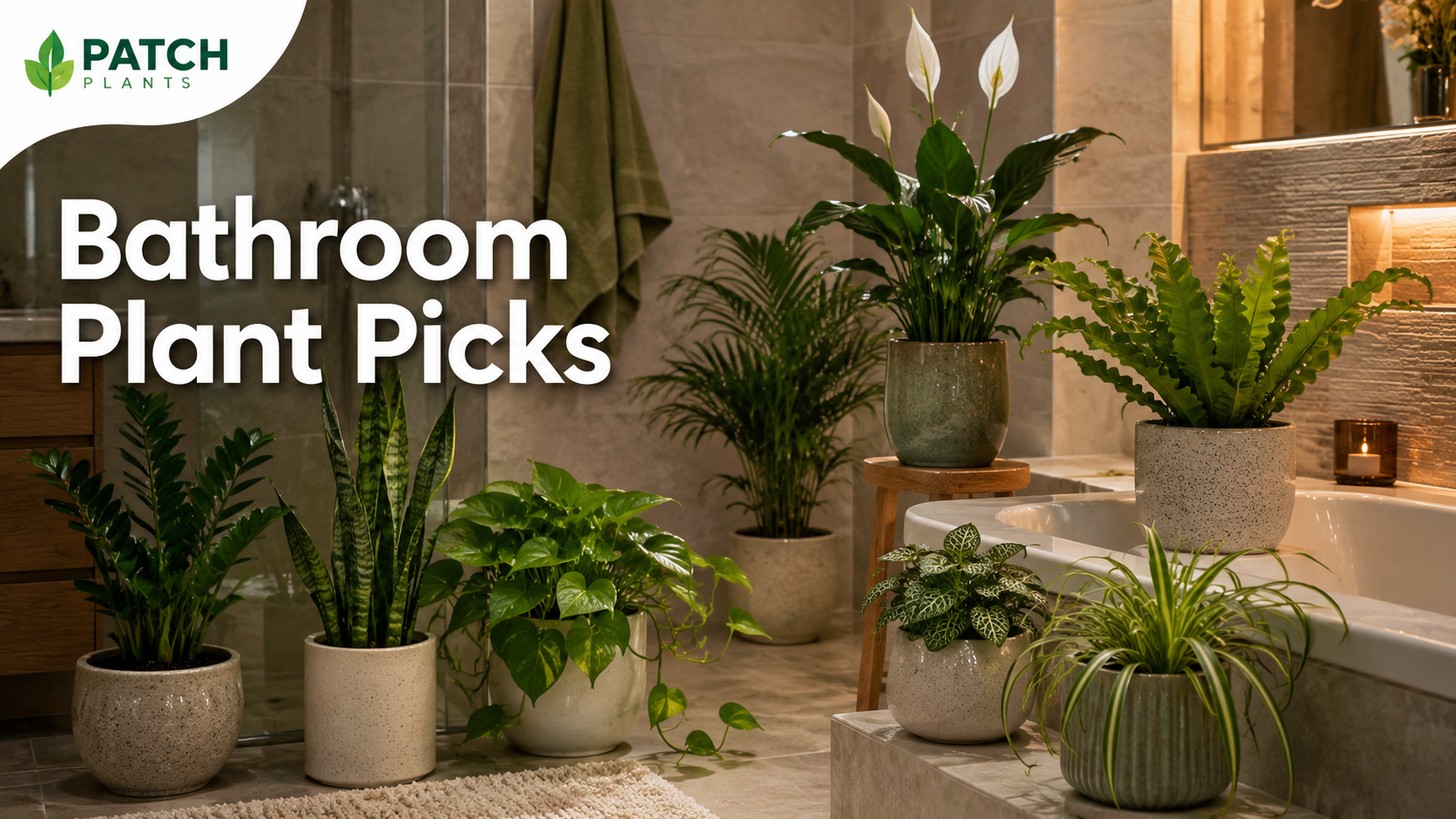
Low light plants for bathroom spaces can make a dull room feel calm, fresh, and lived-in. Bathrooms often have higher humidity than other rooms, which helps many tropical houseplants, but light still matters. A steamy bathroom with no usable light is not enough on its own.
The best bathroom plants are the ones that can handle lower light, moist air, and occasional temperature changes without turning yellow or rotting. Some are tough and low-maintenance, such as ZZ Plant and Snake Plant. Others, such as ferns and Prayer Plant, love humidity but need brighter indirect light to stay full.
Bathroom Light Snapshot
The best low light plants for bathroom include Cast Iron Plant, ZZ Plant, Snake Plant, Golden Pothos, Heartleaf Philodendron, Chinese Evergreen, Peace Lily, Parlor Palm, Bird’s Nest Fern, Boston Fern, Prayer Plant, Fittonia, Baby Rubber Plant, Spider Plant, and Dracaena. Use a grow light in windowless bathrooms, keep pots draining freely, and water only after checking the soil.
Key Takeaways
- Low light plants for bathroom spaces still need usable natural or artificial light.
- Bathrooms with no windows need a grow light if you want plants to survive long term.
- Humidity helps ferns, Prayer Plant, Fittonia, Peace Lily, and Parlor Palm, but it does not replace watering or light.
- ZZ Plant, Snake Plant, Cast Iron Plant, Pothos, and Heartleaf Philodendron are the easiest beginner picks.
- Use pots with drainage holes because humid rooms can slow soil drying.
- Keep plants away from soap splashes, aerosols, cleaners, radiators, and cold drafts.
- Use this guide with best plants for your bathroom, plants for bathroom with no light, and small low light indoor plants.
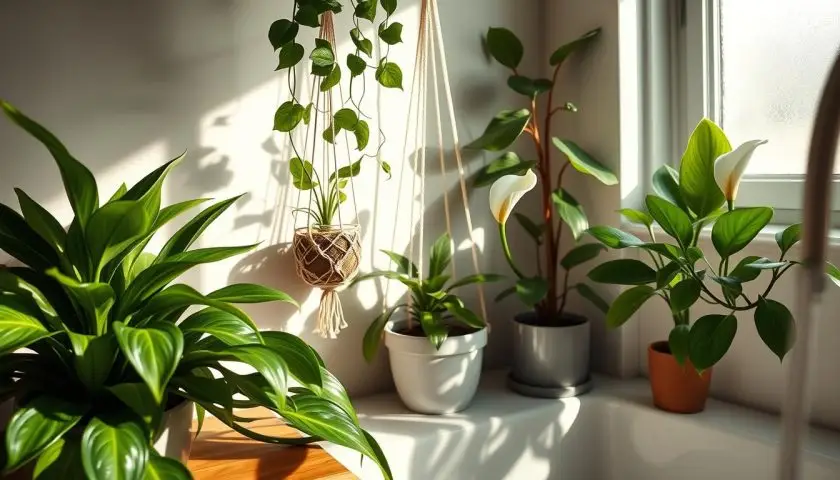
Low Light Bathroom Plants at a Glance
| Plant | Best Bathroom Use | Care Level |
|---|---|---|
| Cast Iron Plant | Dark corners and floor pots | Very easy |
| ZZ Plant | Low-maintenance shelves and counters | Very easy |
| Snake Plant | Narrow bathrooms and upright pots | Very easy |
| Golden Pothos | Hanging baskets and trailing shelves | Easy |
| Heartleaf Philodendron | Trailing bathroom greenery | Easy |
| Chinese Evergreen | Colourful foliage in dim rooms | Easy |
| Peace Lily | Glossy leaves and occasional flowers | Easy to moderate |
| Parlor Palm | Soft tropical texture | Easy to moderate |
| Bird’s Nest Fern | Humidity-loving shelf plant | Moderate |
| Boston Fern | Steamy bright bathrooms | Moderate |
| Prayer Plant | Patterned leaves in humid spaces | Moderate |
| Fittonia | Small humid shelf displays | Moderate |
| Baby Rubber Plant | Compact counters and shelves | Easy |
| Spider Plant | Hanging pots and bright low light spots | Easy |
| Dracaena | Vertical floor plant for narrow spaces | Easy |
Check Your Bathroom Before Choosing Plants
Before buying bathroom plants, check three things: light, airflow, and water access. Humidity is helpful, but it can become a problem if the room is dark, cold, and poorly ventilated.
Look for usable light
A frosted window, small high window, skylight, or bright artificial light can support some low light plants. A bathroom with no window and no bright lamp is not a plant-friendly space without extra lighting.
Notice the humidity pattern
Some bathrooms become humid for a short time after showers, then dry quickly. Others stay damp for hours. Ferns and Fittonia like consistent humidity, while ZZ Plant and Snake Plant prefer roots that dry more between watering.
Check airflow
Good airflow helps prevent mouldy soil, fungal spots, and stale damp conditions. Use the bathroom fan, open a window when possible, and do not crowd plants tightly against tiles or walls.
Watch splash zones
A plant near the sink or shower can receive soap, toothpaste, shampoo, hard water, or cleaning spray. Put plants close enough to enjoy humidity, but not where leaves are constantly splashed.
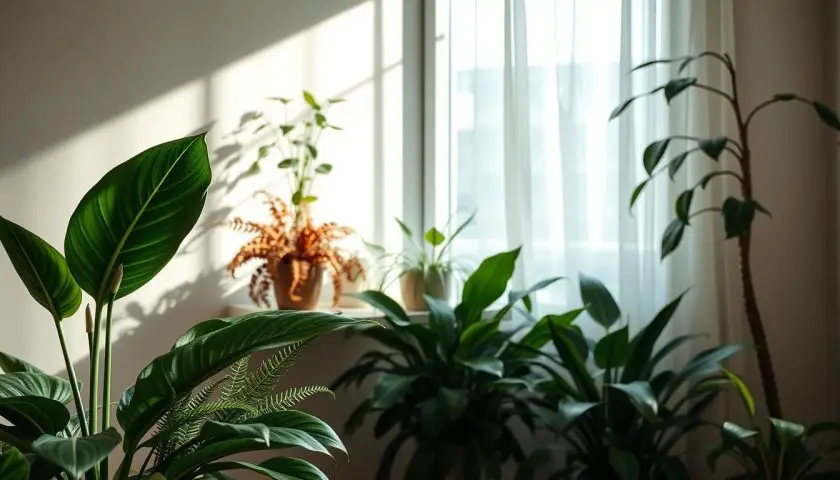
Low Light Does Not Mean No Light
This is the most important bathroom plant rule. Low light means the plant receives less light than a bright window plant, not that it can grow in darkness. Plants need light to make energy.
Low light bathroom
A low light bathroom may have a north-facing window, frosted glass, a small shaded window, or steady artificial lighting. Plants may grow slowly, but they can still stay healthy if care is adjusted.
Windowless bathroom
A windowless bathroom needs a grow light. Choose a simple full-spectrum LED bulb or small grow light and run it on a timer. Without this, plants usually decline over time.
Bright bathroom with no direct sun
This is the best bathroom condition for many humidity-loving plants. Ferns, Prayer Plant, Peace Lily, Parlor Palm, Spider Plant, and Pothos often do well in bright indirect bathroom light.
Prepare the Right Bathroom Plant Setup
Bathroom plants need the same basics as other houseplants: drainage, suitable potting mix, correct watering, and enough light. The difference is that bathrooms can slow drying and increase the risk of soggy soil.
Use drainage holes
Every bathroom plant should sit in a pot with drainage holes. Decorative pots are fine as outer cover pots, but the inner pot must drain fully after watering.
Use airy potting mix
Use a quality indoor potting mix. Add perlite, pumice, bark, or coco chips if the mix feels heavy. Airy soil helps roots breathe in humid rooms.
Choose the right pot size
Do not place a small plant in a huge pot. Extra soil stays wet for too long in low light and can cause root rot. Choose a pot only slightly larger than the root ball.
Keep plants away from heat and cold
Avoid placing plants beside radiators, heated towel rails, cold windows, or drafty vents. Sudden temperature changes can cause drooping, brown tips, and leaf drop.
15 Low Light Plants for Bathroom Spaces
These 15 bathroom plants are practical choices for humid, lower-light rooms. Some tolerate dim spots better than others, so use the care notes to match each plant to your bathroom.
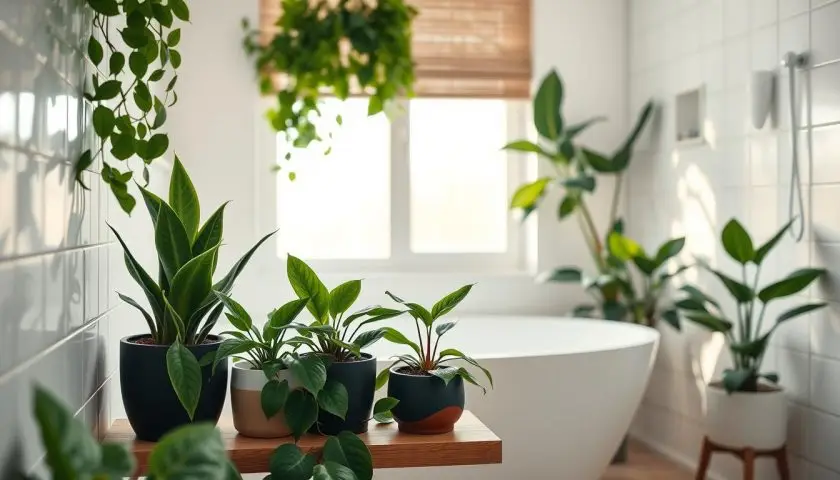
1. Cast Iron Plant
Cast Iron Plant is one of the toughest choices for low light bathroom corners. It grows slowly, tolerates neglect, and has broad dark green leaves that suit simple bathroom styling.
- Best spot: Floor pot, shaded corner, or low light bathroom shelf.
- Water: Let the top layer dry before watering.
- Watch out for: Overwatering in deep shade.
2. ZZ Plant
ZZ Plant is a strong choice for busy plant owners. Its thick rhizomes store water, so it does not need constant attention in a humid room.
- Best spot: Bathroom counter, shelf, or floor pot with some usable light.
- Water: Let the mix dry well between watering.
- Watch out for: Yellow leaves from overwatering.
For full care, read ZZ Plant care guide.
3. Snake Plant
Snake Plant is narrow, upright, and ideal for small bathrooms. It tolerates low light, but it grows better with bright indirect light or a grow light.
- Best spot: Narrow floor space, window ledge, or shelf.
- Water: Let the soil dry well before watering again.
- Watch out for: Root rot in pots with no drainage.
For more help, read Snake Plant care guide and Tall Snake Plant guide.
4. Golden Pothos
Golden Pothos is one of the best hanging plants for low light bathroom corners. It trails beautifully from shelves, cabinets, hooks, and wall planters.
- Best spot: Hanging basket or high bathroom shelf.
- Water: Water when the top few inches begin to dry.
- Watch out for: Fading variegation in very low light.
For detailed care, read Pothos plant care guide and trailing plants for shelves.
5. Heartleaf Philodendron
Heartleaf Philodendron is soft, trailing, and very forgiving. It gives a relaxed look to shelves and hanging pots without demanding full sun.
- Best spot: Shelf, hanging planter, or bathroom cabinet top.
- Water: Let the upper soil dry before watering.
- Watch out for: Leggy vines in very dark rooms.
For more support, read Philodendron care guide.
6. Chinese Evergreen
Chinese Evergreen, or Aglaonema, handles lower light and adds colour through patterned leaves. Green and silver forms usually tolerate dimmer spaces better than pink or red varieties.
- Best spot: Bathroom shelf, counter, or plant stand.
- Water: Water when the top layer begins to dry.
- Watch out for: Cold drafts and soggy soil.
7. Peace Lily
Peace Lily is a classic low light bathroom plant because it likes humidity and can bloom in bright indirect light. In very dim bathrooms, it may keep leaves but produce fewer flowers.
- Best spot: Bright low light bathroom corner or shelf.
- Water: Water when leaves begin to soften or the top soil dries.
- Watch out for: Dramatic drooping from dry soil and yellowing from wet roots.
For watering help, read how often to water Peace Lily and Peace Lily care guide.
8. Parlor Palm
Parlor Palm brings soft tropical texture to bathrooms without needing direct sun. It likes stable moisture, gentle light, and protection from harsh drying air.
- Best spot: Floor pot or plant stand in bright low light.
- Water: Water when the top layer begins to dry.
- Watch out for: Brown tips from dry air, salts, or uneven watering.
For troubleshooting, read Parlor Palm dying causes and fixes.
9. Bird’s Nest Fern
Bird’s Nest Fern loves humidity and has glossy rosette-shaped fronds. It is a good bathroom plant if the room has bright indirect light, not total darkness.
- Best spot: Humid bathroom shelf with filtered light.
- Water: Water the soil, not the central crown.
- Watch out for: Rot if water sits inside the rosette.
10. Boston Fern
Boston Fern is a humidity lover, but it is not the best choice for the darkest bathroom. Give it bright indirect light, consistent moisture, and room for fronds to spread.
- Best spot: Bright bathroom, hanging basket, or plant stand near a window.
- Water: Keep evenly moist without waterlogging.
- Watch out for: Crispy fronds if light, water, or humidity is poor.
For more fern support, read Boston Fern care guide.
11. Prayer Plant
Prayer Plant has patterned leaves that fold upward at night. It enjoys humidity and soft light, making it a good bathroom shelf plant if the room is not too dark.
- Best spot: Humid shelf with indirect light.
- Water: Keep lightly moist, not soggy.
- Watch out for: Brown edges from dry spells, salts, or low humidity.
For similar foliage plants, read Calathea care guide.
12. Fittonia
Fittonia, also called Nerve Plant, stays small and loves humidity. It is excellent for shelves, small counters, and terrarium-style bathroom displays.
- Best spot: Small pot in a humid bathroom with indirect light.
- Water: Keep evenly moist but not waterlogged.
- Watch out for: Sudden wilting if the soil dries hard.
13. Baby Rubber Plant
Baby Rubber Plant, or Peperomia obtusifolia, is compact and neat. It handles bathroom humidity but does not like constantly wet soil.
- Best spot: Counter, shelf, or small bathroom ledge.
- Water: Let the mix partly dry before watering.
- Watch out for: Stem rot in heavy wet potting mix.
14. Spider Plant
Spider Plant is adaptable and easy to display in hanging containers. It does best in bright indirect light but can tolerate lower light with slower growth.
- Best spot: Hanging pot, shelf, or bathroom window area.
- Water: Water when the top layer begins to dry.
- Watch out for: Brown tips from salts, dry spells, or inconsistent watering.
For detailed care, read Spider Plant care guide and Spider Plant light requirements.
15. Dracaena
Dracaena adds height without needing a huge footprint. Compact forms work well in narrow bathrooms where trailing plants would get in the way.
- Best spot: Floor pot, corner, or narrow space near usable light.
- Water: Let the upper soil dry before watering.
- Watch out for: Brown tips from water quality, dry air, or overwatering.
For more detail, read Dracaena care guide.
Best Bathroom Plants by Placement
| Bathroom Spot | Best Plants | Care Note |
|---|---|---|
| Dark corner with grow light | ZZ Plant, Snake Plant, Cast Iron Plant, Dracaena | Use a timer so light is consistent |
| Small shelf | Fittonia, Baby Rubber Plant, Prayer Plant, Pothos | Use small draining pots |
| Hanging basket | Pothos, Heartleaf Philodendron, Spider Plant, Boston Fern | Keep vines away from shower spray |
| Floor pot | Cast Iron Plant, Parlor Palm, Dracaena, Snake Plant | Choose stable pots |
| Bright humid bathroom | Bird’s Nest Fern, Boston Fern, Peace Lily, Prayer Plant | Do not let soil stay soggy |
Plants for Bathroom Without Windows
A bathroom without windows can still have plants, but only if you add a reliable light source. Rotate plants from a bright room into the bathroom for short periods if you want a temporary display, but do not expect long-term growth in darkness.
Best choices with a grow light
- ZZ Plant.
- Snake Plant.
- Cast Iron Plant.
- Golden Pothos.
- Heartleaf Philodendron.
- Chinese Evergreen.
Grow light tips
- Use a full-spectrum LED grow light or daylight-style LED bulb.
- Run it on a timer so plants receive steady daily light.
- Place it close enough to help, but not so close it heats leaves.
- Rotate pots every week or two.
- Reduce watering because dark bathrooms dry slowly.
For more windowless bathroom guidance, read plants for bathroom with no light and complete guide to indoor light.
How to Display Low Light Bathroom Plants
Good bathroom plant decor uses vertical space, avoids splash zones, and keeps plants easy to care for. A plant that looks beautiful but is hard to water will usually be neglected.
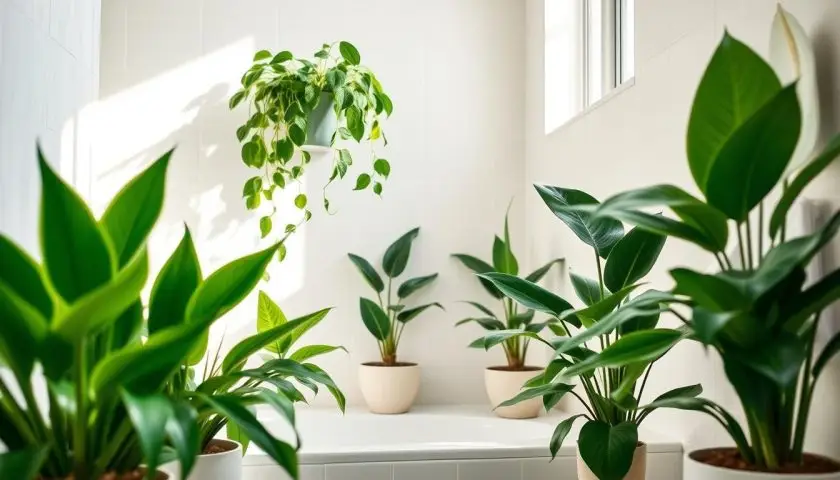
Use shelves
Shelves are ideal for small plants such as Fittonia, Baby Rubber Plant, Pothos, Heartleaf Philodendron, and Prayer Plant. Keep plants away from toiletries that may spill.
Use hanging planters
Hanging planters work well for Pothos, Philodendron, Spider Plant, and Boston Fern. Make sure the pot is secure and easy to remove for watering.
Use floor plants
Floor plants are useful in bigger bathrooms. Cast Iron Plant, Parlor Palm, Snake Plant, and Dracaena give height without needing bright direct sun.
Use light-coloured pots
White, cream, pale green, soft grey, and glazed pots can brighten dark bathrooms. Dark pots can look stylish, but they may disappear in a dim corner.
For styling ideas, read how to style indoor plants by room, decorate your bedroom with plants, and best indoor plants for tiny apartments.
Watering Bathroom Plants Correctly
Bathroom plants often need less frequent watering than plants in hot sunny rooms, but they still need root moisture. Humid air does not water the soil.
| Plant Type | Watering Style | Avoid |
|---|---|---|
| ZZ Plant and Snake Plant | Let soil dry well | Weekly watering without checking |
| Pothos and Philodendron | Water when upper soil dries | Leaving water in cover pots |
| Peace Lily and Parlor Palm | Keep lightly and evenly moist | Dry-to-soaked swings |
| Ferns and Prayer Plant | Consistent moisture | Bone-dry soil or soggy roots |
| Peperomia | Let mix partly dry | Heavy wet soil |
Simple bathroom watering routine
- Check the soil before watering.
- Water only when the plant’s soil dryness matches its needs.
- Water slowly until excess drains out.
- Empty saucers and cover pots.
- Reduce watering in cooler, darker months.
- Increase checks if the bathroom is warm, bright, or has a heated floor.
For watering help, read complete watering guide, worst times to water plants, and signs you are overwatering.
Potting Mix and Drainage for Bathroom Plants
Because bathrooms can stay humid, potting mix should be airy enough to stop roots from sitting in stale wet soil.
Best general mix
- 2 parts quality indoor potting mix.
- 1 part perlite or pumice.
- 1 part fine bark or chunky houseplant mix for airflow.
Best mix for ferns and moisture-loving plants
- Use a mix that holds moisture but drains freely.
- Avoid letting the root ball dry hard.
- Do not let the pot sit in water.
- Refresh compacted mix when it stops draining well.
Best mix for ZZ, Snake Plant, and Peperomia
- Use a faster-draining mix.
- Add extra perlite, pumice, or bark.
- Use a small pot with drainage holes.
- Water less often in low light.
For soil help, read best soil mix guide, how to repot a plant, and repotting mistakes to avoid.
Humidity and Airflow in Bathrooms
Humidity can help many bathroom plants, especially ferns and tropical foliage plants. The problem starts when humidity combines with low light, poor airflow, and wet soil.
Plants that enjoy bathroom humidity
- Bird’s Nest Fern.
- Boston Fern.
- Prayer Plant.
- Fittonia.
- Peace Lily.
- Parlor Palm.
- Spider Plant.
Plants that tolerate humidity but need drier roots
- ZZ Plant.
- Snake Plant.
- Baby Rubber Plant.
- Chinese Evergreen.
- Dracaena.
How to prevent damp-room problems
- Use the bathroom fan after showers.
- Do not pack plants tightly against walls.
- Keep leaves away from constant water splashes.
- Remove dead leaves quickly.
- Let the top layer of soil dry where the plant allows.
For more humidity support, read bathroom plants for mold, humidity hacks without a humidifier, and misting for plants.
Common Problems With Low Light Bathroom Plants
| Problem | Likely Cause | First Fix |
|---|---|---|
| Yellow leaves | Overwatering, low light, old leaves, root stress | Check soil and drainage |
| Brown tips | Dry spells, salts, hard water, aerosols, cold drafts | Review water quality and placement |
| Leggy growth | Too little usable light | Move brighter or add grow light |
| Fungus gnats | Soil staying wet too long | Let top layer dry and improve drainage |
| Mould on soil | Stale damp mix and low airflow | Remove debris and improve ventilation |
| Drooping | Dry soil, wet roots, temperature shock, low light | Check soil before watering |
Yellow leaves
Yellow leaves in a bathroom often mean the plant is getting too much water for the amount of light it receives. Check the soil before watering again.
Brown tips
Brown tips can come from uneven watering, minerals in water, low humidity between showers, cleaning sprays, cold drafts, or salts building up in the potting mix.
Leggy growth
Leggy growth means the plant is reaching for more light. Move it closer to a window, rotate it regularly, or add a grow light.
Fungus gnats
Fungus gnats usually appear when potting mix stays wet. Empty cover pots, improve drainage, and let the upper mix dry when the plant allows.
For troubleshooting, read yellow leaves on plants, why plant leaves turn yellow, leaf curl, browning and droop, root rot guide, and how to revive a dying plant.
Pests on Bathroom Plants
Bathroom plants can still get pests. Humidity does not stop mealybugs, scale, spider mites, fungus gnats, or aphids if plants are stressed or crowded.
Common pests
- Fungus gnats: Small black flies around wet soil.
- Scale: Brown bumps on stems and leaf veins.
- Mealybugs: White cottony clusters in leaf joints.
- Spider mites: Fine webbing and speckled leaves.
- Aphids: Soft insects on new growth.
Simple pest routine
- Inspect leaves before placing new plants in the bathroom.
- Check leaf undersides and stem joints weekly.
- Wipe broad leaves with a damp cloth.
- Remove dead leaves from the soil surface.
- Quarantine pest-infested plants away from the rest.
- Use houseplant-safe treatment only when needed.
For plant hygiene, read how to clean plant leaves and pruning basics.
Pet and Child Safety
Many popular bathroom plants can irritate pets or children if chewed. Pothos, Philodendron, Peace Lily, Snake Plant, ZZ Plant, Chinese Evergreen, and Dracaena should be kept out of reach of cats, dogs, and toddlers.
Safety tips
- Use secure hanging planters.
- Keep trailing vines away from pets.
- Avoid placing toxic plants on low shelves.
- Clean fallen leaves quickly.
- Check plant safety before buying.
For more safety planning, read cat-friendly plant safety and dog-friendly plant safety.
Low Light Bathroom Plant Care Checklist
| Task | How Often | What to Watch |
|---|---|---|
| Check light | Before placing the plant | No-window rooms need grow lights |
| Check soil moisture | Before watering | Wet soil in low light |
| Empty cover pots | After watering | Standing water |
| Rotate plants | Every 1 to 2 weeks | Leaning toward light |
| Clean leaves | Every few weeks | Dust, soap marks, pest signs |
| Prune | As needed | Yellow leaves and long vines |
| Ventilate | After showers | Wet leaves and stale air |
Common Mistakes With Bathroom Plants
| Mistake | What Happens | Better Choice |
|---|---|---|
| Putting plants in total darkness | Slow decline and leaf drop | Use a window or grow light |
| Watering because the room is humid | Root rot risk increases | Check soil first |
| Using pots without drainage | Roots sit in trapped water | Use drainage holes |
| Placing plants in shower spray | Soap and hard water damage leaves | Place near humidity, not direct splash |
| Crowding plants against walls | Poor airflow and fungal issues | Leave space around foliage |
| Choosing ferns for very dark rooms | Crispy fronds and weak growth | Use grow light or choose tougher plants |
Helpful PATCH Guides for Low Light Bathroom Plants
Use these related PATCH guides to choose bathroom plants, improve light, fix watering, manage humidity, and troubleshoot common plant problems.
Bathroom and Low Light Plant Guides
- Best plants for your bathroom
- Plants for bathroom with no light
- Bathroom plants for mold
- Low light house plants
- Small low light indoor plants
- Low light hanging plants
- Complete guide to indoor light
- House plants that like direct sunlight
Indoor Plant Choice Guides
- Indoor Plants hub
- Best indoor plants for beginners
- Best indoor plants for first-time plant parents
- Best indoor plants for tiny apartments
- Tropical house plants
- Oversized indoor plants
- Blooming indoor plants
- Colorful foliage indoor plants
Watering, Soil and Humidity Guides
- Complete watering guide
- Worst times to water plants
- Signs you are overwatering
- Best soil mix guide
- How to repot a plant
- Repotting mistakes to avoid
- Humidity hacks without a humidifier
- DIY humidity tray
- Misting for plants
Specific Plant Care Guides
- ZZ Plant care guide
- Snake Plant care guide
- Tall Snake Plant guide
- Pothos plant care guide
- Philodendron care guide
- Peace Lily care guide
- How often to water Peace Lily
- Parlor Palm dying
- Boston Fern care guide
- Spider Plant care guide
- Spider Plant light requirements
- Dracaena care guide
- Calathea care guide
Plant Problem Guides
- Plant Care hub
- Yellow leaves on plants
- Why plant leaves turn yellow
- Leaf curl, browning and droop
- Root rot guide
- How to revive a dying plant
- How to clean plant leaves
- Pruning basics
Styling and Small-Space Guides
- Style indoor plants by room
- Decorate your bedroom with plants
- Create an indoor jungle without overcrowding
- Trailing plants for shelves
- Improve your home office with plants
- Office-friendly plants
Frequently Asked Questions
What are the best low light plants for bathroom spaces?
The best low light plants for bathroom spaces include Cast Iron Plant, ZZ Plant, Snake Plant, Golden Pothos, Heartleaf Philodendron, Chinese Evergreen, Peace Lily, Parlor Palm, Bird’s Nest Fern, Boston Fern, Prayer Plant, Fittonia, Baby Rubber Plant, Spider Plant, and Dracaena.
Can I keep plants in a bathroom without windows?
Yes, but only with help. A bathroom without windows needs a bright artificial light or LED grow light. Plants cannot stay healthy long term in total darkness.
Do bathroom plants need less water because of humidity?
Sometimes they dry more slowly, but humidity does not replace root watering. Check the soil before watering because humid bathrooms can also increase root rot risk.
Which bathroom plants are easiest for beginners?
ZZ Plant, Snake Plant, Cast Iron Plant, Golden Pothos, Heartleaf Philodendron, Chinese Evergreen, and Spider Plant are some of the easiest beginner bathroom plants.
Which small plants are best for bathroom shelves?
Fittonia, Baby Rubber Plant, Prayer Plant, small Pothos, Heartleaf Philodendron, and compact Spider Plant are good choices for shelves if they receive enough light.
Which hanging plants work in low light bathrooms?
Golden Pothos, Heartleaf Philodendron, Spider Plant, and Boston Fern can work in hanging bathroom planters. Boston Fern needs brighter indirect light than Pothos or Philodendron.
Why are my bathroom plants turning yellow?
Yellow leaves often come from overwatering, poor drainage, low light, old leaves, cold drafts, or pests. Check the soil and root moisture before adding more water.
Why do bathroom plants get brown tips?
Brown tips can come from inconsistent watering, minerals in tap water, dry spells between showers, cleaning sprays, cold drafts, or fertilizer salts in the soil.
Can I use regular garden soil for bathroom plants?
No. Garden soil is usually too dense for indoor pots. Use an airy indoor potting mix with drainage materials such as perlite, pumice, or bark.
Are bathroom plants safe for pets?
Some popular bathroom plants are not safe if chewed, including Pothos, Philodendron, Peace Lily, Snake Plant, ZZ Plant, Chinese Evergreen, and Dracaena. Keep risky plants out of reach.
Final Thoughts
Low light plants for bathroom spaces work best when you choose realistic plants for the actual light level. Humidity can help tropical plants, but it does not cancel out the need for drainage, airflow, and usable light. If the bathroom has no window, add a grow light before buying more plants.
University of Maryland Extension explains that low light indoor conditions include north-facing windows or artificially lit rooms, and that poor light can lead to weak or spindly plant growth: University of Maryland Extension guide to lighting indoor plants.
For the easiest results, start with ZZ Plant, Snake Plant, Cast Iron Plant, Pothos, or Heartleaf Philodendron. Add ferns, Prayer Plant, and Fittonia only when your bathroom has enough indirect light to support their softer foliage.
Final Recap
Low light plants for bathroom spaces can make humid rooms feel greener, calmer, and more finished. The best picks include Cast Iron Plant, ZZ Plant, Snake Plant, Golden Pothos, Heartleaf Philodendron, Chinese Evergreen, Peace Lily, Parlor Palm, Bird’s Nest Fern, Boston Fern, Prayer Plant, Fittonia, Baby Rubber Plant, Spider Plant, and Dracaena. Low light does not mean no light, so windowless bathrooms need a grow light. Use pots with drainage holes, airy potting mix, careful watering, and good airflow. Keep plants away from splash zones, cleaners, cold drafts, and standing water. Watch for yellow leaves, brown tips, leggy growth, fungus gnats, root rot, and pests. With the right plant and setup, even a dim bathroom can support healthy, humidity-loving greenery.