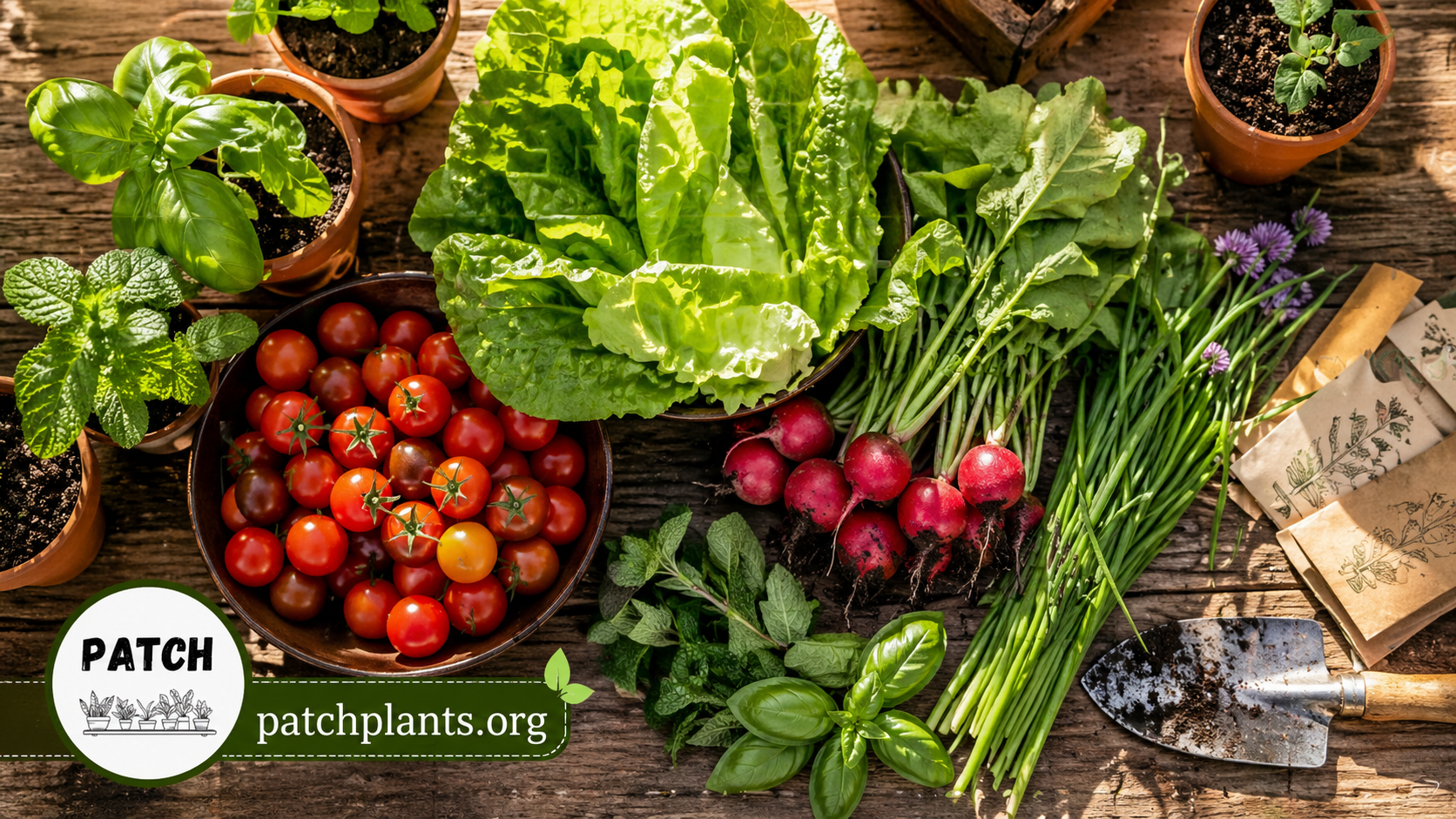
The easiest outdoor edible plants for beginners are lettuce, radishes, cherry tomatoes, basil, mint, chives, bush beans, spinach, strawberries and zucchini. They grow quickly, cope with small mistakes and do well in containers. Give most of them about six hours of sun, use pots with drainage holes and fresh potting mix (not garden soil), water whenever the top inch feels dry, and harvest often.
You do not need a big plot to grow your own food. A sunny balcony, patio, doorstep or small raised bed is enough for salads, herbs, tomatoes and even strawberries. This guide covers how to set up a beginner garden, the 10 easiest outdoor edible plants with care tips for each, what to plant when, feeding and watering, and the mistakes most first-time growers make.
Patch Plants guides are researched and written by Sawera Shahid, a botanist with an MPhil in Botany who has more than five years of gardening and plant-care writing. We base our advice on university extension research, so these steps work for real beginners.
What Makes an Edible Plant Easy for Beginners?
- Fast results: harvests in weeks, not months, keep you motivated
- Forgiving: copes with the odd missed watering or less-than-perfect soil
- Grows in containers: essential if you have no open ground
- Keeps producing: cut-and-come-again leaves and repeat-cropping plants give more for less work
- Few pests: fewer problems mean fewer reasons to give up
How to Start a Beginner Edible Garden
1. Find Your Sunniest Spot
Sun matters more than anything else. According to University of Kentucky Cooperative Extension, most vegetables need full sun, about six hours a day, while lettuce can grow in partial shade. Spend a day noting where and for how long the sun falls in your space, and put tomatoes, beans, zucchini and basil in the sunniest spot.
2. Choose the Right Containers
Every pot needs drainage holes. Match the depth to the crop. University of Kentucky gives these guidelines:
| Container | Good For |
|---|---|
| 6–8 inches deep | Lettuce, radishes, spinach, chard, kale |
| At least 10 inches deep | Green beans, peas, carrots |
| 4–5 gallon pot or bucket (one plant) | Tomato, pepper, zucchini, eggplant |
| Long planter box | A patio herb garden |
Bigger pots hold more water and dry out more slowly, which makes life easier in summer. For more ideas, see our guide to container gardening on patios.
3. Use Potting Mix, Not Garden Soil
University of Kentucky recommends a commercial soilless potting mix, because garden soil drains poorly in containers. A good mix holds moisture yet drains freely. Our guide to the best soil mix for every type of plant explains the options.
The 10 Easiest Outdoor Edible Plants
1. Lettuce
Lettuce is the quickest win for beginners. Loose-leaf types can be cut in about 30–45 days from sowing and regrow for several harvests if you pick the outer leaves. It is a cool-season crop, best in spring and autumn, and tolerates partial shade. In summer heat it bolts (runs to seed), so give it afternoon shade.
- Sun: partial to full sun
- Container: 6–8 inches deep; window boxes work well
- Tip: sow a few seeds every two weeks for a steady supply
2. Radishes
Radishes are the speed champions, ready in about 3–4 weeks from seed. Sow directly into loose, moist soil, thin seedlings to about 2 inches apart, and pull them as soon as they swell. Left too long, they turn woody and spicy.
- Sun: full sun to light shade
- Container: 6–8 inches deep
- Tip: grow in spring and autumn; summer heat makes them bolt
3. Cherry Tomatoes
Cherry tomatoes are the most rewarding first crop. They are more forgiving than large tomatoes and crop heavily in a big pot on a sunny patio. Choose compact “patio” or bush varieties for small spaces; University of Kentucky notes small cherry types can even grow in hanging baskets.
- Sun: full sun, at least six hours
- Container: 4–5 gallons, one plant per pot
- Water: keep moisture even; irregular watering causes split fruit and blossom end rot
- Feed: a tomato feed once flowers appear
Our guides to planting tomatoes in a pot and patio tomato plants cover staking and pinching out.
4. Basil
Basil loves heat and sun. Plant it outside only when nights stay warm, as cold weather blackens the leaves. Pinch the tips regularly and remove flower buds to keep it bushy and leafy all summer.
- Sun: full sun
- Container: 6–8 inches deep, or a herb planter
- Tip: water at the base in the morning; it dislikes cold, wet soil
5. Mint
Mint is almost impossible to kill, but it spreads fast by underground runners. Always grow it in its own pot, never loose in a bed. Keep it moist and cut it often for tea, drinks and cooking.
- Sun: full sun to partial shade
- Container: any medium pot on its own
- Tip: try spearmint for cooking and peppermint for tea
6. Chives
Chives are a hardy perennial that returns every year. Snip the mild onion-flavored leaves as needed, and enjoy the purple flowers, which are edible and loved by bees. Divide clumps every few years to keep them vigorous.
- Sun: full sun to partial shade
- Container: 6–8 inches deep
- Tip: cut leaves near the base to encourage fresh growth
7. Bush Beans
Bush green beans grow fast, need no support, and crop heavily in about 50–60 days. Sow seed directly once the soil is warm. Pick pods young and often; the more you pick, the more they produce.
- Sun: full sun
- Container: at least 10 inches deep
- Tip: climbing pole beans give more beans in less floor space if you add a cane wigwam
8. Spinach
Spinach is a quick cool-season crop for spring and autumn, ready in about 40–50 days. It tolerates more shade than most vegetables but bolts quickly in summer heat and long days. Harvest outer leaves first and it keeps producing from the center.
- Sun: partial sun to full sun in cool weather
- Container: 6–8 inches deep
9. Strawberries
Strawberries are easy when started from young plants rather than seed, and they crop for several years. Pots, troughs and hanging baskets keep fruit off the ground and away from slugs. Our guide to Ozark Beauty strawberry plants covers an everbearing variety that suits containers.
- Sun: full sun
- Drainage: essential; strawberries rot in wet soil
- Tip: root the runners in small pots for free new plants
10. Zucchini
One or two zucchini plants can feed a household all summer. They need a large container or a corner of a raised bed, full sun, plenty of water and regular feeding. Pick fruits small, about 6–8 inches long, for the best flavor and to keep more coming.
- Sun: full sun
- Container: 4–5 gallons or larger, one plant per pot
- Tip: water at the base to reduce powdery mildew on leaves
Ready for more? Try our guides to planting potatoes in containers, Jimmy Nardello peppers and Japanese cucumbers.
What to Plant When
| Season | What to Plant |
|---|---|
| Early spring | Lettuce, radishes, spinach, peas, chives |
| Late spring, after the last frost | Tomatoes, basil, beans, zucchini, mint, strawberries |
| Late summer to early autumn | Lettuce, radishes, spinach for autumn harvests |
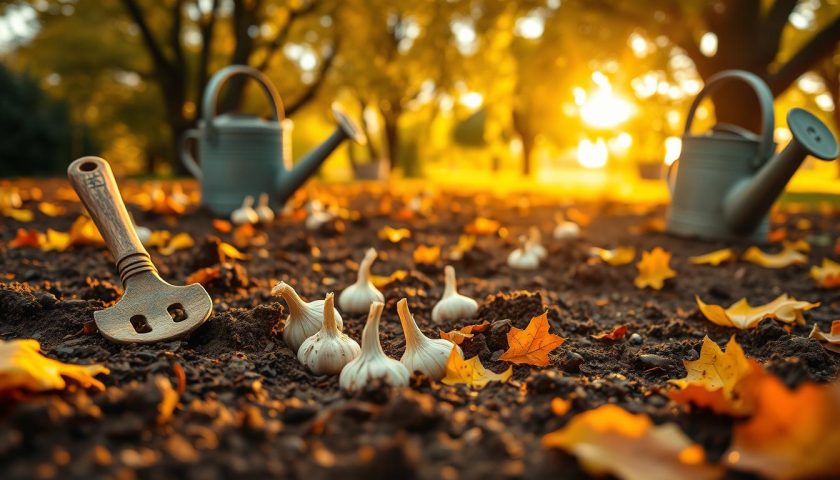
| Autumn | Garlic, and strawberry plants in mild climates |
Timing depends on your local frost dates. Our month-by-month garden calendar helps you plan.
Watering and Feeding Edible Plants
Watering
Containers dry out much faster than garden beds. University of Kentucky advises watering when the soil feels dry, which may be several times a week as plants grow, and watering until it runs out of the drainage holes to limit fertilizer salt build-up. Avoid soggy soil. Check pots daily in summer with the finger test. Water in the morning at the base of plants; our guide to the worst times to water your plants explains why. For busy growers, self-watering pots work well for tomatoes, herbs and greens.
Feeding
Potting mix runs out of nutrients quickly. University of Kentucky recommends feeding container vegetables every 2–3 weeks with a soluble fertilizer at the label rate. Fruiting crops like tomatoes and zucchini benefit from a high-potassium tomato feed once flowering starts. Our guide to fertilizing indoor vs outdoor plants explains more.
Companion Planting and Pollinators
Mixing crops and flowers makes the most of small spaces. Pairing fast radishes with slower lettuce or tomatoes uses space well, since the radishes are harvested before the bigger plants need room. Flowers such as calendula, nasturtiums and borage attract pollinators that help tomatoes, beans, zucchini and strawberries set fruit, and many are edible too. See our guides to edible flowers and pollinator-friendly plants.
Common Beginner Mistakes
- Too little sun: the main reason crops fail to produce; in shade, stick to lettuce, spinach, chives and mint
- Using garden soil in pots: it compacts and drains poorly
- Pots too small: they dry out in hours and limit crops
- Uneven watering: causes bolting, split tomatoes and poor crops
- Planting too much at once: start with three or four crops
- Missing pests early: check under leaves weekly for aphids and slugs; see our guide to keeping pests away from outdoor plants
- Not harvesting: overgrown beans, zucchini and lettuce stop producing
Frequently Asked Questions
What is the easiest vegetable for beginners to grow?
Radishes and loose-leaf lettuce are the easiest. Both grow fast, fit in shallow containers and cope with small mistakes. Radishes are ready in about a month.
Can I grow vegetables without a garden?
Yes. A sunny balcony, patio or doorstep is enough. Cherry tomatoes, lettuce, herbs, radishes, beans and strawberries all grow well in containers with drainage holes and potting mix.
How much sun do vegetables need?
Most need full sun, about six hours a day. Lettuce, spinach, chives and mint tolerate partial shade, so choose them for less sunny spots.
How often should I water a container vegetable garden?
Water whenever the top inch of potting mix feels dry, until water runs from the drainage holes. In hot weather that can be daily for small pots; in cool weather, every few days.
What size pot do I need for tomatoes?
Use a container of about 4–5 gallons for one tomato plant. Smaller pots dry out too quickly and limit the crop.
Final Thoughts
Growing your own food is easier than it looks. Start with two or three of these easiest outdoor edible plants in your sunniest spot, use good-sized pots with drainage and fresh potting mix, water whenever the top inch dries, feed every few weeks, and harvest often. Add new crops each season as your confidence grows.
For more ideas, see our plants for small outdoor spaces and our outdoor plants collection.