Key Takeaways Garden calendar planning helps you stay ahead of planting, pruning, watering, feeding, harvesting, and seasonal garden care. This garden calendar 2026 gives a month-by-month gardening calendar for flowers, vegetables, herbs, containers, lawns, balconies, raised beds, and outdoor plant care. A good planting calendar 2026 should be flexible because frost dates, rainfall, heatwaves, and local growing zones can shift your timing. Use this monthly garden calendar as a guide, then adjust tasks for your local climate, soil, and plant types. The best gardening planner 2026 is simple: plan in…
Outdoor Plant Care & Growing Guides
Outdoor plant care starts with matching plants to your climate, sunlight, soil, available space, and seasonal conditions. A plant that suits its location will usually be easier to water, maintain, and keep healthy than one constantly struggling against unsuitable conditions.
At Patch Plants, our outdoor plant guides cover container gardening, patios, balconies, garden beds, seasonal care, edible plants, flowering varieties, and practical growing techniques. Use this hub to choose suitable plants and build an outdoor space that works with the conditions you actually have.
Getting Started With Outdoor Plants
Outdoor gardening can be as simple or as layered as you want it to be. Containers can bring greenery to a small balcony, while shrubs, perennials, annual flowers, herbs, vegetables, vines, and small trees can create structure and seasonal interest in larger gardens.
Before choosing plants, consider four things: climate, sunlight, soil or potting mix, and available space. Plant size matters too. A compact patio plant has very different needs from a shrub or climbing vine that may eventually require much more room.
Know Your Climate & Growing Zone
A growing or hardiness zone helps you understand which perennial plants are likely to tolerate the typical winter temperatures in your area. It is useful when choosing shrubs, trees, bulbs, and other plants expected to remain outdoors through multiple seasons.
Zones are only one part of plant selection. Local rainfall, summer heat, wind exposure, humidity, frost dates, soil conditions, and small microclimates around buildings can also affect how well a plant grows.
- Cooler climates: Focus on plants suited to colder winters and pay attention to frost tolerance and seasonal dormancy.
- Mild climates: Longer growing seasons may support a wider range of herbs, flowering plants, vegetables, and shrubs.
- Warm or subtropical climates: Heat tolerance, humidity, rainfall, and intense sunlight can become more important than winter cold.
For more seasonal guidance, see our seasonal plant care guide for autumn and our guide to balcony plants that handle wind, rain, and sun.
Outdoor Plant Care Essentials
Healthy outdoor plants need the right balance of water, sunlight, soil conditions, drainage, and seasonal care. The exact requirements vary by species, so treat general gardening rules as a starting point rather than a fixed schedule.
Watering Outdoor Plants
Containers often dry faster than garden beds, particularly during warm, sunny, or windy weather. Check the soil before watering and give plants a thorough drink when needed rather than applying frequent shallow splashes.
Watering needs can change quickly with the weather. Plants in full sun may dry faster than those in shade, while rainfall and cooler temperatures can reduce the need for additional watering.
Sun, Wind & Weather
Match each plant to the amount of sunlight it can realistically receive. Plants described as full-sun varieties generally need a brighter position, while shade-tolerant foliage plants are better suited to areas protected from intense midday sun.
Wind exposure also matters, especially on balconies, rooftops, and open patios. Strong wind can dry containers quickly and damage tall or delicate growth, so sheltered placement or suitable wind-tolerant plants can make maintenance easier.
Soil, Drainage & Feeding
Use soil or potting mix suited to what you are growing. Containers should allow excess water to drain freely, while garden beds may benefit from organic matter where soil structure needs improvement.
Fertilizer needs vary by plant and growing conditions. Follow plant-specific guidance and product directions rather than assuming every outdoor plant needs regular feeding.
For more help, read how to keep outdoor plants alive and our guide to managing pests around outdoor plants.
Container, Patio & Hanging Basket Ideas
Container gardening makes it possible to grow outdoor plants on patios, balconies, porches, entrances, and other small spaces. Pots can also make watering, soil choice, and seasonal rearranging easier to manage.
- Sunny containers: Choose plants that tolerate the heat and faster drying associated with brighter locations.
- Shade containers: Use foliage and flowering plants adapted to lower-light outdoor positions.
- Hanging baskets: Combine trailing and upright growth while keeping watering needs in mind.
- Small patios and balconies: Choose compact plants that fit the available space without quickly becoming overcrowded.
Explore our guides to outdoor plants for small spaces and plants for coastal and windy environments.
Outdoor Plants for Different Garden Conditions
There is no single list of outdoor plants that works everywhere. The best choices depend on climate, sunlight, available space, soil conditions, and how much ongoing care you want to provide.
- Heuchera (coral bells): Known for colorful foliage and useful in containers, borders, and partly shaded positions depending on the variety.
- Hostas: Popular foliage plants for shaded or partly shaded garden areas.
- Boxwood: An evergreen shrub commonly used to provide structure, edging, and formal shapes where local growing conditions suit it.
- Lavender: Typically prefers bright sun and well-draining conditions.
- Roses: Available in many forms and varieties, with care requirements that differ by climate and type.
- Climbing plants: Vines such as clematis and jasmine can add vertical growth when suitable support and growing conditions are provided.
You can also explore our guides to pollinator-friendly plants for urban outdoor spaces and creating garden color across different seasons.
How to Plan an Outdoor Plant Display
Start with the largest or longest-lasting elements first. Trees, shrubs, larger containers, and structural plants can establish the shape of the space. Smaller flowering plants, herbs, vegetables, and seasonal color can then fill the gaps.
For a more coordinated look, repeat a few plant shapes, container materials, or colors rather than introducing something completely different in every position. Leave enough room for mature plant size, airflow, watering access, and future maintenance.
Outdoor spaces also change throughout the year. Note which areas become hotter, colder, wetter, shadier, or windier as the seasons change. Those observations can make future plant selection much easier.
Explore More Outdoor Plant & Gardening Guides
Continue with these practical outdoor growing guides:
Keep Outdoor Plants Alive: 17 Best Proven Tips
Key Takeaways Keep outdoor plants alive by matching each plant to the right light, soil, water, pot size, and season. Keeping outdoor plants alive is easier when you check soil before watering instead of following a fixed calendar. This outdoor plant care guide covers planting, watering, soil, pots, mulch, feeding, shade, weeds, pests, and vacation care. Maintaining outdoor plants takes small weekly checks, not big emergency fixes after plants start failing. The best outdoor plant survival tips are simple: water deeply, improve drainage, mulch roots, protect from extremes, and choose…
Color Themes for Your Outdoor Garden: 15 Best Proven Ideas
Key Takeaways Color themes for your outdoor garden help your yard feel planned, balanced, and more enjoyable from the first glance. The best colorful landscape ideas use flowers, foliage, shrubs, ground cover, containers, paint colors, and decor together. A strong outdoor landscape design starts with mood: calm, bright, rustic, elegant, cottage, modern, or bold. Backyard landscape design ideas work better when you repeat a few colors instead of using every plant color at once. Colorful landscaping is not only about flowers. Color foliage plants, colorful shrubs and bushes, pots, furniture,…
Edible Flowers: 17 Best Safe Blooms to Grow Outdoors
Key Takeaways Edible flowers add colour, flavour, scent, texture, and pollinator value to outdoor gardens. Learn how to grow edible flowers safely by choosing chemical-free plants, harvesting fresh blooms, and avoiding unknown flowers. Edible flowers for cakes include pansies, violas, rose petals, lavender, calendula, borage, and cornflowers. Edible flowers for drinks work beautifully in ice cubes, syrups, teas, cocktails, mocktails, and summer lemonades. Use fresh edible flowers when possible, and only use dried edible flowers from trusted culinary sources. Introduction Edible flowers are one of the easiest ways to make…
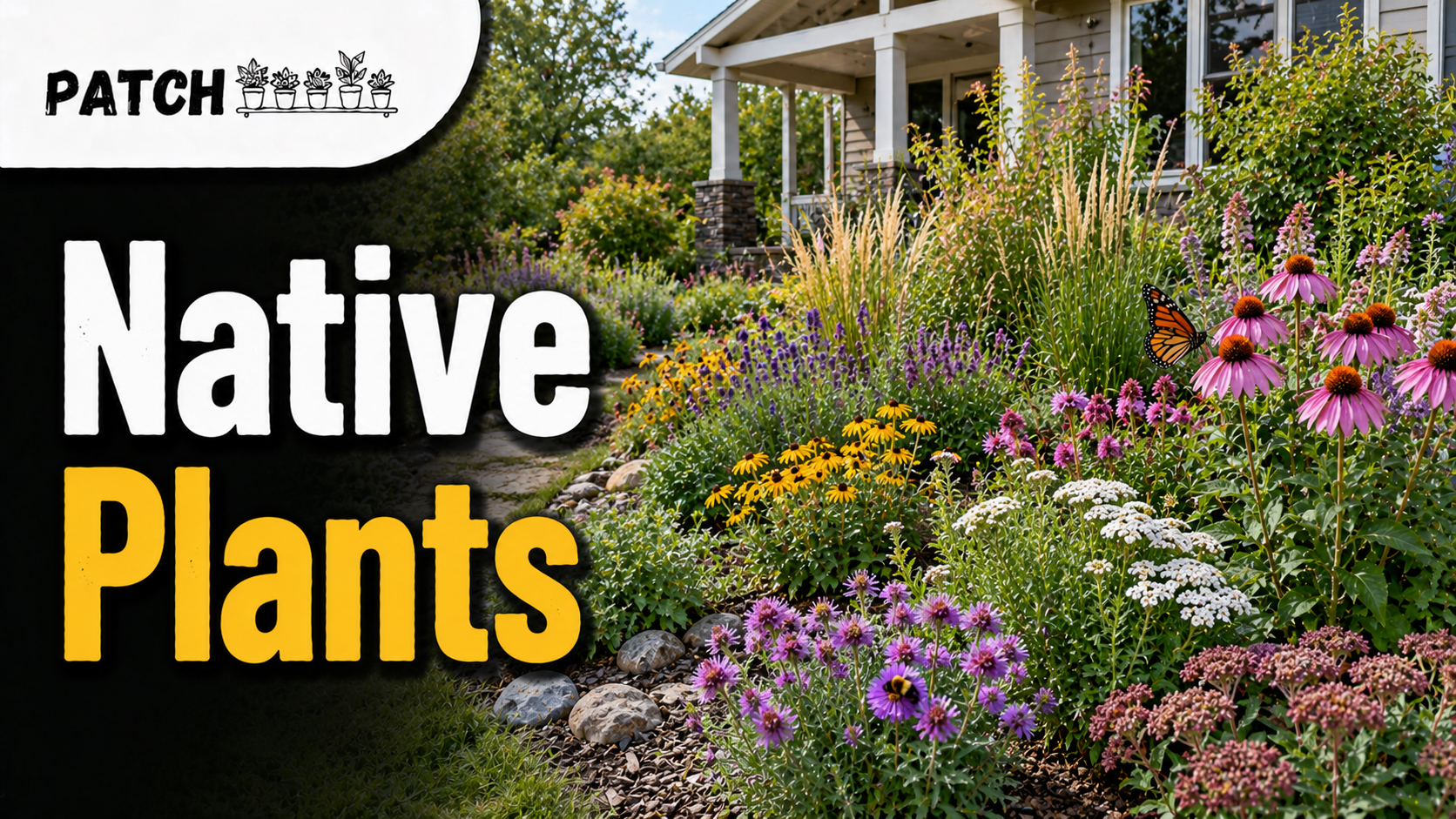
Native Plants That Thrive in Your Region
Key Takeaways Native plants are naturally adapted to your region, which means they often need less water, fertiliser, and pest control once established. A native plant garden supports bees, butterflies, birds, and beneficial insects better than many ornamental-only landscapes. Native landscaping can work in front yards, small gardens, containers, borders, slopes, and pollinator beds. Native wildflowers are one of the easiest ways to add colour, seasonal movement, and wildlife value to a garden. Native pollinator plants are especially useful because they provide nectar, pollen, seeds, shelter, and host plants for…
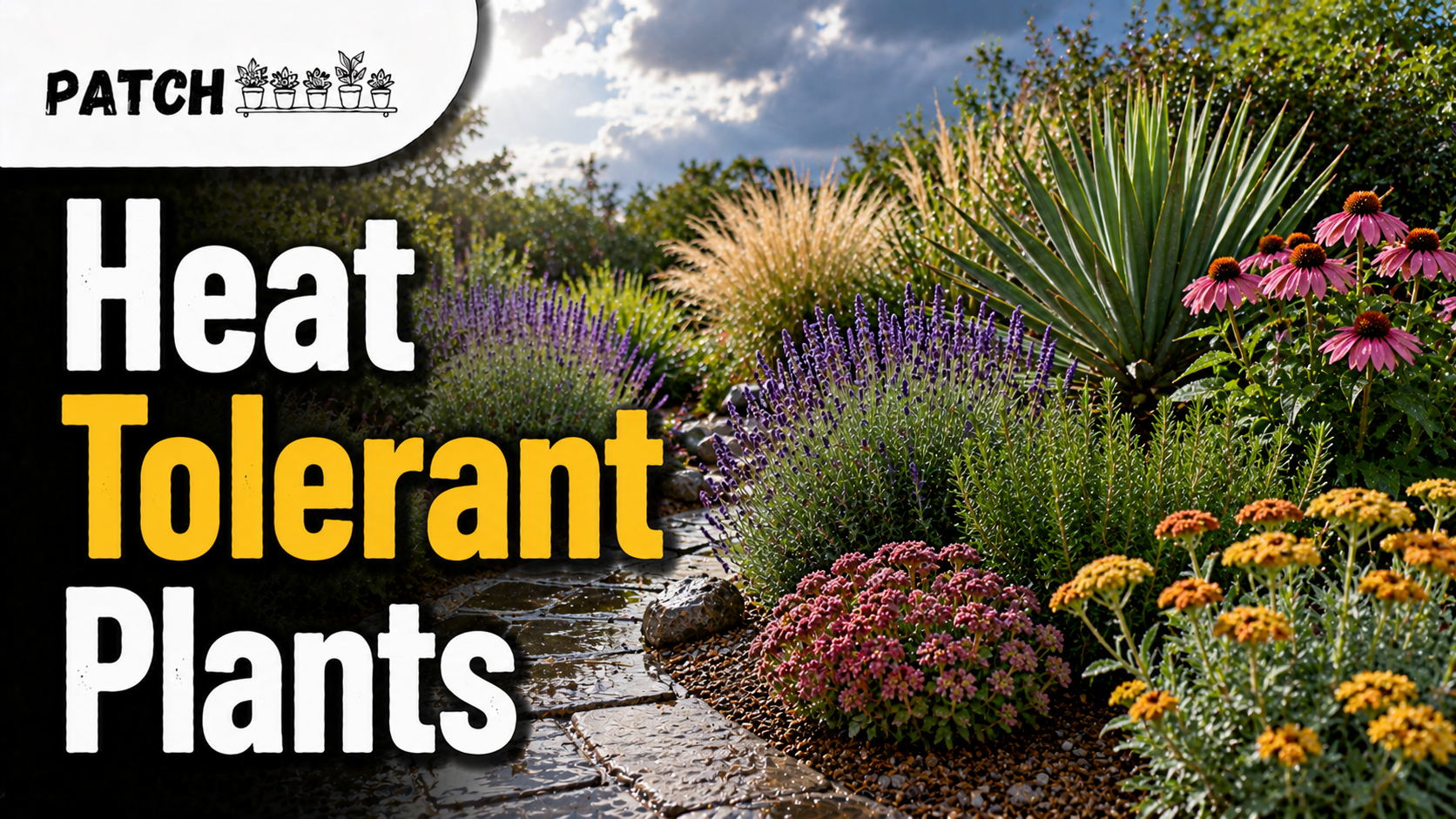
Heat Tolerant Plants That Withstand Storms and Heatwaves
Key Takeaways Heat tolerant plants are essential for gardens that face strong sun, dry spells, sudden storms, and unpredictable summer weather. The best heat resistant flowers include salvia, yarrow, lavender, verbena, lantana, gazania, blanket flower, coreopsis, and coneflower. Heat tolerant perennials return year after year and often need less work than seasonal bedding plants once established. Full sun heat tolerant plants still need deep watering while they establish, especially during their first growing season. Heat tolerant outdoor plants that also handle storms usually have strong roots, flexible stems, compact growth,…
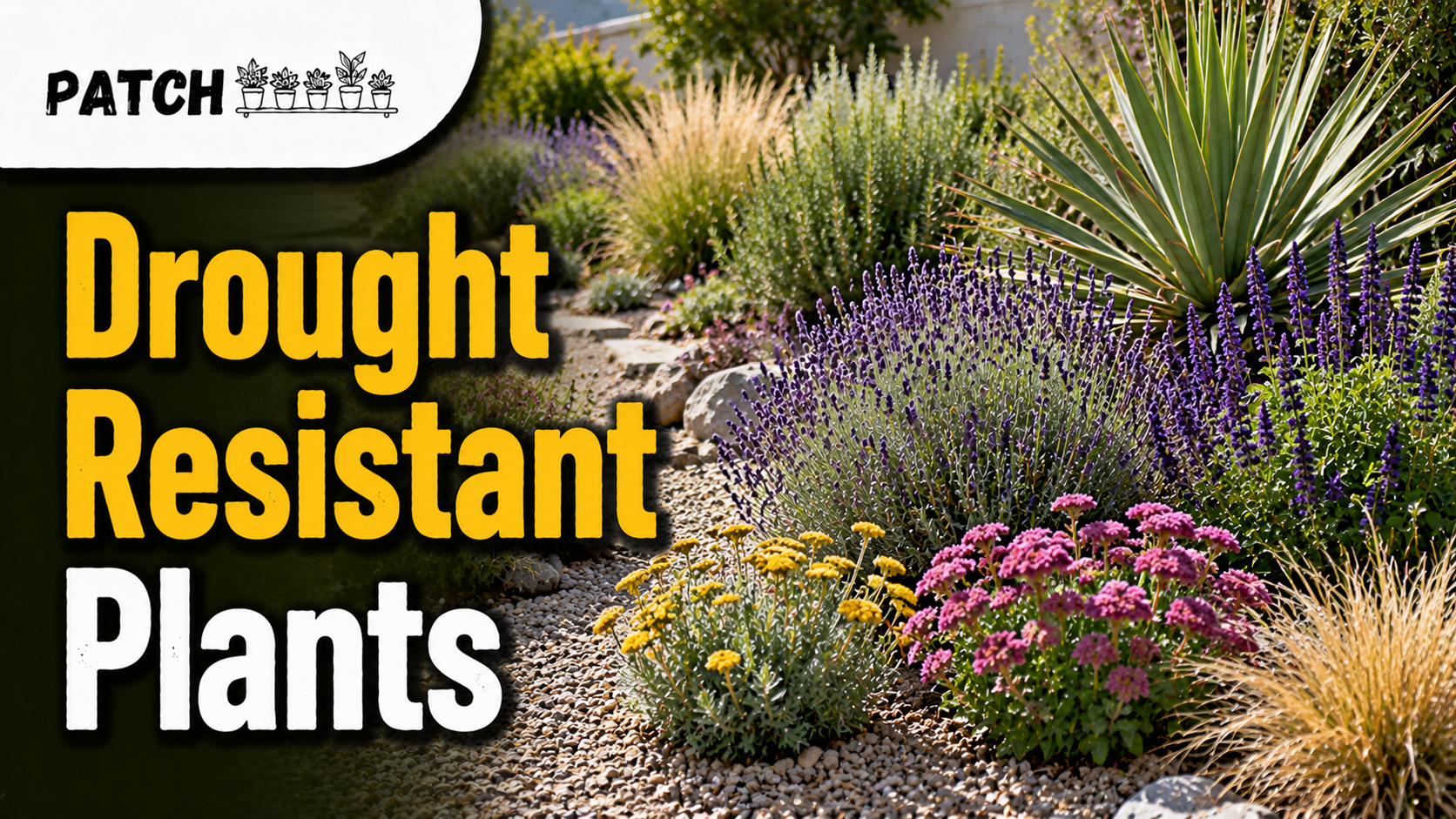
Top Drought-Resistant Plants for a Low-Water Garden
Key Takeaways Drought resistant plants help gardens stay colourful, structured, and healthy with less watering once the plants are established. The best drought resistant flowers include lavender, salvia, yarrow, verbena, California poppy, gazania, sea holly, and sedum. Reliable drought resistant shrubs include rosemary, santolina, artemisia, abelia, elaeagnus, bottlebrush, rock rose, and some drought tolerant evergreen bushes. Drought resistant container plants need free-draining compost, drainage holes, deep watering, and pots that do not trap water around roots. Waterwise gardening is not about never watering. It is about watering better, choosing the…
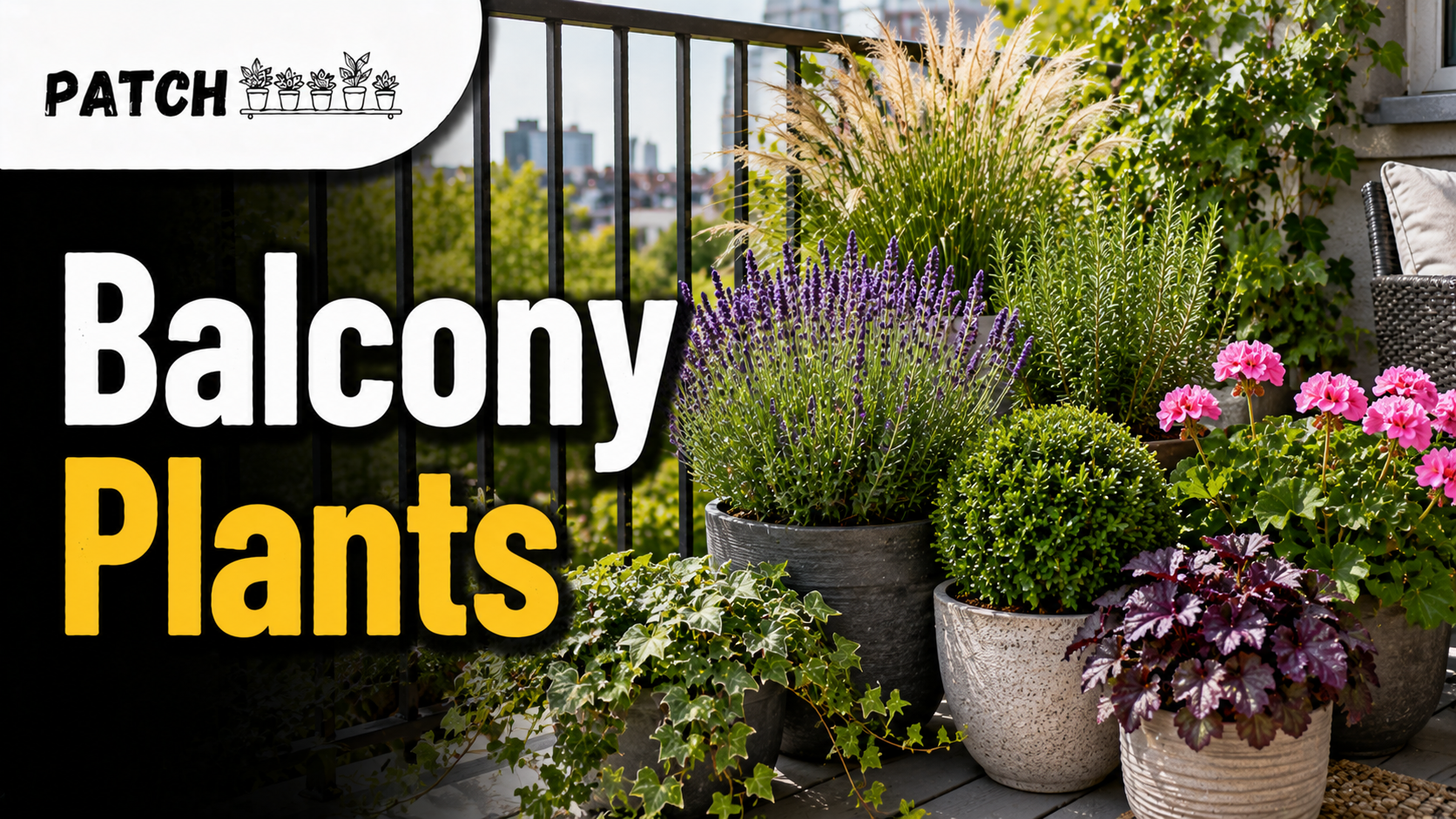
Year-Round Balcony Plants That Handle Wind, Rain & Sun
Key Takeaways Year round balcony plants need to handle more stress than ordinary garden plants because balconies face stronger wind, uneven rain, intense sun, and fast-drying pots. The best balcony plants include lavender, rosemary, boxwood, heuchera, ornamental grasses, sedum, dwarf conifers, ivy, geraniums, ferns, and hardy herbs. Balcony garden plants work best when you match them to exposure: full sun, shade, wind, rain, or sheltered corners. Balcony container plants need stable pots, drainage holes, good compost, and enough root space to survive changing weather. The best outdoor plants for balcony…
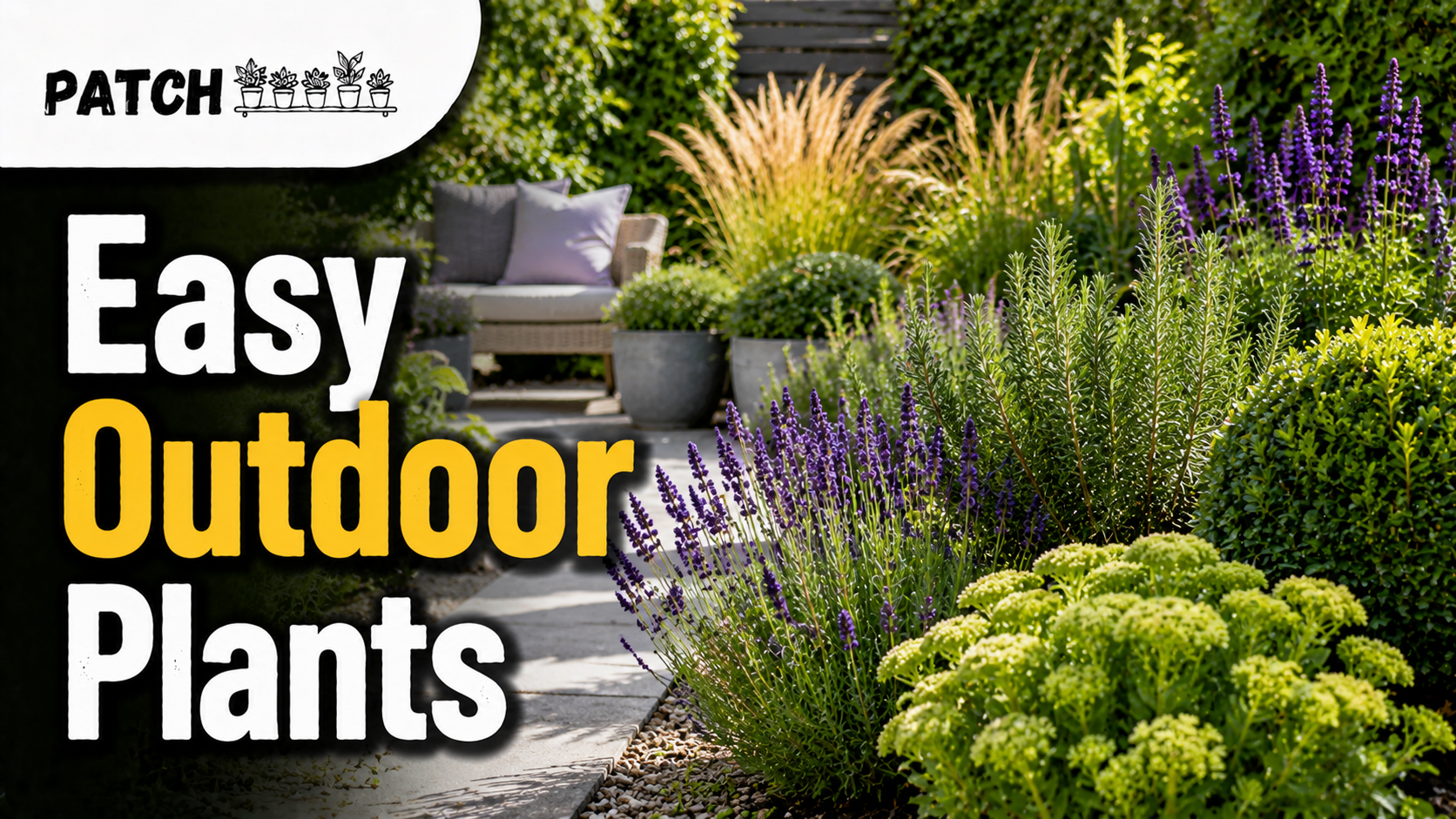
Best Low-Maintenance Outdoor Plants for Busy Gardeners
Key Takeaways Low maintenance outdoor plants are the best choice for busy gardeners who want a garden that looks good without constant watering, pruning, feeding, and replacing. The best easy care plants are usually hardy, drought-tolerant, pest-resistant, and suited to your actual light, soil, and weather. Reliable low maintenance shrubs include boxwood, skimmia, dwarf conifers, rosemary, lavender, euonymus, and pittosporum. Low maintenance perennials like sedum, yarrow, salvia, catmint, hardy geranium, and ornamental grasses return every year with very little fuss. Low maintenance patio plants need large pots, drainage holes, tough…
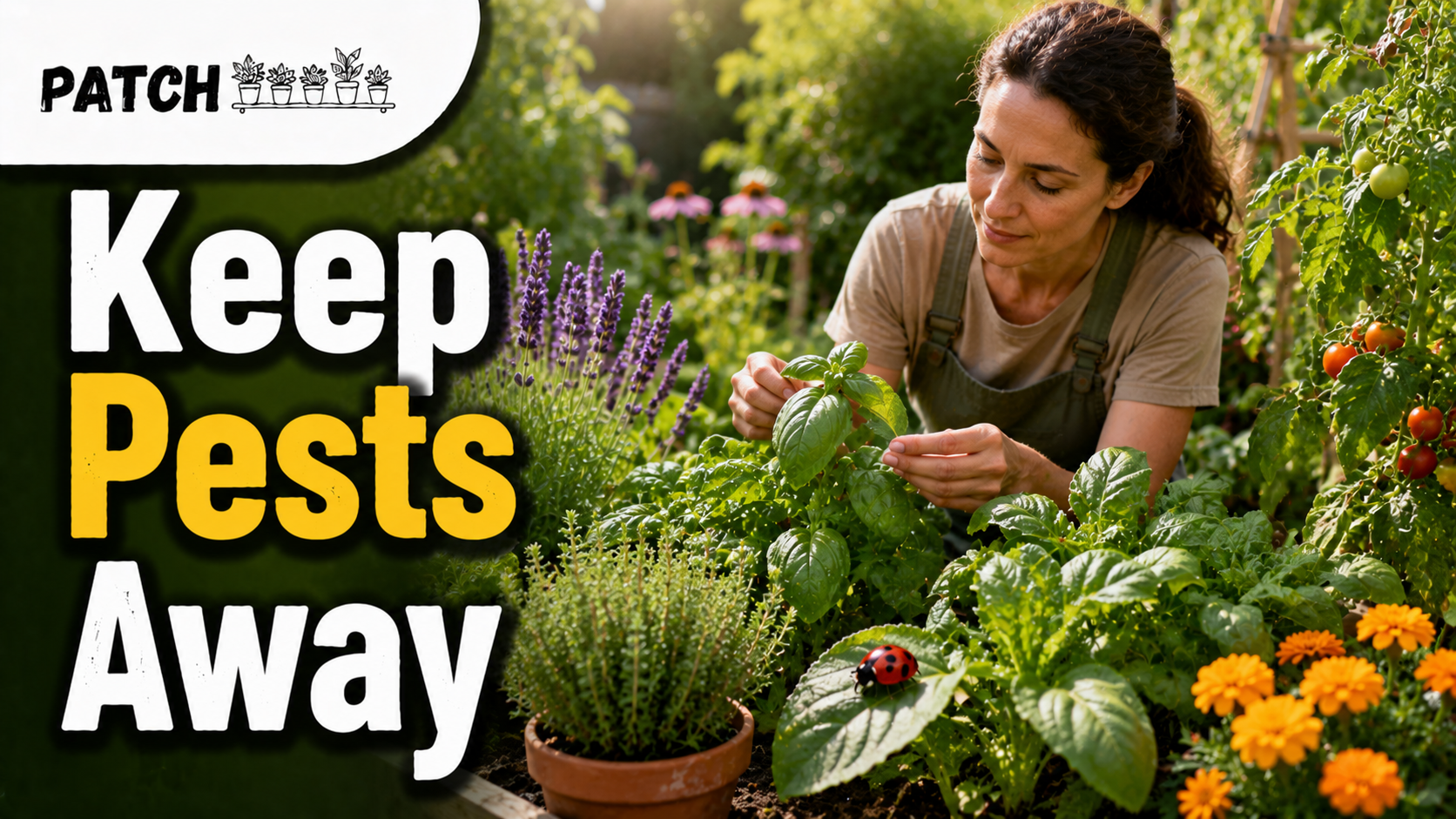
How to Keep Pests Away from Outdoor Plants
Key Takeaways Keep pests away by starting with prevention, not panic. Healthy soil, good airflow, correct watering, and clean pots reduce most outdoor pest problems. Garden pest prevention works best when you identify the pest first. Aphids, slugs, whiteflies, caterpillars, spider mites, and fungus gnats need different treatment. A natural bug spray for plants can help, but it should be tested on a small leaf area before spraying the whole plant. Natural bug repellent for garden use includes herbs, companion planting, barriers, beneficial insects, and gentle homemade sprays. Garden insect…