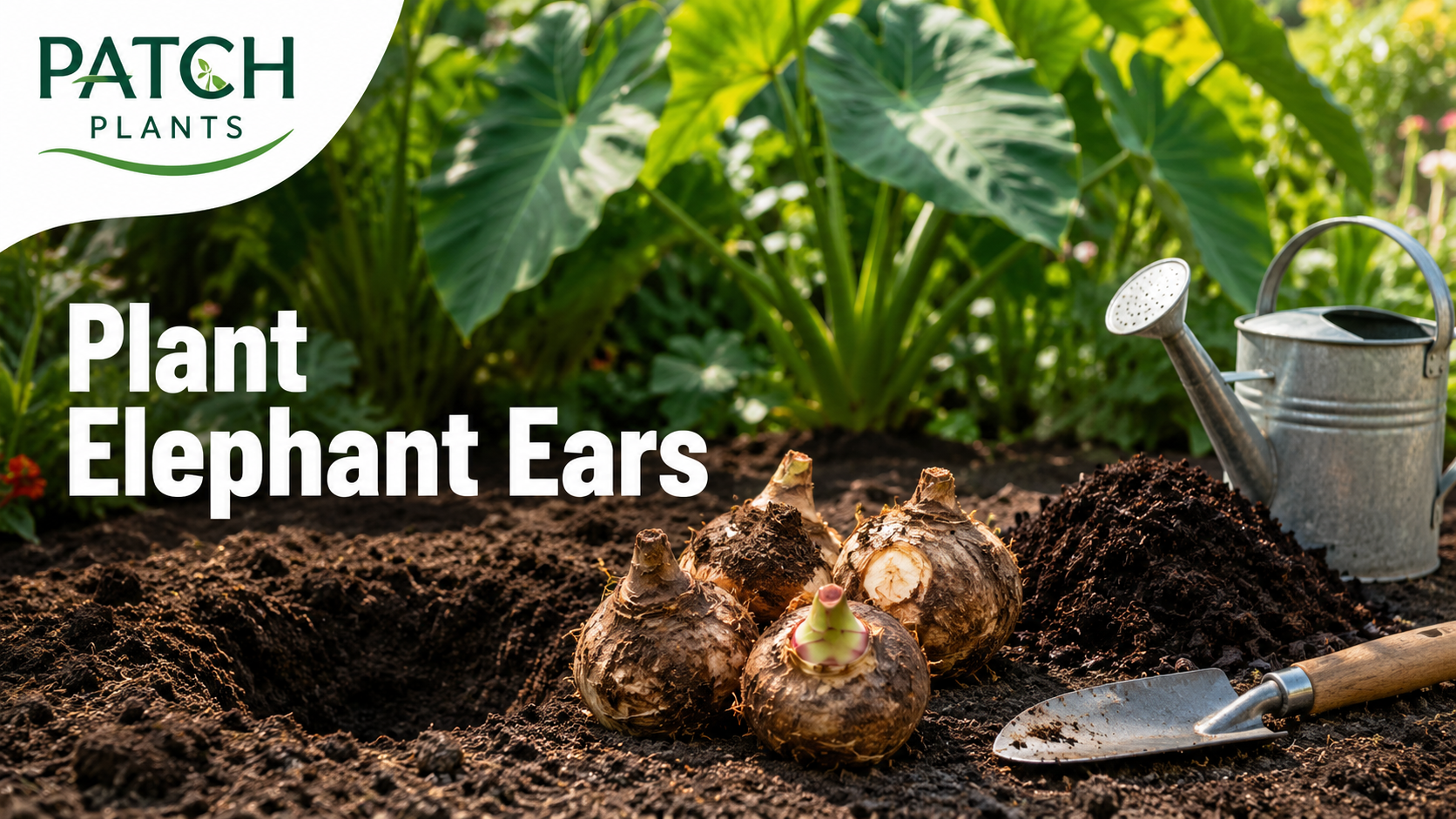
Planting elephant ear bulbs works best once frost has passed and the soil is warm. Plant the bulb with the pointed or sprouting side up and the top close to the soil surface, in fertile, moist but draining soil, then keep it evenly moist and feed once leaves start growing. Elephant ears are tropical, so cold wet soil is the main thing to avoid.
I am Sawera Shahid, a botanist at Patch Plants. Below I cover timing, depth, which way up, soil, containers, aftercare and winter storage, plus what to do if the bulbs do not sprout.
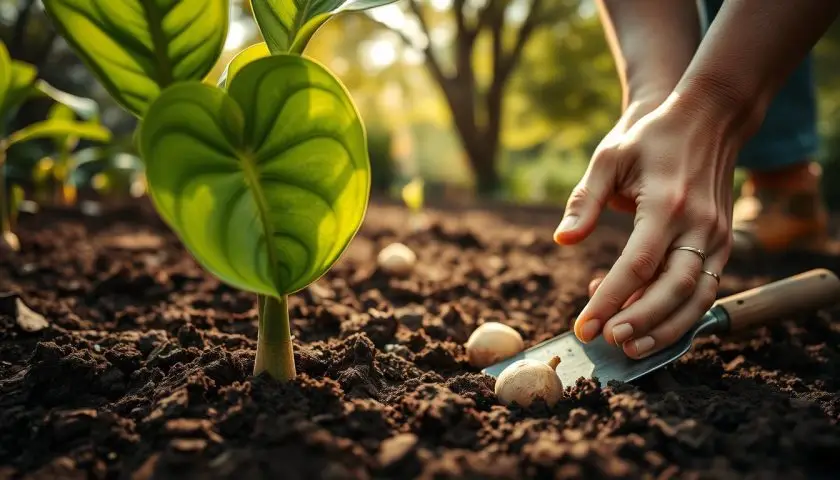
What Elephant Ear Bulbs Need
Elephant ears are grown for huge leaves, so they need more warmth, moisture and food than most bedding plants. Wisconsin Horticulture describes them as plants that need fertile, moist soil, plenty of water and fertiliser while growing, and notes that growth falters if temperatures stay below 50°F for long periods.
The name covers three genera: Colocasia, Alocasia and Xanthosoma. What we call bulbs are usually corms or tubers, which store energy for new growth, so keep them firm, warm and protected from rot.
| Type | Best Use | Planting Note |
|---|---|---|
| Colocasia | Beds, containers, pond edges | Tolerates wetter soil and grows strongly in summer |
| Alocasia | Pots, sheltered patios, bright filtered spaces | Needs sharper drainage and humidity |
| Xanthosoma | Warm gardens and large containers | Needs warmth, room, fertile soil and moisture |
For a broader profile, see our elephant ear care guide, and for pots inside the house, elephant ear plant indoors.
A note on invasiveness: UF/IFAS warns that wild taro (Colocasia esculenta) and Xanthosoma sagittifolium are invasive in Florida and should not be planted near waterways. If you garden in a warm, wet region, check local guidance before planting.
When to Plant Elephant Ear Bulbs
Clemson Extension says the corms are best planted in spring after the last frost, and Wisconsin Horticulture suggests starting them indoors in March and moving them out in late May or early June in a cold climate. Soil that is still cold and wet makes bulbs sit inactive or rot.
| Situation | Best Timing | Care Tip |
|---|---|---|
| Garden beds | After the last frost, once soil is warm | Do not rush into cold wet soil |
| Outdoor containers | After nights are reliably mild | Containers warm faster but dry faster |
| Starting indoors | Several weeks before outdoor planting | Keep warm and bright, avoid overwatering |
| Frost-free climates | Spring or the warm season | Avoid cold, soggy dormant spells |
Use your last frost date as a guide, but also feel the soil. A sunny raised bed warms faster than heavy, shaded clay. If you are unsure, wait a little longer or start the bulbs indoors in a pot with a rich, draining mix, then move them out gradually once nights are warm. Our garden calendar helps with timing.
How Deep to Plant Elephant Ear Bulbs
How deep to plant elephant ear bulbs is the most common question, and guidance varies. Wisconsin Horticulture says to set the bulb with the top close to the soil surface. Many nursery guides suggest a few inches of cover. I recommend the shallow end, with the top of the bulb at or just below the surface, because deeper planting in cold, wet soil is what leads to rot and slow sprouting.
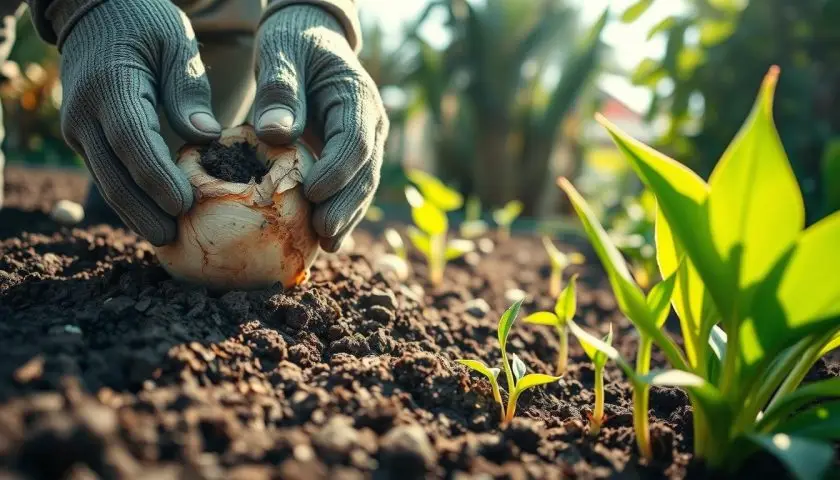
- Heavy or wet soil: plant shallower and improve drainage.
- Warm, well-prepared soil: a little more cover is fine for large bulbs.
- Already sprouting bulbs: keep the shoot close to the surface and do not bury it.
If weeks pass with no growth in warm conditions, gently check the bulb. If a bulb pushes out of the soil as roots grow, add a little soil around the base.
Which Side of an Elephant Ear Bulb Goes Up?
When planting elephant ear bulbs, look for a pointed end, a small nub, a growing eye, an old stem scar or a visible sprout, and plant that side up. The flatter side with root scars goes down. If you cannot tell, lay the bulb on its side, since a healthy shoot will find its way upward.
Choosing a Location for Planting Elephant Ear Bulbs
When planting elephant ear bulbs, choose the site with mature size in mind. Wisconsin Horticulture says cultivars range from 8 inches to over 9 feet, with most in the 3 to 5 foot range, so allow plenty of room. Many types tolerate partial shade, while darker-leaved varieties are best in full sun. UF/IFAS notes that most prefer full sun with plenty of water and fertiliser. In hot climates, morning sun with afternoon shade is a safe middle ground.
Warm, sheltered borders, large patio containers and moist beds suit them best. Avoid exposed, windy spots, dry sandy soil without improvement, deep shade and small beds where mature leaves will crowd everything. See container gardening on patios and how to keep your outdoor plants alive.
Preparing Soil for Planting Elephant Ear Bulbs
Clemson Extension recommends well-drained, moist, organically rich soil. In practice:
- Clay: mix in compost and grit, or plant on a raised mound if the site stays wet.
- Sandy soil: add compost to hold moisture, mulch after shoots appear, and feed during growth.
- Containers: use about 2 parts potting mix, 1 part compost and 1 part perlite or bark, in a pot with drainage holes.
For more recipes, see our soil mix guide. If you are filling beds or mulching, the soil calculator and mulch calculator tell you how much to buy.
Inspect Bulbs Before Planting Elephant Ear Bulbs
A healthy bulb feels firm and heavy for its size. Reject bulbs that are mushy, hollow or foul-smelling, and be cautious with light surface mould, which you can clean off and dry if the bulb is firm inside. Small dry marks on a firm bulb are normal storage wear.
How to Plant Elephant Ear Bulbs Step by Step
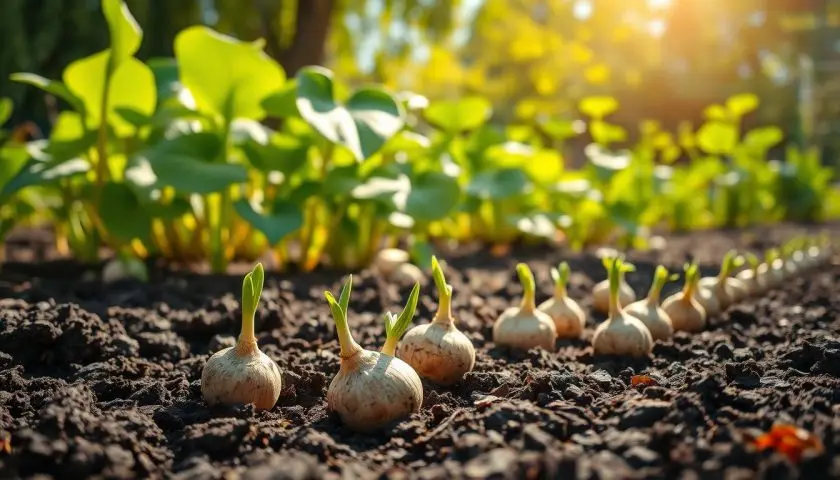
- Clear and loosen the soil wider than the bulb, removing weeds and stones.
- Mix in compost to improve fertility and moisture retention.
- Dig the hole so the top of the bulb sits at or just below the surface.
- Position the bulb with the pointed side or sprout up, or on its side if unsure.
- Backfill gently and firm lightly without compacting.
- Water once thoroughly, then keep the soil lightly and evenly moist.
- Mark the spot so you do not dig into the bulb while it is slow to sprout.
- Feed once leaves are growing strongly.
Planting Elephant Ear Bulbs in Containers
Planting elephant ear bulbs in containers suits patios, balconies and cold climates. Clemson Extension recommends a container at least 18 inches wide and deep, and says container corms are more vulnerable to freezing, so move them indoors for winter.
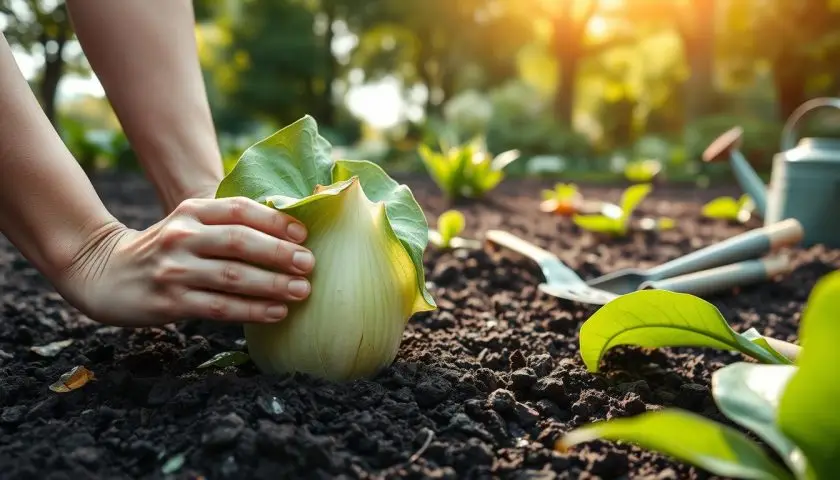
- Use a heavy pot with drainage holes so tall plants do not tip.
- Water when the top layer begins to dry, since containers dry fast in summer.
- Feed regularly. Wisconsin Horticulture notes they are heavy feeders, especially in containers.
- Protect large leaves from strong wind.
See also our self-watering pots guide.
Watering After Planting Elephant Ear Bulbs
Water thoroughly once after planting, then keep the soil lightly moist before shoots appear, and increase watering as leaves expand. Avoid daily heavy watering in cool weather, which rots bulbs. In summer, long dry spells make leaves droop and edges crisp, especially in containers. As growth slows at the end of the season, ease off.
A soft bulb with a bad smell, yellowing leaves in wet soil and fungus gnats in pots point to too much water. See our watering guide, worst times to water plants and signs you are overwatering.
Light, Warmth and Feeding
Give indoor starts bright indirect light and move them outside gradually. Protect young shoots from harsh afternoon sun at first. After planting elephant ear bulbs, wait until leaves are growing before feeding heavily, then feed regularly through the warm season and stop when plants are dormant. See fertilizing indoor vs outdoor plants.
Mulch around the plant once shoots appear to keep moisture in, but keep it away from the crown to reduce rot risk.
Why Elephant Ear Bulbs Are Not Sprouting
Slow sprouting after planting elephant ear bulbs is not always failure, because the bulb may be waiting for warmer soil. Common causes are cold soil, planting too deep, rot, soil that is too wet or too dry, too much shade, or simply not enough warm days yet.
- Wait if the weather has only just warmed.
- Check soil moisture and avoid soaking cold soil.
- After many warm weeks with no growth, gently uncover the bulb.
- Replant at a better depth if it is firm, and replace it if it is soft, hollow or foul-smelling.
For other problems, read yellow leaves on plants, leaf curl, browning and droop and our root rot guide.
Pest and Disease Checks After Planting Elephant Ear Bulbs
Check the undersides of the big leaves early. Aphids, spider mites, thrips, mealybugs and scale can hide there, and outdoors slugs and snails make holes. Prevent rot by avoiding cold wet soil, removing rotting leaves, improving airflow and discarding badly rotten bulbs. See how to clean plant leaves.
Storing Elephant Ear Bulbs for Winter
Storing elephant ear bulbs matters in cold climates. Wisconsin Horticulture says most are hardy only to zone 8a, and that bulbs can be dug after frost kills the foliage, dried and stored like cannas or dahlias. Clemson Extension advises drying the corm for several days, storing it in an open container with dry peat moss at about 45 to 55°F, and never letting it freeze.
- Wait until frost has damaged the foliage, then cut back the leaves.
- Lift the bulbs with a fork and brush off loose soil.
- Dry them for several days in a sheltered, airy place.
- Store them cool and frost-free, and check through winter for rot.
In zones 8 to 12, Clemson suggests mulching the corms well in autumn. Potted plants can instead come indoors before frost into bright light, with less water while they rest. See our autumn plant care guide and outdoor plants for British winters.
Safety When Planting Elephant Ear Bulbs
The ASPCA lists elephant ears (Colocasia esculenta) as toxic to dogs and cats because of insoluble calcium oxalates, which cause mouth irritation, drooling and vomiting. Wisconsin Horticulture notes that all parts contain calcium oxalate crystals that irritate skin. Wear gloves when planting or dividing, wash your hands afterwards and keep bulbs and leaves away from pets and children. See our guides to cat-friendly and dog-friendly plant choices.
Frequently Asked Questions
When is the best time for planting elephant ear bulbs?
In spring after the last frost, once the soil has warmed. In cold climates you can start them indoors earlier and move them out in late spring.
How deep should I plant elephant ear bulbs?
Keep it shallow, with the top of the bulb at or just below the soil surface, as Wisconsin Horticulture advises. Deep planting in cold wet soil risks rot and slow sprouting.
Which side of an elephant ear bulb goes up?
The pointed side, growing eye or visible sprout goes up. If you cannot tell, plant the bulb on its side.
Can I plant elephant ear bulbs in containers?
Yes. Use a container at least 18 inches wide and deep with drainage holes, rich potting mix, steady moisture and regular feeding, and bring it indoors before frost.
Why are my elephant ear bulbs not sprouting?
The soil may be too cold, too wet or too dry, the bulb may be planted too deep or rotten, or it may just need more warm days. Gently check a firm bulb before replacing it.
Final Thoughts
Planting elephant ear bulbs is mostly about timing and warmth. Wait for the cold to pass, keep the planting shallow, use rich moist soil, water steadily and feed once leaves appear, and you will get bold summer foliage. As a botanist, my main advice is not to rush, because a late start in warm soil beats an early one in cold mud. For more guidance, explore Patch Plants and our outdoor plants section.
Sources: Wisconsin Horticulture, Elephant ears; Clemson HGIC, Elephant ears; UF/IFAS Gardening Solutions, Elephant ears; ASPCA, Elephant Ears.