Successful candy corn plant care is less about quick fixes and more about providing consistent light, sensible watering, good drainage, appropriate temperatures, and timely pruning. Once these basics are balanced, the plant can develop bushier growth and produce its distinctive flowers.
This guide covers 11 practical growing and care tips for better blooms, including choosing a healthy plant, providing enough light, preparing soil, watering correctly, managing humidity, fertilizing, pruning, propagation, and solving common problems.
For more seasonal growing advice, explore our Outdoor Plants guides and Plant Care guides.
QUICK ANSWER
How Do You Care for a Candy Corn Plant?
Give your candy corn plant plenty of bright light, loose and well-draining soil, and consistent moisture without leaving the roots in soggy conditions. Outdoor plants can benefit from full sun when properly acclimated, while container-grown plants need reliable drainage and enough room for root development.
Protect the plant from frost and sudden environmental changes. Feed appropriately during active growth, prune to maintain bushier growth, and inspect the foliage regularly for pests.
For better blooms, focus on consistency. Stable light, appropriate moisture, seasonal care, and timely pruning are more useful than repeatedly changing the plant’s conditions.
PATCH PLANTS SUMMARY
Candy Corn Plant Care: Key Takeaways
- Consistent light and temperature help support healthy growth and flowering.
- Good drainage is important for protecting the root system from prolonged saturation.
- Water according to soil conditions rather than following a rigid schedule.
- Regular pruning can encourage a fuller, more branching plant.
- Adjust care when moving plants between indoor and outdoor environments.
- Feed during active growth without overfertilizing.
- Protect container-grown plants from frost and cold conditions.
- Inspect leaves and stems regularly so pest problems can be caught early.
What Does a Candy Corn Plant Need to Bloom Well?
Before adjusting individual care tasks, it helps to understand how the candy corn plant naturally grows.
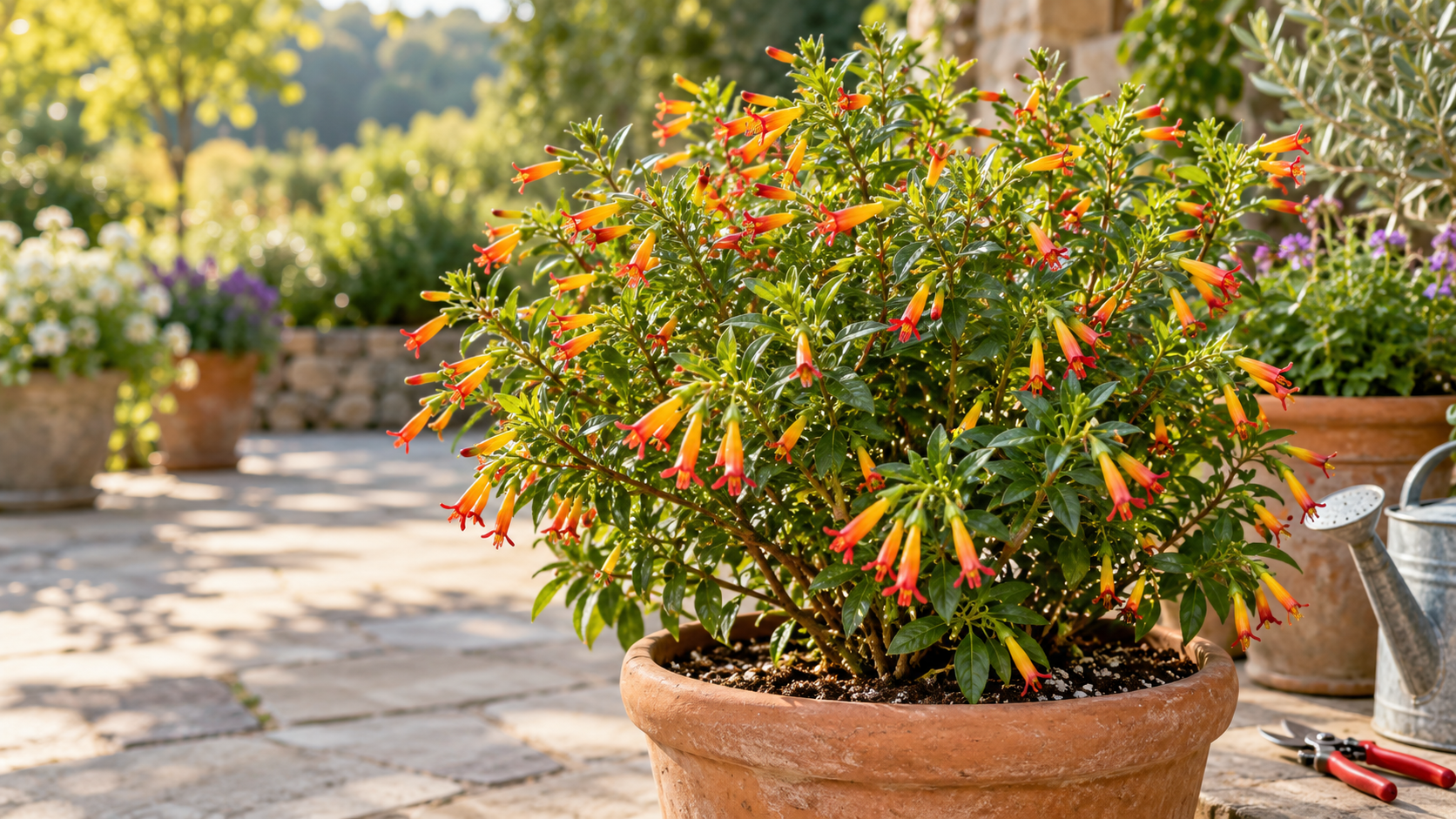
Cuphea micropetala is a warm-loving perennial shrub. The source describes it as concentrating on leafy and stem growth during spring and early summer before producing its characteristic tubular flowers later in the growing cycle.
Recognizing Cuphea micropetala
The flowers are the plant’s most recognizable feature. Their yellow and orange coloring creates the candy-like appearance responsible for the common name.
The plant develops an upright, bushy form rather than growing as a climbing vine.
Candy Corn Plant vs. Candy Corn Vine
Do not confuse Cuphea micropetala with candy corn vine (Manettia luteorubens).
The plant covered in this guide is a self-supporting shrub with a woody base. Candy corn vine, by comparison, grows as a climber and needs support.
Checking the botanical name on the plant label is the easiest way to make sure you are caring for the correct plant.
How Large Can a Candy Corn Plant Grow?
Under favorable conditions, the source describes the shrub as reaching roughly three to four feet in height with a similar spread.
Allow enough room for the mature plant rather than choosing its location based only on the size of a young nursery specimen.
Indoor, Outdoor, or Container Growing?
Climate influences where you can keep your candy corn plant.
In frost-free conditions, it can remain outdoors for much more of the year. Where winters are cold, container growing makes it easier to move the plant into a protected location before freezing conditions arrive.
Tip 1: Choose a Healthy Candy Corn Plant
Good candy corn plant care begins before you bring the plant home. Choosing a healthy nursery specimen can save considerable troubleshooting later.
Check the Foliage and Stems
Look for firm, upright stems and healthy green foliage.
Avoid plants showing widespread yellowing, severe spotting, obvious wilting, or soft damaged stems.
Inspect the Root Area
If the roots are visible, look for firm, healthy tissue rather than brown, mushy roots.
The soil should not smell unpleasant or appear permanently saturated.
If you are concerned about damaged roots, our root rot guide explains common warning signs and root problems.
Check for Pests
Examine stems, new growth, and leaf undersides.
Webbing, sticky residue, clusters of small insects, or damaged new growth can indicate an active pest problem.
Look for Healthy Bud Development
Developing flower buds near healthy branch tips can be a positive sign that a nursery plant is actively growing.
Acclimate the Plant After Purchase
Do not assume a nursery plant is already accustomed to intense outdoor sun.
If it has been growing under protected nursery conditions, gradually expose it to stronger light rather than moving it immediately into harsh direct sunlight.
| Plant Part | Healthy Sign | Warning Sign |
|---|---|---|
| Foliage | Green and firm | Yellowing or heavily spotted |
| Stems | Sturdy and upright | Soft or severely wilted |
| Roots | Firm healthy tissue | Brown or mushy tissue |
| Pests | None visible | Webs, insects, or sticky residue |
Tip 2: Give Your Candy Corn Plant Enough Light
Light is one of the most important factors for strong growth and better flowering.
Provide Plenty of Sun Outdoors
The source recommends a sunny outdoor position and describes at least six hours of sunlight as suitable when conditions are appropriate.
However, a plant that has been growing in shade should be acclimated before receiving much stronger direct sun.
Choose the Brightest Suitable Indoor Position
If you are keeping a candy corn plant indoors or on a balcony, choose the brightest suitable position available.
A bright window or sunny balcony location can help support stronger growth and bud development.
Watch for Stretched Growth
Long, thin, pale stems or a plant leaning strongly toward its light source can indicate insufficient useful light.
Increase exposure gradually rather than suddenly moving a shade-adapted plant into intense midday sun.
If you are unsure how to evaluate indoor light, read our indoor plant light guide.
Tip 3: Use Loose, Fertile, Well-Draining Soil
A healthy root environment is essential for candy corn plant growth.
The growing medium should retain useful moisture while still allowing excess water to drain and air to reach the roots.
Improve Heavy Garden Soil
If garden soil is dense or clay-heavy, improve its structure before planting.
The source suggests incorporating organic compost and drainage-improving materials such as perlite or coarse sand where needed.
Use a Suitable Potting Mix for Containers
When growing the plant in a container, use a potting medium that drains freely rather than filling the container with dense garden soil.
Our soil mix guide explains how drainage, aeration, and moisture retention work together.
Tip 4: Choose the Right Container and Planting Depth
A good container gives the roots room to grow without surrounding them with an unnecessarily large volume of wet soil.
Use a Pot With Drainage Holes
Functional drainage holes are essential.
Water should be able to move through the root zone and escape from the bottom rather than collecting around the roots.
Do Not Oversize the Container
The source recommends choosing a pot only modestly wider than the existing root ball.
This makes moisture easier to manage than placing a small root system into a very large container.
Keep the Original Planting Depth
When transplanting, position the top of the root ball approximately level with the surrounding growing medium rather than burying the base of the stem unnecessarily deeply.
FREE PATCH PLANTS TOOL
How Much Soil Does Your Planter Need?
If you are planting your candy corn plant in a rectangular container or garden bed, use our free Soil Calculator to estimate how much soil you need.
After calculating the volume, use our soil mix guide to understand how to create a healthier root environment.
Tip 5: Water the Candy Corn Plant Consistently
Successful watering means balancing moisture with drainage.
Check the Soil Before Watering
Do not judge moisture only from the appearance of the soil surface.
Check below the surface before deciding whether the root zone needs additional water.
Water Thoroughly When Needed
When watering is necessary, moisten the root zone thoroughly and allow excess water to leave through the drainage holes.
For more help judging plant moisture, read our complete watering guide.
Avoid a Rigid Watering Calendar
Water requirements change according to temperature, rainfall, container size, plant size, light, and whether the plant is indoors or outdoors.
A sunny balcony container can dry considerably faster than the same plant growing under different conditions.
Do Not Keep the Roots Soggy
Standing water and persistently saturated soil can stress the root system.
If the growing medium stays wet for long periods, investigate drainage and watering habits. Our overwatering guide can help you identify common mistakes.
Tip 6: Manage Humidity Without Keeping Foliage Wet
The source describes the candy corn plant as benefiting from moderate humidity, particularly when grown indoors.
Increase Indoor Humidity When Necessary
Grouping plants or using a room humidifier can help in particularly dry indoor environments.
The source also suggests a pebble tray as an option, with the pot kept above rather than submerged in the water.
Maintain Airflow
Humidity should not mean keeping leaves constantly wet.
Reasonable air circulation helps moisture evaporate from foliage and prevents a persistently stagnant environment around the plant.
Tip 7: Protect the Candy Corn Plant From Temperature Extremes
This warm-loving plant needs protection from cold conditions.
Move Containers Before Freezing Conditions
Where frost or freezing weather occurs, move container-grown plants into a protected location before severe cold arrives.
Protect Plants From Sudden Heat Stress
Although the plant benefits from strong light, unusually intense heat can still stress foliage.
If a plant is struggling during extreme heat, temporary protection from the harshest afternoon conditions may help.
Overwinter in a Protected Location
Container growing gives gardeners in colder climates the option of moving the plant into a bright, protected environment for winter.
Keep it away from damaging frost and abrupt temperature changes.
Tip 8: Fertilize During Active Growth
Appropriate nutrition can support healthy stems, foliage, and flowering, but overfeeding a candy corn plant is not a shortcut to better blooms.
Use a Balanced Fertilizer
The source recommends a balanced fertilizer during active growth.
Follow the product label for concentration and application rather than assuming that a stronger solution will produce more flowers.
Adjust Feeding to Growing Conditions
Container plants and established garden plants do not necessarily have identical nutrient requirements.
Plants growing in containers have access only to the nutrients available within a limited volume of growing medium.
Do Not Fertilize a Severely Stressed Plant
Pause or reduce feeding when the plant is dormant, recovering from transplant stress, or experiencing significant environmental problems.
Correct the underlying stress before trying to force new growth with fertilizer.
Tip 9: Prune Your Candy Corn Plant for Fuller Growth
Pruning can help create a more compact, branching plant while removing damaged or unwanted growth.
Pinch Growing Tips
Pinching soft growing tips can encourage branching and help prevent the plant from becoming unnecessarily sparse or leggy.
Remove Spent Flowers and Damaged Growth
Keep the plant tidy by removing faded flowers and clearly damaged or declining foliage when appropriate.
Use Clean, Sharp Pruners
Clean cuts are preferable to crushed or torn stems.
Keep pruning tools clean, particularly when moving between plants.
Our pruning basics guide covers useful principles for cleaner and more purposeful pruning.
Time Larger Pruning Carefully
The source recommends scheduling major shaping after a flowering flush or before a new period of active growth.
Avoid removing excessive foliage at once. Gradual shaping is less disruptive than an unnecessarily severe cutback.
Tip 10: Propagate Candy Corn Plant From Healthy Cuttings
Candy corn plant propagation gives you a way to produce additional plants from healthy existing growth.
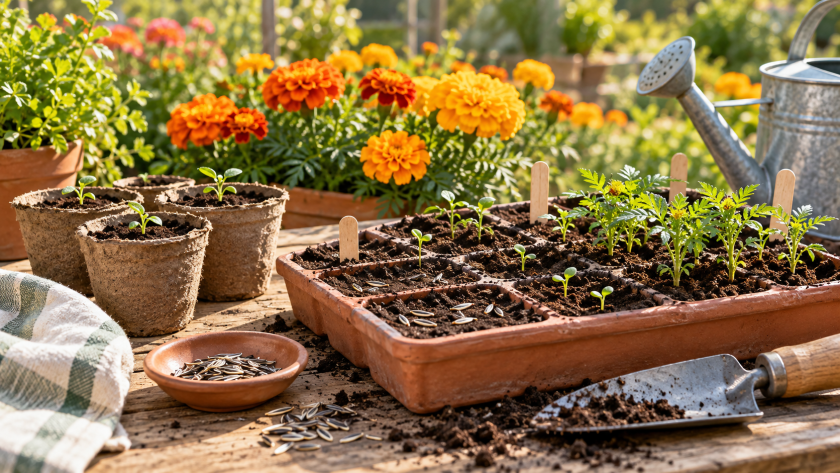
Choose Healthy Softwood Growth
The source recommends taking softwood cuttings during active spring or summer growth.
Choose healthy, flexible, non-flowering shoots rather than damaged or declining stems.
Use Clean Tools
Take cuttings with clean, sharp tools to reduce unnecessary tissue damage.
Remove Lower Leaves
Remove foliage from the lower portion of the cutting before placing it into the rooting medium.
This keeps buried leaves from sitting in moist material where they could deteriorate.
Use a Clean, Well-Draining Rooting Medium
The source suggests a sterile, well-draining rooting medium, such as a combination using perlite and peat moss.
Keep the medium evenly moist without saturating it.
Provide Bright, Indirect Light
Fresh cuttings do not yet have an established root system, so avoid immediately exposing them to harsh direct sunlight.
Provide bright, filtered light while roots develop.
Transplant After Root Development
Once the cutting has established roots and begins producing healthy new growth, move it gradually into a slightly larger container.
If the new plant will eventually live outdoors, acclimate it gradually rather than moving it directly from protected conditions into harsh sun and wind.
Tip 11: Prevent Candy Corn Plant Pests, Diseases, and Blooming Problems
Regular inspection is one of the simplest ways to keep a candy corn plant healthy.
Watch for Common Pests
The source identifies aphids, whiteflies, spider mites, and scale as pests worth checking for.
Inspect new growth, stems, and leaf undersides regularly.
Isolate an Affected Plant
If a container plant develops an active infestation, separating it from nearby plants can help reduce the chance of pests spreading.
Start With Low-Impact Control
For minor infestations, the source suggests options such as water sprays and appropriately used insecticidal soap or horticultural oil.
Always follow the product label and test treatments cautiously.
Investigate Yellow Leaves
Yellow foliage should trigger investigation rather than an automatic treatment.
Check moisture, drainage, light, nutrition, pests, and recent environmental changes.
Use our yellow leaves guide to work through common possibilities.
Investigate Leaf Drop
Sudden temperature changes or other environmental stress can contribute to leaf drop.
Review what changed shortly before the problem began rather than adjusting every part of the care routine at once.
Why Is My Candy Corn Plant Not Blooming?
If flowering is disappointing, review the basics first.
Check whether the plant receives enough useful light, whether it has been overfertilized, whether temperatures are suitable, and whether recent stress or severe pruning interrupted growth.
Help a Declining Plant Recover
If your plant is struggling overall, use our step-by-step plant rescue guide to evaluate its growing conditions systematically.
Candy Corn Plant Care by Growing Location
| Growing Location | Main Priority | What to Watch |
|---|---|---|
| Garden Bed | Sun and drainage | Heavy soil, prolonged rain, cold |
| Patio Container | Moisture and drainage | Rapid drying or saturated soil |
| Balcony | Light and container stability | Wind and rapid moisture loss |
| Indoors | Strong light and airflow | Low light, dry air, pests |
Common Candy Corn Plant Problems
| Problem | What to Check | Possible Adjustment |
|---|---|---|
| Yellow leaves | Moisture, drainage and nutrition | Correct the underlying growing condition |
| Leaf drop | Recent temperature or environmental changes | Restore more stable conditions |
| Long, weak stems | Available light | Increase suitable light gradually |
| Poor flowering | Light, fertilizer, temperature and pruning | Correct the limiting care factor |
| Mushy roots | Drainage and excessive moisture | Investigate root health and drainage |
Candy Corn Plant Seasonal Care
Spring
As active growth increases, evaluate the plant’s light, container size, soil condition, and overall structure.
This can also be an appropriate period for shaping established plants and taking healthy softwood cuttings as growth develops.
Summer
Monitor soil moisture carefully during hot weather, especially in containers.
Maintain suitable light and inspect regularly for pests. Avoid assuming that every wilted plant automatically needs more water; check the root zone first.
Late Summer and Autumn
The source describes late summer into autumn as an important flowering period for Cuphea micropetala.
Maintain stable care rather than making unnecessary major changes while the plant is developing flowers.
Winter
In climates with freezing conditions, protect container-grown plants before frost.
Indoor or protected plants may grow differently during winter, so adjust watering and feeding according to actual growth and soil conditions.
Common Candy Corn Plant Care Mistakes
- Confusing Cuphea micropetala with candy corn vine.
- Moving a shade-grown plant directly into harsh full sun.
- Using dense soil that drains poorly.
- Growing in a container without functional drainage holes.
- Watering according to a rigid calendar instead of checking the soil.
- Leaving the root zone constantly saturated.
- Overfertilizing in an attempt to force more flowers.
- Ignoring frost or sudden temperature changes.
- Removing excessive foliage during one pruning session.
- Keeping propagation cuttings in harsh direct sunlight before roots develop.
- Ignoring early signs of pests or environmental stress.
Candy Corn Plant Care Checklist
- Confirm that the plant is Cuphea micropetala.
- Provide strong suitable light.
- Acclimate plants gradually to stronger direct sun.
- Use loose, well-draining growing medium.
- Choose containers with drainage holes.
- Check soil moisture before watering.
- Avoid keeping roots continuously saturated.
- Maintain reasonable airflow around foliage.
- Protect the plant from frost and severe cold.
- Feed appropriately during active growth.
- Prune gradually to encourage branching.
- Inspect regularly for pests and declining foliage.
KEEP LEARNING WITH PATCH PLANTS
Grow a Healthier Candy Corn Plant
Browse more seasonal growing advice in our Outdoor Plants guides and troubleshoot common issues through the Plant Care library.
If you are preparing a rectangular garden bed or planter, use our Soil Calculator. You can then review the soil mix guide for help understanding drainage and growing-medium structure.
For moisture-related problems, read the watering guide, overwatering guide, and root rot guide.
Frequently Asked Questions About Candy Corn Plant Care
Is the candy corn plant a shrub or a vine?
Cuphea micropetala, the plant covered in this guide, is a self-supporting shrub. It should not be confused with candy corn vine (Manettia luteorubens), which has a climbing growth habit.
What are the best conditions for candy corn plant blooms?
Provide plenty of suitable light, well-draining soil, appropriate moisture, warm conditions, and consistent care. Avoid abrupt environmental changes and excessive fertilizer.
How often should I fertilize a candy corn plant?
Feed during active growth using a suitable balanced fertilizer according to its label. Container plants may require different nutrient management from established garden plants, so avoid using one rigid schedule for every situation.
How do you propagate a candy corn plant?
The source recommends taking healthy softwood cuttings during active spring or summer growth. Remove the lower leaves, place the cutting into a clean, well-draining rooting medium, maintain appropriate moisture, and provide bright indirect light while roots develop.
Why are my candy corn plant leaves turning yellow?
Yellow leaves can be associated with moisture, drainage, nutrition, or other environmental stress. Check the soil and root-zone conditions before making major changes to the care routine.
When should I prune a candy corn plant?
Soft growing tips can be pinched to encourage branching. The source recommends timing larger shaping after a flowering flush or before a new period of active growth rather than removing excessive foliage at random.
How do I protect a candy corn plant during cold weather?
Protect the plant from frost and freezing conditions. Container-grown plants can be moved into a bright, protected environment before damaging cold arrives.
What should I look for when buying a candy corn plant?
Choose a plant with firm stems, healthy foliage, a sound root system, and no obvious pest infestation. Avoid plants showing extensive yellowing, mushy roots, severe wilting, or visible pests.
How can I manage humidity for an indoor candy corn plant?
In dry indoor environments, grouping plants or using a room humidifier can help. The source also suggests a pebble tray, provided the container remains above the water rather than sitting in it. Maintain airflow so foliage does not remain constantly wet.
What soil is best for a candy corn plant?
Use loose, fertile, well-draining soil. Container plants need a potting medium that provides both moisture retention and aeration without remaining saturated around the roots.
What pests affect candy corn plants?
The source identifies aphids, whiteflies, spider mites, and scale as pests to monitor. Check stems, leaf undersides, and new growth regularly so problems can be addressed early.
Final Thoughts
A healthy candy corn plant depends on consistent care more than complicated treatments. Give Cuphea micropetala plenty of suitable light, loose and well-draining soil, sensible watering, appropriate warmth, and enough room to develop.
Pruning can help maintain bushier growth, while appropriate feeding supports active development without unnecessarily forcing soft foliage. Regular inspection also makes it easier to catch pests, drainage problems, and environmental stress before they become severe.
Most importantly, observe how your candy corn plant responds to its specific environment. A garden bed, balcony container, patio pot, and indoor plant can all experience different light, moisture, temperature, and airflow conditions.
With stable care and thoughtful seasonal adjustments, this colorful shrub can develop healthy foliage and the distinctive yellow-and-orange tubular flowers that make it such an unusual addition to the garden.
Continue learning with Patch Plants, explore our Outdoor Plants guides, browse the Plant Care library, or use our Soil Calculator when preparing your next rectangular planter.