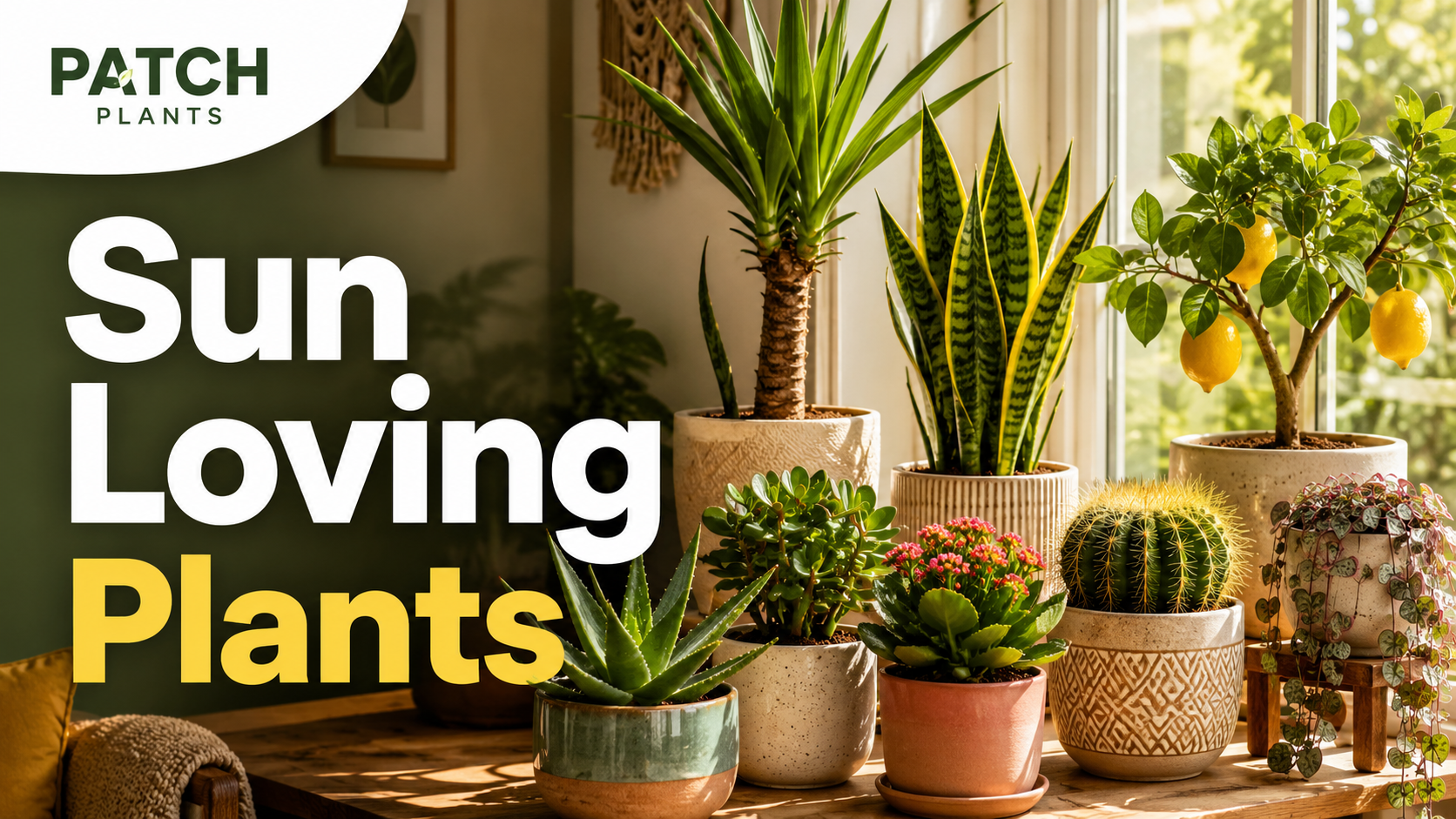
Did you know that nearly 40% of indoor plants don’t do well because of too much sunlight? Many people think all plants need soft, filtered light. But some actually love the strong, direct sun.
When we talk about house plants that like direct sunlight, we mean plants that get lots of intense sun. In most American homes, south- and west-facing windows are the best for this. Balconies can even give more sun.
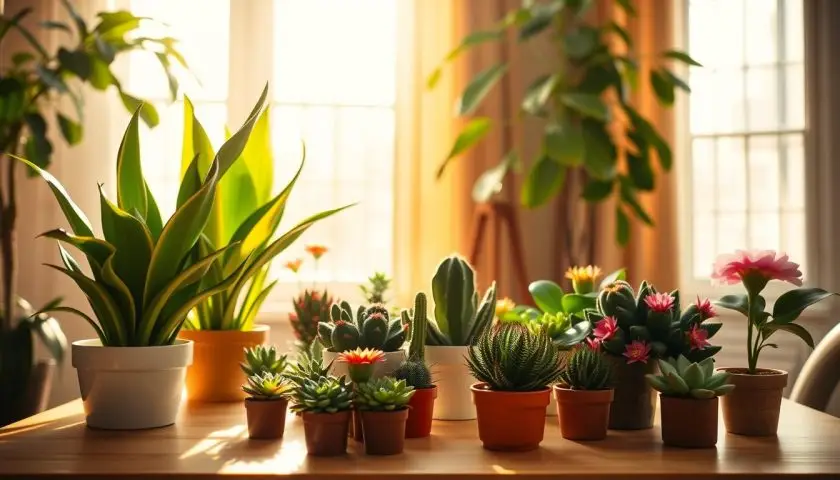
Choosing the right sun-loving house plants can turn a dull spot into a lively green space. We’ll look at the top indoor plants for direct sunlight and how to care for them. With the right watering, your plants will grow strong and healthy in the brightest spots.
Key Takeaways
- Direct exposure means unfiltered rays hitting leaves for hours a day.
- South- and west-facing windows give the most light in U.S. homes.
- Putting plants in the right spot stops problems like scorching and weak stems.
- Changing your watering schedule is key in bright environments.
- Picking the right plants means they’ll thrive, not just survive.
What Direct Sunlight Means for Indoor Plants
Sunlight is key for your indoor garden, but not all light is the same. Knowing what your plants need helps you pick the best plants for sunny spots. This way, your plants will thrive at home. Learning about the light in your rooms helps avoid mistakes and keeps your plants healthy.
Distinguish direct, bright indirect, and filtered light
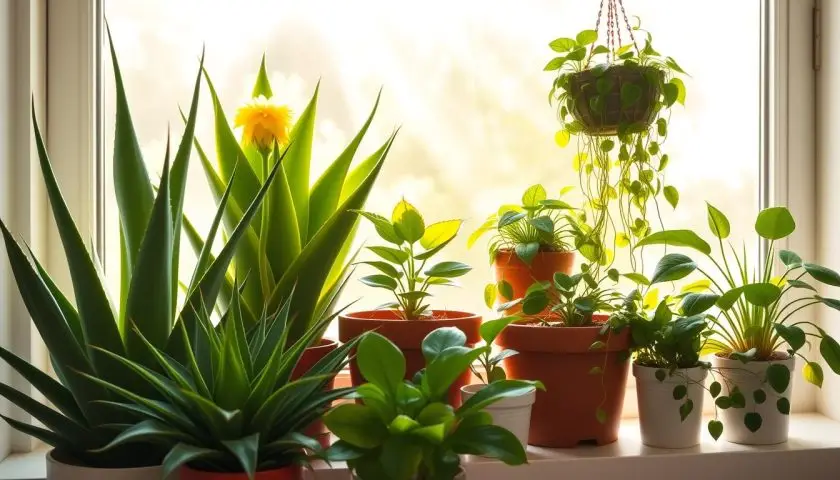
Direct sunlight hits your plants without any blockage. This is the strong, unfiltered light found on windowsills. On the other hand, bright indirect light is well-lit but not as harsh.
Filtered light is when sun passes through curtains or leaves. It softens the light but keeps it bright. Many house plants good for bright light prefer this to avoid leaf burn.
| Light Type | Intensity | Best Location |
|---|---|---|
| Direct | High | South-facing window |
| Bright Indirect | Medium-High | Near a bright window |
| Filtered | Medium | Behind sheer curtains |
Identify the sunniest windows and balconies in a U.S. home
In the U.S., south-facing windows are best for sun-loving plants. They get consistent, long-lasting sun. West-facing windows are also great, capturing afternoon sun.
Balconies are perfect for sun lovers, if not blocked by buildings or trees. If you have a patio or balcony, check how much sun it gets. This helps pick the best plants for sunny spots that will grow well.
Understand how glass, latitude, seasons, and window direction affect intensity
The glass in your windows filters UV rays, but clear glass lets enough energy for most house plants good for bright light. Remember, the sun’s angle changes with the seasons.
Your latitude affects how much light your home gets. Northern states have shorter, dimmer days in winter. Southern states get more consistent light. Adjust your plants as the seasons change to ensure they get enough energy.
How to Choose House Plants That Like Direct Sunlight
To create a lush indoor oasis, you need to understand your home’s sunlight. Not all plants can handle the same amount of light. So, picking the right plants is key to success.
By knowing your home’s light patterns, you can find direct sunlight loving indoor plants. These plants will do well in your space.
Match plant needs with south-, west-, and east-facing windows
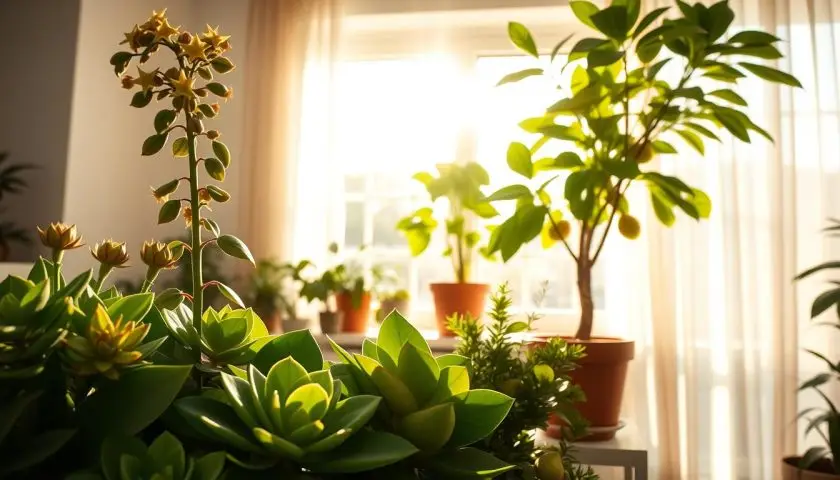
Your windows are the main light source for your plants. South-facing windows get the most light all day. This is great for many plants.
West-facing windows have strong afternoon sun that can be hot. East-facing windows have gentle morning light. This is perfect for plants that like a soft start to the day.
When picking indoor plants that thrive in direct sunlight, think about your room’s orientation. A plant that likes morning sun might not do well in a hot west-facing window. Watch how the light moves to make sure your plant is in the right spot.
Check whether a plant can handle several hours of unfiltered sun
Not all sun-loving plants are the same. Some can’t handle the heat of unfiltered afternoon sun. This sun can be much hotter than morning light, thanks to glass.
Start by placing your plant a few feet back from the glass. Move it closer as it gets used to the sun. This cautious approach helps keep your plant healthy and vibrant.
Balance heat, humidity, airflow, and available growing space
Light is just one part of caring for your plants. You also need to think about temperature and humidity. Sunny spots can get very dry.
Good airflow is key to prevent pests or fungal issues. Make sure you have enough available growing space for your plant to grow. By balancing these factors, you create a stable home for your plants.
Sun-Loving Succulents and Cacti for Bright Windows
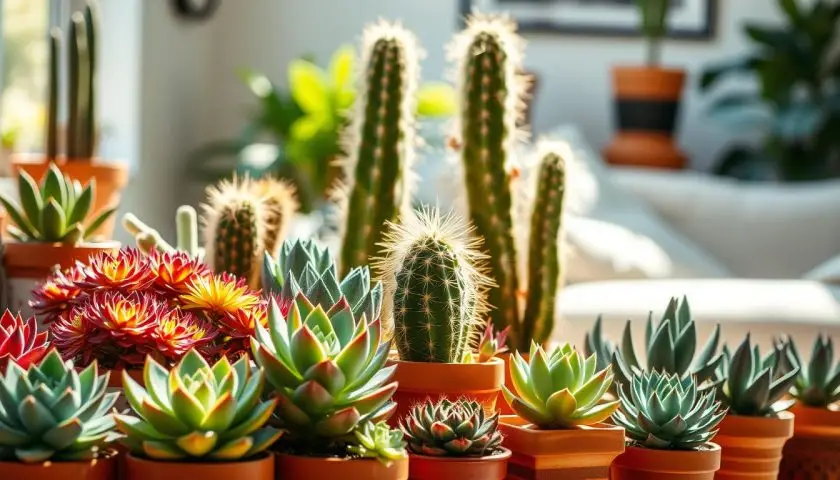
Succulents and cacti love the bright light that many plants can’t handle. They store water in their leaves or stems, making them great sun-loving plants for indoors. They need a dry period between waterings to stay healthy.
Aloe vera
Light, watering, soil, and container needs
Aloe vera is perfect for bright spots. It needs at least six hours of direct sunlight. Use a well-draining succulent potting mix and a container with big drainage holes to avoid root rot.
Jade plant
How to maintain compact growth in a sunny spot
Jade plants are great for sunny windows. They grow thick, woody stems. To keep them small, give them lots of direct light. Prune the tips to make them bushier.
Haworthia cooperi
Why this succulent needs protection from harsh afternoon rays
This succulent has leaves that look like windows. It loves bright light but can burn in direct afternoon sun. Place it in morning light or use a curtain to soften the sun.
Burro’s tail
How to provide direct sun without damaging its trailing stems
The burro’s tail is great for hanging baskets in sunny spots. These sun-friendly house plants need steady light. Be careful when moving or watering, as their leaves break off easily.
Barrel cactus
Drainage, watering intervals, and safe handling indoors
The barrel cactus is strong for bright spots. It needs good drainage and should only be watered when dry. Always use gloves or tongs to handle it to avoid spines.
| Plant Name | Light Preference | Watering Frequency |
|---|---|---|
| Aloe vera | Full Sun | Every 2-3 weeks |
| Jade Plant | Bright Direct | When soil is dry |
| Barrel Cactus | Full Sun | Monthly in winter |
Best Tropical Foliage Plants for Direct Sunlight
Your sunny windows are perfect for these beautiful tropical plants. Many think tropicals need shade, but some love the sun. These plants grow well in bright light and will look great in the right spot.
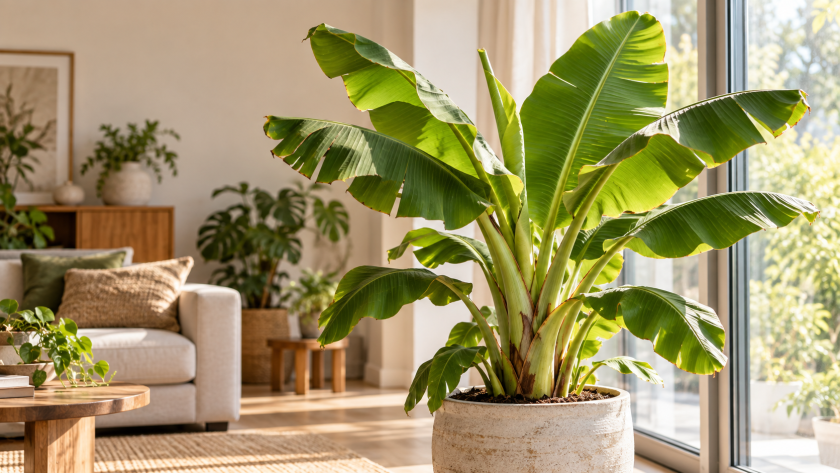
Bird of paradise
Support strong leaves with bright light, space, and regular feeding
The bird of paradise loves bright, sunny spots. It grows big, so make sure it has enough room. Feeding it regularly helps it grow strong and tall.
Snake plant
Use direct light to encourage sturdy upright growth
The snake plant is great for bright spots. It grows straight and strong in the sun. This keeps its leaves upright and looking good.
Rubber plant
Prevent leaf scorch while keeping its foliage richly colored
The rubber plant has beautiful, glossy leaves. It looks great in sunny rooms. But watch out for leaf scorch. Move it back a bit if the leaves start to fade or get brown spots.
String of hearts
Provide bright sun, excellent drainage, and a dry-down period
This plant is perfect for hanging baskets in sunny spots. It needs well-draining soil and should dry out between waterings. This keeps the roots healthy.
Ponytail palm
Manage its swollen trunk, drought tolerance, and long leaves
The ponytail palm stores water in its trunk. It’s great for those who forget to water. Place it in the sun to keep its leaves long and healthy.
| Plant Name | Light Preference | Watering Needs | Key Feature |
|---|---|---|---|
| Bird of Paradise | Direct Sun | Moderate | Large Foliage |
| Snake Plant | Bright/Direct | Low | Upright Growth |
| Rubber Plant | Bright/Direct | Moderate | Glossy Leaves |
| String of Hearts | Direct Sun | Low | Trailing Habit |
| Ponytail Palm | Direct Sun | Very Low | Swollen Trunk |
Flowering and Fruiting House Plants for Sunny Windows
Bringing nature inside is simple with the right sunlight-loving indoor plants. These plants need more than just green leaves. Succulents are okay with neglect, but flowering and fruiting plants demand more.
They need strong light and regular food to bloom or produce fruit.
Hibiscus
Meet its high light, water, humidity, and feeding requirements
The hibiscus is a tropical beauty that thrives in bright light. It needs at least six hours of direct sun daily. This is key to producing its iconic, large flowers.
Keep the soil moist and provide high humidity. This helps prevent bud drop.
Geranium
Encourage repeat blooms with direct sun and regular pruning
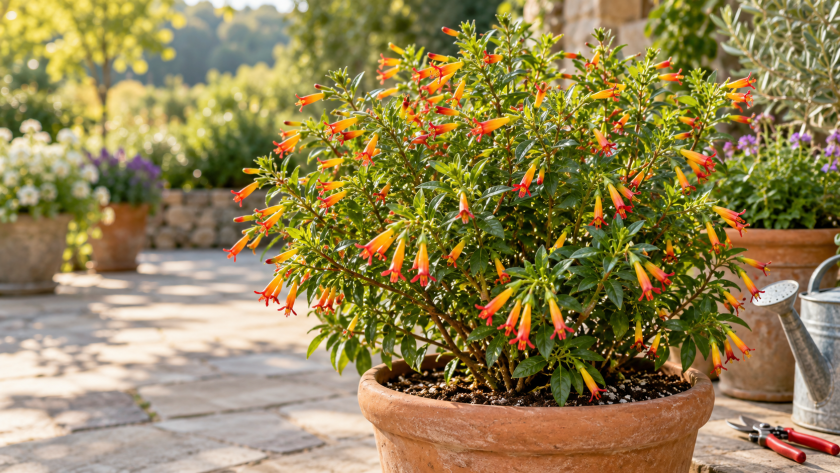
Geraniums are classic plants for sunny windows that offer constant color. They love intense light and can get leggy without it. Regular pruning helps the plant focus on new blooms.
Jasmine
Support fragrance and flowering with strong light and airflow
Jasmine is great for filling your home with a sweet scent. It needs a very sunny spot and good air circulation. Without enough light, it may not bloom well.
Meyer lemon tree
Provide pollination support, container space, and consistent moisture
Growing a Meyer lemon tree indoors is a fun project. These trees need a large container and plenty of space. Since there are no bees indoors, you must help with pollination.
| Plant Name | Light Need | Watering | Key Care Tip |
|---|---|---|---|
| Hibiscus | High/Direct | Consistent | High humidity |
| Geranium | High/Direct | Moderate | Regular pruning |
| Jasmine | High/Direct | Consistent | Good airflow |
| Meyer Lemon | High/Direct | Consistent | Hand pollination |
Low-Maintenance House Plants for Sunny Spots
Looking to brighten your space with plants that love the sun? These low-maintenance options are perfect. Many direct sunlight-loving houseplants are surprisingly tough, as long as you meet their basic needs. Remember, even though they’re easy to care for, they still need some attention.
ZZ plant
Use bright light while avoiding excessive watering
The ZZ plant is known for its hardiness. It thrives in bright, filtered light. It also stores water, making it very drought-tolerant. Avoid overwatering to prevent root rot.
Yucca cane
Keep its architectural growth healthy with sun and fast-draining soil
The yucca cane adds a striking look to sunny corners. It needs plenty of light to stay upright and prevent stretching. Use a fast-draining soil mix to keep the roots healthy and dry.
Dieffenbachia
Protect leaves from sudden exposure and maintain even moisture
Dieffenbachia brings a tropical vibe with its patterned leaves. It loves bright light but needs gradual exposure to prevent leaf burn. Keep the soil moist but not waterlogged to keep the plant vibrant.
Fiddle-leaf fig
Acclimate it gradually and prevent dry, scorched leaf edges
This plant is a favorite for its large, iconic leaves. To keep it looking great, introduce it to intense sun slowly. This prevents dry, scorched edges on leaves.
Chinese hibiscus
Manage pruning, feeding, and watering for dependable indoor blooms
For indoor blooms, the Chinese hibiscus is a great choice. It needs more care than others, including regular pruning and feeding. Keep the soil moist to support those beautiful blooms.
| Plant Name | Light Preference | Watering Needs | Key Care Tip |
|---|---|---|---|
| ZZ Plant | Bright, Indirect | Low | Let soil dry out |
| Yucca Cane | Direct Sun | Low | Use gritty soil |
| Dieffenbachia | Bright, Filtered | Moderate | Keep moist |
| Fiddle-leaf Fig | Bright, Direct | Moderate | Acclimate slowly |
| Chinese Hibiscus | Full Sun | High | Feed regularly |
Step-by-Step: Acclimate Indoor Plants to Direct Sunlight
Getting your plants used to more light is easy if you do it slowly. Even indoor plants that thrive in sunlight need time to adjust. By following a steady routine, you can help your plants adapt without shock or damage.
Step 1: Measure the current light exposure
Before moving your plants, see how much light they get. Use a light meter or watch the sun’s path in your room. Knowing this helps pick the best indoor plants for bright light for a smooth transition.
Step 2: Begin with gentle morning sun
Start by placing your plant in a spot with soft, early morning light. This light is cooler and less intense than the afternoon sun. It helps the plant get ready for more light later.
Step 3: Increase exposure gradually over one to two weeks
Every few days, move your plant a bit closer to the window or add an hour of sun. This slow change is like natural seasonal changes. For the best indoor plants for beginners, this method is safest for long-term success.
Step 4: Watch for bleaching, crispy patches, curling, and wilting
Keep an eye on your plant during this time. Bleaching, crispy brown patches, curling, and wilting mean it’s getting too much light. These signs show the plant is losing moisture too fast.
Step 5: Move the plant back and adjust the schedule when stress appears
If you see any distress signs, don’t worry. Just move the plant to a slightly shadier spot for a few days. Once it looks better, you can slowly increase the light again.
| Phase | Light Duration | Action Required |
|---|---|---|
| Week 1 | 1-2 Hours | Morning sun only |
| Week 2 | 3-4 Hours | Monitor for leaf burn |
| Week 3 | Full Exposure | Maintain regular care |
Step-by-Step: Build a Care Routine for Sunny House Plants
Creating a care schedule is key to your plants’ success in bright light. When you get house plants that need direct sunlight, you’re giving them a taste of the outdoors. By sticking to your routine, your plants will stay healthy and bright all year.
Step 1: Water according to soil dryness and plant type
Every plant has its own water needs. For instance, a cactus dries out slower than a thirsty hibiscus, even in the same sunny spot. Always check the soil moisture before watering to avoid overwatering.
Step 2: Use pots with drainage holes and a suitable soil mix
Good drainage is crucial for indoor plants for sunny spots. Water must drain out of the pot to prevent root rot, which is common in warm, bright areas. Use a soil mix designed for your plant type to keep roots healthy.
Step 3: Rotate containers for balanced growth
Plants naturally lean towards the light. To keep them straight, rotate your container a quarter turn every time you water. This habit stops your plant from becoming lopsided or stretching too far.
Step 4: Fertilize during active growth without overfeeding
Sunny windows make plants grow faster, using nutrients quicker. Feed them in spring and summer when they’re most active. But don’t overfeed, as too much fertilizer can harm the roots and stress the plant.
Step 5: Clean leaves and inspect regularly for pests
Dust can block sunlight and slow photosynthesis. Clean leaves with a damp cloth to keep them healthy. While cleaning, check the undersides of leaves for pests like spider mites that thrive in sunny spots.
Step 6: Maintain airflow and protect plants from hot glass
Good air circulation prevents fungal issues and keeps plants cool. But watch out for hot glass during the day. Keep leaves away from the window to avoid scorched leaves and heat damage.
How to Prevent Common Problems in Direct-Sunlight Houseplants
Even the best indoor plants for direct sunlight can face issues if you don’t know what to watch for. These plants love bright windows but have limits. Learning to understand your plant’s signals is key to success.
Identify sunburn versus underwatering and heat stress
It’s simple to mix up different stress types, but the signs are clear. Sunburn shows as bleached, white, or brown patches on leaves getting direct rays. On the other hand, underwatered plants are limp, wilted, and dry to the touch, with very dry soil.
Heat stress makes leaves curl in to protect from drying out. If you see this, check the soil moisture and the plant’s distance from the glass. Moving the pot a bit can help your plant.
Correct yellow leaves caused by excess moisture
Yellow leaves often mean too much water, not too little light. If lower leaves turn yellow and feel soft, it’s a sign of too much moisture. This happens when the soil stays wet, stopping roots from breathing.
- Check the drainage holes to ensure water flows out freely.
- Allow the top inch or two of soil to dry out completely before watering again.
- Ensure your pot has a well-draining soil mix designed for cacti or succulents.
Reduce spider mites, scale, and mealybugs in dry sunny rooms
Bright, sunny rooms are often dry, perfect for pests like spider mites, scale, and mealybugs. Look for tiny webs or sticky residue on leaves and stems.
If you find pests, clean the leaves with a damp cloth or use insecticidal soap. Keeping plants clean and well-ventilated makes it hard for pests to stay.
Use sheer curtains without blocking the light plants require
At times, the sun is too strong for your plants. Sheer curtains are great for softening harsh rays without blocking needed light. They act as a filter, turning direct sun into the right amount of light for growth.
This simple change helps keep low maintenance house plants for sunny windows looking great all year. It protects delicate leaves from burning while still giving plants the light they need.
Seasonal and Pet-Safety Tips for Sunny Indoor Plants
As the seasons change, so does your plant care routine. Even houseplants that thrive in sunlight need more attention in different weather. Keeping up with these changes helps your plants stay vibrant all year.
Adjust watering and placement during winter’s shorter days
In winter, the sun is lower and days are shorter. This means your plants grow slower and use less water. So, check the soil moisture more often, as it dries out slower.
Protect plants from cold drafts and overheated windows
While providing light is key, watch the temperature near windows. Cold drafts can harm tropical plants, and heat can scorch leaves. Always keep a small gap between plants and windows for air and temperature control.
Move balcony plants indoors before frost and extreme heat
If you have indoor plants for a sunny spot outside, bring them in before frost or heat waves. These changes can damage your plants. For tips on moving plants, see these guidelines on keeping outdoor plants safe during seasonal changes.
Check toxicity before placing plants near cats, dogs, or children
Light is not the only thing to consider. Some indoor plants for a sunny spot, like dieffenbachia, can be toxic. Before placing them, check if they are safe for pets and kids. Keeping your home safe lets you enjoy your plants without worry.
Conclusion
Turning your home into a green oasis begins with knowing your light. Pick plants that love direct sunlight, matching them with your windows. This ensures they get the right amount of heat and light.
Success comes from being patient. Start by slowly introducing your plants to strong sunlight. This helps them get used to the intense rays without getting burned.
For your plants to do well, watch the little things. Make sure the soil isn’t too wet and that pots drain well. Clean the leaves often to help them soak up sunlight better.
Change how you care for your plants as the seasons change. Your plants will grow strong and beautiful with your care. Enjoy seeing them thrive in the sunny spots of your home.