The most common repotting mistakes are choosing a pot that is far too big, repotting at the wrong time (winter or while the plant is flowering), using the wrong potting mix, damaging the roots, and repotting a plant that is already stressed or doesn’t need it. Most houseplants only need repotting when roots fill the pot, ideally in spring, into a pot just 2–5 cm (1–2 inches) wider, with fresh mix suited to the plant.
Repotting should give a crowded plant fresh space and new soil. Done at the wrong time or in the wrong way, it becomes one of the most common reasons a healthy plant suddenly droops, drops leaves or develops root rot. This guide explains the eight mistakes that cause most problems, when you should not repot at all, the signs that a plant genuinely needs a bigger pot, and how to look after it afterwards.
Patch Plants’ guides are checked by botanist Sawera Shahid, and one question she asks readers before any repot is simple: “What problem are you trying to solve?” Very often the honest answer is watering or light, not the pot. You can read more about our approach on the About Patch Plants page. For the full step-by-step method, see our main guide on how to repot a plant.
Key Takeaways
- Overpotting, or moving a plant into a much larger pot, is the most damaging repotting mistake because the extra soil stays wet and causes root rot.
- Go up only 2–5 cm (1–2 inches) in pot diameter for most houseplants.
- Spring, as new growth starts, is the best time to repot; avoid winter and flowering periods unless there is an emergency.
- Repot only when you see clear signs, such as roots growing out of drainage holes or circling the root ball.
- Use fresh mix that suits the plant: gritty for succulents, moisture-holding for ferns, bark for orchids.
- Handle roots gently, keep the plant at the same depth, water it in well and hold off feeding for about a month.
- Some drooping for a week or two after repotting is normal; worsening after three weeks is not.
Repotting Mistakes at a Glance
| Mistake | What goes wrong | Better approach |
|---|---|---|
| Pot far too big | Soil stays wet, roots rot | Go up 2–5 cm in diameter |
| Wrong season | Slow root growth, long sulking | Repot in spring or early summer |
| Wrong potting mix | Rot or drought stress over weeks | Match the mix to the plant |
| Rough root handling | Broken roots, wilting, infection | Tease roots gently; cut only dead ones |
| Repotting straight after purchase | Stress on top of a new environment | Let it settle for a few weeks first |
| Repotting a sick plant | Extra stress on a weak plant | Fix the cause first (except root rot) |
| Wrong soil moisture | Root ball breaks or roots dry out | Water a day or two before |
| Feeding straight away | Salt burn on new roots | Wait about 4–6 weeks |
Why Repotting Isn’t Always the Answer
Yellow leaves, drooping and slow growth make many people reach for a bigger pot, but these symptoms are far more often caused by watering, light, pests or temperature. A new pot fixes none of those, and the disturbance of repotting can make a struggling plant worse.
Before you repot, check these first:
- Watering: is the soil staying soggy, or drying out completely? See our signs of overwatering guide.
- Light: is the plant too far from a window? See our complete guide to indoor light.
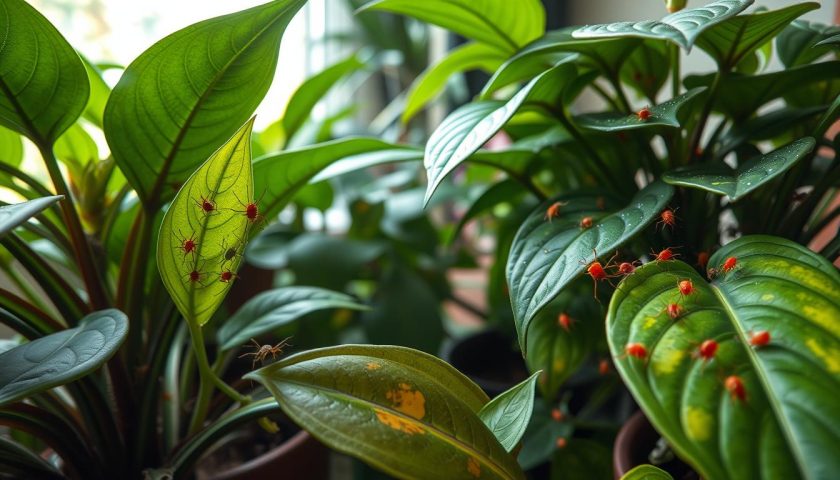
- Pests: look under leaves and along stems for mites, mealybugs or scale.
- Season: slow growth in winter is normal for most houseplants.
Only when these check out should you look at the roots. Our guide on how to revive a dying plant walks through this diagnosis in order.
The 8 Most Common Repotting Mistakes
Mistake 1: Overpotting (Choosing Too Large a Pot)
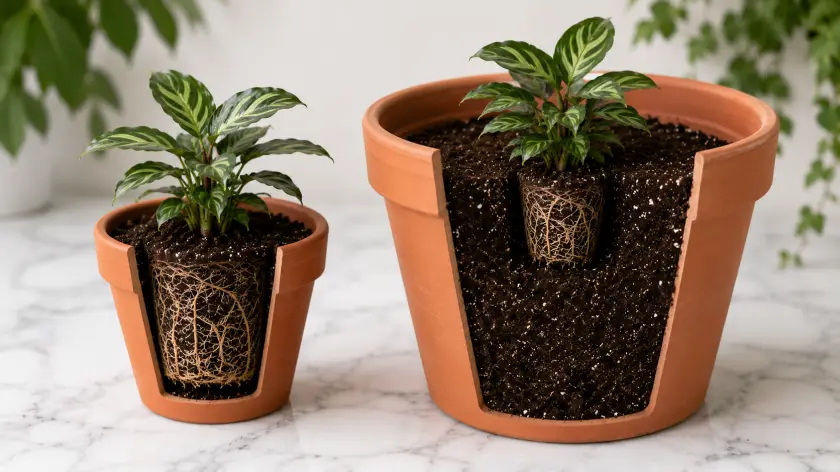
It seems kind to give a plant lots of room, but a pot that is much bigger than the root ball holds a large volume of soil the roots can’t reach. That soil stays wet for days, oxygen around the roots drops, and root rot follows. Colorado State University Extension’s PlantTalk recommends a new container only 1–2 inches (about 2–5 cm) larger in diameter than the old one.
- Slow growers such as snake plant, ZZ plant and succulents: go up about 2 cm, or simply refresh the soil in the same pot.
- Fast growers such as monstera, pothos and philodendron: up to about 5 cm.
Signs you have overpotted: soil still wet a week or more after watering, yellowing lower leaves within weeks of repotting, or a plant that looks worse a month later. If this happens, water much less often, or move it back into a better-sized pot. Our root rot guide explains what to do if the roots have started to rot.
Mistake 2: Repotting at the Wrong Time of Year
Most houseplants grow slowly in winter, when light is low, so roots take much longer to grow into new soil. A plant repotted in December can sit in damp, unfamiliar mix for months. The best time to repot is spring, as active growth begins, roughly March to May in the Northern Hemisphere. Early summer is also fine.
Avoid elective repotting in late autumn and winter, and avoid repotting while a plant is in bud or flower, because the stress often causes buds and flowers to drop. The exception is an emergency, such as root rot or a broken pot, which can be dealt with at any time.
Mistake 3: Using the Wrong Potting Mix
Using one bag of multipurpose compost for every plant causes slow problems that are hard to diagnose. Match the mix to the plant:
| Plants | Suitable mix |
|---|---|
| Succulents, cacti, snake plant, ZZ plant, aloe vera | Gritty cactus mix, or houseplant compost with plenty of perlite or grit |
| Tropical foliage (monstera, pothos, philodendron, rubber plant) | Houseplant compost with 20–30% perlite or bark |
| Boston fern, calathea | Moisture-holding mix based on coir or peat-free compost, with some perlite |
| Orchids, anthurium | Chunky bark-based mix |
Use fresh, soilless potting mix rather than garden soil, and avoid reusing old mix from a plant that had root rot or pests. Our best soil mix guide gives exact recipes.
Mistake 4: Damaging the Roots
Pulling a plant out by its stem, ripping apart a root ball or hacking at roots with dirty scissors damages the fine roots that take up water. The plant wilts, and damaged roots are more open to rot.
- Turn the pot on its side, support the base of the stems, and tap or squeeze the pot until the root ball slides out. For stuck plants, run a knife around the inside edge.
- Gently tease out circling roots with your fingers. If the root ball is very tight, make a few shallow vertical cuts down the sides with a clean knife to encourage new outward roots.
- Healthy roots are usually firm and pale; cut away only black, mushy or dead roots with clean scissors.
Mistake 5: Repotting Immediately After Buying a Plant
A new plant has just moved from a greenhouse to a shop to your home, with big changes in light, temperature and humidity. Repotting at the same time adds another shock. Unless it is in a waterlogged pot or roots are bursting out of the bottom, let a new plant settle for at least two to four weeks first, ideally until you see new growth. Many nursery pots are perfectly fine for months; you can place them inside a decorative pot without repotting.
Mistake 6: Repotting a Stressed or Sick Plant
A plant that is struggling from pests, cold damage, overwatering or a recent move has few reserves left. Fix the cause first: treat pests, correct watering, improve light, then wait for the plant to stabilise before repotting.
The exception is root rot. If roots are brown, soft and smelly, you do need to remove the plant, cut out the rotten roots and replant into fresh, free-draining mix, usually in a smaller or same-size pot, not a bigger one.
Mistake 7: Repotting When the Soil Is Too Wet or Too Dry
A soaking-wet root ball is heavy, falls apart and is easy to damage, while a bone-dry one leaves fine root tips exposed to drying air. The easiest approach is to water the plant a day or two before repotting, so the root ball is evenly moist but not soggy. Use new potting mix that is slightly damp, not wet or dust-dry, and work quickly so roots aren’t left exposed.
Mistake 8: Fertilizing Straight After Repotting
Most fresh potting mixes already contain some fertilizer, and disturbed roots are sensitive to strong fertilizer salts. Wait about four to six weeks before feeding, then start at half strength. Our guide to fertilizing indoor vs outdoor plants covers feeding schedules.
Signs Your Plant Needs Repotting
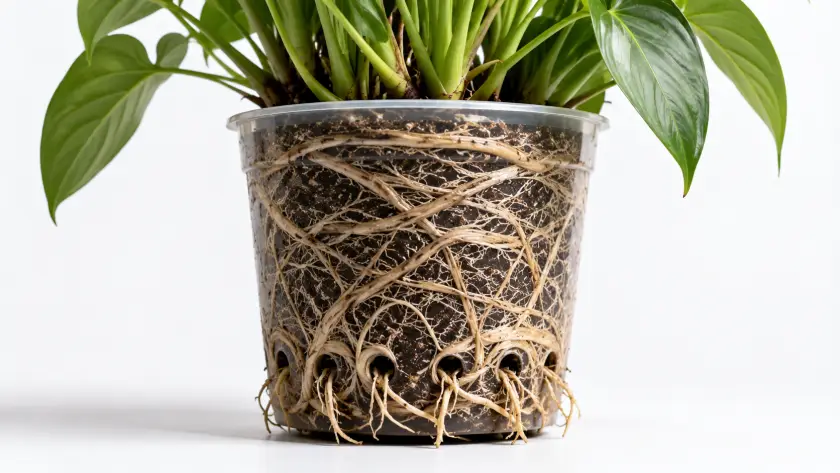
Look for a combination of these signs rather than a single symptom:
- Roots growing out of the drainage holes or across the top of the soil.
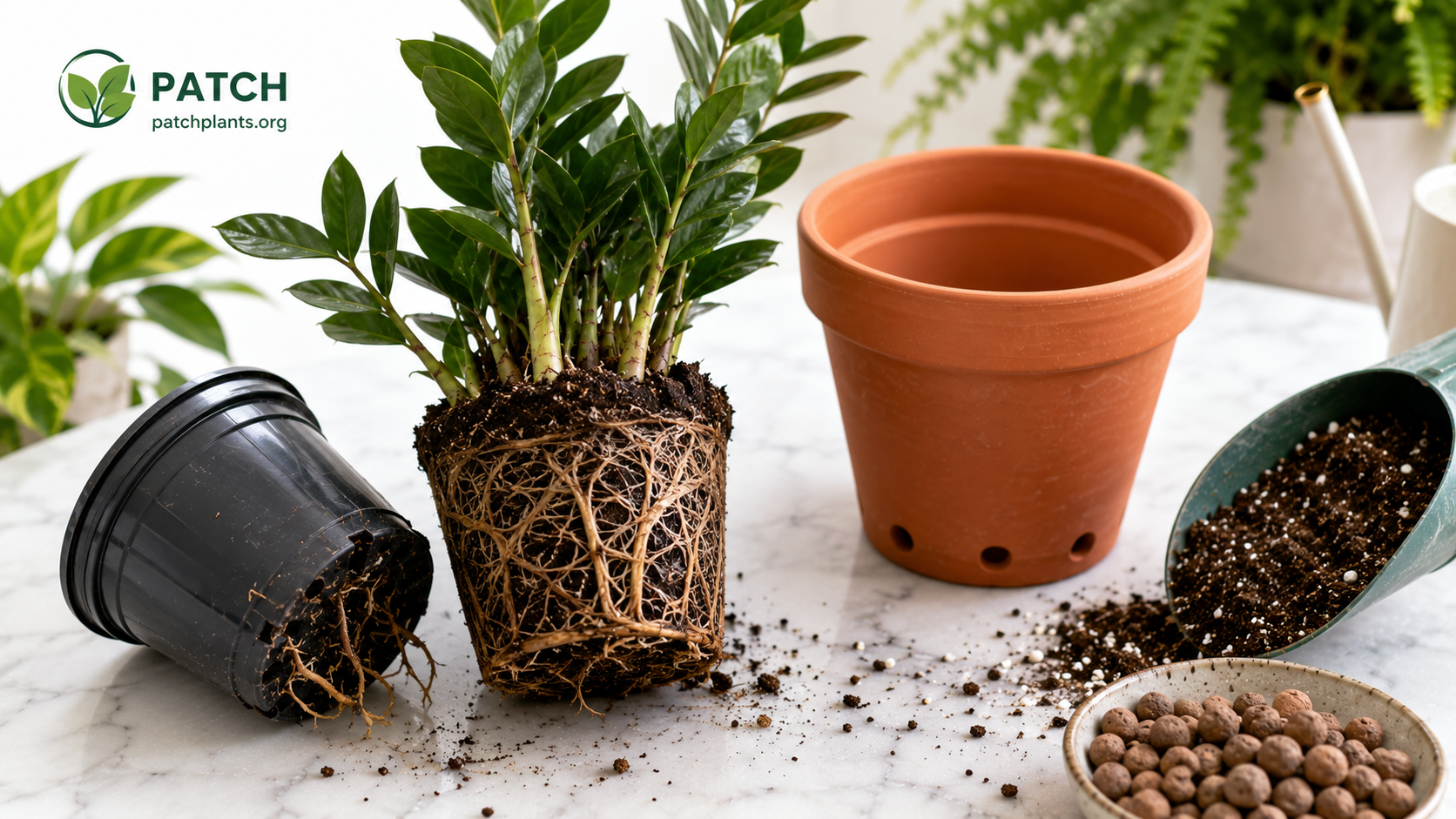
- A root-bound root ball: when you slide the plant out, roots circle the outside in a dense mass with little soil visible.
- Soil drying out very quickly, within a day or two of a thorough watering, because roots have replaced most of the soil.
- Water running straight through or sitting on top without soaking in.
- The plant tipping over because it has become top-heavy for its pot.
- Old, broken-down mix that has shrunk, compacted or developed a crust, usually after two years or more.
Yellow leaves, drooping or slow growth on their own are not reliable signs; rule out watering, light and pests first. Our guides to why leaves turn yellow and leaf curl, browning and droop can help.
When NOT to Repot a Plant
- In late autumn and winter, when most houseplants grow slowly (unless it’s an emergency).
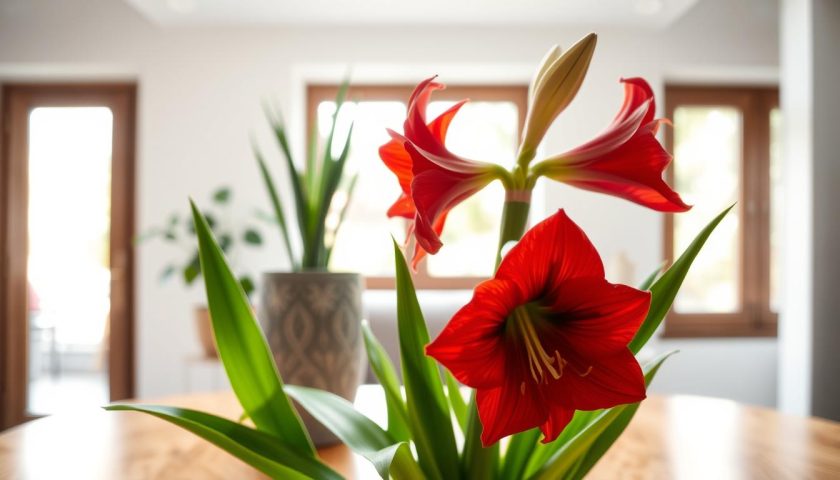
- While it is in bud or flower, for example peace lily, orchids, anthurium and Christmas cactus. Wait until flowering finishes.
- Straight after you bring it home, or after another big move, such as bringing a plant indoors for winter.
- While it is recovering from pests, cold or under- or overwatering (except for root rot).
- When it is only slightly crowded and growing well. Many plants, including spider plants, peace lilies and jade plants, are happy being a little snug, and some flower or produce plantlets more freely that way.
- Just because the pot looks small. Plants with compact roots, such as succulents and many orchids, often live for years in small pots.
If the plant needs fresh soil but not more space, you can root-prune lightly and return it to the same pot, or simply replace the top few centimetres of mix in spring.
How to Repot Without Shocking the Plant
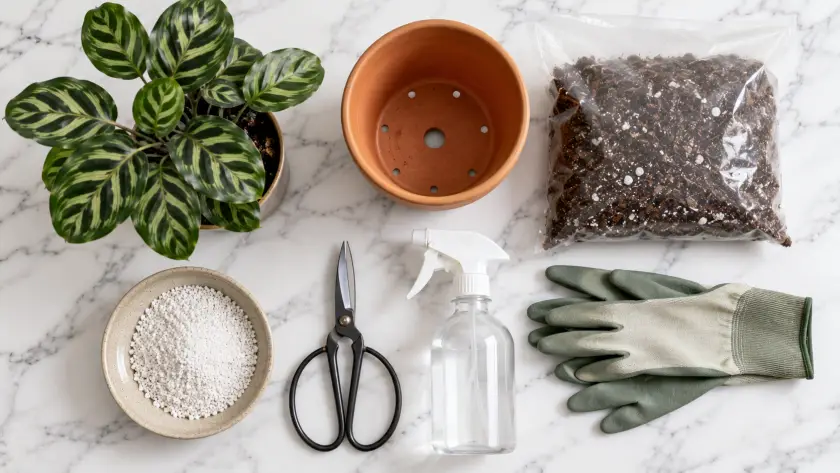
- Prepare: water the plant a day or two beforehand. Get a clean pot with drainage holes, only slightly larger than the old one, and fresh mix suited to the plant.
- Remove the plant: tip the pot on its side, support the base of the stems and slide the root ball out. Don’t pull on the stem.
- Check the roots: gently loosen circling roots and trim only dead or rotten ones.
- Replant at the same depth: add mix to the base so the top of the root ball sits about 2 cm below the rim, then fill around the sides and tap the pot to settle the mix. Don’t bury the stem deeper than before.
- Water in well: water thoroughly until it drains from the bottom to settle the mix around the roots, then let the excess drain away.
- Recover: keep the plant in bright indirect light, away from direct sun, draughts and heaters, for one to two weeks.
Our main guide on how to repot a plant covers each step in more detail, including choosing pots and dividing plants.
Plant Care After Repotting
- Watering: after the first thorough watering, wait until the top of the soil is dry before watering again. A larger pot of fresh mix holds more water, so it may need watering less often at first. See our complete watering guide.
- Light: bright indirect light, no harsh direct sun for a week or two.
- Feeding: none for about four to six weeks.
- Humidity: humidity lovers such as calathea and ferns benefit from higher humidity while they settle; see our humidity hacks guide.
- Patience: avoid moving the plant around or checking the roots again.
What to expect: slight drooping or a pause in growth for one to three weeks is normal. New leaves after three to four weeks show the plant has settled.
Why Is My Plant Dying After Repotting?
If a plant keeps getting worse three weeks after repotting, check for these causes in order: soil staying wet because the pot is too big or the mix too dense; root rot from overwatering; root damage during repotting; wrong mix for the plant; repotting in winter; or fertilizer burn. Correct the cause, keep conditions stable and avoid repotting it again straight away.
How Often Do Plants Need Repotting?
| Plant type | Examples | Typical repotting interval |
|---|---|---|
| Fast-growing tropicals | Monstera, pothos, philodendron | Every 1–2 years |
| Moderate growers | Peace lily, rubber plant, spider plant | Every 2 years |
| Slow growers | Snake plant, ZZ plant, jade plant | Every 3–4 years |
| Succulents and cacti | Echeveria, aloe, most cacti | Every 2–4 years |
These are only guides. Always check the signs above before repotting, rather than repotting on a fixed schedule.
Frequently Asked Questions
What is the most common repotting mistake?
Choosing a pot that is far too big. The extra soil holds water the roots can’t use, which leads to root rot. For most houseplants, choose a pot just 2–5 cm (1–2 inches) wider than the current one.
When should you not repot a plant?
Avoid repotting in late autumn and winter, while the plant is flowering, right after you bring it home, and while it is recovering from pests or other stress. The exception is root rot, which needs dealing with straight away.
What is the best time to repot plants?
Spring, as new growth begins, is best for most houseplants, roughly March to May in the Northern Hemisphere. Early summer also works well. Repotting then gives roots the whole growing season to settle into the new mix.
Should I water a plant after repotting?
Yes. Water thoroughly straight after repotting to settle the mix around the roots, then let the excess drain away. After that, wait until the top of the soil is dry before watering again, and don’t let the pot sit in water.
Is it normal for a plant to droop after repotting?
Mild drooping for one to three weeks is normal while roots settle. Keep the plant in bright indirect light and don’t overwater. If it keeps getting worse after three weeks, check for wet soil, root rot or damaged roots.
Final Thoughts
Most repotting mistakes come from good intentions at the wrong time. Before reaching for a bigger pot, ask whether the roots really need more space or whether watering, light or pests are the real problem. When repotting is genuinely needed, choose spring, go up only one pot size, use the right mix, handle the roots gently and give the plant a calm few weeks to settle. For more help, explore our plant care guides and our propagation guide, useful when a plant has outgrown its pot and you would rather divide it.