Maidenhair fern care is all about steady moisture, high humidity, and gentle light. This fern is beautiful, but it is not a “forget it for two weeks” houseplant. Its fine leaflets and thin black stems react quickly when the air is too dry, the soil dries out, or the plant sits in harsh sun.
The good news is that a maidenhair fern can stay lush indoors if you build the right routine. Give it bright indirect light, keep the potting mix evenly moist, raise humidity around the plant, and trim damaged fronds before they spoil the whole display. This guide covers water, humidity, light, soil, pruning, repotting, propagation, and common problems.
Care Snapshot
The best maidenhair fern care routine is simple but consistent: place the fern in bright indirect light, keep the soil moist without waterlogging it, provide high humidity, use a light organic-rich potting mix, and protect the plant from direct sun, dry heat, cold drafts, and sudden changes. Check moisture often because maidenhair ferns can crisp quickly when they dry out.
Key Takeaways
- Maidenhair fern care depends on high humidity, steady moisture, and soft filtered light.
- Never let the potting mix dry out completely, especially during active growth.
- Bright indirect light is better than deep shade or hot direct sun.
- Bathrooms can work if they have enough usable light and airflow.
- Use a pot with drainage holes and an airy mix that holds moisture.
- Cut fully brown fronds at the base instead of trimming every leaflet.
- Use this guide with Boston Fern care guide, low light plants for bathroom, and humidity hacks without a humidifier.
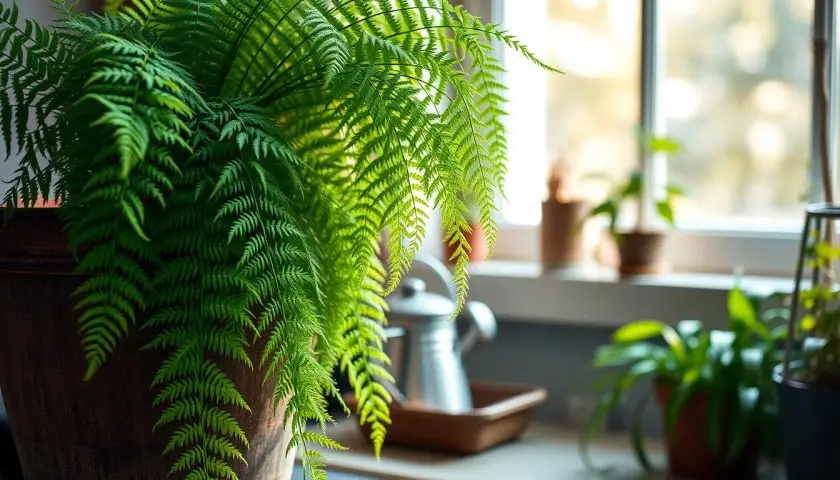
Maidenhair Fern Care at a Glance
| Care Area | Best Choice | Common Mistake |
|---|---|---|
| Light | Bright indirect light | Hot direct sun or deep shade |
| Water | Consistently moist soil | Letting the pot dry completely |
| Humidity | High humidity with airflow | Keeping it beside dry heat |
| Soil | Organic-rich, moist, draining mix | Dense soggy compost |
| Pot | Drainage holes and modest size | Oversized pot with wet soil |
| Feeding | Light feeding in active growth | Feeding a stressed dry plant |
| Pruning | Remove dead fronds at the base | Cutting healthy green growth too hard |
Why Maidenhair Ferns Are So Sensitive
Maidenhair ferns have fine leaflets on thin, dark, wiry stems. Their foliage loses moisture quickly, so dry air and missed watering show fast. One dry spell can turn soft green fronds into crispy brown growth almost overnight.
This does not mean the plant is impossible. It means you need the right setup before problems start. Maidenhair fern is easier when it lives in a humid plant corner, a bright bathroom, a terrarium-style display, or near a humidifier instead of beside a radiator or sunny window glass.
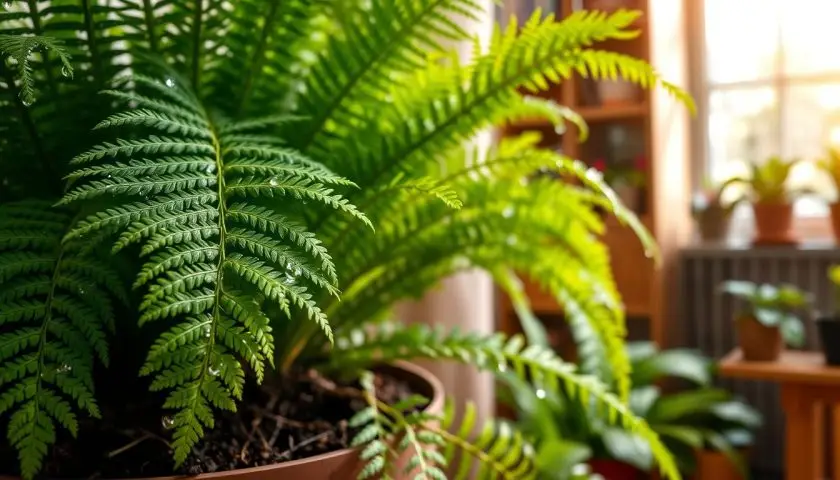
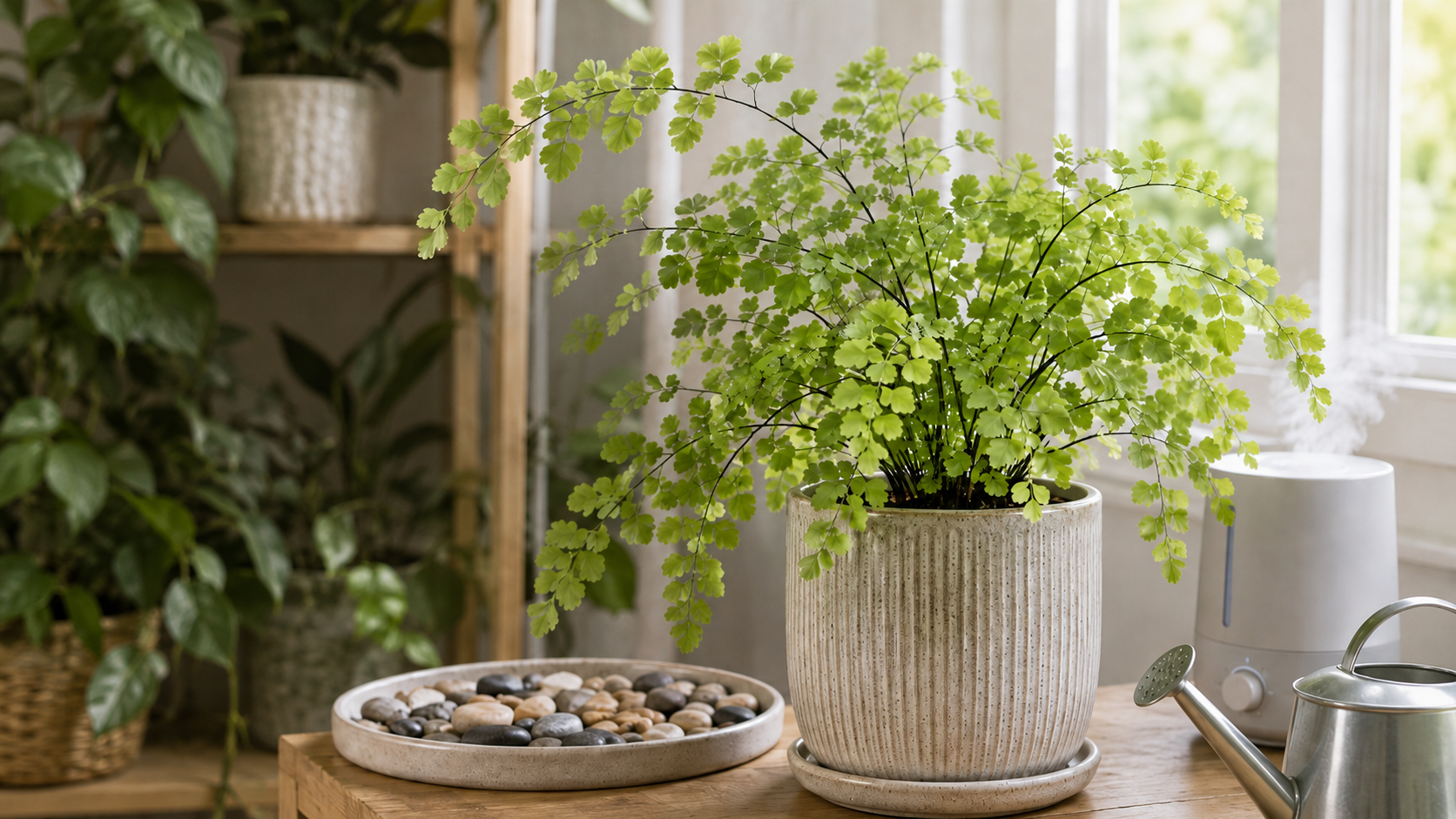
What healthy growth looks like
- Soft green fronds with fine fan-shaped leaflets.
- Dark wiry stems that hold fronds upright or slightly arching.
- New growth appearing from the base.
- Soil that feels lightly moist, not sour or swampy.
- No widespread crispy edges or sudden frond collapse.
What stress looks like
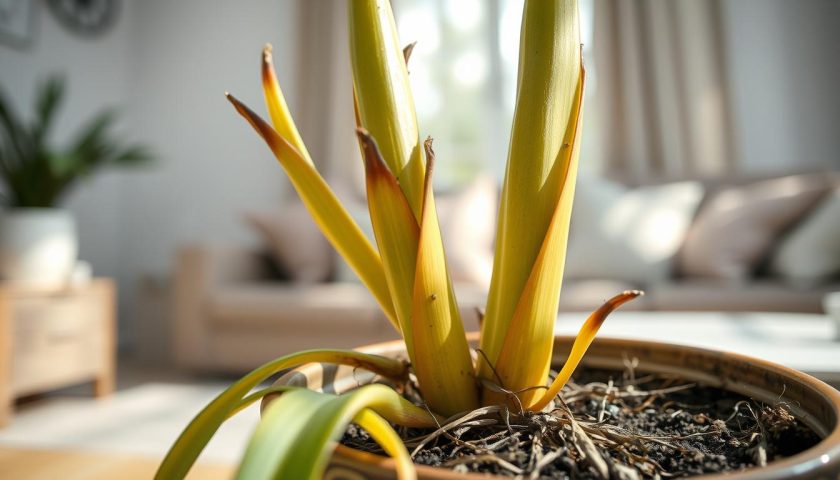
- Crispy brown tips or whole brown fronds.
- Fronds folding, shrinking, or dropping leaflets.
- Yellowing with wet soil.
- Wilting even after watering.
- Slow decline after moving to a drier or darker spot.
Best Light for Maidenhair Fern
Maidenhair fern light requirements are specific but manageable. The plant wants bright indirect light, filtered light, or gentle morning light. It does not want harsh afternoon sun, and it will not thrive in a dark corner for long.
Best indoor locations
- Near an east-facing window with gentle morning light.
- Near a north-facing window if the room is bright.
- A few feet back from a bright south or west window with sheer curtains.
- A humid bathroom with a frosted window or skylight.
- A plant shelf with a soft grow light if natural light is weak.
Signs of too much light
- Leaflets bleach or turn pale.
- Fronds crisp on the window-facing side.
- Soil dries too quickly after watering.
- New growth looks dry or stunted.
Signs of too little light
- Growth becomes thin and stretched.
- The plant stays wet for too long after watering.
- New fronds are weak or sparse.
- The fern slowly thins out without obvious dryness.
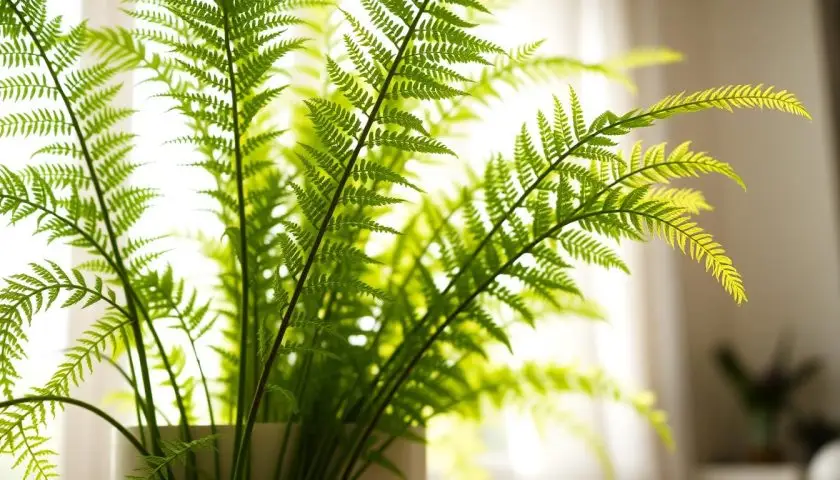
For more light help, read complete guide to indoor light, low light house plants, and office-friendly plants for artificial light.
Maidenhair Fern Humidity Requirements
Maidenhair fern humidity is where many indoor growers struggle. The plant likes moist air around its fronds. In a dry home, especially during heating season, the leaflets can brown even when the soil is watered correctly.
Best ways to raise humidity
- Use a small humidifier near the plant.
- Place the pot on a pebble tray filled with water, keeping the pot above the water line.
- Group it with other humidity-loving houseplants.
- Use a bright bathroom if the room has enough light.
- Grow smaller plants in a terrarium or glass cabinet with airflow.
Why misting is not enough
Misting can briefly wet the leaves, but it does not usually raise humidity for long. It can also leave water spots or encourage fungal issues if airflow is poor. A humidifier, pebble tray, or plant grouping is more useful for steady support.
Dry-air warning signs
- Leaflets turn crispy at the edges.
- Outer fronds brown first.
- New fronds open small and dry.
- The plant looks fine after watering but crisps again quickly.
- Fronds near heat vents decline fastest.
For more humidity help, read DIY indoor humidity tray, humidity hacks without a humidifier, misting for plants, and low light plants for bathroom.
Maidenhair Fern Watering
Maidenhair fern watering should be steady. This fern does not like drying completely, but it also dislikes stagnant soil. The aim is evenly moist potting mix with oxygen still reaching the roots.
Simple watering rule
Water when the top layer of the mix begins to dry, before the whole pot becomes dry. Use room-temperature water and water slowly until excess drains from the bottom. Empty any saucer or cover pot after watering.
How often to water
There is no fixed schedule that works in every home. A maidenhair fern may need water more often in warm bright rooms and less often in cooler, darker rooms. The safest habit is to check moisture often and water by feel.
| Condition | Watering Need | Care Tip |
|---|---|---|
| Bright warm room | Check often | Soil may dry quickly |
| Humid bathroom | Check before watering | Humidity may slow drying |
| Small pot | More frequent checks | Small root balls dry faster |
| Large pot | Water carefully | Extra mix can stay wet too long |
| Winter or low light | Water less often | Growth slows and soil dries slowly |
Best water type
If your fern develops brown tips despite good humidity and correct watering, try filtered water, distilled water, rainwater, or tap water left out overnight. Some delicate ferns are sensitive to minerals, salts, or repeated uneven watering.
Underwatering signs
- Fronds crisp quickly.
- Pot feels very light.
- Soil pulls away from the pot edge.
- Leaflets shrink or fall.
- New growth dries before opening fully.
Overwatering signs
- Yellow leaves with wet soil.
- Soft stems near the soil surface.
- Sour smell from the pot.
- Fungus gnats around the mix.
- Wilting even though the soil is wet.
For watering support, read complete watering guide, worst times to water plants, and signs you are overwatering.
Best Soil for Maidenhair Fern
Maidenhair fern soil should hold moisture without becoming heavy. Dense soil can suffocate roots, but fast-drying soil can leave the fern stressed. Balance is the goal.
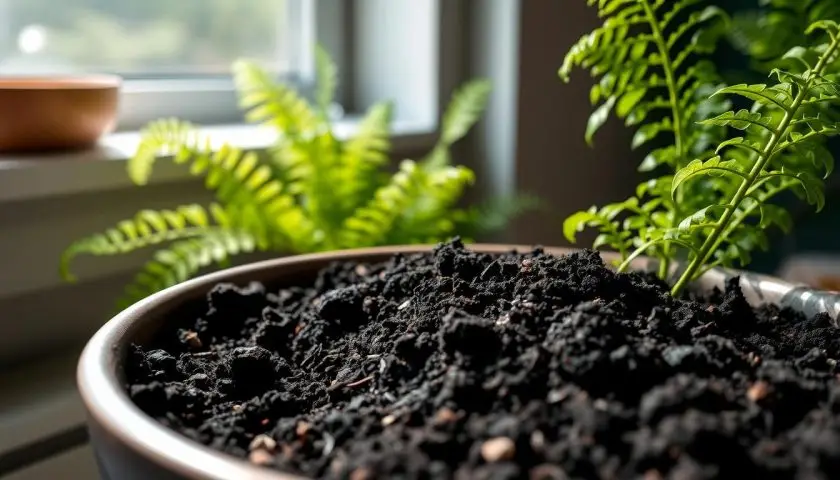
Simple potting mix
- 2 parts peat-free indoor potting mix or houseplant compost.
- 1 part fine bark, coco chips, or leaf mould-style organic matter.
- 1 part perlite or pumice for drainage and airflow.
- A little worm castings or compost if the mix needs gentle fertility.
What good fern soil feels like
- Light and springy, not compacted.
- Moist after watering but not muddy.
- Easy for water to pass through.
- Rich enough to support steady growth.
- Not drying into a hard block.
Pot choice
Use a pot with drainage holes. A plastic nursery pot inside a decorative outer pot often works well because it holds moisture better than terracotta and still lets you remove the plant for watering and drainage checks.
Avoid oversized pots
A maidenhair fern with delicate roots can struggle in a pot that is too large. Extra mix holds water for too long and increases root rot risk. Move up only one small pot size when repotting.
For soil and pot help, read best soil mix guide, how to repot a plant, and repotting mistakes to avoid.
Temperature and Airflow
Maidenhair fern likes a steady indoor environment. Sudden heat, cold drafts, or dry moving air can damage fronds quickly.
Best indoor conditions
- Warm, stable room temperature.
- No direct heat from radiators or vents.
- No cold drafts from doors or leaky windows.
- Gentle airflow, not stagnant damp air.
- Protection from sudden moves between rooms.
Bathroom placement
A bathroom can be a good maidenhair fern spot if it has light. Humidity helps, but a dark bathroom will not support long-term growth. Use a grow light if the bathroom has no window.
For bathroom plant ideas, read best plants for your bathroom, plants for bathroom with no light, and bathroom plants for mold.
Feeding Maidenhair Fern
Maidenhair fern is not a heavy feeder. Too much fertilizer can burn roots or damage fine growth, especially if the plant is dry, newly repotted, or already stressed.
Simple feeding routine
- Feed only during active growth.
- Use a balanced houseplant fertilizer at half strength.
- Feed less often than you would feed a fast-growing tropical plant.
- Do not fertilize bone-dry soil.
- Do not feed a plant with root rot or severe leaf crisping.
Signs of overfeeding
- Brown tips after fertilizer.
- White crust on soil or pot rim.
- Sudden yellowing after feeding.
- Weak growth despite wet soil.
For more feeding guidance, read fertilizing indoor vs outdoor plants.
Pruning Maidenhair Fern
Maidenhair fern pruning is mostly about removing dead or damaged fronds. The plant does not need shaping like a woody plant. If a frond is brown, cut it at the base. If only one tiny leaflet is damaged, leave the rest if it still looks healthy.
How to prune safely
- Use clean scissors or pruning snips.
- Find fronds that are fully brown, crispy, or badly damaged.
- Cut the stem close to the soil line.
- Remove fallen leaflets from the soil surface.
- Avoid cutting fresh green fronds unless they are diseased or broken.
When to prune heavily
If the plant has dried out and almost every frond is brown, you can cut back the dead top growth and keep the root ball evenly moist. If the roots are still alive, new fronds may push from the base.
Do not panic after pruning
Maidenhair fern recovery can be slow. A trimmed plant may look bare for a while. Focus on moisture, humidity, and light, then watch for new growth.
For pruning basics, read pruning basics and how to clean plant leaves.
Repotting Maidenhair Fern
Repotting maidenhair fern should be gentle. This fern dislikes major root disturbance, and a pot that is too large can stay wet for too long.
When to repot
- Roots circle tightly inside the pot.
- Water runs through without moistening the mix.
- The plant dries too fast even with good care.
- The potting mix has compacted or smells sour.
- The fern is clearly crowded and growth has slowed.
Repotting steps
- Water the fern lightly a day before repotting.
- Choose a pot only slightly larger than the current one.
- Add fresh airy fern mix to the new pot.
- Slide the root ball out gently.
- Loosen only the worst compacted outer mix.
- Set the plant at the same depth.
- Backfill gently without packing the mix hard.
- Water thoroughly and drain well.
- Keep humidity high while it settles.
Aftercare
Keep the plant in bright indirect light and avoid fertilizing immediately. Repotting stress can show as a few brown fronds, but steady humidity and moisture help recovery.
Maidenhair Fern Propagation
Maidenhair fern propagation is easiest by division. Ferns can grow from spores, but spore propagation is slower and less practical for most houseplant growers.
When to divide
Divide only a healthy, full plant. Do not divide a struggling fern that is already crispy, root-rotted, or severely stressed.
Division steps
- Water the plant before dividing.
- Remove it gently from the pot.
- Look for natural clumps with roots and growing points.
- Separate sections carefully with your hands or a clean blade.
- Pot each division into moist airy mix.
- Keep divisions in high humidity and bright indirect light.
- Water carefully while roots settle.
For general propagation skills, read how to propagate houseplants at home, how to repot a plant, and how to revive a dying plant.
Common Maidenhair Fern Problems
Most maidenhair fern problems come from dry air, dry soil, direct sun, low light, poor drainage, overwatering, or sudden changes. Diagnose the growing conditions before treating pests or feeding.
| Problem | Likely Cause | First Fix |
|---|---|---|
| Crispy brown fronds | Low humidity, dry soil, heat, direct sun | Raise humidity and check moisture |
| Yellow leaves | Wet soil, poor drainage, old growth, low light | Check roots and watering routine |
| Drooping fronds | Dry root ball, wet roots, heat stress | Check soil before watering more |
| Leaflet drop | Dry air, underwatering, sudden move | Stabilize humidity and moisture |
| Weak new growth | Low light, poor roots, low nutrients | Improve light and root health |
| Fungus gnats | Soil surface staying too wet | Improve drainage and remove debris |
| Root rot | Waterlogged mix or oversized pot | Repot into airy mix if needed |
Crispy brown fronds
Crispy brown fronds usually mean the fern dried out at the roots or in the air. Cut dead fronds at the base, water correctly, and raise humidity. Do not keep soaking the plant if the soil is already wet.
Yellow leaves
Yellow leaves can mean overwatering, poor drainage, old fronds, or low light. If the soil smells sour or stays wet for days, check the roots and potting mix.
Drooping after watering
If the fern droops after watering and the soil is wet, roots may be struggling. More water will not fix damaged roots. Improve drainage and airflow around the root zone.
Fronds turning black
Blackened fronds can come from cold, rot, severe stress, or dying old growth. Remove damaged fronds and check temperature, moisture, and root condition.
For more troubleshooting, read yellow leaves on plants, leaf curl, browning and droop, root rot guide, and how to revive a dying plant.
Maidenhair Fern Pests
Maidenhair ferns are not usually pest magnets, but stressed plants can still attract problems. Check the undersides of fronds, stems, and soil surface during regular care.
Common pests
- Fungus gnats: Small black flies around wet potting mix.
- Scale: Brown bumps on stems and fronds.
- Mealybugs: White cottony clusters in tight spaces.
- Spider mites: Fine webbing and speckled leaflets, usually in dry air.
Simple pest routine
- Inspect new plants before placing them near your fern.
- Remove dead fronds and fallen leaflets from the soil surface.
- Improve humidity without making the soil swampy.
- Trim badly damaged growth.
- Isolate pest-infested plants.
- Use houseplant-safe treatments carefully, following the label.
How to Revive a Dying Maidenhair Fern
A dying maidenhair fern can sometimes recover if the roots are still alive. The key is to fix the environment and wait for new growth, not to keep changing everything every day.
Recovery steps
- Cut away fully brown fronds at the base.
- Check whether the soil is bone dry or waterlogged.
- If dry, rehydrate gently with repeated slow watering.
- If waterlogged, improve drainage and consider repotting into airy mix.
- Move the plant to bright indirect light.
- Raise humidity with a humidifier or pebble tray.
- Keep temperature stable.
- Do not fertilize until new growth appears.
- Watch the crown for fresh green shoots.
When recovery is unlikely
If the root system is mushy, the crown is rotted, and no firm live growth remains, the plant may not recover. If the root ball still has firm healthy sections, give it time.
Indoor vs Outdoor Maidenhair Fern Care
Indoor maidenhair fern care gives you more control over humidity, watering, light, and temperature. Outdoor care only works where the plant can be protected from harsh sun, cold, drying wind, and drought.
Indoor care works best when
- You can provide bright indirect light.
- You can water before the soil dries out.
- You can raise humidity around the plant.
- The room stays warm and stable.
- You can protect the fern from vents and drafts.
Outdoor care works best when
- The climate is mild and humid.
- The pot sits in sheltered shade or dappled light.
- The soil stays moist but drains well.
- The fern is protected from wind and frost.
- You can bring the plant indoors before cold weather.
Maidenhair Fern Care Checklist
| Task | How Often | What to Watch |
|---|---|---|
| Check soil moisture | Every 1 to 2 days in active growth | Dry surface, light pot, crispy fronds |
| Water deeply | When top layer begins to dry | Even moisture and full drainage |
| Check humidity | Weekly or during dry seasons | Brown edges and fast crisping |
| Rotate pot | Every 1 to 2 weeks | Uneven growth toward light |
| Remove dead fronds | As needed | Brown stems and fallen leaflets |
| Inspect pests | Weekly | Scale, gnats, webbing, mealybugs |
| Feed lightly | During active growth only | Healthy roots and steady new growth |
Common Mistakes With Maidenhair Fern Care
| Mistake | What Happens | Better Choice |
|---|---|---|
| Letting soil dry completely | Fronds crisp and leaflets drop | Keep soil evenly moist |
| Putting it in direct sun | Leaflets scorch and soil dries fast | Use bright indirect light |
| Keeping it beside a heater | Dry air causes brown fronds | Move to a stable humid spot |
| Using a pot with no drainage | Root rot and yellowing increase | Use drainage holes |
| Repotting into a huge pot | Soil stays wet too long | Move up one small pot size |
| Relying only on misting | Humidity support is too brief | Use a humidifier or pebble tray |
| Fertilizing a stressed plant | Roots can burn or decline further | Fix water, light, and roots first |
Helpful PATCH Guides for Maidenhair Fern Care
Use these related PATCH guides to improve humidity, watering, soil, light, pruning, and plant problem-solving.
Fern, Humidity and Bathroom Plant Guides
- Boston Fern care guide
- Low light plants for bathroom
- Best plants for your bathroom
- Plants for bathroom with no light
- Bathroom plants for mold
- Humidity hacks without a humidifier
- DIY humidity tray
- Misting for plants
Light and Indoor Plant Guides
- Indoor Plants hub
- Complete guide to indoor light
- Low light house plants
- Small low light indoor plants
- House plants that like direct sunlight
- Tropical house plants
- Best indoor plants for beginners
- Best indoor plants for first-time plant parents
- Best indoor plants for tiny apartments
Watering, Soil and Repotting Guides
- Complete watering guide
- Worst times to water plants
- Signs you are overwatering
- Best soil mix guide
- How to repot a plant
- Repotting mistakes to avoid
- Fertilizing indoor vs outdoor plants
- Self-watering pots guide
Plant Problem Guides
- Plant Care hub
- Yellow leaves on plants
- Why plant leaves turn yellow
- Leaf curl, browning and droop
- Root rot guide
- How to revive a dying plant
- How to clean plant leaves
- Pruning basics
Related Houseplant Care Guides
- Calathea care guide
- Peace Lily care guide
- How often to water Peace Lily
- Parlor Palm dying causes and fixes
- Spider Plant care guide
- Spider Plant light requirements
- How to transplant a Spider Plant
- Pothos plant care guide
- Philodendron care guide
- Monstera plant care guide
- Hoya plant care guide
- Orchid care guide
Styling and Small-Space Guides
- Style indoor plants by room
- Decorate your bedroom with plants
- Create an indoor jungle without overcrowding
- Trailing plants for shelves
- Low light hanging plants
- Improve your home office with plants
- Office-friendly plants
Frequently Asked Questions
How do you care for a maidenhair fern indoors?
Care for a maidenhair fern indoors by giving bright indirect light, high humidity, consistently moist but draining soil, and a stable warm spot away from direct sun, heating vents, cold drafts, and dry air.
How often should I water a maidenhair fern?
Water whenever the top layer of soil begins to dry. Do not let the whole pot dry out completely. Water deeply, let excess drain, and empty any saucer or decorative cover pot.
Why is my maidenhair fern turning brown and crispy?
Brown crispy fronds usually come from dry soil, low humidity, hot direct sun, dry heating vents, or repeated underwatering. Cut dead fronds at the base and correct moisture and humidity.
Does maidenhair fern need high humidity?
Yes. Maidenhair fern needs higher humidity than many common houseplants. Use a humidifier, pebble tray, plant grouping, terrarium-style setup, or bright bathroom to support it.
Can maidenhair fern grow in low light?
It can tolerate softer light, but it does not thrive in darkness. Bright indirect light is best. In very low light, growth becomes thin, soil stays wet longer, and the plant may decline.
Can I put maidenhair fern in the bathroom?
Yes, if the bathroom has usable light. Humidity helps, but a windowless bathroom needs a grow light if you want the fern to stay healthy long term.
What is the best soil for maidenhair fern?
The best soil for maidenhair fern is light, organic-rich, moisture-retentive, and well-draining. Avoid dense soggy soil and avoid mixes that dry into a hard block.
Should I mist maidenhair fern every day?
Misting can help briefly, but it is not enough on its own. A humidifier, pebble tray, or plant grouping gives steadier humidity support.
How do I prune a maidenhair fern?
Use clean scissors to cut fully brown, dead, or damaged fronds near the soil line. Avoid cutting healthy green fronds unless they are broken or diseased.
Can a dried-out maidenhair fern come back?
Sometimes. If the roots and crown are still alive, cut off dead fronds, restore steady moisture and high humidity, keep bright indirect light, and wait for fresh green growth from the base.
Final Thoughts
Maidenhair fern care becomes much easier when you stop treating it like a dry-tolerant houseplant. This fern wants consistency. Give it soft light, moist soil, high humidity, and a calm spot where the air does not swing from steamy to bone dry every day.
RHS recommends growing Adiantum raddianum indoors in peat-free houseplant compost, placing it in bright indirect light with good ventilation, watering freely, and providing high humidity with a tray of moist gravel or pebbles: RHS Adiantum raddianum plant profile.
For the best results, check soil often, raise humidity before fronds crisp, and avoid sudden moves. If your maidenhair fern dries out, do not give up too quickly. Trim dead fronds, stabilize care, and watch for new shoots.
Final Recap
Maidenhair fern care depends on bright indirect light, high humidity, and consistently moist but well-drained soil. Place the fern near an east or north window, behind sheer curtains, in a bright bathroom, or under a gentle grow light. Water before the pot dries out completely, but never let the roots sit in standing water. Use an airy organic-rich potting mix, a pot with drainage holes, and a humidity setup such as a humidifier, pebble tray, or grouped plants. Keep the fern away from direct sun, radiators, air conditioners, cold drafts, and dry heat. Trim brown fronds at the base, repot gently only when needed, and propagate healthy plants by division. If fronds turn crispy, check humidity and watering first. If leaves yellow, check drainage and root health. With steady care, a maidenhair fern can stay soft, green, and graceful indoors.