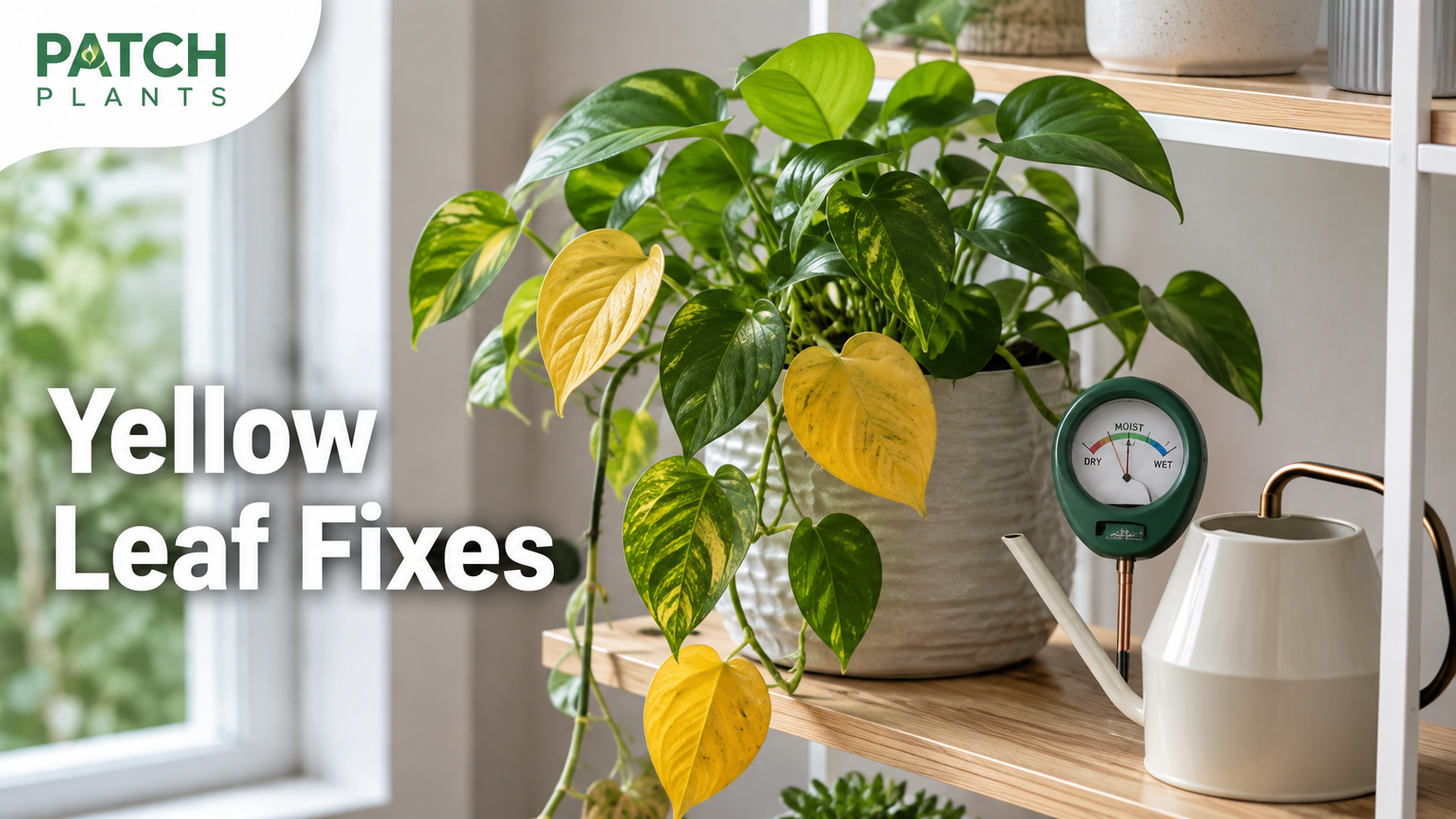
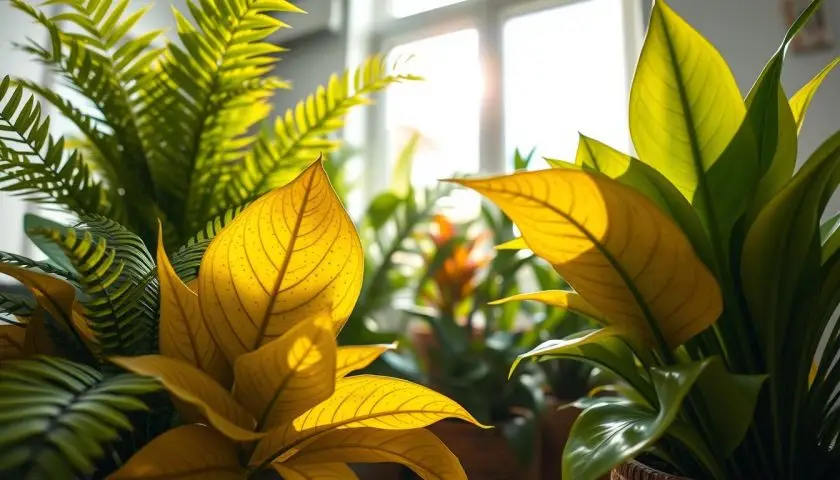
Yellow leaves on plants are one of the clearest signs that something in the care routine needs attention. Sometimes it is normal aging. Sometimes it is overwatering, poor drainage, low light, nutrient deficiency, pests, disease, or sudden stress.
The important thing is not to panic or guess. A yellow leaf is a clue. Look at where the yellowing starts, how the soil feels, whether the plant is still growing, and whether pests or root problems are present. Once you find the cause, the treatment becomes much easier.
The Simple Meaning
Yellow leaves on plants usually mean the plant is stressed or moving energy away from an older leaf. The most common causes are overwatering, underwatering, poor drainage, low light, nutrient problems, pests, disease, or temperature shock. One old yellow lower leaf is often normal. Many yellow leaves at once need quick diagnosis.
Key Takeaways
- Yellow leaves on plants are a symptom, not a diagnosis by themselves.
- Overwatering and poor drainage are two of the most common causes indoors.
- Underwatering can also cause yellowing, especially with crispy edges and dry soil.
- Low light can make leaves pale, weak, yellow, or slow-growing.
- Nutrient deficiency often affects older leaves first, but fertilizer is not always the answer.
- Pests and diseases can cause yellow spots, mottling, sticky leaves, or leaf drop.
- For deeper help, use why your plant leaves are turning yellow, complete watering tips, and root rot guide.
What Causes Yellow Leaves on Plants?
Yellowing happens when a leaf loses green chlorophyll or when the plant can no longer support that leaf properly. This process is often called chlorosis. It can happen because of water stress, low light, nutrient shortages, damaged roots, pests, disease, or natural aging.
The pattern matters. A single older lower leaf turning yellow slowly is very different from new growth turning pale, leaves yellowing overnight, or yellow spots spreading across several plants.
| Yellowing Pattern | Likely Meaning | First Thing to Check |
|---|---|---|
| One old lower leaf | Natural aging | New growth and overall plant health |
| Many soft yellow leaves | Overwatering or root stress | Soil moisture and drainage |
| Yellow leaves with crispy edges | Underwatering, dry air, or sun stress | Soil dryness and light exposure |
| Pale yellow new growth | Low light or nutrient issue | Window position and feeding routine |
| Yellow spots or mottling | Pests or disease | Leaf undersides and stems |
| Yellow leaves after moving plant | Temperature, light, or transplant shock | Recent changes in location or care |
11 Common Causes and Treatments
Use this section like a checklist. Do not fix everything at once. Start with soil moisture, drainage, roots, and light because these cause many cases of plant leaf discoloration.
1. Natural leaf aging
Plants naturally retire older leaves. If one lower leaf slowly turns yellow while the rest of the plant looks healthy, it may not be a problem. This is common on Pothos, Philodendron, Dracaena, Peace Lily, Snake Plant, and many other houseplants.
Treatment: Wait until the leaf is mostly yellow or fully faded, then trim it with clean shears. Do not change your whole care routine because of one old leaf.
2. Overwatering
Overwatering is one of the most common causes of yellow leaves on indoor plants. It does not always mean you gave too much water once. It often means the soil stayed wet for too long because of low light, a large pot, poor drainage, heavy soil, or watering too often.
Signs: soft yellow leaves, wet soil, mushy stems, fungus gnats, musty smell, or leaves dropping while the soil is still damp.
Treatment: Stop watering until the soil begins to dry. Check drainage holes. Empty the saucer after watering. If the plant smells rotten or wilts in wet soil, inspect the roots and repot into fresh draining mix if needed.
For help, read signs you are overwatering and what root rot looks like.
3. Underwatering
Underwatering can also cause yellowing, especially when leaves become limp, curled, crispy, or dry at the edges. Some plants yellow after repeated dry spells because the roots cannot supply enough moisture to older leaves.
Signs: dry soil, drooping leaves, crispy tips, curled edges, soil pulling away from the pot, and a very light pot.
Treatment: Water deeply until water drains through the pot. If the soil is very dry and repelling water, water slowly in stages. Adjust your routine so the plant does not swing between bone-dry and soaked.
4. Poor drainage and root rot
Poor drainage can turn normal watering into a root problem. If water cannot escape, roots lose oxygen and begin to fail. Once roots are damaged, the plant may yellow even if the soil looks wet because the roots cannot absorb water properly.
Signs: yellow leaves, weak growth, soft stems, sour-smelling soil, black or brown mushy roots, and fungus gnats.
Treatment: Remove the plant from the pot, trim rotten roots, and repot into fresh well-draining mix. Use a pot with drainage holes. Avoid decorative pots that trap water around the nursery pot.
5. Low light
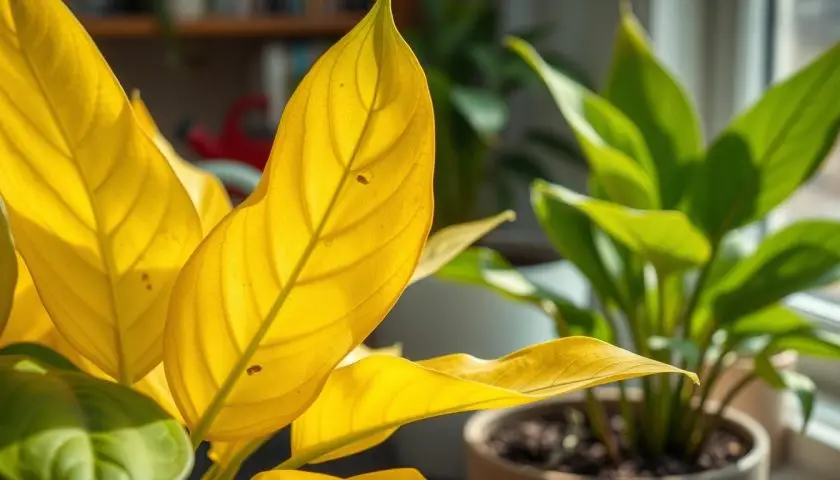
Low light can cause weak growth and yellowing because the plant cannot photosynthesize enough to support all its leaves. This is especially common in winter, dark rooms, corners far from windows, and windowless bathrooms.
Signs: pale leaves, slow growth, long gaps between leaves, leaning toward the window, and soil staying wet for too long.
Treatment: Move the plant closer to bright indirect light. Rotate the pot every week or two. Use a grow light if your room has little natural light.
For placement help, read complete guide to indoor light, low light house plants, and office-friendly plants for artificial light.
6. Too much direct sun
Too much direct sun can scorch leaves, especially on plants that prefer filtered light. Yellow patches may appear before turning brown or crispy. This is common when houseplants sit against hot glass in summer.
Signs: yellow or bleached patches, brown crispy areas, curled edges, or damage mainly on the sun-facing side.
Treatment: Move the plant slightly back from the window or add a sheer curtain. Do not move a stressed plant from hot sun straight into a dark corner. Give it bright filtered light instead.
7. Nutrient deficiency
A plant nutrient deficiency can cause yellowing when the plant does not have enough of the nutrients it needs for healthy growth. Nitrogen deficiency often affects older leaves first. Magnesium deficiency can show yellowing between veins on some plants.
Signs: pale growth, older leaves yellowing first, slow growth during active season, and weak new leaves.
Treatment: Feed lightly during active growth with the right fertilizer for the plant type. Do not fertilize a stressed, overwatered, or root-rotted plant until the roots recover.
8. Fertilizer burn or salt buildup
Too much fertilizer can damage roots and create yellow leaves, brown tips, or weak growth. This is common when plants are fed heavily in winter or when fertilizer salts build up in potting mix.
Signs: white crust on soil, brown leaf tips, yellowing after feeding, and poor growth despite frequent fertilizer.
Treatment: Flush the potting mix with clean water if drainage is good. Stop feeding for a while. Repot if the soil is old, compacted, or salty.
For a simple feeding guide, read fertilizing indoor vs outdoor plants.
9. Pests
Pests can drain sap from leaves and cause yellow spots, mottling, curling, sticky residue, or leaf drop. Spider mites, aphids, mealybugs, scale, and whiteflies are common culprits.
Signs: tiny moving dots, fine webbing, sticky leaves, cottony white patches, brown bumps, curled new growth, or ants around outdoor plants.
Treatment: Isolate the plant if needed. Rinse or wipe leaves. Remove visible pests. Repeat checks weekly because pests often return from eggs or hidden areas.
For prevention support, use how to keep pests away from plants and plants that keep bugs away.
10. Fungal or bacterial disease
Disease can cause yellow spots, yellow halos around brown marks, mushy patches, wilting, or spreading damage. This is more likely when leaves stay wet, airflow is poor, plants are crowded, or soil is too wet.
Signs: spots with yellow rings, soft dark patches, spreading marks, mold, mildew, or sudden collapse.
Treatment: Remove badly affected leaves, improve airflow, avoid wetting foliage, isolate the plant if the problem spreads, and correct watering. Do not compost diseased leaves if the disease may spread.
11. Temperature, humidity, and seasonal stress
Plants can yellow after sudden changes. Cold drafts, heat vents, air-conditioning, dry winter air, repotting shock, moving house, or bringing plants indoors from outside can all trigger yellow leaves.
Signs: yellowing after a move, leaf drop near doors or windows, crispy tips near heaters, or sudden stress after repotting.
Treatment: Keep plants away from cold glass, heaters, AC vents, and exterior doors. Improve humidity for tropical plants. Avoid moving sensitive plants repeatedly.
For humidity help, read humidity hacks without a humidifier, DIY humidity tray, and misting for plants.
Step-by-Step Diagnostic Process
If you want the right yellowing plant leaves treatment, diagnose first. Randomly adding fertilizer, watering more, or moving the plant can make the problem worse.
Step 1: Look at where the yellowing starts
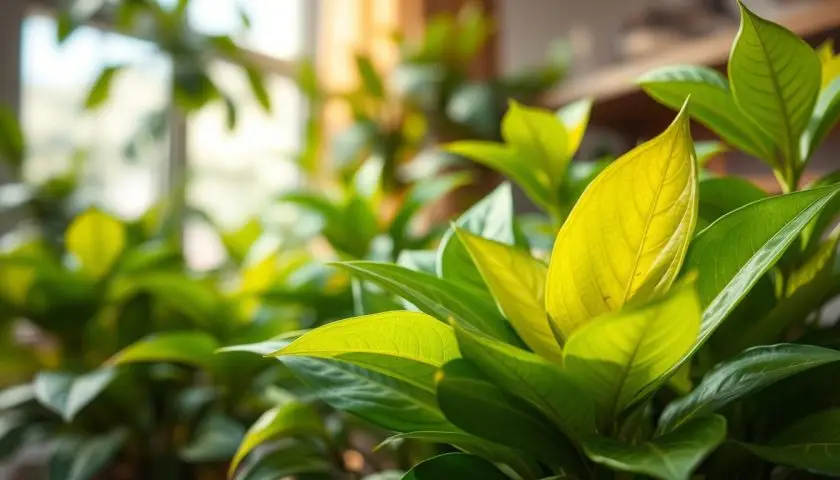
- Lower older leaves: natural aging, underwatering, nitrogen issue, or root stress.
- New leaves: low light, nutrient issue, pests, or root damage.
- One side of plant: sun scorch, draft, or uneven light.
- Spots and patches: pests, disease, water damage, or sun damage.
Step 2: Check soil moisture
Push your finger into the soil or use a moisture meter. Do not judge only by the surface. Some pots are dry on top but wet below.
- Wet soil plus yellow soft leaves points toward overwatering or root stress.
- Dry soil plus crispy yellow leaves points toward underwatering.
- Wet soil that smells sour points toward root rot risk.
Step 3: Check the roots
If yellowing is spreading and the soil is wet, slide the plant out gently and inspect the roots. Healthy roots are usually firm and pale, white, tan, or light brown depending on plant type. Rotten roots are mushy, dark, and may smell bad.
Step 4: Review the light
Ask how far the plant is from the window and whether the light changed recently. A plant that was fine in summer may struggle in winter when light drops.
Step 5: Inspect for pests
Check leaf undersides, stems, new growth, and soil surface. Use a phone flashlight if needed. Spider mites can be easy to miss until damage spreads.
Step 6: Think about recent changes
Yellowing often follows a change. New pot, new room, new watering routine, fertilizer, cold weather, heating season, pests from a new plant, or a move from shop to home can all trigger stress.
Yellow Leaves Treatment by Cause
| Cause | Main Treatment | What Not to Do |
|---|---|---|
| Natural aging | Trim fully yellow old leaves | Do not overhaul care because of one old leaf |
| Overwatering | Let soil dry, improve drainage, check roots | Do not add more water or fertilizer |
| Underwatering | Water deeply and adjust routine | Do not give tiny daily sips |
| Root rot | Trim rotten roots and repot in fresh mix | Do not keep plant in sour wet soil |
| Low light | Move to brighter indirect light | Do not increase watering in a dark spot |
| Sun scorch | Filter light or move back from window | Do not place sensitive plants in harsh sun |
| Nutrient deficiency | Feed lightly during active growth | Do not fertilize sick roots |
| Pests | Isolate, clean leaves, repeat treatment | Do not ignore leaf undersides |
| Disease | Remove affected leaves, improve airflow | Do not mist diseased foliage |
Managing Watering Habits to Prevent Yellowing
Watering is the first thing to check because both too much and too little water can cause plant leaves turning yellow. The difference is in the soil and leaf texture.
Overwatering symptoms
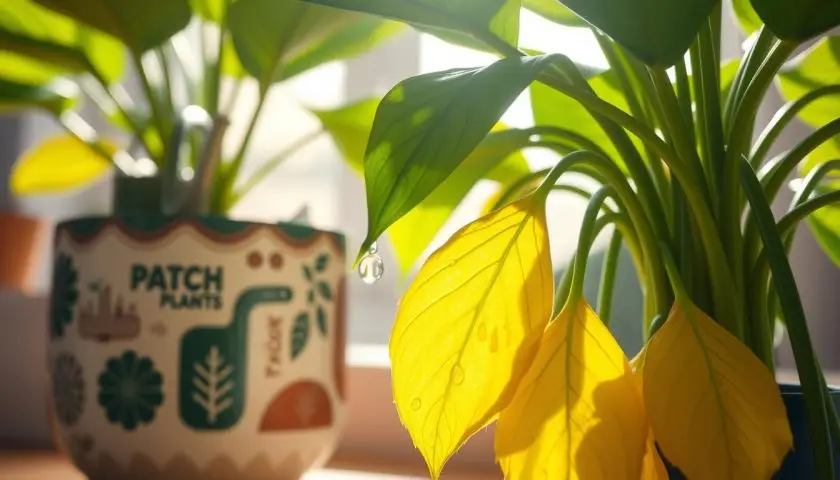
- Leaves turn yellow and feel soft.
- Soil stays wet for many days.
- Lower leaves drop while soil is damp.
- Stems feel weak or mushy.
- The plant has fungus gnats.
Underwatering symptoms
- Leaves turn yellow with crispy edges.
- Plant wilts and pot feels very light.
- Soil pulls away from the pot edge.
- Leaves curl inward or wrinkle.
- The plant perks up after deep watering.
Better watering routine
- Check the soil before watering.
- Water according to plant type, not a fixed calendar.
- Water deeply until excess drains out.
- Empty the saucer after watering.
- Wait for the correct dryness level before watering again.
Use complete watering tips, worst times to water plants, and self-watering pots guide for deeper watering help.
Yellow Leaves on Indoor Plants
Yellow leaves on indoor plants often come from the indoor environment rather than one simple mistake. Lower light, dry air, heating, cold windows, small pots, compact soil, and inconsistent watering all play a part.
Most common indoor causes
- Overwatering in low light.
- Soil staying wet too long.
- Dry winter air.
- Cold drafts from windows or doors.
- Plants placed too far from natural light.
- Old potting mix with poor drainage.
- Pests spreading from new plants.
Indoor treatment plan
- Move the plant to bright indirect light if it is too dark.
- Check soil moisture before watering again.
- Repot if soil is compacted, sour, or not draining.
- Inspect pests weekly.
- Increase humidity for tropical plants if edges are crispy.
- Trim fully yellow leaves after the cause is addressed.
Yellow Leaves on Outdoor Plants
Yellow leaves on outdoor plants can come from water swings, heat stress, cold nights, poor soil, nutrient shortage, pests, disease, or transplant shock. Outdoor plants also face rain, wind, temperature shifts, and soil conditions that indoor plants do not.
Outdoor causes to check
- Too much rain or waterlogged soil.
- Drought stress during hot weather.
- Container plants drying too quickly.
- Nutrient deficiency in poor soil.
- Pests such as aphids, mites, or whiteflies.
- Fungal disease after wet weather.
- Cold shock after planting out too early.
For outdoor support, read how to keep outdoor plants alive, low-maintenance outdoor plants, and how to keep pests away from outdoor plants.
Yellow Leaves on Tomato Plants
Yellow leaves on tomato plants can happen for several reasons: older lower leaf aging, inconsistent watering, nutrient deficiency, soil problems, pests, or disease. Tomatoes are heavy feeders and fast growers, so they show stress quickly.
What to check first
- Are the yellow leaves only the oldest lower leaves?
- Is the soil staying too wet or drying too much?
- Is the plant in enough sun?
- Are there spots, mottling, or wilting?
- Are pests hiding under leaves?
Treatment tips
- Water deeply and consistently.
- Mulch outdoor tomatoes to reduce moisture swings.
- Feed with a tomato-appropriate fertilizer during active growth.
- Remove diseased lower leaves and avoid wetting foliage.
- Improve airflow around crowded plants.
For edible plant help, read patio tomato plants, easy outdoor edible plants, and planting potatoes in containers.
Yellow Leaves on Citrus Trees
Citrus leaves can yellow from nutrient deficiency, cold stress, overwatering, poor drainage, pests, or alkaline soil issues. Container citrus often struggles when roots stay wet in winter or when feeding is inconsistent during active growth.
Common citrus clues
- Yellowing between veins may suggest a nutrient issue.
- Yellow leaves with wet soil may suggest root stress.
- Sticky leaves may point to scale, aphids, or other sap-sucking pests.
- Sudden yellowing after cold weather may be temperature stress.
Treatment tips
- Use a citrus-appropriate fertilizer during active growth.
- Keep container citrus in a bright position.
- Improve drainage and avoid waterlogged roots.
- Check undersides of leaves and stems for pests.
- Protect from cold drafts if grown indoors or under cover.
Should You Cut Yellow Leaves Off Plants?
You can remove yellow leaves when they are fully yellow, dead, diseased, mushy, or attracting pests. Use clean scissors or pruning shears so you do not tear the stem.
If a leaf is only slightly yellow but still mostly green, leave it for now unless it is diseased. The plant may still be using that leaf. Removing too many leaves at once can slow recovery.
Remove leaves when:
- The leaf is fully yellow or brown.
- The leaf is mushy or diseased.
- The yellowing is spreading with spots.
- The leaf is attracting pests.
- The leaf is dead and no longer useful.
For trimming help, read pruning basics and how to clean plant leaves.
Will Yellow Leaves Turn Green Again?
Most fully yellow leaves will not turn green again. Once chlorophyll is gone and the leaf has declined, the best goal is to fix the cause and protect new growth.
Do not judge recovery by old yellow leaves. Judge recovery by new leaves, stronger stems, better root health, and no new yellowing after care improves.
Plant-by-Plant Yellow Leaf Clues
| Plant | Common Yellow Leaf Cause | Helpful Guide |
|---|---|---|
| Snake Plant | Overwatering or cold wet soil | Snake Plant care guide |
| Pothos | Old leaf aging, watering swings, low light | Pothos care guide |
| Peace Lily | Water stress, low light, aging flowers | Peace Lily care guide |
| Monstera | Overwatering, low light, root stress | Monstera care guide |
| Calathea | Water quality, low humidity, stress | Calathea care guide |
| Spider Plant | Water stress, old leaves, salt buildup | Spider Plant care guide |
| ZZ Plant | Overwatering or poor drainage | ZZ Plant care guide |
| Fishbone Cactus | Overwatering, harsh sun, or root stress | Fishbone Cactus care |
Common Mistakes When Treating Yellow Leaves
| Mistake | Why It Hurts | Better Choice |
|---|---|---|
| Watering more without checking soil | Can worsen overwatering and root rot | Check moisture first |
| Adding fertilizer to a stressed plant | Can burn damaged roots | Fix roots and watering first |
| Moving plant repeatedly | Adds more stress | Choose one better spot and monitor |
| Cutting every yellowing leaf at once | Removes too much energy-producing tissue | Remove only dead, diseased, or fully yellow leaves |
| Ignoring pests | Pests spread to other plants | Inspect leaf undersides weekly |
| Using heavy soil | Roots stay wet too long | Use a draining mix matched to plant type |
Yellow Leaves Prevention Checklist
| Task | How Often | What to Look For |
|---|---|---|
| Check soil moisture | Before watering | Dryness level matched to plant type |
| Check drainage | Every watering | Water drains out and saucer is emptied |
| Review light | Seasonally | Weak growth, fading, scorch, leaning |
| Inspect pests | Weekly | Webbing, sticky leaves, cottony patches, bumps |
| Clean leaves | Every 2 to 4 weeks | Dust, spots, pest signs |
| Feed lightly | Active growth only | Pale growth, slow growth, plant type needs |
| Check roots | When symptoms spread | Rot, crowding, sour soil, poor drainage |
Helpful PATCH Guides for Yellow Leaves and Plant Problems
Use these related PATCH guides to diagnose yellow leaves, root problems, watering mistakes, light stress, pests, soil issues, and plant-specific symptoms.
Core Plant Problem Guides
- Why your plant leaves are turning yellow
- Plant Care hub
- Root rot guide
- How to revive a dying plant
- Leaf curl, browning and droop
- How to clean plant leaves
- Pruning basics
Watering, Soil and Repotting Guides
- Complete watering guide
- Worst times to water plants
- Signs you are overwatering
- Best soil mix guide
- How to repot a plant
- Repotting mistakes to avoid
- Self-watering pots guide
Light, Humidity and Indoor Care Guides
- Complete guide to indoor light
- Low light house plants
- Office-friendly plants for artificial light
- Humidity hacks without a humidifier
- DIY humidity tray
- Misting for plants
- Best bathroom plants
Indoor Plant Guides
- Indoor Plants hub
- Best indoor plants for beginners
- Best indoor plants for first-time plant parents
- Low-maintenance plants that thrive
- Best indoor plants for tiny apartments
- Oversized indoor plants
- Colorful foliage indoor plants
- Blooming indoor plants
Plant-Specific Guides
- Snake Plant care guide
- Tall Snake Plant guide
- Pothos care guide
- Peace Lily care guide
- Monstera care guide
- Calathea care guide
- Spider Plant care guide
- ZZ Plant care guide
- Fiddle Leaf Fig care guide
- Rubber Plant care guide
- Dracaena care guide
- Bird of Paradise care guide
- Boston Fern care guide
- Orchid care guide
- Fishbone Cactus care
- Goldfish Plant care
Outdoor and Edible Plant Guides
- Outdoor Plants hub
- How to keep outdoor plants alive
- How to keep pests away from outdoor plants
- Patio tomato plants
- Easy outdoor edible plants
- Planting potatoes in containers
- Container gardening on patios
- Low-maintenance outdoor plants
Frequently Asked Questions
What do yellow leaves on plants mean?
Yellow leaves usually mean the plant is stressed or retiring an old leaf. Common causes include overwatering, underwatering, poor drainage, low light, nutrient deficiency, pests, disease, temperature stress, or natural aging.
Can yellow leaves turn green again?
Most fully yellow leaves will not turn green again. The better sign of recovery is healthy new growth and no new yellowing after you fix the cause.
Should I cut yellow leaves off plants?
Yes, you can cut off fully yellow, dead, mushy, or diseased leaves with clean shears. If a leaf is only partly yellow and still mostly green, wait unless it is spreading disease.
Are yellow leaves always caused by overwatering?
No. Overwatering is common, but yellow leaves can also come from underwatering, low light, root rot, pests, nutrient issues, sun scorch, disease, cold drafts, or natural aging.
How do I know if yellow leaves are from overwatering?
Check the soil. If it is wet for many days and the leaves are soft, drooping, or yellowing quickly, overwatering or poor drainage is likely. A musty smell or mushy roots means root rot may be present.
How do I know if yellow leaves are from underwatering?
Underwatered plants usually have very dry soil, crispy edges, curling leaves, and a light pot. Some plants droop dramatically, then recover after a deep watering.
Can low light cause yellow leaves?
Yes. Low light can cause pale yellow leaves, weak growth, leaning stems, and slow soil drying. Move the plant to brighter indirect light or use a grow light if the room is dark.
What nutrient deficiency causes yellow leaves?
Nitrogen deficiency often causes older leaves to yellow first. Magnesium and iron issues can cause yellowing between veins on some plants. Always check roots, watering, and light before adding fertilizer.
Why are yellow leaves appearing after repotting?
Repotting can stress roots, especially if the new pot is too large, soil is too wet, or roots were damaged. Keep the plant stable, avoid overwatering, and give bright indirect light while it recovers.
What is the best yellowing plant leaves treatment?
The best treatment is to diagnose the cause first. Check soil moisture, drainage, roots, light, pests, nutrients, temperature, and recent changes. Then adjust only the care area that is causing stress.
Final Thoughts
Yellow leaves on plants do not always mean your plant is dying. They mean the plant is giving you information. Start with the simple checks: Is the soil too wet or too dry? Is the pot draining? Is the plant getting enough light? Are pests hiding under the leaves? Did anything change recently?
Virginia Tech Extension explains that when potting soil stays wet for long periods, oxygen availability decreases, and overwatered houseplants often show soft yellowing leaves: Virginia Tech houseplant watering guide.
Once you find the cause, do not expect old yellow leaves to become green again. Focus on stopping new yellowing, improving root health, and helping the plant produce strong new growth.
Final Recap
Yellow leaves on plants can mean natural aging, overwatering, underwatering, root rot, poor drainage, low light, sun scorch, nutrient deficiency, fertilizer burn, pests, disease, or temperature stress. Diagnose before treating. Check soil moisture, drainage, roots, light, pests, and recent care changes first. Remove fully yellow or diseased leaves with clean tools, but do not cut off too much healthy foliage at once. Most yellow leaves will not turn green again, so judge recovery by new growth. With better watering, light, soil, airflow, and pest checks, most plants can recover and grow healthier leaves.