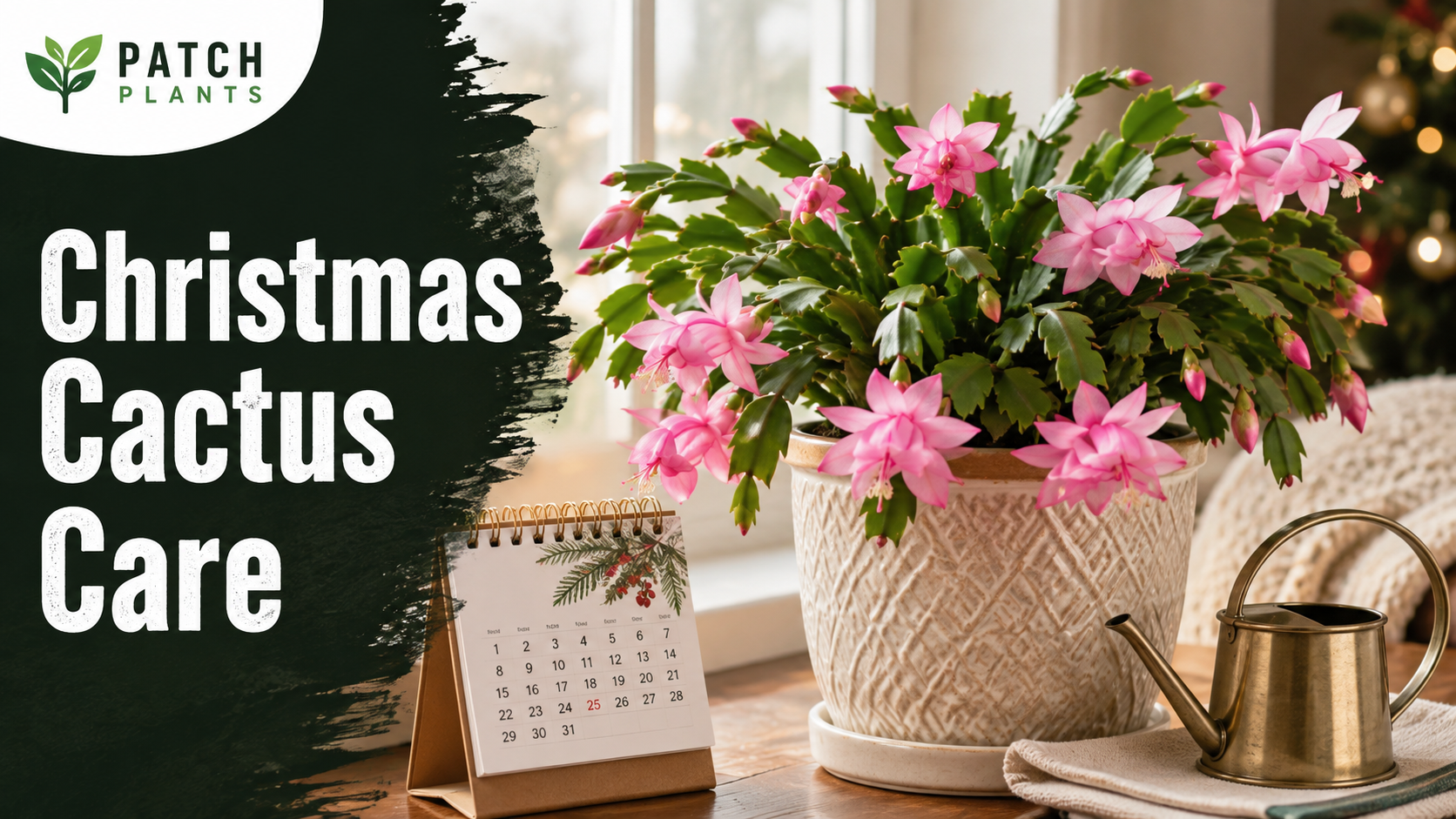
Christmas cactus maintenance is easier when you stop treating the plant like a holiday decoration and start caring for it by season. This tropical cactus has a yearly rhythm. It grows during spring and summer, rests after flowering, prepares buds in autumn, and blooms in winter when conditions are right.
A Christmas cactus is not a desert cactus. It naturally prefers bright filtered light, regular moisture during active growth, humid air, and a free-draining potting mix. The real secret is changing care through the year instead of using the same watering, light, and feeding routine every month.
Month-by-Month Snapshot
Christmas cactus maintenance works best when you follow the plant’s seasonal cycle. Give it bright indirect light all year, water more from spring to summer, feed during active growth, prune after flowering, reduce watering after bloom, and start a cooler, drier rest in early autumn to encourage buds. Once buds appear, keep care steady and avoid sudden moves, drafts, or overwatering.
Key Takeaways
- Christmas cactus maintenance changes by month because the plant has growth, rest, bud, and bloom phases.
- Bright indirect or dappled light is best. Avoid harsh direct sun.
- Water regularly from spring to summer, but reduce watering during rest periods.
- Prune in spring after flowering to encourage branching and more bloom tips.
- Feed lightly during active growth, then stop before the autumn bloom-prep period.
- Cooler temperatures and longer dark nights in autumn help trigger buds.
- Use this guide with the full Christmas Cactus care tips, cactus care guide, and complete watering guide.
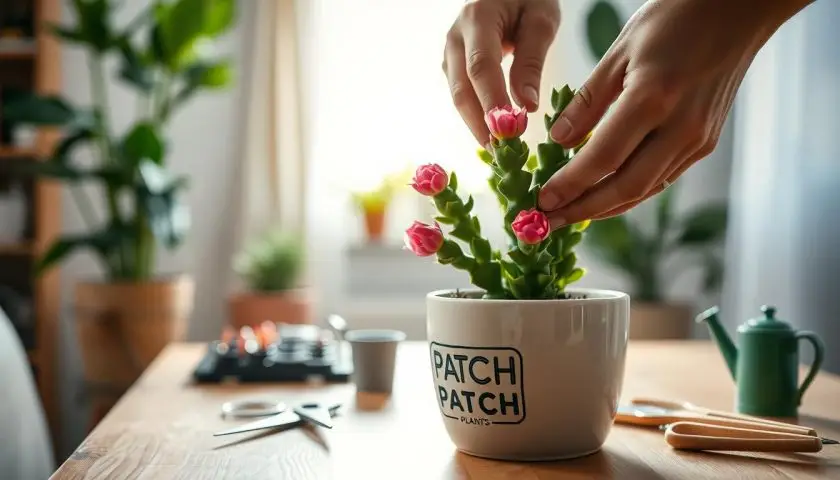
Christmas Cactus Maintenance Calendar at a Glance
| Month | Main Focus | Care Move |
|---|---|---|
| January | Bloom care and post-bloom transition | Keep watering steady, then reduce after flowers fade |
| February | Rest after flowering | Water less and keep slightly cooler |
| March | Recovery and pruning | Remove spent blooms and trim leggy tips |
| April | Active growth returns | Resume regular watering and light feeding |
| May | Propagation and shape | Take cuttings from healthy segments |
| June | Soil and repotting check | Repot only if roots fill the pot |
| July | Summer protection | Protect from heat and harsh direct sun |
| August | Prepare for transition | Reduce feeding near the end of the month |
| September | Start bloom prep | Begin cooler, drier rest |
| October | Bud formation | Protect dark nights and avoid warm rooms |
| November | Bud development | Keep watering and temperature consistent |
| December | Flowering display | Enjoy blooms and avoid bud drop triggers |
Understanding the Christmas Cactus Growth Cycle
Christmas cactus, or Schlumbergera, is a tropical epiphytic cactus. In nature, it grows in rainforest conditions with filtered light, humidity, and organic material around tree branches or rock pockets. That is why its care is different from dry desert cacti.
The plant has flattened green stem segments rather than traditional leaves. Flowers form at the tips of those segments, so the more healthy tips the plant has, the more potential bloom points it can create.
Christmas cactus vs other holiday cacti
Many plants sold as Christmas cactus are actually Thanksgiving cactus or closely related holiday cacti. The care is very similar, so this calendar still works for most Schlumbergera houseplants. Bloom timing may vary slightly depending on the type and your home conditions.
Why seasonal care matters
If you water, feed, and warm the plant the same way all year, it may grow leaves but fail to bloom well. Christmas cactus needs active growth in spring and summer, then a cooler, slightly drier autumn period to push bud formation.
Why stem tips matter
Flowers form at the ends of stem segments. Light pruning after bloom can encourage branching, which means more tips and a fuller plant later.
January: Keep Blooms Steady, Then Start Post-Bloom Care
In January, many Christmas cacti are still blooming or just finishing their display. The goal is steady care. Do not move the plant repeatedly, place it near heat vents, or let the pot sit in water.
January care tasks
- Keep the plant in bright indirect light.
- Water when the top layer of potting mix begins to dry.
- Keep it away from cold drafts and hot radiators.
- Remove fallen flowers from the soil surface.
- Do not repot while it is actively blooming.
After flowers fade
Once flowers fade, begin shifting into a short rest period. Water less often, but do not let the potting mix become bone-dry for weeks. The plant should rest, not dehydrate.
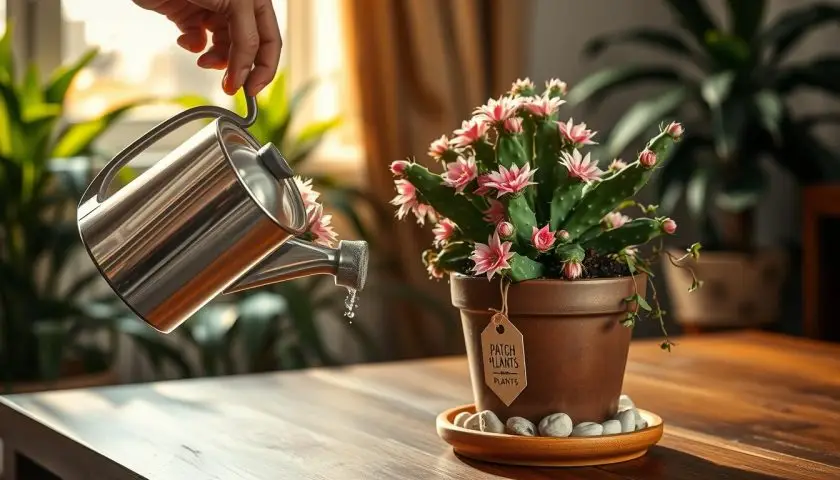
February: Give the Plant a Gentle Rest
February is usually a rest month. The plant has used energy for flowering, so it benefits from slightly cooler conditions and reduced watering. This rest helps reset the plant before spring growth.
February care tasks
- Reduce watering compared with bloom season.
- Let the top few centimetres of mix dry between watering.
- Keep the plant in bright filtered light.
- Do not feed yet if growth is slow.
- Keep the plant away from cold windows at night.
What not to do in February
Do not panic if the plant looks quieter. This is not the month for heavy fertilizer, aggressive repotting, or forcing new growth. Calm aftercare is better.
March: Clean Up and Prune Lightly
March is a good month to inspect the plant after flowering. Remove old blooms, check stem health, and prune if the plant is leggy. Pruning is optional, but it can help create a fuller plant.
March care tasks
- Remove dried flowers and dead segments.
- Wipe dusty stems with a damp cloth.
- Pinch or cut a few end segments from long stems.
- Check for mealybugs near joints.
- Prepare fresh potting mix if repotting is needed later.
How to prune Christmas cactus
Remove whole segments at the joints. Do not cut randomly through the middle of a segment if you can avoid it. Whole-segment pruning looks more natural and gives clean cuttings for propagation.
For more pruning help, read pruning basics and how to clean plant leaves.
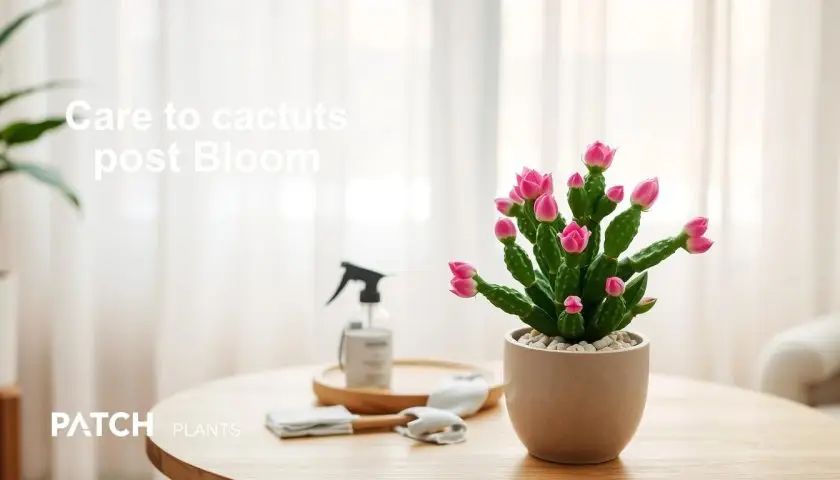
April: Resume Active Growth Care
By April, many Christmas cacti begin moving back into active growth. Light improves, temperatures rise, and the plant may start producing fresh segments.
April care tasks
- Increase watering checks as growth resumes.
- Keep the potting mix lightly moist but never waterlogged.
- Begin light feeding if new growth appears.
- Keep the plant in bright filtered light.
- Rotate the pot for even growth.
Feeding in April
Use a diluted liquid houseplant fertilizer if the plant is actively growing. Avoid strong fertilizer on dry soil or on a plant that is still resting.
For feeding help, use fertilizing indoor vs outdoor plants.
May: Take Cuttings and Shape the Plant
May is one of the best months for Christmas cactus propagation. The plant is entering strong growth, and cuttings have a better chance of rooting in warm, bright conditions.
May care tasks
- Take cuttings from healthy end segments.
- Let cuttings dry for a day or two before planting.
- Keep cuttings in bright indirect light.
- Water the mother plant regularly as growth increases.
- Watch for pests on new growth.
Simple cutting method
- Remove a cutting with two or three healthy segments.
- Let the cut end dry for a day or two.
- Place the cutting shallowly into a free-draining mix.
- Keep the mix barely moist, not wet.
- Keep in bright indirect light until rooted.
For more propagation help, read how to propagate houseplants.
June: Check Pot, Soil and Roots
June is a good time to check whether your Christmas cactus needs repotting. These plants often flower better when slightly snug, so do not rush into a large pot.
June care tasks
- Check whether roots fill the pot.
- Refresh soil only if the mix is old or compacted.
- Repot only one pot size larger if needed.
- Use a free-draining cactus or houseplant mix.
- Keep the plant out of harsh direct sun after repotting.
Best potting mix
Use cactus compost or a light indoor mix improved with grit, perlite, pumice, or fine bark. The mix should hold some moisture but drain freely.
Repotting warning
Overpotting can keep too much wet soil around the roots. That can lead to weak growth, fewer flowers, or root rot.
For repotting support, read how to repot a plant, repotting mistakes to avoid, and best soil mix guide.
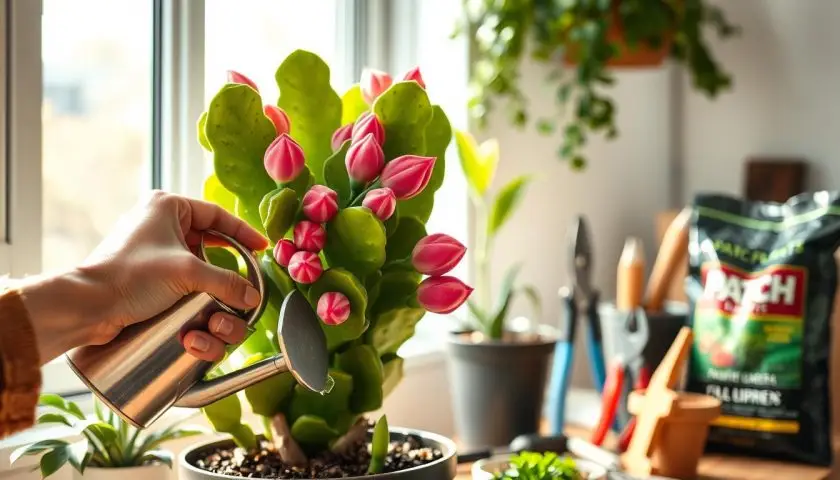
July: Protect From Heat and Strong Sun
July is often a heat-stress month. Christmas cactus likes warmth, but it does not like hot, dry, direct sun. Strong summer sun can bleach or scorch the segments.
July care tasks
- Keep the plant in bright filtered light.
- Move it back from hot south or west-facing glass.
- Check watering more often in warm rooms.
- Increase humidity if stems look shriveled.
- Keep it away from air-conditioning blasts.
Can Christmas cactus go outside in summer?
Yes, it can spend summer outside if the spot is warm, sheltered, and shaded. Do not place it in full sun. Bring it indoors before nights turn cool.
For light and summer care, read complete guide to indoor light and cactus care guide.
August: Prepare for the Seasonal Shift
August is the bridge between summer growth and autumn bloom preparation. The plant may still be growing, but you should begin planning for the rest period that starts soon.
August care tasks
- Keep watering consistent, not excessive.
- Reduce feeding near the end of the month.
- Inspect for pests before autumn.
- Bring outdoor plants closer to indoor transition.
- Choose a cooler autumn spot if your home stays very warm.
Why August matters
If the plant is stressed, overfed, sunburned, or pest-ridden in late summer, autumn bud formation may be weaker. Use August to stabilize the plant.
September: Start the Bloom-Prep Rest Period
September is one of the most important months for christmas cactus blooming. The plant needs a noticeable seasonal change to help start bud formation.
September care tasks
- Move the plant to a cooler location if possible.
- Reduce watering slightly.
- Stop fertilizing.
- Protect the plant from artificial light at night.
- Keep it in bright indirect light during the day.
Cooler temperature helps
A cooler room in early autumn helps signal the plant that blooming season is coming. Do not freeze the plant or place it in a cold draft. The goal is cool and steady, not cold and stressful.
October: Support Bud Formation
October is the key bud-forming month for many Christmas cacti. The plant responds to shorter days, longer nights, and cooler conditions. Artificial light at night can delay or weaken flowering.
October care tasks
- Give the plant long, uninterrupted dark nights.
- Keep temperatures cooler than summer if possible.
- Water less often, but do not let stems shrivel badly.
- Avoid feeding.
- Watch for tiny buds at stem tips.
Common October mistake
Keeping the plant in a brightly lit living room at night can interfere with bud formation. If lamps shine on the plant late every evening, move it to a naturally darker room during this period.
November: Keep Buds Stable
Once buds form, your main job is stability. Buds can drop if the plant gets too dry, too wet, too hot, too cold, or moved too often.
November care tasks
- Resume slightly more regular watering once buds are visible.
- Keep the potting mix lightly moist, not soggy.
- Avoid turning or moving the plant repeatedly.
- Keep it away from heat vents and cold drafts.
- Do not repot while buds are forming.
Why buds drop
Bud drop usually comes from sudden changes. Temperature swings, overwatering, dry soil, moving the pot, or drafts can all cause buds to fall before opening.
December: Enjoy Flowers and Avoid Sudden Changes
December is display month. Your Christmas cactus may be blooming, opening buds, or preparing to flower depending on the variety and home conditions.
December care tasks
- Keep the plant in bright indirect light.
- Water when the top layer begins to dry.
- Keep blooms away from dry heat.
- Do not repot or prune during bloom.
- Remove fallen flowers from the potting mix.
Best display spot
Choose a bright, stable room away from fireplaces, radiators, cold windows, exterior doors, and hot direct sun. A cooler bright room can help flowers last longer.
Christmas Cactus Watering Schedule by Season
Christmas cactus watering should shift with the plant’s growth cycle. It should never sit in water, but it also should not be kept bone-dry like a desert cactus.
| Season | Watering Style | Watch Out For |
|---|---|---|
| Late winter rest | Water less often | Do not let stems shrivel badly |
| Spring | Increase watering as growth starts | Avoid soggy soil after repotting |
| Summer | Water regularly when mix begins to dry | Heat can dry pots faster |
| Early autumn rest | Reduce watering | Too much water can weaken bud prep |
| Bud and bloom period | Keep lightly moist and consistent | Dry swings and overwatering can drop buds |
For watering support, use complete watering tips, worst times to water plants, and signs you are overwatering.
Light Requirements for Christmas Cactus Maintenance
Christmas cactus likes bright indirect or filtered light. It can struggle in deep shade and scorch in hot direct sun. An east-facing window is often a good indoor position.
Best light setup
- Bright indirect light most of the year.
- Gentle morning light is usually fine.
- Filter south or west-facing summer sun.
- Protect from artificial light at night during autumn bloom prep.
- Use a grow light only if natural light is very weak.
Signs it needs more light
- Weak or thin stem segments.
- Slow growth in spring or summer.
- Few flowers despite mature size.
- Long, floppy, pale growth.
Signs light is too strong
- Red, yellow, or bleached stem patches.
- Dry brown scorch marks.
- Shriveled stems near hot glass.
- Damage mainly on the sun-facing side.
For more placement help, read complete indoor light guide, low light house plants, and office-friendly plants for artificial light.
Temperature and Humidity Through the Year
Christmas cactus prefers warm, stable indoor conditions during growth and bloom, then cooler conditions for rest periods. It also appreciates more humidity than desert cacti.
Temperature tips
- Keep the plant away from freezing windowsills.
- Avoid cold drafts near doors.
- Avoid hot dry air from radiators.
- Use cooler rooms for autumn bud prep.
- Return to a comfortable indoor room once buds are visible.
Humidity tips
- Use a pebble tray without letting the pot sit in water.
- Group with other tropical houseplants.
- Use a small humidifier in very dry rooms.
- Keep away from dry heat vents.
- Mist only lightly and only where airflow is good.
For humidity help, read humidity hacks without a humidifier, DIY humidity tray, and misting for plants.
Feeding Christmas Cactus Month by Month
Christmas cactus does not need heavy feeding. Feed during active growth, then stop before the autumn rest period. Fertilizer cannot replace correct light, watering, or seasonal temperature changes.
| Period | Feeding Advice | Reason |
|---|---|---|
| January to March | Do not feed during rest | Plant is recovering after bloom |
| April to August | Feed lightly during active growth | Supports new segments and future bloom tips |
| September to October | Stop feeding | Supports rest and bud preparation |
| November to December | Avoid feeding during bud and bloom display | Keep care stable |
Repotting and Soil Maintenance
Christmas cactus often likes being slightly snug in its pot. Repotting too often or moving into a large pot can create wet soil problems and weaker flowering.
Signs it may need repotting
- Roots fill the pot completely.
- Water runs straight through old mix.
- The potting mix has broken down.
- The plant dries too quickly after watering.
- The pot is cracked or unstable.
Best soil mix
- Cactus compost or light houseplant mix.
- Perlite, pumice, or grit for drainage.
- Fine bark or leafmould-style material for structure.
- A pot with drainage holes.
How to Encourage Christmas Cactus Blooming
Christmas cactus blooming depends on mature growth, healthy stem tips, good light, and the right seasonal cues. Autumn is the main trigger period.
Bloom trigger checklist
- Bright indirect light during the day.
- Longer dark nights in autumn.
- Cooler temperatures from September into bud formation.
- Reduced watering before buds appear.
- No fertilizer during bloom prep.
- Stable care once buds form.
Why it may not bloom
| Problem | Likely Cause | Fix |
|---|---|---|
| No buds | Too warm or too much night light | Use cooler autumn rest and protect darkness |
| Few flowers | Not enough stem tips or low light | Prune lightly in spring and improve light |
| Buds appear then drop | Care changes, drafts, overwatering, dryness | Keep conditions steady |
| Late blooming | Autumn stayed too warm | Give cooler conditions earlier next year |
Common Christmas Cactus Problems
Bud drop
Bud drop usually happens when conditions change suddenly. Avoid moving the plant repeatedly once buds form. Keep it away from drafts, radiators, fireplaces, and soggy soil.
Shriveled stems
Shriveled stems can come from underwatering, root damage, too much heat, or direct sun. Check the soil and roots before watering heavily.
Yellow segments
Yellow segments can point to overwatering, poor drainage, low light, sun stress, or old growth. Check soil moisture and light first.
Root rot
Root rot usually comes from waterlogged mix, oversized pots, or poor drainage. If stems soften and the pot smells sour, inspect roots and repot into a draining mix if needed.
Mealybugs
Mealybugs can hide in segment joints. Check white cottony patches, sticky residue, and weak new growth. Isolate affected plants and clean pests away repeatedly.
For problem-solving, use root rot guide, yellow leaves on plants, leaf curl, browning and droop, and how to revive a dying plant.
Common Christmas Cactus Maintenance Mistakes
| Mistake | What Happens | Better Choice |
|---|---|---|
| Treating it like a desert cactus | Stems shrivel and growth weakens | Give regular moisture during active growth |
| Keeping soil waterlogged | Root rot and yellow segments | Use drainage and let excess water escape |
| Skipping autumn rest | Few or no buds | Give cooler, drier autumn care |
| Putting it in direct summer sun | Scorched or discoloured stems | Use bright filtered light |
| Moving it after buds form | Bud drop | Keep the plant stable |
| Overpotting | Wet soil and weak growth | Use a pot only slightly larger |
Christmas Cactus Maintenance Checklist
| Task | Best Time | What to Check |
|---|---|---|
| Watering | All year, adjusted by season | Top layer drying, no standing water |
| Light check | Seasonally | Scorch, weak growth, dark autumn nights |
| Feeding | April to late August | Active growth only |
| Pruning | Spring after flowering | Leggy stems and old segments |
| Propagation | May or spring growth season | Healthy two or three-segment cuttings |
| Repotting | Spring if needed | Root crowding, old mix, drainage |
| Bud care | October to December | Stable watering, no drafts, no sudden moves |
Helpful PATCH Guides for Christmas Cactus Maintenance
Use these related PATCH guides to improve cactus care, watering, light, pruning, repotting, humidity, and seasonal plant health.
Christmas Cactus and Cactus Guides
- Christmas Cactus care tips
- Cactus care guide
- Succulent care guide
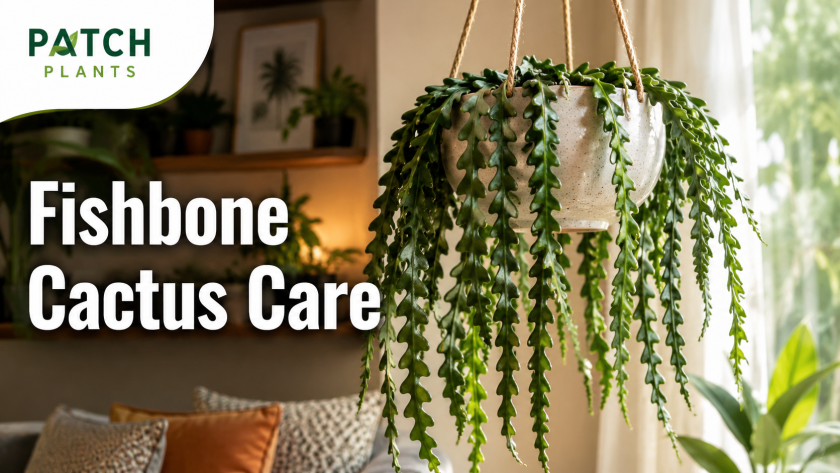
- Fishbone Cactus care
- Unusual indoor plants
Watering, Soil and Repotting Guides
- Complete watering guide
- Worst times to water plants
- Signs you are overwatering
- Best soil mix guide
- How to repot a plant
- Repotting mistakes to avoid
- Self-watering pots guide
Light and Humidity Guides
- Complete guide to indoor light
- Low light house plants
- Office-friendly plants for artificial light
- Humidity hacks without a humidifier
- DIY indoor humidity tray
- Misting for plants
Plant Problem Guides
- Plant Care hub
- Yellow leaves on plants
- Why plant leaves turn yellow
- Root rot guide
- How to revive a dying plant
- Leaf curl, browning and droop
- How to clean plant leaves
- Pruning basics
Indoor Plant Guides
- Indoor Plants hub
- Best indoor plants for beginners
- Best indoor plants for first-time plant parents
- Low-maintenance plants that thrive
- Best indoor plants for tiny apartments
- Oversized indoor plants
- Blooming indoor plants
- Colorful foliage indoor plants
Specific Indoor Plant Guides
- Orchid care guide
- Goldfish Plant care
- Purple Passion Plant care
- Boston Fern care guide
- Peace Lily care guide
- Spider Plant care guide
- Snake Plant care guide
- ZZ Plant care guide
- Pothos care guide
- Philodendron care guide
Seasonal and Styling Guides
- Seasonal plant care in autumn
- Garden calendar
- Decorate with festive plants
- Style indoor plants by room
- Decorate your bedroom with plants
- Create an indoor jungle without overcrowding
Frequently Asked Questions
What is the best Christmas cactus maintenance routine?
The best routine is seasonal. Water and feed more during active spring and summer growth, prune after flowering, reduce watering after bloom, and give cooler, drier care in autumn to encourage buds.
How often should I water Christmas cactus?
Water when the top layer of potting mix begins to dry. Water more often during spring and summer growth, then reduce watering during the post-bloom and autumn rest periods.
Does Christmas cactus need direct sunlight?
No. Christmas cactus grows best in bright indirect or dappled light. Harsh direct sun can scorch or discolour the stem segments.
When should I fertilize Christmas cactus?
Feed lightly from spring through late summer while the plant is actively growing. Stop feeding in early autumn before bud formation begins.
When should I prune Christmas cactus?
Prune in spring after flowering. Remove whole end segments at the joints to encourage branching and create more stem tips for future blooms.
How do I make Christmas cactus bloom again?
Give it bright indirect daylight, cooler temperatures, reduced watering, and long dark nights in early autumn. Once buds appear, keep watering and temperature stable.
Why are my Christmas cactus buds falling off?
Bud drop often comes from sudden changes, including moving the plant, dry soil, overwatering, cold drafts, hot rooms, or temperature swings.
When should I repot Christmas cactus?
Repot in spring only when needed. Use a pot only slightly larger than the old one because Christmas cactus often does better slightly snug.
Can I propagate Christmas cactus from cuttings?
Yes. Take cuttings with two or three healthy segments in spring, let the cut end dry briefly, then root the cutting in a free-draining mix.
Why are my Christmas cactus stems shriveling?
Shriveled stems can come from underwatering, damaged roots, too much heat, direct sun, or overwatering that has harmed the roots. Check soil and roots before changing the routine.
Final Thoughts
Christmas cactus maintenance is mostly about timing. Spring and summer build the plant. Autumn prepares buds. Winter protects flowers. Late winter lets the plant rest. Once you follow that rhythm, the plant becomes much easier to manage.
RHS explains that Christmas cacti grow best in bright filtered light, need regular watering during growth without waterlogging, benefit from cooler and drier rest periods, and can be propagated from stem cuttings: RHS Christmas cactus growing guide.
For the best results, do not overpot, do not leave the roots sitting in water, and do not skip the autumn rest period. Stable care during bud development is just as important as good care during the rest of the year.
Final Recap
Christmas cactus is a tropical holiday cactus that needs month-by-month care. In January and February, reduce watering after flowering and let the plant rest. In March and April, clean, prune, and resume growth care. In May and June, propagate or repot only if needed. In July and August, protect from heat and harsh sun. In September and October, start cooler, drier bloom preparation with long dark nights. In November and December, keep buds and flowers stable by avoiding drafts, overwatering, heat, and repeated moving. With bright filtered light, careful watering, seasonal rest, and spring pruning, Christmas cactus can bloom beautifully year after year.