LECA for plants is a cleaner way to grow many houseplants without traditional potting soil. Instead of soil, the plant roots sit among round expanded clay pellets while water and nutrients sit in a small reservoir below. The pellets support the plant, hold air spaces, and wick moisture upward.
LECA can make watering feel more controlled, but it is not a magic fix for every plant. It works best when you prepare the pellets properly, clean the roots carefully, use the right container, add nutrients, and keep the reservoir at a safe level. This beginner guide walks through the full setup from rinsing the pellets to fixing common problems.
Beginner Setup Snapshot
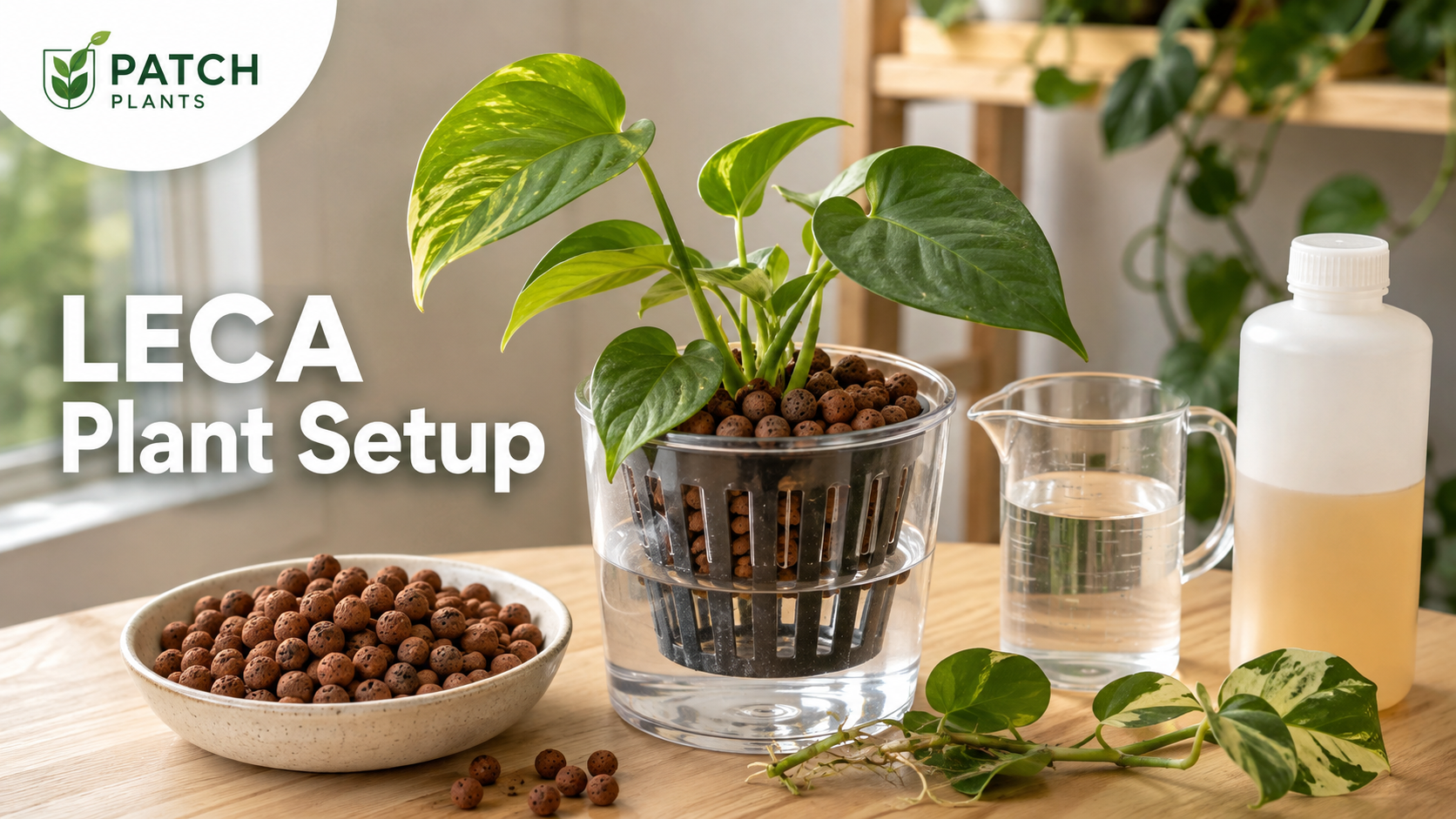
To use LECA for plants, rinse the pellets until the water runs clearer, soak them before planting, clean old soil from the roots, place the plant in a net pot or slotted inner pot, fill around the roots with LECA, and add a shallow nutrient reservoir below the root zone. Keep the crown and stem dry, use hydroponic nutrients, flush the setup regularly, and watch for transplant shock during the first few weeks.
Key Takeaways
- LECA for plants means growing in expanded clay pellets instead of regular soil.
- LECA supports roots and improves airflow, but it does not feed the plant on its own.
- Plants in LECA need hydroponic nutrients because the pellets contain almost no plant food.
- Rinsing and soaking LECA before use reduces dust and helps the pellets wick water better.
- The water reservoir should sit below the root crown, not drown the whole root system.
- Root cleaning is the hardest part of moving a plant from soil to LECA.
- Use this guide with complete watering tips, how to repot a plant, and root rot guide.
What Is LECA?
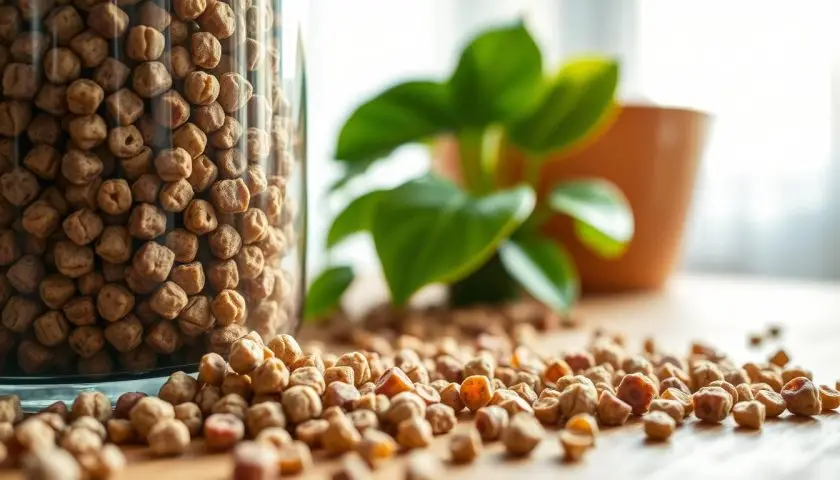
LECA stands for Lightweight Expanded Clay Aggregate. These small round pellets are made by heating clay until it expands into lightweight, porous balls. You may also see them sold as clay pebbles, expanded clay, grow rocks, or Hydroton.
The pellets do not behave like soil. They do not break down quickly, they do not contain compost, and they do not provide a natural nutrient supply. Their main job is to hold the plant upright while giving roots access to water, oxygen, and a nutrient solution.
Why plant owners use LECA
- It is cleaner than soil for shelves, desks, and indoor plant displays.
- It reduces problems linked to compacted potting mix.
- It creates more air space around roots.
- It makes the water level easier to see in clear containers.
- It can be reused after proper cleaning.
- It may reduce some soil-based pest problems when used correctly.
What LECA does not do
- It does not provide complete plant nutrition.
- It does not remove the need for light.
- It does not prevent every case of root rot.
- It does not suit every plant.
- It does not mean you can ignore watering completely.
LECA vs Soil: What Changes?
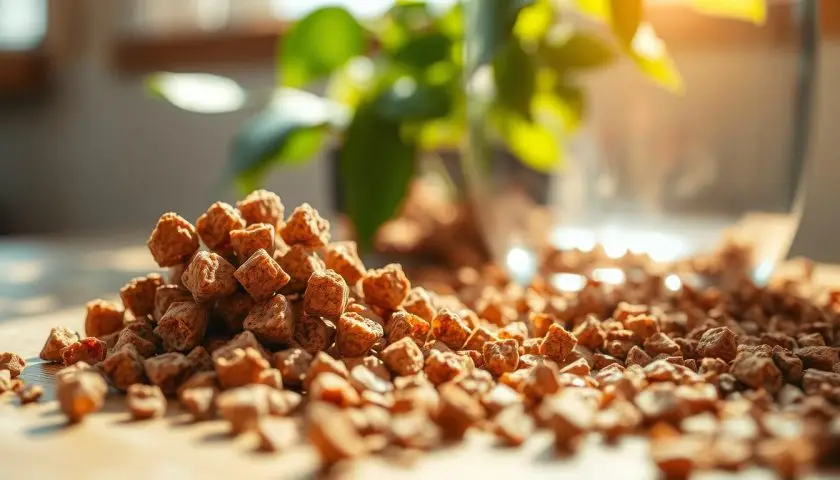
When you move a plant from soil to LECA, the root environment changes. Soil stores moisture and nutrients in organic matter. LECA holds the plant in place and wicks water from a reservoir, but the nutrients must come from the water you add.
| Feature | Soil or Potting Mix | LECA |
|---|---|---|
| Plant support | Supports roots and plant base | Supports roots with clay pellets |
| Water storage | Held in organic and mineral particles | Held in reservoir and pellet pores |
| Airflow | Depends on mix quality and compaction | High air space between pellets |
| Nutrition | May contain compost or slow-release fertilizer | Needs nutrient solution |
| Pests | Can attract fungus gnats if kept wet | Can reduce soil pests but algae can appear |
| Maintenance | Watering, repotting, soil refresh | Reservoir checks, nutrients, flushing |
Benefits of LECA for Plants
The biggest benefit of LECA plant care is control. You can see the water level, reduce dense wet soil around roots, and create a more airy root zone.
Better root aeration
The spaces between clay pellets let more air reach the roots. This is useful for plants that hate compacted, soggy potting mix.
More visible watering
In a clear cachepot or reservoir, you can see how much water is left. This helps beginners who tend to guess with regular soil.
Cleaner indoor growing
LECA does not spill like soil once it is rinsed and settled. It is useful for desks, shelves, plant walls, and decorative indoor setups.
Reusable medium
You can clean and reuse LECA if the previous plant was healthy. If disease or rot was present, wash and sterilize carefully before reuse.
Reduced compacted-root problems
Old potting mix can become dense over time. LECA keeps a more open structure, which can help roots breathe.
Limitations of LECA
LECA has limits. Many problems happen when beginners treat it like soil or assume the pellets contain food.
LECA does not feed plants
Because LECA is mostly inert, the plant depends on added nutrients. Plain water may keep a plant alive for a short time, but it will not support strong long-term growth.
The transition can shock plants
Roots grown in soil are not the same as roots grown in water or semi-hydro conditions. After moving to LECA, old roots may decline while new water-adapted roots form.
Some plants dry too fast
LECA drains quickly compared with many potting mixes. If the reservoir drops too low for too long, roots can dry out.
Mineral buildup is common
White crust can form on pellets when nutrients or hard water evaporate. Regular flushing helps prevent heavy buildup.
Algae can grow
Clear containers, light, water, and nutrients can lead to algae. It is usually manageable, but it looks messy and can signal that the setup needs cleaning.
Best Plants for LECA
Not every plant loves LECA, but many common houseplants can adapt when moved carefully. Rooted cuttings often adapt better than large mature plants because they can grow new roots directly into the setup.
Plants that often adapt well
- Pothos.
- Heartleaf Philodendron.
- Monstera and Mini Monstera.
- Scindapsus.
- Syngonium.
- Hoya.
- Spider Plant.
- Peace Lily.
- Orchids that already prefer chunky airy media.
- Some Anthuriums.
Plants that need caution
- Succulents that prefer long dry periods.
- Cacti.
- Plants with very fine sensitive roots.
- Plants already weak, rotting, or pest-infested.
- Large mature plants with dense soil root balls.
- Plants that hate root disturbance.
For plant-specific support, read Pothos plant care guide, Philodendron care guide, Monstera care guide, Hoya plant care guide, and Spider Plant care guide.
Supplies Needed for a Beginner LECA Setup
You do not need a complicated hydroponic system to start. A simple passive reservoir setup is enough for most beginner houseplant experiments.
| Supply | Why You Need It | Beginner Tip |
|---|---|---|
| LECA pellets | Root support and wicking | Choose clean, horticultural-grade pellets |
| Inner pot with holes | Holds plant and pellets | Use a net pot or clear orchid-style pot |
| Outer cachepot | Holds the reservoir | Clear pots make water level easier to see |
| Hydroponic nutrients | Feeds the plant | Start weak until the plant adjusts |
| Clean water | Reservoir and rinsing | Room-temperature water is safest |
| pH meter or strips | Checks nutrient solution | Useful but not mandatory for the first trial |
| EC meter | Checks nutrient strength | Helpful if you plan to grow many plants in LECA |
| Clean scissors | Trims dead roots | Disinfect before cutting roots |
Best beginner container style
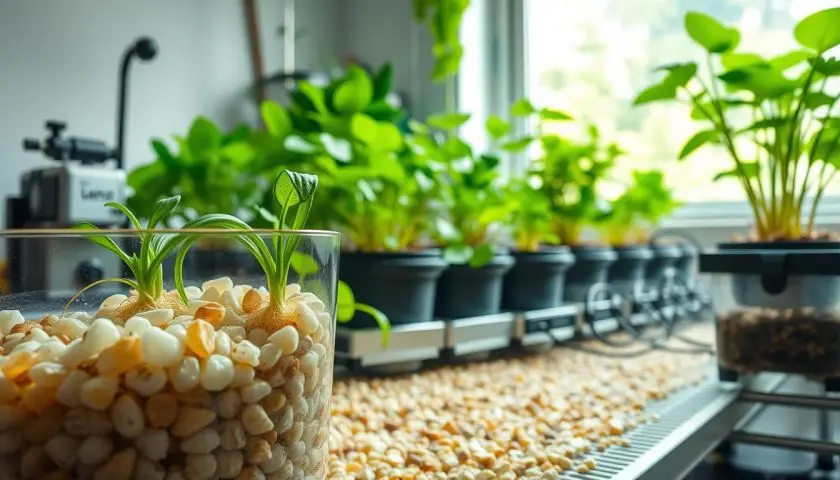
The easiest beginner setup is an inner pot with holes placed inside an outer cachepot. The plant and LECA sit in the inner pot. A small water reservoir sits in the outer pot below the root zone.
Can you use glass jars?
Glass jars look nice, but they can trap water and encourage algae if there is too much light. If you use glass, keep the water level low and clean it often.
Can you use self-watering pots?
Yes, some self-watering pots can work with LECA if the reservoir stays below the root crown and the plant has enough oxygen. For more on this topic, read self-watering pots guide.
How to Prepare LECA Before Planting
Do not pour fresh LECA straight from the bag into a plant pot. New pellets are dusty, and that dust can cloud the water, coat roots, and make the setup messy.
Step 1: Rinse the pellets
Place LECA in a bucket or colander and rinse it with water. Stir the pellets with your hand or a clean tool. Pour off dirty water and repeat until the water is much clearer.
Step 2: Soak the LECA
After rinsing, soak the pellets for several hours or overnight. Soaking helps the clay absorb water so it can wick moisture more evenly in the container.
Step 3: Rinse again
After soaking, rinse once more. This removes leftover dust and loose particles.
Step 4: Keep it clean before use
If you are not planting immediately, keep the prepared LECA in a clean covered container. Do not leave it sitting in dirty water.
How to Move a Plant From Soil to LECA
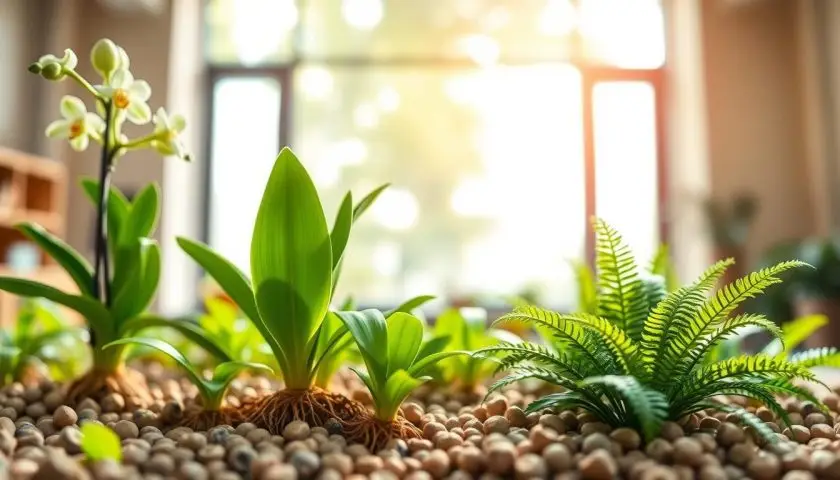
The soil-to-LECA transition is the part where most beginner mistakes happen. Take your time. The goal is to remove old soil without destroying healthy roots.
Step 1: Choose a healthy plant
Do not start with your rarest or weakest plant. Choose a healthy plant with active growth. A rooted cutting is often easier than a large soil-grown plant.
Step 2: Water before removing from soil
Water the plant the day before repotting. A lightly moist root ball is often easier to loosen than bone-dry soil.
Step 3: Remove the plant from the pot
Slide the plant out gently. Do not pull hard from the stem. Squeeze the pot or loosen the edges if the root ball is stuck.
Step 4: Remove old soil
Use lukewarm water to rinse soil from the roots. Work slowly and gently. A soft brush or chopstick can help remove soil from tight root areas.
Step 5: Trim dead roots
Cut away roots that are black, mushy, hollow, or foul-smelling. Keep firm, pale, tan, or healthy-looking roots.
Step 6: Add a bottom LECA layer
Place rinsed, soaked LECA in the bottom of the inner pot. This gives roots a lifted base and keeps the plant stable.
Step 7: Position the plant
Hold the plant so the crown and stem base sit above the future water line. Do not bury the crown too deep.
Step 8: Fill around roots
Add LECA around the roots and tap the pot gently to settle pellets. Do not crush roots by forcing pellets into tight spaces.
Step 9: Add a shallow reservoir
Add water or a weak nutrient solution to the outer pot. The water level should sit below the crown and not submerge the entire root system.
LECA Water Reservoir Setup
The reservoir is what makes many LECA setups feel easier than soil. Instead of watering from the top every few days, the plant pulls moisture from below through the pellets.
Simple reservoir rule
Keep the reservoir low enough that the stem and crown stay dry. For many small to medium plants, a shallow reservoir in the bottom portion of the outer pot is safer than filling the container high.
Why water level matters
If the water level is too high, old soil roots may stay constantly wet and rot. If the water level is too low for too long, the pellets can dry and the roots may dehydrate.
Top watering during transition
Some growers lightly rinse or top-water during the first weeks to keep moisture moving through the pellets. Let the extra water drain into the reservoir and empty if it rises too high.
Use a water-level marker
A marker, clear pot, or water gauge helps beginners avoid guessing. This is especially useful if you have several LECA plants.
Watering Plants in LECA
A LECA watering schedule depends on the plant, room temperature, light, reservoir size, root size, and season. Do not use one fixed schedule for every plant.
| Situation | What to Do | Watch Out For |
|---|---|---|
| Fresh soil-to-LECA transfer | Use a shallow reservoir and watch roots | Transplant shock and rot |
| Rooted cutting | Keep moisture steady | Dry pellets around young roots |
| Bright warm room | Check reservoir often | Fast evaporation |
| Low light room | Refill less often | Stale water and slow growth |
| Winter care | Reduce nutrient strength and checks by need | Cold wet roots |
When to refill
Refill when the reservoir is low and the pellets are no longer wicking enough moisture for the plant. Do not wait until the plant is severely wilted.
When to flush
Flush when you see white mineral crust, stale water, algae buildup, or slower growth after repeated feeding. Rinse the pellets and container with clean water, then refill with fresh solution.
Do not keep topping off forever
If you only top off the reservoir and never flush, salts can build up. A full refresh keeps the setup cleaner.
For more watering help, read complete watering guide, worst times to water plants, and signs you are overwatering.
Nutrients for Plants in LECA
Plants in LECA need nutrients because the clay pellets do not supply enough food. Use a hydroponic fertilizer or nutrient solution made for plants growing without soil.
Why regular plant food may not be enough
Some regular houseplant fertilizers are made to work with potting mix. In LECA, the nutrient solution is the main food source, so a complete hydroponic nutrient is usually a better choice.
Start weak
After a soil-to-LECA move, use a gentle strength at first. Strong fertilizer on stressed roots can cause more damage.
Watch pH and nutrient strength
If you grow many plants in LECA, a pH meter and EC meter can help. They are not always needed for one beginner plant, but they make care more precise.
Signs nutrients may be off
- Pale new growth.
- Yellow leaves after roots have adjusted.
- Brown leaf tips after feeding.
- White crust forming quickly on pellets.
- Wilting even when the reservoir is full.
For feeding basics, read fertilizing indoor vs outdoor plants.
Light Matters More Than the Medium
LECA cannot fix low light. A plant still needs enough light to use water and nutrients. In dim rooms, the reservoir may stay wet for too long and growth may slow.
After moving to LECA
Give the plant bright indirect light if the species allows it. Avoid harsh direct sun during transition, especially if many roots were trimmed.
Low light warning
If a plant sits in low light, it uses less water. A reservoir that works in summer may be too wet in winter or in a darker room.
Grow light option
A grow light can help plants recover after transition, especially in apartments, offices, and rooms with small windows.
For light support, read complete guide to indoor light, low light house plants, and house plants that like direct sunlight.
Common LECA Problems and Fixes
Most LECA problems come from old soil left on roots, a reservoir that is too high, weak light, no nutrients, hard water, or not flushing often enough.
| Problem | Likely Cause | First Fix |
|---|---|---|
| Yellow leaves | Transition shock, low light, root damage, nutrient issue | Check roots, light, and reservoir height |
| Wilting | Dry pellets, damaged roots, root rot, strong nutrients | Check moisture and root health |
| Mushy roots | Old soil roots rotting or reservoir too high | Trim rot and lower water level |
| Algae | Light hitting nutrient solution | Clean pot and reduce light on reservoir |
| White crust | Mineral or fertilizer buildup | Flush LECA and refresh solution |
| Bad smell | Stale water or rotting roots | Flush, inspect roots, and clean container |
| No growth | Low light, no nutrients, shock, or wrong plant | Review full setup |
Yellow leaves after moving to LECA
One or two yellow leaves after transfer can be normal. The plant may be sacrificing older leaves while it adjusts. Many yellow leaves at once mean you should check roots, water level, light, and nutrients.
Mushy roots
Mushy roots should be removed with clean scissors. Rinse the setup, lower the reservoir if needed, and keep the crown dry.
Algae on LECA
Algae grows where light, water, and nutrients meet. It is more common in clear containers. Clean the container and consider an opaque outer pot if algae returns quickly.
White crust on pellets
White crust is usually mineral or fertilizer residue. Flush the LECA and reduce excess nutrient strength if buildup returns fast.
For troubleshooting, read yellow leaves on plants, leaf curl, browning and droop, root rot guide, and how to revive a dying plant.
How to Maintain LECA Long Term
LECA care is not difficult, but it needs a rhythm. Instead of repotting soil often, you focus on the reservoir, nutrients, roots, and cleaning.
Weekly checks
- Check the reservoir level.
- Look for yellow leaves or wilting.
- Check for algae or bad smells.
- Make sure the plant is stable.
- Rotate the pot for even light.
Monthly checks
- Flush the container and pellets if buildup is visible.
- Refresh nutrient solution.
- Inspect roots if the container is clear.
- Clean dust from leaves.
- Trim dead or damaged growth.
When to repot a LECA plant
Repot when roots fill the inner pot, the plant becomes unstable, the container is too small, or roots are circling heavily. Use fresh cleaned LECA if the old pellets are dirty or crusted.
For repotting support, read how to repot a plant and repotting mistakes to avoid.
Can You Reuse LECA?
Yes, LECA can be reused if it is cleaned properly. This is one of its strongest advantages over many organic potting mixes.
When reuse is fine
- The previous plant was healthy.
- There was no serious root rot.
- The pellets are not badly crusted.
- You rinse away old nutrients and debris.
- You clean the container at the same time.
When to be careful
- The previous plant had root rot.
- The setup smelled bad.
- Pests or disease were present.
- Algae buildup was heavy.
- The pellets are covered in mineral crust.
Simple reuse method
- Remove old roots and debris.
- Rinse pellets well.
- Soak and rinse again.
- Disinfect if disease or rot was present.
- Rinse thoroughly after disinfecting.
- Dry or store clean until needed.
Best Beginner LECA Setup
The best beginner setup is simple and easy to inspect. Avoid complicated systems until you understand how your plant responds.
| Setup Part | Best Beginner Choice | Avoid |
|---|---|---|
| Plant | Rooted pothos, philodendron, or monstera cutting | Weak rare plant |
| Inner pot | Net pot or slotted orchid pot | Closed pot with no holes |
| Outer pot | Clear or easy-to-check cachepot | Deep opaque pot with hidden water level |
| Water level | Shallow reservoir below root crown | Submerging the whole root system |
| Nutrients | Weak hydroponic nutrient solution | Strong fertilizer on stressed roots |
| Location | Bright indirect light | Dark shelf with stale water |
Common Mistakes With LECA for Plants
| Mistake | What Happens | Better Choice |
|---|---|---|
| Not rinsing LECA | Dust clouds water and coats roots | Rinse until water is much clearer |
| Leaving soil on roots | Old soil rots in the reservoir | Clean roots gently before planting |
| Reservoir too high | Roots and stems stay too wet | Keep water below the crown |
| No nutrients | Plant slowly weakens | Use hydroponic nutrients |
| No flushing | Mineral buildup and stale water | Flush and refresh regularly |
| Moving a sick plant | Shock gets worse | Start with a healthy plant |
| Using LECA in very low light | Slow water use and root stress | Improve light or lower reservoir |
Helpful PATCH Guides for LECA Plant Care
Use these PATCH guides to improve watering, repotting, root health, light, plant choice, and troubleshooting before or after moving plants into LECA.
Watering, Roots and Repotting Guides
- Complete watering guide
- Worst times to water plants
- Signs you are overwatering
- Root rot guide
- How to repot a plant
- Repotting mistakes to avoid
- Best soil mix guide
- Self-watering pots guide
Light, Humidity and Feeding Guides
- Complete guide to indoor light
- Low light house plants
- House plants that like direct sunlight
- Humidity hacks without a humidifier
- DIY humidity tray
- Misting for plants
- Fertilizing indoor vs outdoor plants
Plant Problem Guides
- Plant Care hub
- Yellow leaves on plants
- Why plant leaves turn yellow
- Leaf curl, browning and droop
- How to revive a dying plant
- How to clean plant leaves
- Pruning basics
Plants That May Work Well in LECA
- Pothos plant care guide
- Philodendron care guide
- Monstera care guide
- Hoya plant care guide
- Spider Plant care guide
- Spider Plant light requirements
- How to transplant a Spider Plant
- Peace Lily care guide
- How often to water Peace Lily
- Anthurium care guide
- Orchid care guide
Indoor Plant Choice and Styling Guides
- Indoor Plants hub
- Best indoor plants for beginners
- Best indoor plants for first-time plant parents
- Best indoor plants for tiny apartments
- Tropical house plants
- Trailing plants for shelves
- Create an indoor jungle without overcrowding
- Style indoor plants by room
Frequently Asked Questions
What is LECA for plants?
LECA stands for Lightweight Expanded Clay Aggregate. It is a soilless growing medium made from expanded clay pellets. The pellets support roots, create air spaces, and wick water from a reservoir.
Is LECA better than soil?
LECA is not automatically better than soil. It is cleaner, reusable, and airy, but it needs nutrients, flushing, and careful transition. Soil may still be better for plants that dislike constant moisture or root disturbance.
Do plants in LECA need fertilizer?
Yes. LECA contains almost no plant food, so plants grown in LECA need hydroponic nutrients or a suitable nutrient solution.
How do I prepare LECA before using it?
Rinse LECA several times to remove dust, then soak it before planting. Rinse again after soaking if the water is still dirty.
Can I move any plant from soil to LECA?
No. Some plants adapt well, but others struggle. Rooted cuttings, pothos, philodendrons, monsteras, hoyas, and spider plants are often easier than mature sensitive plants.
Why are my LECA plants turning yellow?
Yellow leaves can come from transition shock, root damage, low light, a high reservoir, old soil rotting on roots, nutrient imbalance, or root rot.
How often should I flush LECA?
Flush when you see white crust, algae, stale water, or reduced plant health. Many growers refresh and flush regularly instead of only topping off the reservoir.
Can LECA cause root rot?
Yes, root rot can still happen if the reservoir is too high, old soil remains on roots, the plant is in low light, or water becomes stale. LECA reduces some soil issues, but it does not make roots rot-proof.
Can I reuse LECA?
Yes. LECA can be reused after cleaning. If the previous plant had rot, pests, or disease, disinfect and rinse the pellets thoroughly before using them again.
Is LECA good for beginners?
LECA can be beginner-friendly if you start with an easy plant or rooted cutting. It is not a set-and-forget system, but it can make watering and root monitoring easier once you learn the basics.
Final Thoughts
LECA for plants is useful when you want a clean, airy, reusable medium and you are willing to manage water and nutrients yourself. It is especially helpful for plant owners who like seeing the reservoir, checking roots, and using a more controlled setup than traditional potting mix.
Oklahoma State University Extension explains that expanded clay pellets are also called LECA, grow rocks, or Hydroton, that they are neutral and release almost no nutrients, and that they provide good oxygen and water balance while draining quickly: Oklahoma State University Extension guide to soilless growing mediums.
For best results, start small. Try one healthy pothos, philodendron, monstera cutting, or spider plant before moving your favourite mature plant. Rinse well, keep the reservoir low, add nutrients carefully, and let the plant grow new roots into the setup.
Final Recap
LECA for plants is a soilless growing method that uses expanded clay pellets to support roots and wick water from a reservoir. It can improve root airflow, reduce compacted soil problems, and make indoor growing cleaner. It also needs careful setup. Rinse and soak the pellets before use, clean old soil from roots, trim damaged roots, use a net pot or slotted inner pot, and keep the water reservoir below the root crown. Because LECA does not provide complete nutrition, use hydroponic nutrients and flush the setup regularly. Watch for yellow leaves, wilting, mushy roots, algae, white crust, stale water, and slow growth. Start with easy plants or rooted cuttings before moving mature houseplants. With the right plant, light, water level, nutrients, and maintenance, LECA can be a practical beginner-friendly way to grow many indoor plants.