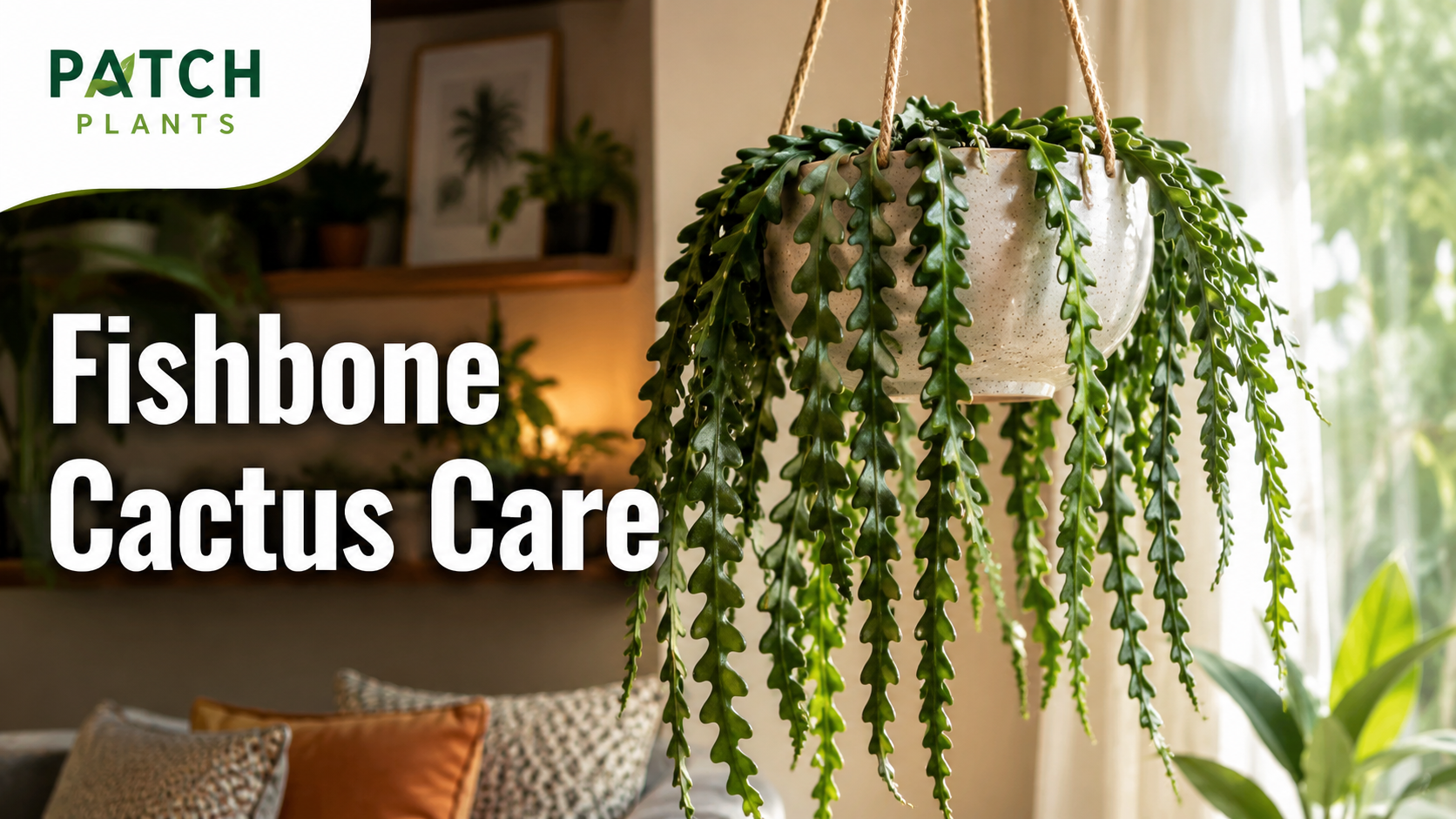
Fishbone cactus care is different from regular desert cactus care. This quirky houseplant, also called zig zag cactus, ric rac cactus, or Epiphyllum anguliger, has flat trailing stems with notched edges that look like a fish skeleton. It is a cactus, but it comes from humid forest conditions, not dry desert sand.
That means it likes bright filtered light, a loose airy potting mix, moderate humidity, and more regular watering than many classic cacti. The trick is balance: keep it lightly moist during active growth, but never soggy.
Care Snapshot
A fishbone cactus needs bright indirect light, a loose fast-draining cactus or epiphytic mix, moderate to high humidity, and watering when the potting mix begins to dry. Keep it away from harsh midday sun, reduce watering in winter, prune long stems when needed, and propagate healthy stem cuttings after letting the cut ends callus.
Key Takeaways
- Fishbone cactus care is closer to tropical cactus care than desert cactus care.
- Bright filtered light helps the stems grow stronger and may encourage flowers.
- Water when the potting mix begins to dry, then let excess water drain fully.
- Use a loose mix with cactus compost, perlite, orchid bark, grit, or pumice.
- Humidity helps, but soggy soil can still cause root rot.
- Stem cuttings are the easiest way to propagate fishbone cactus.
- This guide connects well with cactus care guide, complete watering tips, and how to repot a plant.
What Is a Fishbone Cactus?
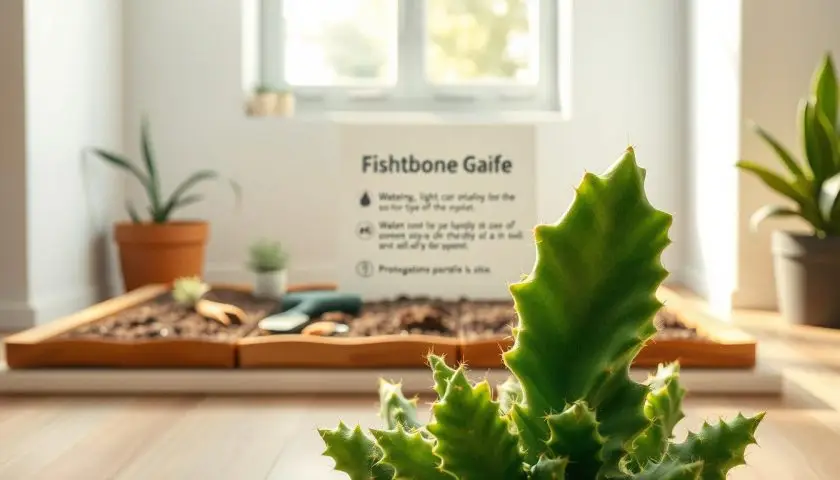
The fishbone cactus is an epiphytic tropical cactus grown for its flat, zig-zagging stems. Its botanical name is often listed as Epiphyllum anguliger, though you may also see Disocactus anguliger. Common names include fishbone cactus, zig zag cactus, ric rac cactus, rick rack cactus, and orchid cactus.
Unlike many spiky cacti, this plant has smooth trailing stems that become longer and more pendant with age. It looks especially good in hanging baskets, shelf planters, wall planters, and bright bathrooms with real natural light.
If you like unusual trailing houseplants, you may also enjoy trailing plants for shelves, hanging plants for shelves and ceilings, and unusual indoor plants.
Fishbone Cactus Care at a Glance
| Care Area | Best Setup | What to Avoid |
|---|---|---|
| Light | Bright filtered or indirect light | Harsh midday sun and dark corners |
| Water | Water when mix begins to dry | Soggy soil or standing water |
| Soil | Loose, airy, fast-draining cactus mix | Dense heavy compost |
| Humidity | Moderate to high humidity | Dry heat beside radiators |
| Temperature | Warm, stable indoor conditions | Cold drafts and freezing windowsills |
| Propagation | Stem cuttings | Planting fresh wet cuttings before callusing |
Understanding the Unique Needs of Fishbone Cactus
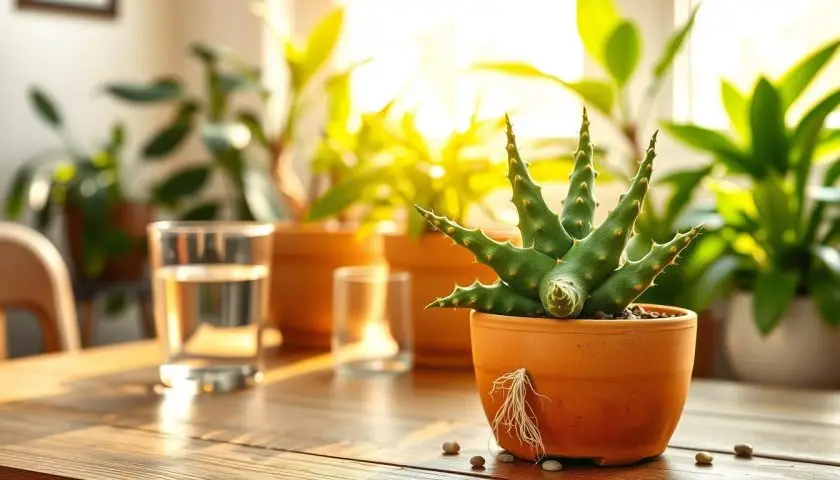
Good fishbone cactus plant care starts with understanding where this plant comes from. It is an epiphytic cactus, which means it naturally grows on trees or in bark pockets rather than in open desert soil. Its roots need air, light moisture, and quick drainage.
This is why it can feel confusing. It is called a cactus, but it should not be treated exactly like a desert cactus. It likes more humidity and more regular watering than many dry-climate cacti, but it still hates soggy roots.
Natural growth habit
Fishbone cactus has long flattened stems that first grow upright, then arch and trail as they mature. The notched edges create the fishbone shape. In a hanging pot, older stems can cascade beautifully over the sides.
Why it is popular indoors
This plant is popular because it looks unusual without being too difficult. It is also spineless, sculptural, and softer-looking than many cacti. It fits modern shelves, plant corners, bathrooms with windows, and hanging displays.
Is fishbone cactus beginner-friendly?
Yes, it can be beginner-friendly if you do not overwater it and do not place it in harsh direct sun. It is more forgiving than many rare tropical plants, but it still needs better moisture and humidity than a desert cactus.
Best Light for Fishbone Cactus Care
Fishbone cactus light requirements are simple: bright filtered light is best. The plant wants enough light to grow firm, healthy stems, but not intense midday sun that scorches the foliage.
An east-facing window is often ideal. A bright south or west-facing room can work if the plant is set back from the glass or protected by a sheer curtain. In lower light, it may survive but grow slowly, stretch, or refuse to bloom.
Best indoor light positions
- Near an east-facing window with gentle morning sun.
- A few feet from a bright south-facing window.
- Near a west-facing window with filtered afternoon light.
- In a bright bathroom with a real window.
- On a shelf under a grow light if your room is dim.
Signs it needs more light
- Stems become thin, pale, or stretched.
- New growth looks weak and narrow.
- The plant leans strongly toward the window.
- It grows very slowly during spring and summer.
- It never blooms despite mature growth and good care.
Signs the light is too strong
- Stems develop brown or bleached patches.
- The plant looks scorched near hot glass.
- Edges dry or mark after direct sun exposure.
- Green stems become yellowish or stressed.
For more placement help, read complete guide to indoor light, low light house plants, and office-friendly plants for artificial lighting.
Fishbone Cactus Watering: How Often and How Much
Fishbone cactus watering should be more regular than desert cactus watering, but less constant than fern watering. The goal is lightly moist during active growth and drier during cooler, slower months.
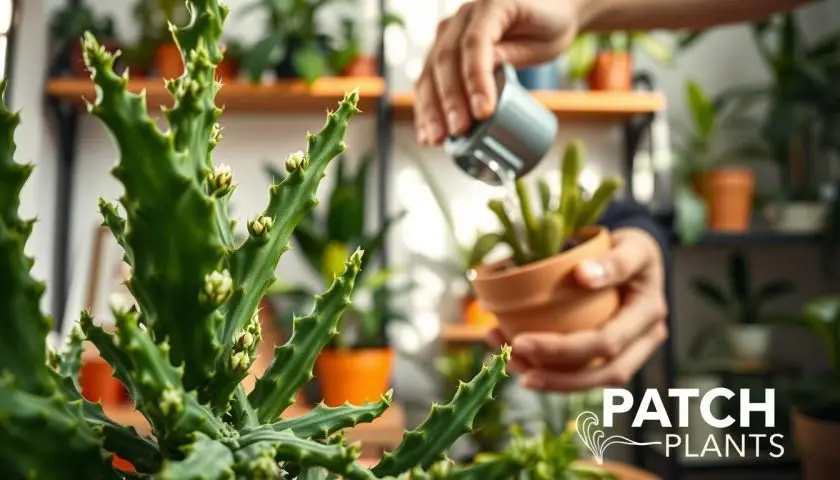
Water when the potting mix begins to dry. Do not let the plant sit in standing water, and do not keep the mix constantly wet. If the stems start shriveling, the plant may be too dry. If stems become soft, yellow, or mushy, the plant may be too wet.
Simple watering routine
- Check the top layer and deeper potting mix before watering.
- Water when the mix has started to dry but is not bone-dry for too long.
- Water evenly until excess drains from the bottom.
- Empty the saucer or outer pot after watering.
- Wait until the mix begins to dry again before the next watering.
Spring and summer watering
During active growth, fishbone cactus usually needs more frequent watering. Warm rooms, bright light, hanging baskets, and small pots can all dry faster. Check the plant more often during hot weeks.
Autumn and winter watering
In winter, reduce watering. Growth slows and the potting mix dries more slowly. Keep the mix slightly damp rather than wet, and avoid letting the plant sit cold and soggy.
Overwatering signs
- Yellow stems.
- Soft or mushy patches.
- Blackened stem bases.
- Musty smell from the pot.
- Roots look brown, black, or rotten.
Underwatering signs
- Stems look wrinkled or thin.
- Edges curl or fold inward.
- Soil pulls away from the pot edge.
- The plant feels very light when lifted.
- Flower buds may dry before opening.
For better watering habits, read complete watering guide, worst times to water plants, and signs you are overwatering.
Best Soil for Fishbone Cactus
The best soil for fishbone cactus is loose, airy, and fast-draining. The roots need oxygen as much as they need moisture. Dense soil can stay wet too long and lead to root rot.
A standard cactus mix can work if you improve it with bark, perlite, pumice, or grit. Because fishbone cactus is epiphytic, a slightly chunkier mix is often better than a very sandy desert cactus mix.
Simple fishbone cactus soil recipe
- 2 parts cactus or succulent compost.
- 1 part orchid bark or fine bark chips.
- 1 part perlite, pumice, or grit.
- A small amount of peat-free houseplant compost if extra moisture retention is needed.
Pot choice
Use a pot or hanging basket with drainage holes. Decorative pots are fine as outer covers, but the inner pot should drain. If water collects around the roots, the plant can rot even if the top looks healthy for a while.
Why drainage matters
Fishbone cactus likes moisture, but it does not like stale wet soil. Airy drainage lets the roots breathe and helps prevent fungal problems, sour soil, and mushy stems.
For more soil help, read best soil mix for every plant type, how to repot a plant, and repotting mistakes to avoid.
Temperature and Humidity for Fishbone Cactus
Fishbone cactus likes warm, stable indoor conditions. It is not a cold-hardy outdoor cactus, so keep it protected from cold drafts, freezing windowsills, unheated rooms, and sudden winter temperature drops.
Humidity is helpful because this is a forest cactus. Dry air can lead to wrinkled stems, weak growth, and dried flower buds. Still, humidity should not come with soggy soil. Keep humidity up and drainage strong.
Good humidity methods
- Group it with other tropical indoor plants.
- Use a pebble tray with water below the pot base.
- Use a small humidifier in dry rooms.
- Place it in a bright bathroom with a real window.
- Keep it away from radiators and dry heat vents.
Should you mist fishbone cactus?
Occasional light misting can help in warm, dry weather, but it should not replace real humidity support. Mist in the morning only, and make sure stems dry properly. For a full breakdown, read misting for plants.
For more humidity ideas, read humidity hacks without a humidifier, DIY indoor humidity tray, and best bathroom plants.
Fertilizing Fishbone Cactus
Fertilizing fishbone cactus helps support healthy growth during spring and summer, but this plant does not need heavy feeding. Too much fertilizer can damage roots and push weak growth.
When to feed
Feed lightly from spring to early autumn while the plant is actively growing. Use a diluted cactus fertilizer or balanced houseplant fertilizer. If your plant is not growing because of poor light or cold conditions, fertilizer will not fix it.
When to stop feeding
Reduce or stop feeding in winter when growth slows. A cooler, slightly drier winter rest can also help mature plants form flower buds.
Signs of too much fertilizer
- Brown stem tips.
- White crust on potting mix.
- Weak or distorted new growth.
- Yellowing after feeding.
- Root stress in wet soil.
For feeding help, read fertilizing indoor vs outdoor plants.
How to Propagate Fishbone Cactus
Fishbone cactus propagation is usually done from stem cuttings. This is the easiest way to make new plants and refresh older trailing growth.
The most important step is patience before planting. Fresh cactus cuttings should callus first. If you place a fresh wet cut directly into damp soil, it can rot before rooting.
Stem cutting method
- Choose a healthy mature stem.
- Cut a section with clean scissors or pruning shears.
- Let the cut end dry and callus for a few days in a warm place.
- Fill a small pot with loose cactus or epiphytic mix.
- Insert the cutting upright into the mix.
- Keep the mix lightly moist, not wet.
- Place in bright filtered light and warmth.
- Wait for new growth as a sign roots are forming.
Water propagation vs soil propagation
| Method | Best Part | Watch Out For |
|---|---|---|
| Soil propagation | Closer to natural rooting and less transplant shock | Cutting can rot if mix is too wet |
| Water propagation | Easy to watch roots form | Roots must adjust when moved to soil |
How long do cuttings take to root?
Cuttings can root in a few weeks in warm conditions, but timing varies. Cooler rooms, old cuttings, low light, and wet soil can slow or ruin the process.
Best time to propagate
Spring and summer are best because the plant is actively growing. Avoid propagating during cold winter conditions unless you can provide warmth and light.
Fishbone Cactus Pruning Guide
A simple fishbone cactus pruning guide starts with one idea: prune for shape, health, and propagation. The plant does not need heavy pruning, but trimming helps manage long stems and remove old or damaged growth.
When to prune
- After flowering.
- When stems become too long or tangled.
- When stems are damaged, yellow, or diseased.
- When you want cuttings for propagation.
- When the plant is becoming uneven or unstable.
How to prune safely
- Use clean, sharp scissors or pruning shears.
- Cut back to a healthy section of stem.
- Do not remove too much growth at once.
- Let healthy cuttings callus before rooting.
- Water a little less after heavy pruning because the plant has less foliage.
For pruning basics, read pruning basics and how to clean plant leaves.
Repotting Fishbone Cactus
Repotting fishbone cactus should not happen too often. This plant can flower better when slightly rootbound, and unnecessary repotting can disturb roots. Repot only when the mix breaks down, roots crowd the pot, drainage becomes poor, or the plant becomes unstable.
Signs it needs repotting
- Roots fill the pot tightly.
- The potting mix drains badly.
- The plant dries out too quickly.
- The hanging basket becomes unstable.
- The mix smells sour or has broken down.
Repotting steps
- Choose a pot only slightly larger than the current one.
- Use a loose cactus or epiphytic potting mix.
- Handle trailing stems gently because they can snap.
- Keep the plant at the same soil depth.
- Let excess water drain fully after watering.
- Keep in bright filtered light while it settles.
Best pot for fishbone cactus
A hanging basket, wide shallow pot, or stable ceramic container can work well. As the stems grow longer, the plant can become top-heavy, so choose a pot that supports its shape.
How to Encourage Fishbone Cactus Flowers
Fishbone cactus can produce fragrant white flowers, but blooming is not guaranteed every year indoors. Mature plants usually need good light, a healthy root system, and the right seasonal rhythm.
What helps flowering
- Bright filtered light.
- A slightly rootbound pot.
- Light feeding during active growth.
- A cooler, slightly drier winter rest.
- Avoiding overpotting.
- Not disturbing the plant too often.
Why fishbone cactus is not blooming
| Possible Cause | What You May Notice | What to Do |
|---|---|---|
| Too little light | Healthy stems but no flowers | Move to brighter filtered light |
| No winter rest | Growth continues but buds do not form | Give cooler, slightly drier winter care |
| Overpotting | Lots of soil, few flowers | Use a pot only slightly larger |
| Overfeeding | Weak growth or stressed roots | Feed sparingly |
| Young plant | Cutting is still small | Give it time to mature |
Common Fishbone Cactus Problems
Most common fishbone cactus problems come from light, water, drainage, temperature, or pests. The plant is usually easy to read once you know what the symptoms mean.
Yellow stems
Yellow stems can come from overwatering, poor drainage, too much direct sun, low light, or root stress. Check the soil before watering again.
Wrinkled stems
Wrinkled stems usually mean the plant is too dry, but they can also appear if roots are damaged and cannot take up water. Check the roots if watering does not help.
Soft or mushy stems
Soft stems are a warning sign. They often mean rot from too much water or cold wet soil. Cut away rotten sections and review drainage.
Brown spots
Brown spots can come from sun scorch, overwatering, fungal issues, or physical damage. If the plant sits in harsh sun, move it to filtered light.
Stunted growth
Slow growth may come from low light, poor roots, lack of nutrients, cold temperatures, or old compacted potting mix.
For symptom support, read why plant leaves turn yellow, leaf curl, browning and droop, root rot guide, and how to revive a dying plant.
Fishbone Cactus Pest Control
Fishbone cactus pest control starts with regular inspection. The notched stems can hide pests in curves, creases, and stem joints, so look closely when you water or clean the plant.
Mealybugs
Mealybugs look like small white cottony patches. They can hide along stem edges and joints.
Aphids
Aphids may gather on tender new growth or flower buds. They can leave sticky residue and weaken soft growth.
Spider mites
Spider mites are more likely in dry indoor air. Look for fine webbing, speckled marks, and dull stems.
Scale insects
Scale looks like small brown bumps attached to stems. It can be stubborn and needs repeated checks.
Fungus gnats
Fungus gnats usually mean the potting mix is staying too wet. Improve drainage and let the mix dry more between watering.
For prevention help, read how to keep pests away from plants and plants that keep bugs away.
Fishbone Cactus Care by Season
| Season | Care Focus | What to Adjust |
|---|---|---|
| Spring | New growth begins | Increase watering checks and start light feeding |
| Summer | Active growth and possible outdoor move | Keep in bright shade, avoid hot direct sun |
| Autumn | Growth slows | Reduce feeding and prepare for cooler care |
| Winter | Cooler, slightly drier rest | Water less, keep away from cold drafts |
Common Mistakes With Fishbone Cactus Care
| Mistake | What Happens | Better Choice |
|---|---|---|
| Treating it like a desert cactus | Plant dries too much and wrinkles | Water when mix begins to dry |
| Keeping it soggy | Root rot and mushy stems | Use loose mix and drainage |
| Putting it in harsh sun | Brown scorch marks | Use bright filtered light |
| Overpotting | Wet soil and fewer blooms | Use a pot only slightly larger |
| Skipping humidity in dry rooms | Wrinkled stems and weak buds | Use pebble tray, grouping, or humidifier |
| Planting fresh cuttings too soon | Cuttings rot before rooting | Let cut ends callus first |
Fishbone Cactus Care Checklist
| Task | How Often | What to Check |
|---|---|---|
| Check light | Seasonally | Scorch, stretching, weak growth |
| Check soil moisture | Before watering | Mix beginning to dry |
| Empty saucer | After watering | No standing water |
| Inspect pests | Weekly | Stem edges, creases, new growth |
| Feed lightly | Spring to early autumn | Only during active growth |
| Prune | As needed | Old, long, damaged, or tangled stems |
| Propagate | Spring or summer | Healthy stem cuttings that have callused |
Helpful PATCH Guides for Fishbone Cactus Care
Use these related PATCH guides to improve light, watering, cactus care, humidity, propagation, repotting, pest control, and indoor plant styling.
Cactus and Succulent Guides
- Cactus care guide
- Succulent care guide
- Christmas Cactus care tips
- Unusual indoor plants
- Rare houseplants
Light, Water and Soil Guides
- Complete guide to indoor light
- Low light house plants
- Office-friendly plants for artificial light
- Complete watering guide
- Worst times to water plants
- Signs you are overwatering
- Best soil mix guide
- How to repot a plant
- Repotting mistakes to avoid
Humidity and Misting Guides
- Misting for plants
- Humidity hacks without a humidifier
- DIY indoor humidity tray
- Best bathroom plants
- Plants for bathroom no light
- Bathroom plants for mold
Plant Problem Guides
- Plant Care hub
- Root rot guide
- How to revive a dying plant
- Leaf curl, browning and droop
- Why plant leaves turn yellow
- How to clean plant leaves
- Pruning basics
Indoor Plant Guides
- Indoor Plants hub
- Best indoor plants for beginners
- Best indoor plants for first-time plant parents
- Low-maintenance plants that thrive
- Best indoor plants for tiny apartments
- Oversized indoor plants
- Colorful foliage indoor plants
- Blooming indoor plants
Trailing and Styling Guides
- Trailing plants for shelves
- Low-light hanging plants
- Style indoor plants by room
- Decorate your bedroom with plants
- Create an indoor jungle without overcrowding
- Scandi home with plants
Specific Indoor Plant Guides
- Orchid care guide
- Goldfish Plant care
- Purple Passion Plant care
- Calathea care guide
- Boston Fern care guide
- Hoya care guide
- Pothos care guide
- Spider Plant care guide
- Snake Plant care guide
- ZZ Plant care guide
Frequently Asked Questions
How do you care for a fishbone cactus indoors?
Care for a fishbone cactus indoors by giving it bright filtered light, watering when the potting mix begins to dry, using a loose fast-draining mix, keeping humidity moderate, and pruning long or damaged stems when needed.
What are the best fishbone cactus light requirements?
Fishbone cactus grows best in bright indirect or filtered light. It should be protected from harsh midday sun, which can scorch the stems.
How often should I water fishbone cactus?
Water when the potting mix begins to dry. During spring and summer, this may be more often. In winter, water less and keep the mix only lightly damp.
What is the best soil for fishbone cactus?
The best soil is a loose, airy cactus or epiphytic mix. A blend of cactus compost, orchid bark, perlite, pumice, or grit works well.
Can fishbone cactus grow in low light?
It can survive in lower light for a while, but it will grow better in bright filtered light. Low light can cause weak growth and fewer flowers.
How do you propagate fishbone cactus?
Take healthy stem cuttings, let the cut ends callus for a few days, then plant them in lightly moist, well-draining mix. Keep them warm and in bright filtered light.
Why is my fishbone cactus wrinkled?
Wrinkled stems usually mean the plant is too dry, but root damage can cause similar symptoms. Check the potting mix and roots before watering heavily.
Why is my fishbone cactus turning yellow?
Yellow stems can come from overwatering, poor drainage, too much sun, low light, cold stress, or root problems. Check soil moisture and placement first.
Does fishbone cactus like humidity?
Yes. Fishbone cactus likes moderate to high humidity because it is a tropical epiphytic cactus. Use a pebble tray, humidifier, plant grouping, or bright bathroom with a window.
When should I repot fishbone cactus?
Repot only when needed, such as when the mix breaks down, roots crowd the pot, drainage becomes poor, or the plant becomes unstable. Avoid overpotting.
Final Thoughts
Fishbone cactus care becomes much easier when you remember that this is a forest cactus, not a desert cactus. It wants bright filtered light, light moisture, airy soil, humidity, and careful drainage. Treat it too dry and it wrinkles. Keep it too wet and it rots.
RHS explains that fishbone cactus should be grown in bright filtered light as a houseplant, in epiphytic cactus compost, and can be propagated by seed or stem cuttings: RHS fishbone cactus plant profile.
For the healthiest plant, place it where the stems get gentle light, water only after checking the mix, and use pruning as a chance to propagate. Once settled, fishbone cactus can become a beautiful trailing plant with bold zig-zag stems and, with the right conditions, fragrant flowers.
Final Recap
Fishbone cactus is a tropical epiphytic cactus with flat zig-zag stems and a trailing habit. It needs bright filtered light, a loose draining cactus mix, moderate to high humidity, and watering when the potting mix begins to dry. It should not sit in standing water or harsh midday sun. Feed lightly during active growth, prune long stems when needed, repot only when necessary, and propagate from callused stem cuttings. If stems wrinkle, yellow, soften, or stop growing, check water, light, roots, soil, temperature, and pests before changing the routine.