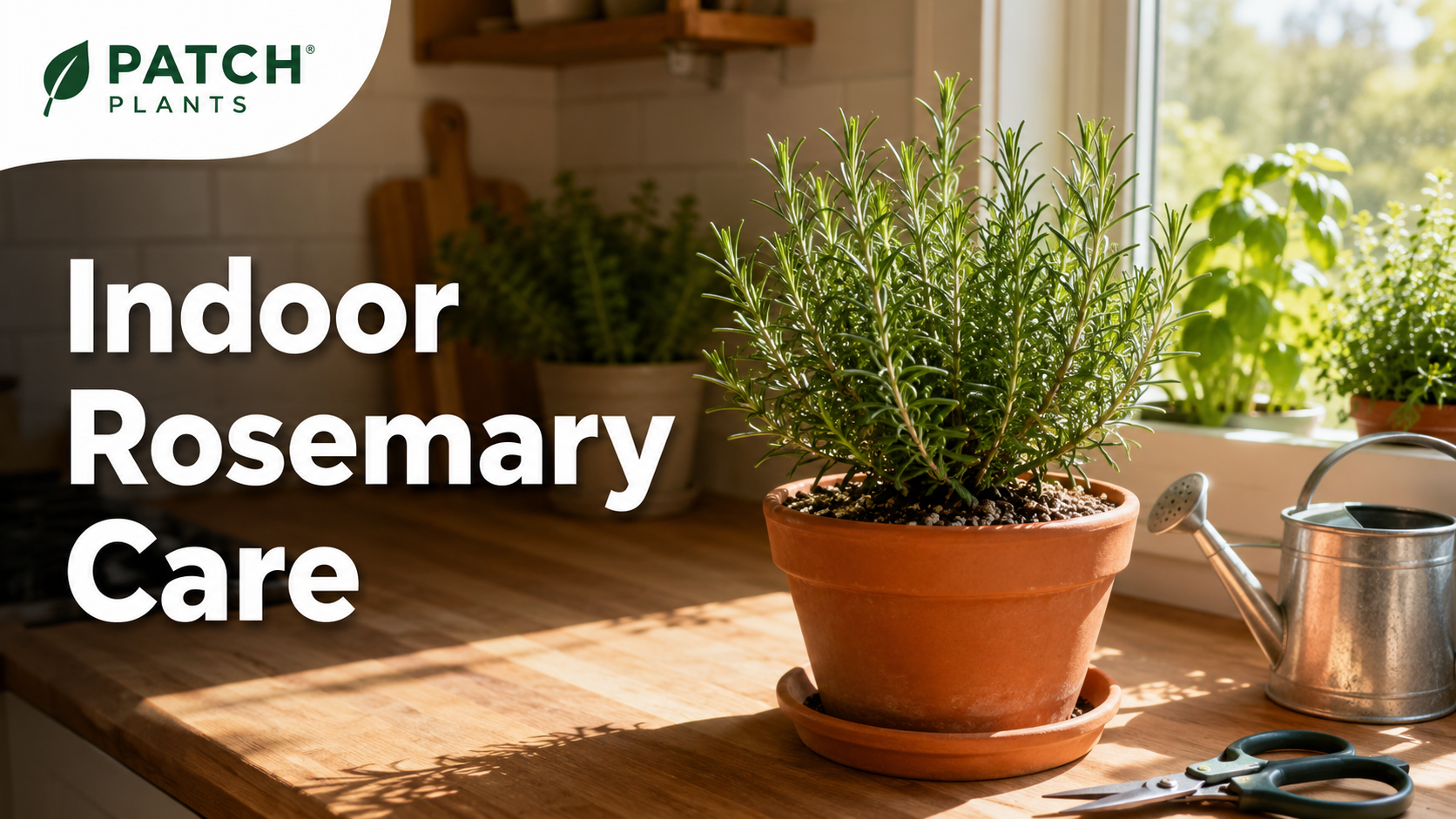
Rosemary plant indoors care is simple once you understand what this herb really wants. Rosemary is a Mediterranean plant, so it prefers bright light, sharp drainage, lean soil, moving air, and careful watering. Most indoor rosemary problems happen when the plant sits in weak light, damp compost, or stagnant air for too long.
Key Takeaways
- A rosemary plant indoors needs the brightest window you have, preferably several hours of direct sun.
- Growing rosemary indoors works best in a terracotta pot with drainage holes and a gritty, free-draining mix.
- Indoor rosemary plant care should focus on the soak-and-dry method rather than frequent light watering.
- Good airflow helps prevent powdery mildew, weak growth, and damp foliage problems.
- Prune soft green tips regularly to keep rosemary bushy, useful, and less woody.
- This article should support broader guides like best indoor plants for beginners, complete guide to indoor light, and complete watering guide.
Introduction
Rosemary looks like the perfect kitchen herb. It smells fresh, handles heat in cooking, and gives you evergreen stems to snip through the year. But indoors, it can be a little less forgiving than soft herbs like basil, mint, or parsley.
The reason is simple. Rosemary does not want a soft, humid, low-light indoor corner. It wants a bright, dry, breezy setup that feels closer to a sunny Mediterranean hillside. Once you give it those conditions, rosemary plant indoor care becomes much easier.
This indoor rosemary plant guide covers light, pots, soil, watering, pruning, winter care, pests, and common problems. You can also use it with indoor plants that smell amazing, how to style indoor plants by room, and how to revive a dying plant.
Rosemary Plant Indoors: What It Needs Most
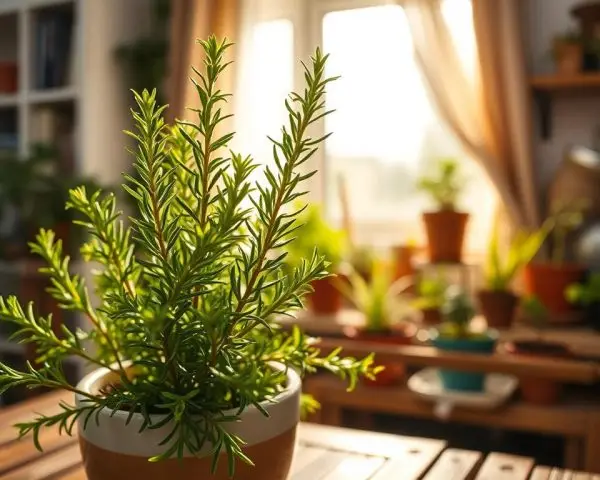
A rosemary plant indoors needs three things before anything else: strong light, fast drainage, and careful watering. If those are right, the plant usually stays compact, fragrant, and useful. If they are wrong, the plant may yellow, dry out, drop leaves, or rot from the roots upward.
Rosemary is not a plant that wants constant moisture. It prefers a proper drink followed by a drying period. It also needs enough light to keep its needle-like leaves dense and aromatic.
Best indoor rosemary conditions
- Light: Bright direct light, ideally from a south-facing window.
- Soil: Gritty, airy, and free-draining.
- Pot: Terracotta or clay with drainage holes.
- Water: Deep watering only after the top soil dries.
- Air: Fresh airflow, not a sealed damp corner.
- Temperature: Cool to warm indoor conditions, away from harsh vents.
Why Rosemary Struggles Indoors
Many people lose rosemary indoors because normal home conditions are the opposite of what the herb likes. Kitchens and living rooms can be warm, still, dry near radiators, damp near sinks, and often much darker than they look to us.
Low light causes weak growth
Rosemary needs more light than many houseplants. In weak light, stems stretch, leaves thin out, and the plant becomes pale or brittle. If your room suits low light house plants, it may still be too dim for rosemary.
Wet soil causes root rot
Overwatering is the fastest way to damage rosemary. The top may look dry while the lower compost stays wet. This is why drainage holes and a gritty mix matter so much.
Still air invites fungal problems
Rosemary likes airflow. In still rooms, powdery mildew and leaf problems are more likely, especially if the plant is near steam, damp windows, or crowded shelves.
Sudden indoor changes cause stress
If you bring rosemary indoors after summer outside, it may drop some leaves while adjusting. The plant is moving from bright outdoor light and moving air to a darker, calmer room, so a slow transition helps.
Best Light for Growing Rosemary Indoors
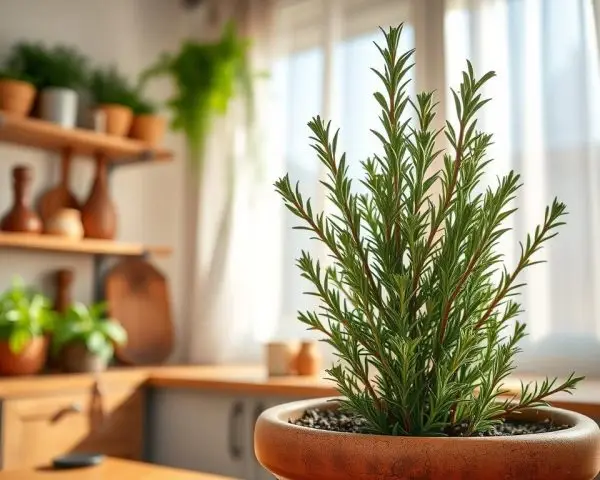
Light is the foundation of growing rosemary indoors. Without enough light, every other care step becomes harder. The soil stays wet longer, stems stretch, leaves weaken, and the plant becomes more vulnerable to pests and mildew.
Use the sunniest window
A south-facing window is usually best. West-facing windows can also work if they get strong afternoon sun. East-facing windows may be acceptable for smaller plants, but growth may be slower.
Do not rely on room brightness alone
A room can look bright to people but still be weak for herbs. Rosemary wants direct light, not just general daylight. Place it close to the glass, but avoid freezing cold windowpanes in winter.
Use a grow light if needed
A rosemary grow light can help in darker homes, apartments, or winter months. Use a full-spectrum LED grow light close enough to benefit the plant, but not so close that it heats or dries the tips.
Rotate the pot
Turn the pot every week so all sides receive light. This keeps growth more even and stops the plant leaning hard toward the window.
For more help with placement, read complete guide to indoor light and how to style indoor plants by room.
Choosing the Right Pot for Indoor Rosemary
The right pot can make indoor rosemary plant care much easier. Rosemary hates sitting in wet compost, so your pot should help moisture escape instead of trapping it.
Choose terracotta or unglazed clay
Terracotta pots are ideal because they breathe. They let moisture evaporate through the sides, which helps the soil dry more evenly. This is useful for rosemary in pots indoors.
Use drainage holes
Drainage holes are essential. A decorative pot without holes can trap water and cause root rot. If you love a decorative cover pot, keep rosemary in a nursery pot inside it and remove the plant for watering.
Avoid oversized pots
A pot that is too large holds too much wet compost around the roots. Move rosemary up only one pot size at a time when repotting.
Use a stable pot
Rosemary can become woody and top-heavy over time. A stable clay pot helps prevent tipping, especially near a bright window or open door.
Best Potting Mix for Indoor Rosemary
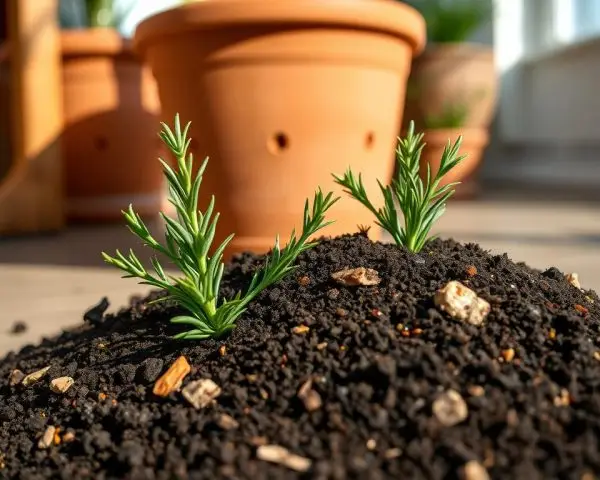
The best potting mix for indoor rosemary is gritty, airy, and fast-draining. Regular indoor potting soil often holds too much moisture on its own, especially in winter.
Start with cactus or succulent mix
A cactus or succulent mix is a good starting point because it is made for plants that dislike soggy roots. It drains faster than standard houseplant compost.
Add extra grit if needed
If the mix still feels soft and heavy, add perlite, pumice, horticultural grit, or coarse sand. The final mix should feel loose and slightly gritty.
Do not use dense garden soil
Garden soil can compact in pots and may hold too much water indoors. It can also bring pests or weed seeds inside.
Simple rosemary soil recipe
| Ingredient | Purpose | Simple Ratio |
|---|---|---|
| Cactus or succulent mix | Base growing medium | 2 parts |
| Perlite or pumice | Air and drainage | 1 part |
| Coarse sand or grit | Sharp drainage and weight | 1 part |
For more soil support, read best soil mix for every type of plant, how to repot a plant, and repotting mistakes to avoid.
Watering Rosemary Indoors the Right Way
Watering rosemary indoors is not about watering often. It is about watering deeply at the right time, then letting the plant dry enough before the next drink.
Use the soak-and-dry method
Water until excess moisture runs from the drainage holes. Then let the top layer of soil dry before watering again. In winter, the drying period is usually longer.
Check before watering
Push your finger into the soil. If the top inch or two still feels damp, wait. A moisture meter can help, but your finger and the weight of the pot are often enough.
Never leave the pot sitting in water
Empty saucers and cover pots after watering. Standing water around the roots can quickly cause rot.
Adjust for pot material
Terracotta dries faster than plastic. Small pots dry faster than large pots. A sunny window dries faster than a cool winter room. Check the plant, not the calendar.
| Condition | Watering Need | Care Tip |
|---|---|---|
| Bright sunny window | Dries faster | Check soil more often |
| Cool winter room | Dries slowly | Water much less often |
| Terracotta pot | Moderate to fast drying | Good choice for rosemary |
| Plastic pot | Slower drying | Be careful not to overwater |
For watering problems, use complete watering guide, worst times to water plants, and signs you are overwatering.
Temperature, Humidity, and Airflow
The best indoor rosemary plant care guide should always mention airflow. Rosemary can handle normal indoor temperatures, but it struggles when air is too still, roots are too wet, or the plant sits beside heating vents.
Keep it away from heating vents
Hot forced air can dry rosemary tips quickly while the soil stays damp below. This mismatch stresses the plant.
Avoid cold drafts
A little fresh air is helpful, but freezing drafts can damage indoor rosemary. Keep it away from doors that open into cold winter air.
Use gentle airflow
A small fan on a low setting can help if the room is still. Do not blast the plant. The goal is gentle air movement, not wind stress.
Do not make it too humid
Rosemary is not a humidity-loving tropical plant. It usually does not need a humidity tray. Focus on dry foliage, good drainage, and airflow instead.
How to Prune Indoor Rosemary
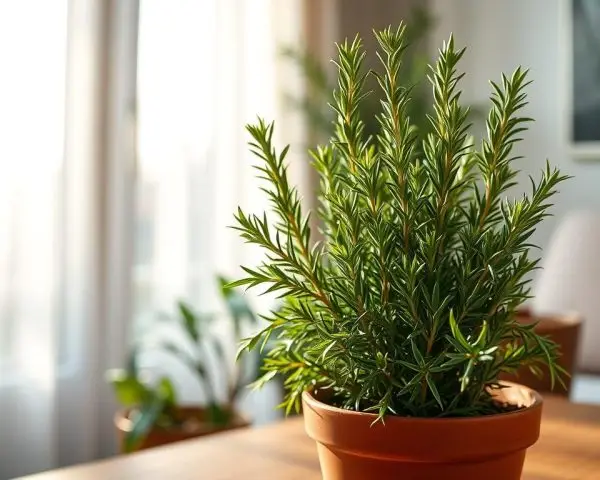
Learning how to prune indoor rosemary keeps the plant compact and useful. Regular light pruning is better than waiting until the plant becomes tall, woody, and bare.
Snip soft green tips
Harvest from the soft green tips of the stems. Cut just above a leaf node so the plant can branch from that point.
Do not remove too much at once
Avoid cutting away more than about one-third of the plant at one time. Rosemary can be slow to recover from hard indoor pruning.
Avoid cutting into bare old wood
Rosemary does not always regrow well from old woody stems with no green growth. Keep pruning gentle and regular while the plant is actively growing.
Use clean scissors
Clean pruning scissors reduce the risk of spreading disease. This matters more if you have several indoor herbs or houseplants nearby.
For more pruning basics, use pruning basics and how to clean plant leaves.
How to Harvest Rosemary Without Hurting the Plant
Harvesting is part of good rosemary plant indoor care. Light harvesting encourages branching and keeps the plant from becoming long and sparse.
Harvest small amounts often
Take a few stem tips when you need them. Regular small harvests are safer than cutting large sections at once.
Choose healthy green stems
Pick flexible green stems, not old woody branches. Green stems are more useful in cooking and better for plant shape.
Harvest in active growth
Spring and summer are the best times for regular harvesting. In winter, take less because the plant grows more slowly.
Use fresh or dried rosemary
Fresh rosemary is strong, so a little goes a long way. You can also dry stems in a warm, airy place and store the leaves for later cooking.
Winter Care for Indoor Rosemary
Winter is often the hardest season for a rosemary plant indoors. Light drops, windows get cold, heating dries the air, and the plant grows more slowly. Your care routine should change with the season.
Reduce watering
Rosemary uses less water in winter. Always check the soil before watering. Many winter deaths come from wet roots, not thirst.
Add a grow light
If the plant becomes pale or leggy, add a grow light. This is especially useful in apartments, north-facing rooms, or cloudy climates.
Keep away from radiators
Do not place rosemary directly above or beside a radiator. Heat can dry the foliage and stress the plant.
Watch for mildew
Closed windows and damp winter air can encourage powdery mildew. Improve airflow and remove affected stems quickly.
Bringing Rosemary Indoors From Outside
If your rosemary spent summer outside, bring it indoors before cold weather becomes severe. The move should be gradual, not sudden.
Inspect for pests first
Check stems, leaf undersides, and soil surface before moving the plant inside. Look for aphids, spider mites, scale, fungus gnats, and webbing.
Acclimate the plant
Move it to a sheltered outdoor spot first, then a bright porch or windowsill. This helps reduce shock from the change in light and air.
Prune lightly
Remove dead, weak, or crowded stems before bringing it indoors. Do not hard prune right before winter unless needed.
Quarantine from houseplants
Keep the plant away from your main indoor collection for a week or two. This gives pests time to show before they spread.
Common Indoor Rosemary Plant Problems
Indoor rosemary plant problems are usually linked to light, water, soil, or airflow. Before adding fertilizer or trying complicated fixes, check those basics first.
Yellow leaves
Yellow leaves often mean overwatering, poor drainage, low light, or cold stress. Check the soil depth, drainage holes, and root health.
Brown crispy tips
Crispy tips can come from drying out too long, heat vents, root stress, or sudden environmental change. Check both the foliage and soil before reacting.
Drooping stems
Drooping may mean thirst, but it can also mean root rot. If the soil is wet and the plant droops, do not add more water.
Leggy growth
Leggy rosemary usually needs more light. Move it closer to a sunny window or add a grow light.
White powder on leaves
White powder is often powdery mildew. Improve airflow, keep foliage dry, and remove badly affected growth.
For deeper troubleshooting, use root rot guide, leaf curl, browning, and droop, why plant leaves turn yellow, and how to revive a dying plant.
Indoor Rosemary Plant Pests
Indoor rosemary plant pests are easier to manage when you catch them early. Inspect the plant every week, especially if it recently came indoors from outside.
Spider mites
Spider mites create fine webbing and tiny speckled leaves. They often appear in dry indoor air. Rinse the plant, improve airflow, and isolate it from other plants.
Aphids
Aphids gather on soft new growth. Remove small groups by hand or rinse them off with water.
Scale insects
Scale looks like small bumps on stems. Remove them carefully and keep checking because they can return.
Fungus gnats
Fungus gnats appear when soil stays wet. Let the top layer dry more, improve drainage, and remove decaying leaves from the pot.
For pest support, read how to keep pests away from outdoor plants, plants that keep bugs away, and herbs that keep mosquitoes away.
Should You Feed Rosemary Indoors?
Rosemary is not a heavy feeder. Too much fertilizer can make growth soft and weak. Feed lightly only when the plant is actively growing.
Feed in spring and summer
Use a gentle balanced feed at half strength during active growth. Once a month is usually enough for a healthy potted rosemary.
Do not feed a stressed plant
If rosemary is yellowing, drooping, or rotting, fertilizer will not fix it. Solve light, water, drainage, and root problems first.
Pause feeding in winter
Indoor rosemary grows more slowly in winter. Avoid feeding unless it is under strong light and actively producing new growth.
For more detail, read fertilizing indoor vs outdoor plants.
Best Rooms for a Rosemary Plant Indoors
Rosemary can work in several rooms, but only if the light is strong enough. Choose the room based on brightness before style.
Kitchen
A sunny kitchen window is ideal because rosemary is close to where you cook. Avoid placing it beside steam, sinks, or heat vents.
Living room
A bright living room window can work well if there is enough sun and airflow. Use a terracotta pot to keep the look natural and simple.
Home office
Rosemary can make a sunny desk or shelf feel fresher, but only if it is right beside a bright window or grow light.
Bathroom
Bathrooms are usually not ideal for rosemary because they are humid and often low-light. For bathrooms, use best bathroom plants, plants for bathroom no light, or bathroom plants for mold instead.
Quick Indoor Rosemary Care Checklist
| Care Area | Best Practice | Common Mistake |
|---|---|---|
| Light | Sunny window or grow light | Placing it in low light |
| Water | Soak, drain, then let dry | Watering too often |
| Soil | Gritty free-draining mix | Using heavy potting soil |
| Pot | Terracotta with drainage | Decorative pot with no holes |
| Airflow | Gentle air movement | Still damp corner |
| Pruning | Light regular snipping | Hard cutting old wood |
Helpful PATCH Guides for Indoor Rosemary, Herbs, and Plant Care
Use these related guides to support readers who want stronger indoor plant care, better light, healthier watering habits, and more herb-friendly growing conditions.
Indoor Plant Basics
- Indoor Plants hub
- Best indoor plants for beginners
- Best indoor plants for first-time plant parents
- Best indoor plants for tiny apartments
- Low light house plants
- Low-maintenance plants
- Air-purifying indoor plants
- Indoor plants that smell amazing
Indoor Light, Water, and Soil Guides
- Complete guide to indoor light
- Complete watering guide
- Worst times to water plants
- Signs you are overwatering
- Best soil mix guide
- Self-watering pots guide
- How to repot a plant
- Repotting mistakes to avoid
Plant Care and Troubleshooting Guides
- Plant Care hub
- Root rot guide
- How to revive a dying plant
- Leaf curl, browning, and droop
- Why plant leaves turn yellow
- How to clean plant leaves
- Fertilizing indoor vs outdoor plants
- Pruning basics
- Humidity hacks
- DIY humidity tray
Kitchen, Herb, and Edible Growing Guides
- Easiest outdoor edible plants for beginners
- Edible flowers to grow outdoors
- Herbs that keep mosquitoes away
- Planting potatoes in containers
- Patio tomato plants
- Container gardening on patios
- Garden calendar
Indoor Styling Guides
- How to style indoor plants by room
- Decorate your bedroom with plants
- Create an indoor jungle
- Trailing plants for shelves
- Statement plants for minimalist interiors
- Scandi home with plants
- Feng Shui indoor plants
- Best office plants
- Improve home office with plants
- Office-friendly plants
- Oversized indoor plants
- Indoor gardening systems
Specific Plant Care Guides
- Snake Plant care guide
- ZZ Plant care guide
- Pothos care guide
- Spider Plant care guide
- Peace Lily care guide
- Boston Fern care guide
- Philodendron care guide
- Dracaena care guide
- Calathea care guide
- Monstera care guide
- Hoya care guide
- Anthurium care guide
- Orchid care guide
- African Violet care guide
- Succulent care guide
- Cactus care guide
- String of Pearls care
- Moss pole for plants
Outdoor Guides Rosemary Readers May Also Like
- Outdoor Plants hub
- How to keep outdoor plants alive
- Low-maintenance outdoor plants
- Drought-resistant plants
- Plants in pots in shade
- Small plants that like shade
- Shade-loving outdoor plants
- How to keep pests away from outdoor plants
- Plants that keep bugs away
- Mosquito repellent plants
Frequently Asked Questions
Can you keep a rosemary plant indoors?
Yes. You can keep a rosemary plant indoors if it gets strong light, a pot with drainage holes, gritty soil, careful watering, and good airflow.
How much light does indoor rosemary need?
Indoor rosemary needs the brightest spot available. A sunny south-facing window is best. If natural light is weak, use a full-spectrum LED grow light.
How often should I water rosemary indoors?
Water when the top inch or two of soil has dried. Water deeply, let the pot drain, and never leave rosemary sitting in water.
What is the best potting mix for indoor rosemary?
The best mix is gritty and free-draining. Use cactus or succulent mix with added perlite, pumice, grit, or coarse sand.
Why is my indoor rosemary turning yellow?
Yellowing often comes from overwatering, poor drainage, low light, cold drafts, or root rot. Check the soil and roots before adding fertilizer.
Why is my rosemary drying out indoors?
Drying can happen from missed watering, heat vents, root damage, or sudden indoor stress. Check whether the soil is dry all the way down or just dry on top.
How do I prune indoor rosemary?
Snip soft green stem tips above a leaf node. Avoid cutting deeply into old woody stems unless healthy green growth is nearby.
Can rosemary grow indoors in winter?
Yes, but winter care needs adjustment. Give it more light, water less often, keep it away from heating vents, and improve airflow.
What pests attack indoor rosemary?
Spider mites, aphids, scale, and fungus gnats can affect indoor rosemary. Inspect weekly and isolate new or outdoor-grown plants before placing them near other houseplants.
Final Thoughts
A rosemary plant indoors can stay healthy for a long time when you treat it like the sun-loving herb it is. Give it strong light, a breathable pot, gritty soil, careful watering, and steady airflow. Then prune small amounts often so the plant stays compact and useful in the kitchen.
The RHS explains that rosemary grows best in sunny, sheltered conditions with free-draining soil, and that pots need careful watering because rosemary dislikes waterlogged roots: RHS guide to growing rosemary.
Do not fuss over rosemary too much. Most indoor failures come from too little light and too much water. Keep the basics right, and this fragrant herb can become one of the most useful plants in your home.
Final Recap
The best way to keep rosemary indoors healthy is to place it in the brightest window available, use a terracotta pot with drainage holes, plant it in a gritty free-draining mix, water deeply only when the soil has dried, and keep air moving around the foliage. Prune soft green tips regularly, reduce watering in winter, watch for pests when bringing rosemary indoors, and avoid heavy feeding. Keep this post as support content for your indoor plants, plant care, indoor light, watering, soil, and edible herb clusters.