Key Takeaways
- Garden calendar planning helps you stay ahead of planting, pruning, watering, feeding, harvesting, and seasonal garden care.
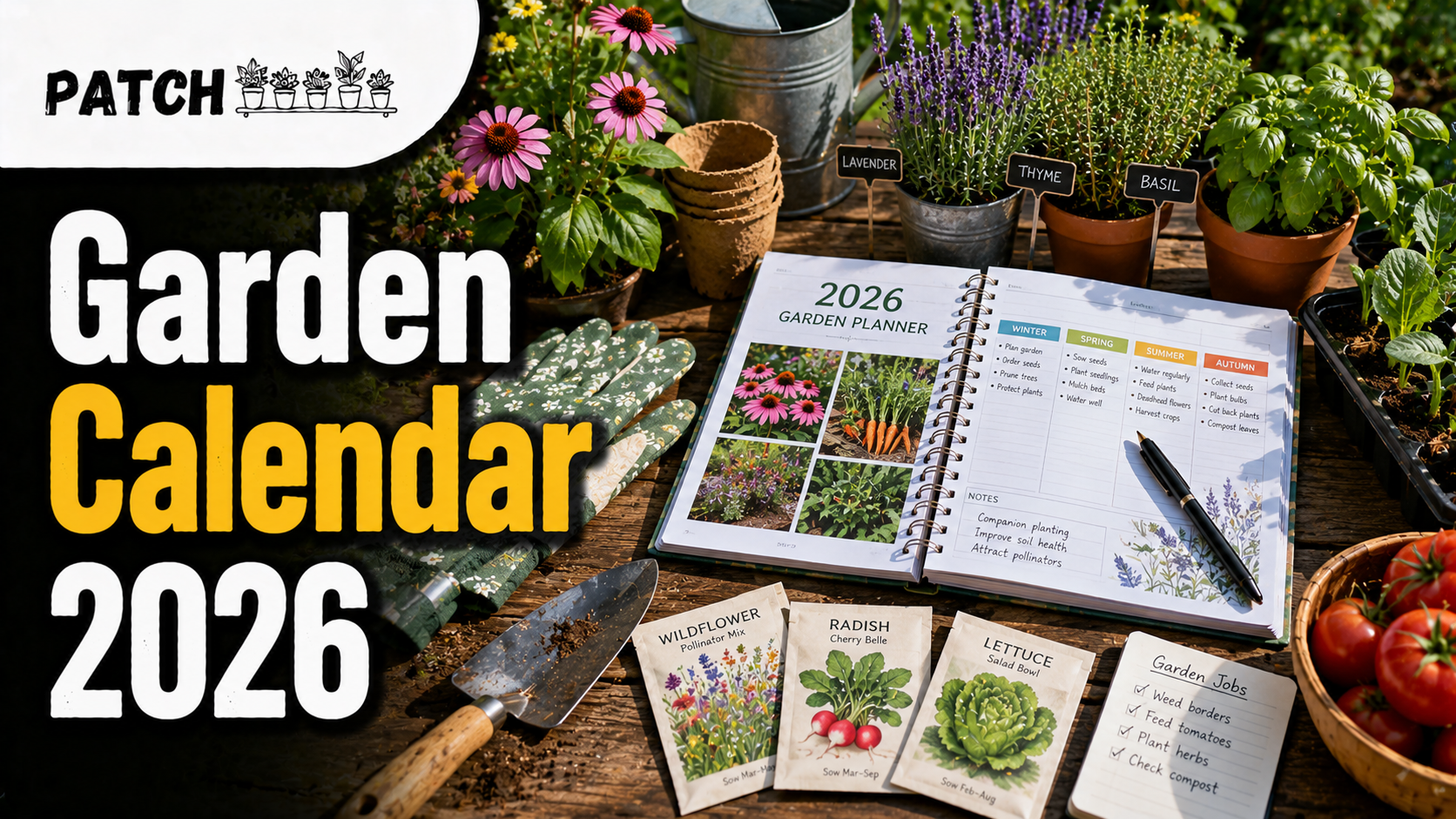
- This garden calendar 2026 gives a month-by-month gardening calendar for flowers, vegetables, herbs, containers, lawns, balconies, raised beds, and outdoor plant care.
- A good planting calendar 2026 should be flexible because frost dates, rainfall, heatwaves, and local growing zones can shift your timing.
- Use this monthly garden calendar as a guide, then adjust tasks for your local climate, soil, and plant types.
- The best gardening planner 2026 is simple: plan in winter, sow in spring, maintain in summer, plant again in autumn, and protect plants through winter.
Introduction
A garden calendar makes gardening feel calmer. Instead of wondering what to do every weekend, you have a simple plan for sowing, planting, watering, feeding, pruning, harvesting, and preparing for the next season.
This garden calendar 2026 is designed as a practical month by month planting guide for beginners and busy gardeners. It covers flowers, vegetables, herbs, containers, lawns, raised beds, greenhouses, balconies, and general outdoor plant care.
The important thing is flexibility. A planting calendar 2026 is not a strict rulebook. Weather, soil temperature, last frost dates, heatwaves, rainfall, and your growing zone all matter. Use this monthly garden calendar as a starting point, then adjust it for your garden.
For extra support, pair this guide with best low-maintenance outdoor plants, complete watering guide, and container gardening on patios.
Why Use a Garden Calendar in 2026?
A garden calendar helps you avoid the two most common gardening mistakes: doing jobs too late and doing too much at once. When you break the year into monthly gardening tasks, the work becomes easier to manage.
A good gardening calendar 2026 also helps you plan around weather extremes. Some months are for sowing. Some are for watering. Some are for pruning, mulching, protecting roots, or preparing soil. When each task has a season, the garden feels less overwhelming.
This also helps with shopping. A garden planner 2026 stops you from buying random plants that have nowhere to go. You can plan seeds, compost, pots, mulch, supports, fertiliser, and tools before the busy season begins.
Garden Calendar 2026: Month-by-Month Guide
January: Plan, Clean, and Prepare
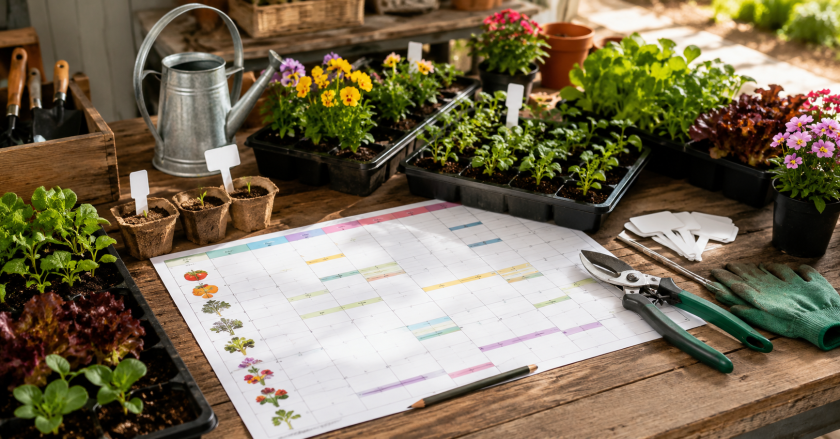
January is the quiet planning month. Use it to review last year’s garden, clean tools, order seeds, check stored bulbs and tubers, and sketch your vegetable garden planner for spring.
If you are asking what to plant in January, the answer depends on your setup. In mild areas, you may plant bare-root shrubs, trees, roses, or hardy perennials when the ground is workable. Indoors or in a greenhouse, you can start early seeds only if you have enough light and warmth.
January jobs include checking winter containers, brushing snow from fragile plants, protecting outdoor pots, planning your seed starting calendar 2026, and improving compost systems. For cold-season outdoor help, read outdoor plants that survive British winters.
February: Start Seeds and Watch the Weather
February is still winter, but it is the month when the gardening planner 2026 starts to wake up. Days slowly lengthen, seed packets come out, and indoor sowing becomes more tempting.
If you are wondering what to plant in February, start with hardy vegetables, early flowers, and indoor seed trays if you can provide enough light. Sweet peas, some chillies, onions, leeks, and early brassicas may be started in suitable conditions.
Use February for pruning calendar checks too. Avoid heavy pruning during hard frost, but remove dead, damaged, or diseased wood when safe. Clean pots, check greenhouse glass, and prepare raised beds before spring gets busy.
March: Spring Preparation Begins
March is one of the busiest months in a spring garden calendar. Soil begins to warm, weeds start growing, and seed trays can fill quickly.
If you are asking what to plant in March, think about hardy annuals, early salad crops, peas, broad beans, onions, potatoes in suitable areas, and cool-season herbs. Indoors, March is useful for tomatoes, peppers, basil, and tender flowers that need a longer start.
March monthly gardening tasks include mulching beds, feeding hungry shrubs, checking plant supports, preparing lawns, and refreshing containers. For soil preparation, read best soil mix for every plant.
April: Sow, Plant, Feed, and Protect
April is the real beginning of active garden care for many gardeners. Growth speeds up, lawns need attention, and outdoor sowing becomes more realistic.
If you want to know what to plant in April, focus on hardy flowers, herbs, salad crops, carrots, beetroot, peas, spring onions, and many container plants. Tender plants still need protection if frost is possible.
April is also a strong month for flower planting calendar 2026 planning. Sow hardy annuals, plant perennials, divide crowded clumps, and refresh patio pots. Keep fleece nearby for sudden cold nights.
May: Plant Tender Crops Carefully
May is exciting, but it can trick gardeners into rushing. Warm afternoons do not always mean safe nights. Watch local frost dates before moving tender plants outside permanently.
If you are asking what to plant in May, this is the month for many summer flowers, herbs, tomatoes, beans, courgettes, squash, cucumbers, and tender container plants after frost risk has passed.
May is also important for balcony garden calendar work. Check pots daily during warm spells, feed container plants, and harden off seedlings gradually. For small-space support, read year-round balcony plants and best plants for small outdoor spaces.
June: Water, Feed, Support, and Enjoy Growth
June is when the garden feels full. Plants grow quickly, flowers open, vegetables need steady care, and weeds can appear almost overnight.
If you are wondering what to plant in June, sow quick crops such as salad leaves, beans, beetroot, carrots, herbs, and late flowers where your climate allows. Plant summer containers and keep young plants watered while they settle.
June garden maintenance calendar tasks include staking tall plants, feeding tomatoes, deadheading flowers, checking pests, watering deeply, and refreshing mulch. For pest prevention, read how to keep pests away from outdoor plants.
July: Manage Heat, Harvest, and Keep Plants Going
July is the heart of the summer garden calendar. Heat, dry soil, pests, and fast growth can all arrive together.
If you are asking what to plant in July, focus on quick-growing crops, late salads, herbs, and succession sowing. In some regions, you can start autumn crops now, including brassicas, spinach, and hardy greens.
July monthly gardening tasks include watering early in the morning, deadheading flowers, harvesting vegetables, shading vulnerable pots, checking for heat stress, and raising mower height during dry spells. For hot-weather planting, read heat tolerant plants and top drought-resistant plants.
August: Harvest, Save Seed, and Plan Autumn
August is still summer, but autumn planning begins now. Many gardens need watering, harvesting, deadheading, and gentle tidying.
If you want to know what to plant in August, consider late salads, hardy greens, autumn herbs, and some winter crops depending on your climate. It is also a good time to plan autumn bulbs and cool-season containers.
August garden care calendar jobs include saving seeds, collecting herbs, watering containers, checking tomatoes, pruning summer-fruiting plants where appropriate, and planning autumn planting. Keep an eye on drought stress in shrubs and young trees.
September: Plant, Repair, and Refresh
September is one of the best gardening months of the year. Soil is still warm, rain often returns, and plants can establish before winter.
If you are asking what to plant in September, think about spring bulbs, hardy perennials, shrubs, trees, cool-season vegetables, herbs, and lawn seed in suitable conditions.
September is also perfect for autumn garden calendar tasks. Repair lawns, divide perennials, tidy borders, start composting fallen material, and plant pollinator-friendly choices. For wildlife planting, read wildlife-friendly garden guide and pollinator-friendly plants.
October: Bulbs, Compost, and Winter Prep
October is a transition month. The garden slows down, but there is still plenty to do. It is a key month for bulbs, compost, leaf mould, winter containers, and soil improvement.
If you are wondering what to plant in October, choose spring bulbs, hardy shrubs, trees, garlic, onions, and cool-season plants suited to your region. It is also a good time to plant many perennials while the soil is still workable.
October garden tasks by month include clearing diseased leaves, mulching beds, cleaning pots, moving tender plants to shelter, and checking drainage before heavy rain. For hardy choices, read 15 hardy outdoor plants.
November: Protect Roots and Reduce Damage
November is about protection. The garden may still have colour, but colder nights, wet soil, and storms become more likely.
If you are asking what to plant in November, bare-root trees, shrubs, roses, and some hardy perennials may be planted when soil is not frozen or waterlogged. Garlic and certain bulbs may still go in depending on your climate.
November outdoor plant care calendar tasks include lifting pots onto feet, protecting containers, clearing slippery leaves from paths, checking stakes, cleaning tools, and storing tender bulbs. For storm and wind preparation, read coastal and windy outdoor plants.
December: Rest, Protect, and Plan Ahead
December is the quietest part of the winter garden calendar. Growth slows, but planning continues.
If you are wondering what to plant in December, focus on bare-root plants where conditions allow. Avoid planting into frozen, saturated, or compacted soil. Indoors, you can plan seed orders, clean labels, organise tools, and map your garden planner 2026 updates.
December tasks include checking winter protection, watering sheltered pots during dry spells, caring for houseplants, and planning next year’s vegetable planting calendar 2026 and flower planting calendar 2026. For indoor winter care, read complete guide to indoor light.
Vegetable Planting Calendar 2026
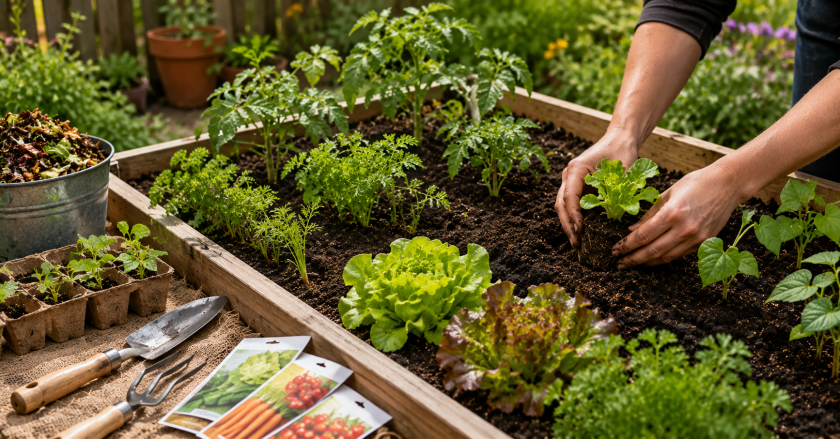
A vegetable planting calendar 2026 is useful because vegetables depend heavily on timing. Sow too early and seedlings may become weak. Sow too late and crops may not mature before weather changes.
Use winter for planning and seed buying. Use early spring for cool-season crops. Use late spring for tender vegetables after frost. Use summer for harvesting and succession sowing. Use autumn for garlic, onions, hardy greens, soil improvement, and composting.
For beginners, the easiest crops are often salad leaves, radishes, beans, herbs, tomatoes in pots, courgettes, and edible flowers. For more help, see easiest outdoor edible plants.
Flower Planting Calendar 2026
A flower planting calendar 2026 helps you spread colour through the year. The best flower gardens are not planted all at once. They are layered by season.
Plan spring bulbs in autumn, hardy annuals in spring or autumn, tender annuals after frost, and perennials during mild planting windows. Add shrubs and evergreens for structure so the garden does not look empty between flower displays.
For long-season colour, mix native wildflowers, pollinator plants, drought-tolerant flowers, night-blooming flowers, and low-maintenance perennials. Helpful guides include native plants, plants that bloom at night, and colorful garden for all seasons.
Seed Starting Calendar 2026
A seed starting calendar 2026 should begin with your last expected frost date. Count backward from that date for tender crops like tomatoes, peppers, basil, and many annual flowers.
Cool-season seeds can often start earlier. Warm-season seeds need more heat and light. Seedlings grown too early can become leggy, weak, and hard to manage indoors.
Keep labels clear, use clean trays, avoid overwatering, and give seedlings strong light. If you are unsure, sow fewer seeds at first and repeat later. Succession sowing is safer than planting everything in one week.
Container Gardening Calendar
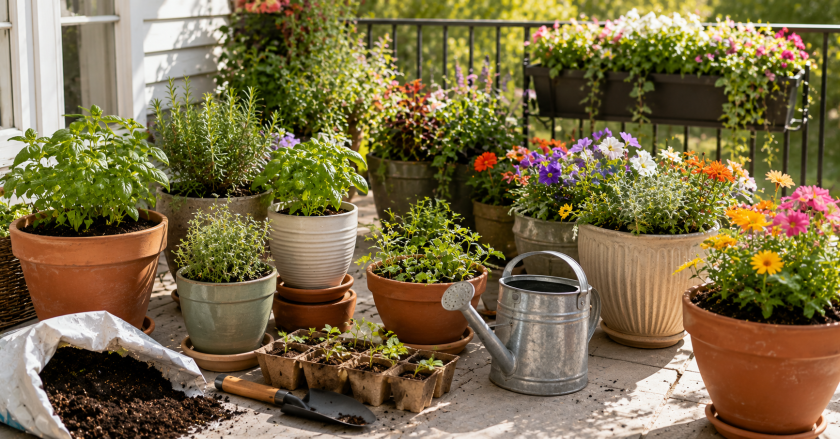
A container gardening calendar is different from a border calendar because pots dry faster, heat faster, and freeze faster. Container plants need more frequent checks than plants in the ground.
In spring, refresh compost and repot crowded plants. In summer, water deeply and feed regularly. In autumn, reduce feeding and plant seasonal pots. In winter, protect roots by lifting pots onto feet and moving vulnerable containers into shelter.
For more pot care, read self-watering pots guide, repotting mistakes, and how to repot a plant.
Balcony Garden Calendar
A balcony garden calendar should focus on wind, sun, watering, weight, and safe containers. Balcony plants face more stress than garden-bed plants because pots are exposed from every side.
In spring, plant herbs, compact flowers, and evergreen structure. In summer, water often and check heat stress. In autumn, add hardy plants and bulbs. In winter, protect pots from freezing winds and avoid waterlogged compost.
Choose plants based on direction. South-facing balconies need sun and heat tolerant plants. East-facing balconies are gentler. Windy balconies need compact shrubs, grasses, and sturdy pots.
Raised Bed Planting Calendar
A raised bed planting calendar is useful because raised beds warm faster in spring and drain better than many ground beds. That can give vegetables and herbs a strong start.
In winter, add compost and repair frames. In spring, sow cool crops and transplant seedlings. In summer, mulch and water deeply. In autumn, plant garlic, onions, hardy greens, or cover crops depending on your region.
Raised beds are especially helpful for beginners because they make soil, spacing, and crop rotation easier to manage.
Greenhouse Planting Calendar
A greenhouse planting calendar extends the growing season, but it also adds responsibility. Greenhouses can overheat quickly, even when outdoor temperatures feel mild.
Use late winter and early spring for seed starting. Use summer for tomatoes, peppers, cucumbers, basil, and tender plants. Use autumn for protection and late crops. Use winter for cleaning, ventilation checks, and frost protection.
Ventilation matters as much as warmth. Still, humid air can invite pests and disease, so keep airflow steady and avoid overcrowding.
Pruning Calendar Basics
A pruning calendar depends on the plant. Some plants flower on old wood. Some flower on new wood. Some should be pruned after flowering, while others are best pruned during dormancy.
As a simple rule, avoid heavy pruning during extreme frost, heatwaves, or drought stress. Remove dead, damaged, or diseased growth when needed. For flowering shrubs, check whether they bloom on old or new growth before cutting.
If pruning feels confusing, keep notes in your gardening planner 2026. Write down what you pruned, when you pruned it, and how the plant responded.
Watering Schedule for Garden Success
A watering schedule for garden care should change by season. Spring usually needs steady moisture for new plants. Summer needs deep watering during dry spells. Autumn watering helps new roots establish. Winter watering is only needed for sheltered pots or dry spells.
Water deeply rather than giving quick surface sprinkles. Morning is usually best. Avoid leaving leaves wet overnight when disease pressure is high.
For common watering problems, read signs you are overwatering, worst times to water plants, and root rot guide.
Lawn Care Calendar
A lawn care calendar should follow growth, not habit. Lawns need less mowing in winter and more attention in spring and summer.
Spring is for light repair, feeding where needed, and careful mowing. Summer is for raising mower height during heat and avoiding stress. Autumn is a good time for repair, aeration, and overseeding. Winter is for staying off frozen or waterlogged grass where possible.
If your garden is wildlife-focused or low-maintenance, consider reducing lawn area and replacing some grass with native plants, pollinator borders, or low-maintenance groundcover.
Garden Tasks by Month: Quick Checklist
- January: Plan, order seeds, clean tools, protect pots, check stored bulbs.
- February: Start early seeds indoors, clean greenhouse, prune carefully, prepare beds.
- March: Sow hardy crops, mulch beds, prepare lawns, divide perennials.
- April: Plant hardy flowers, sow vegetables, feed containers, protect from late frost.
- May: Harden off seedlings, plant tender crops after frost, refresh pots.
- June: Water, feed, stake, deadhead, check pests, harvest early crops.
- July: Manage heat, water deeply, harvest, deadhead, shade vulnerable pots.
- August: Save seed, harvest, plan autumn bulbs, keep containers watered.
- September: Plant perennials, repair lawns, sow hardy crops, divide plants.
- October: Plant bulbs, mulch beds, clean pots, prepare winter protection.
- November: Protect roots, check stakes, clear leaves, plant bare-root plants.
- December: Plan, protect, clean, organise seeds, and let the garden rest.
Common Mistakes to Avoid
- Following a calendar too rigidly: Weather and local frost dates matter more than a printed date.
- Sowing too early: Weak, leggy seedlings are harder to grow than slightly later strong ones.
- Ignoring containers: Pots need more watering and protection than ground beds.
- Planting tender crops before frost risk passes: One cold night can undo weeks of work.
- Skipping mulch: Mulch helps conserve moisture, reduce weeds, and protect roots.
- Not keeping notes: A garden planner 2026 becomes much more useful when you record what worked.
Expert Tips from Sawera Shahid
Keep your garden calendar simple. You do not need a complicated spreadsheet. One page per month with planting, pruning, watering, feeding, and harvesting notes is enough.
Use your own garden as the final guide. If your tomatoes struggled in May last year, start them later or protect them better. If one flower bloomed for months with little care, repeat it.
Finally, plan for real life. A good beginner gardening calendar should reduce stress, not create more of it. Choose fewer tasks, repeat dependable plants, and build habits you can actually keep.
Future Trends
Year round garden planning is becoming more important as gardeners deal with warmer summers, unpredictable rain, stronger storms, smaller outdoor spaces, and busier lives.
Expect more interest in waterwise planting, balcony gardens, container gardening calendar tools, native plants, heat tolerant flowers, drought-resistant shrubs, and month by month gardening calendar content that helps people adapt without feeling overwhelmed.
Frequently Asked Questions
What is a garden calendar?
A garden calendar is a month-by-month plan for sowing, planting, pruning, watering, feeding, harvesting, lawn care, container care, and seasonal maintenance.
What should I plant each month?
What to plant each month depends on your climate, frost dates, soil temperature, and garden type. Use this garden calendar 2026 as a flexible guide and adjust it to your region.
Is this a beginner gardening calendar?
Yes. This is a beginner gardening calendar designed for simple monthly gardening tasks, including flowers, vegetables, herbs, raised beds, containers, balconies, and lawns.
Can I use this as a vegetable planting calendar 2026?
Yes. This guide includes vegetable planting calendar 2026 advice for seed starting, spring sowing, summer harvesting, autumn planting, and winter planning.
Can I use this as a flower garden calendar?
Yes. This flower garden calendar covers spring bulbs, hardy annuals, tender flowers, summer colour, autumn planting, and winter structure.
Should I use /garden-calendar-2026/ as the URL?
No. It is better to use an evergreen URL like /garden-calendar/. Then you can update the title and content each year without creating new broken links.
Related Guides
- PATCH Plants homepage
- PATCH Plants blog
- Outdoor Plants hub
- Plant Care hub
- Indoor Plants hub
- Best low-maintenance outdoor plants
- Complete watering guide
- Container gardening on patios
- Year-round balcony plants
- Best plants for small outdoor spaces
- Top drought-resistant plants
- Heat tolerant plants
- Coastal and windy outdoor plants
- Outdoor plants that survive British winters
- 15 hardy outdoor plants
- Hardy plants with minimal watering
- Keep pests away from outdoor plants
- Wildlife-friendly garden guide
- Pollinator-friendly plants
- Native plants
- Colorful garden for all seasons
- Easiest outdoor edible plants
- Shade-loving outdoor plants
- Plants that bloom at night
- Plants that keep bugs away
- Mosquito repellent plants
- Best soil mix for every plant
- Fertilizing indoor vs outdoor plants
- Signs you are overwatering
- Worst times to water plants
- Root rot guide
- How to revive a dying plant
- Leaf curl, browning, and droop
- Why plant leaves turn yellow
- How to clean plant leaves
- Repotting mistakes
- How to repot a plant
- Self-watering pots guide
- DIY humidity tray
- Humidity hacks for plants
- Complete guide to indoor light
- Air-purifying indoor plants
- 35 low-maintenance plants
- Best indoor plants for beginners
- First-time plant parent plants
- Best indoor plants for tiny apartments
- Bedroom plants for style and calm
- How to style indoor plants by room
- Indoor plant room dividers
- Indoor jungle guide
- Trailing plants for shelves
- Low-light hanging plants
- Indoor plants that smell amazing
- Colorful foliage plants
- Rare houseplants worth hunting
- Blooming indoor plants
- Best office plants
- Office plants for fluorescent lighting
- Oversized indoor plants
- Indoor gardening systems
- Should you talk to your plants?
- Snake plant care guide
- Peace lily care guide
- Christmas cactus care guide
- Money tree care guide
- Best bathroom plants
- Succulent care guide
- Cactus care guide
- Boston fern care guide
- Bird of paradise care
- Pothos care guide
- Philodendron care guide
- Monstera care guide
- Hoya care guide
- Orchid care guide
- Rubber plant care guide
- Fiddle leaf fig care guide
- Spider plant care guide
- ZZ plant care guide
- Jade plant care guide
- Dracaena care guide
- Anthurium care guide
- African violet care guide
- String of pearls care
Final Thoughts
A garden calendar is not about making gardening rigid. It is about giving each season its job. With this garden calendar 2026, you can plan seeds in winter, sow in spring, maintain through summer, plant again in autumn, and protect the garden through winter.
The Royal Horticultural Society publishes monthly gardening advice for what to do in the garden each month, which is a useful companion when checking current seasonal jobs and adapting your own calendar to local conditions: Royal Horticultural Society monthly gardening jobs.
Keep the URL evergreen, update the article every year, and use your own notes to make it more accurate over time. A good garden planner 2026 becomes even better when it reflects your real garden, not just a generic planting list.
Article Summary
This garden calendar gives a practical garden calendar 2026 for month-by-month gardening tasks, planting, pruning, watering, feeding, seed starting, container care, lawn care, flowers, vegetables, herbs, raised beds, balconies, and greenhouses. January and February focus on planning, cleaning, and early seed starting. March, April, and May bring spring sowing and planting. June, July, and August focus on watering, feeding, harvesting, and heat care. September and October are ideal for autumn planting, bulbs, lawn repair, and soil improvement. November and December focus on protection, tool care, and planning ahead. Use the evergreen URL /garden-calendar/ so the guide can be updated every year without creating broken links.