Key Takeaways
- Color themes for your outdoor garden help your yard feel planned, balanced, and more enjoyable from the first glance.
- The best colorful landscape ideas use flowers, foliage, shrubs, ground cover, containers, paint colors, and decor together.
- A strong outdoor landscape design starts with mood: calm, bright, rustic, elegant, cottage, modern, or bold.
- Backyard landscape design ideas work better when you repeat a few colors instead of using every plant color at once.
- Colorful landscaping is not only about flowers. Color foliage plants, colorful shrubs and bushes, pots, furniture, and exterior paint matter too.
Introduction
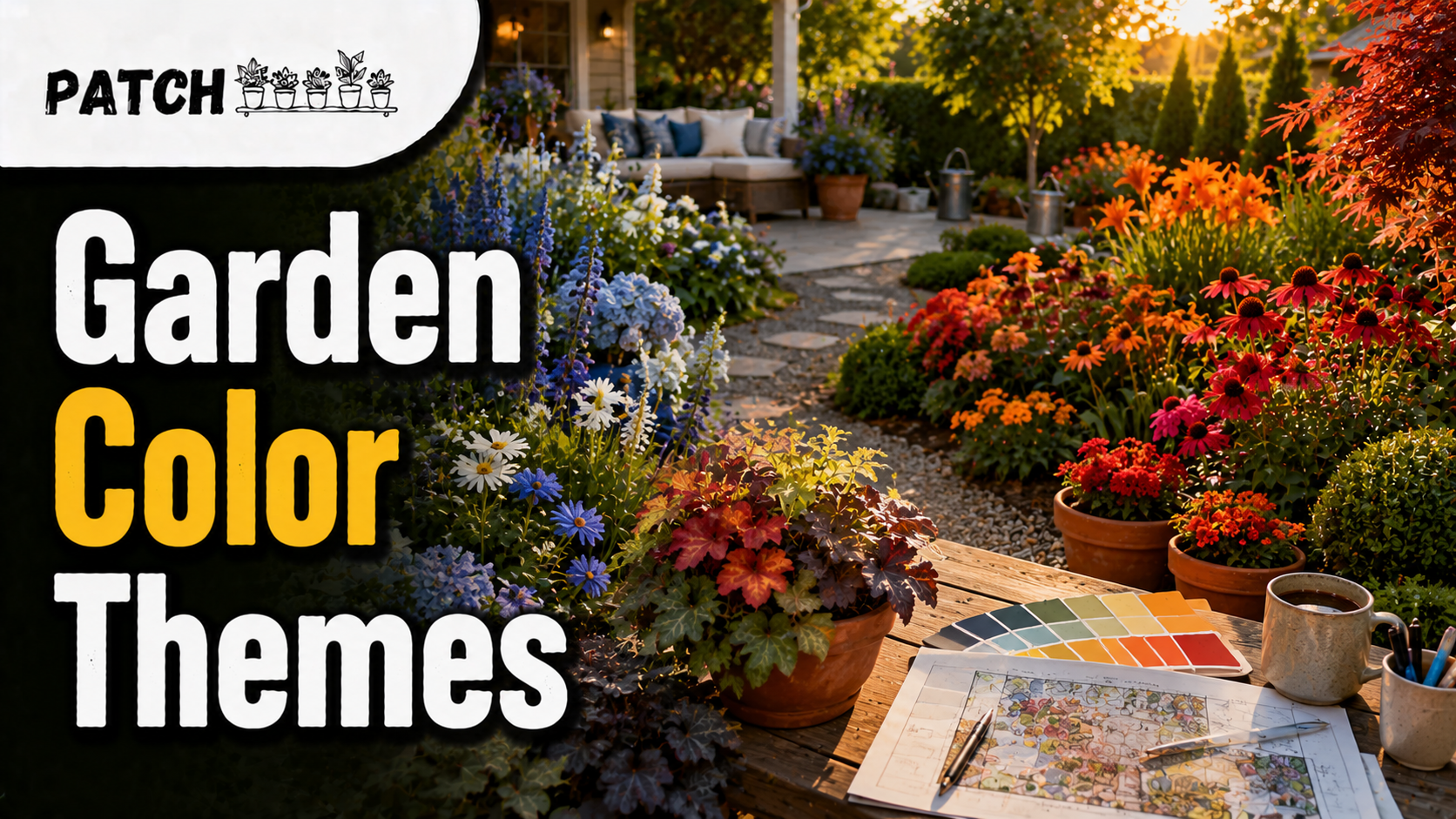
Color themes for your outdoor garden can change how a space feels before anyone notices the individual plants. A blue and white border feels calm. A yellow and orange flower bed feels warm. A green and white patio feels clean. A mix of purple, pink, and silver can make even a small backyard feel styled.
Many people look for colorful landscape ideas because their garden technically has plants, but the space still feels unfinished. The problem is often not the number of plants. It is the lack of a clear garden color palette.
This guide covers practical outdoor landscape design ideas using flowers, foliage, shrubs, ground cover, pots, exterior paint colors, and landscape decor ideas. You will also find backyard landscape design ideas for small spaces, patios, rustic homes, farmhouse-style gardens, and colorful flower beds.
For a stronger garden plan, pair this guide with the garden calendar, create a colorful garden for all seasons, and best plants for small outdoor spaces.
Why Color Matters in Outdoor Landscape Design
Good outdoor landscape design is not only about plant survival. Sunlight, soil, watering, and spacing matter, but color is what gives the garden a clear personality.
A garden with mostly soft blues, whites, and silvers feels peaceful. A garden full of red, orange, and yellow feels energetic. A green-heavy garden with white flowers and textured foliage feels elegant. A rustic garden with warm earth tones feels natural and relaxed.
When you choose color themes for your outdoor garden, you are really choosing the mood of the space. That mood can support how you use the garden, whether it is for quiet mornings, family dinners, weekend entertaining, wildlife watching, or simple curb appeal.
Start With a Simple Garden Color Palette
A garden color palette is a set of colors you repeat across plants, pots, furniture, fences, and landscape decoration. It does not need to be complicated. In fact, most gardens look better when the palette is simple.
For easy colorful landscaping, choose:
- One main color
- One supporting color
- One neutral color
- One foliage color for structure
For example, a calm garden might use blue flowers, white flowers, silver foliage, and deep green shrubs. A sunset garden might use orange, red, yellow, and dark green foliage. A rustic garden might use cream, terracotta, burgundy, sage, and warm wood tones.
15 Best Color Themes for Your Outdoor Garden
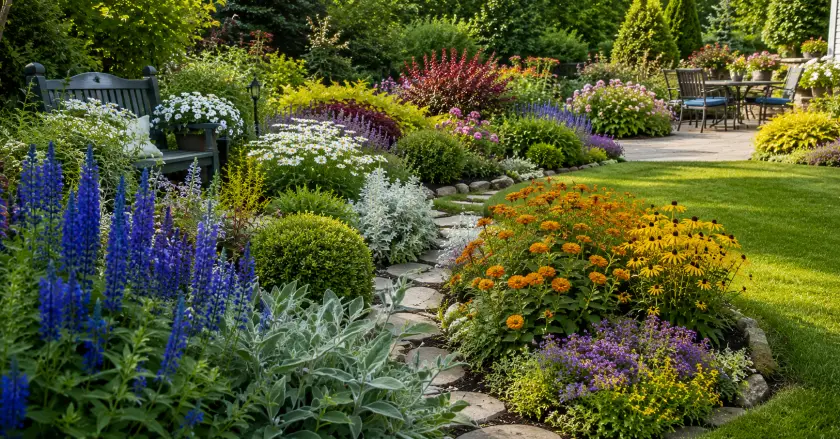
1. Cool Blue and White Garden
A blue and white theme is one of the most calming color themes for your outdoor garden. It works well around seating areas, evening patios, narrow side gardens, and small city yards.
Use blue salvia, lavender, hydrangea, lobelia, catmint, delphinium, blue fescue, white roses, white daisies, alyssum, and silver foliage plants. This palette feels soft, clean, and easy to live with.
Blue and white also photographs well, which helps if you collect backyard designs pictures or pictures of landscaping ideas before planning your own garden.
2. Sunset Shades Garden
Sunset shades are perfect for bold colorful landscape ideas. Use orange, red, coral, gold, apricot, and pink plants to create warmth and movement.
Good plants include marigolds, zinnias, rudbeckia, dahlias, daylilies, helenium, crocosmia, calendula, and orange roses. Add dark green foliage to keep the theme grounded.
This is one of the best backyard landscape design ideas for patios and entertaining spaces because warm colors feel lively and welcoming.
3. Purple and Yellow Contrast Garden
Purple and yellow are opposites on the color wheel, so they create strong contrast. This makes them useful for colorful flower beds, pollinator borders, and bright front yard displays.
Try purple salvia with yellow coreopsis, lavender with golden yarrow, or purple coneflowers with yellow rudbeckia. The contrast feels cheerful without becoming messy.
This combination also works well for landscape design examples because it is easy to understand visually: one cool color, one warm color, and plenty of green between them.
4. Green and White Elegant Garden
A green and white garden is simple, fresh, and timeless. It works well for modern homes, shaded patios, entryways, and formal yard landscape designs.
Use white hydrangeas, white roses, white cosmos, white tulips, white pansies, hostas, ferns, boxwood alternatives, ornamental grasses, and evergreen shrubs.
This theme is especially helpful when you want landscape decor ideas to feel calm. Use white pots, pale gravel, natural stone, and simple outdoor furniture.
5. Pink and Purple Cottage Garden
Pink and purple make a soft, romantic theme for borders and informal flower beds. It suits cottage gardens, farmhouse paths, and relaxed backyard spaces.
Use roses, foxglove where safe and suitable, phlox, lavender, salvia, geraniums, cosmos, clematis, and purple alliums. Add silver foliage or white flowers if the palette needs breathing room.
For more pollinator-friendly planting, read pollinator-friendly plants and wildlife-friendly garden guide.
6. Burgundy, Cream, and Sage Garden
Burgundy, cream, and sage create a rich but grown-up garden palette. It works well with rustic paint colors for exterior walls, wood fences, brick patios, and warm stone paths.
Use burgundy heuchera, cream roses, sage-green herbs, ornamental grasses, dark dahlias, sedum, and muted foliage shrubs. This theme feels mature without looking dull.
If you like farm house colors, this palette is one of the easiest ways to connect the garden with the home exterior.
7. Silver and Lavender Mediterranean Garden
Silver and lavender is a strong outdoor landscaping design theme for sunny, dry spaces. It suits gravel gardens, patios, coastal gardens, and low-water planting.
Use lavender, rosemary, santolina, artemisia, lamb’s ear, catmint, thyme, salvia, and blue fescue. Add terracotta pots for warmth.
For dry gardens, read top drought-resistant plants and hardy plants with minimal watering.
8. Tropical Brights Garden
Tropical brights are useful when you want strong color and drama. Think hot pink, orange, lime green, red, and deep purple.
Use cannas, dahlias, coleus, croton in suitable climates or containers, canna lilies, hibiscus, begonias, caladiums, and bold foliage plants.
This theme works best when repeated carefully. Too many random colors can look chaotic, so repeat the same bright shades in different parts of the garden.
9. Yellow and Green Cheerful Garden
Yellow and green is one of the simplest colorful landscape ideas for brightening a dull yard. It looks sunny even on cloudy days.
Use daffodils, marigolds, coreopsis, golden sedum, yellow roses, golden grasses, chartreuse foliage, and fresh green shrubs.
This palette is useful in north-facing gardens, small patios, and spaces that need a lift without becoming too intense.
10. Red, Green, and White Classic Garden
Red, green, and white can look classic when used carefully. It works well in containers, front yards, holiday planting, and formal beds.
Use red geraniums, red roses, white alyssum, white daisies, evergreen shrubs, and dark green foliage. Keep the layout tidy so the colors do not feel too busy.
This can also support seasonal landscape decoration when you want a garden that looks strong in late summer, autumn, and winter containers.
11. Pastel Spring Garden
A pastel spring garden uses pale pink, soft yellow, lavender, baby blue, and fresh green. It is gentle, bright, and ideal for early-season color.
Use tulips, daffodils, hyacinths, pansies, violas, primroses, forget-me-nots, and early perennials. This theme is useful if you want seasonal landscapes ideas that change through the year.
For seasonal planning, use the seasonal plant care autumn guide and garden calendar.
12. Dark and Moody Garden
A dark garden can look elegant and dramatic. Use deep purple, burgundy, black-red, dark green, and bronze foliage.
Try dark dahlias, black mondo grass, burgundy heuchera, purple basil, dark-leaved elder, dark tulips, and bronze grasses. Add cream, silver, or pale pink flowers to stop the theme looking too heavy.
This is one of the more stylish landscape design examples for modern gardens and evening patios.
13. Colorful Foliage Garden
Flowers are not the only way to add color. Color foliage plants can carry the garden when flowers are not blooming.
Use heuchera, hosta, coleus, caladium, ornamental grasses, Japanese maple, variegated shrubs, silver artemisia, golden creeping Jenny, and burgundy foliage plants.
Colorful foliage is especially helpful for low-maintenance outdoor landscape design because leaves often last longer than flowers.
14. Rustic Farmhouse Garden
A rustic farmhouse garden works well with warm neutrals, cream flowers, muted pinks, sage green, terracotta, brown wood, burgundy, and soft yellow.
This theme pairs nicely with farm house colors and rustic paint colors for exterior walls, sheds, fences, and garden furniture. Use roses, lavender, daisies, herbs, ornamental grasses, hydrangeas, and edible flowers.
For useful outdoor planting, read edible flowers and easiest outdoor edible plants.
15. Shade Garden With Colorful Ground Cover
Shade gardens do not need to look flat. Use colorful ground cover for shade, variegated foliage, white flowers, and pale blooms to brighten darker corners.
Good options include ajuga, lamium, heuchera, hostas, ferns, sweet woodruff, creeping Jenny in suitable conditions, and shade-tolerant flowering plants.
For a full shade plan, read shade-loving outdoor plants.
Color Perennials for Long-Term Garden Design
Color perennials are useful because they return year after year. Instead of replanting a whole bed every season, you build a base of dependable plants and add seasonal accents around them.
Good color perennials include salvia, coneflower, rudbeckia, coreopsis, lavender, catmint, phlox, daylilies, hellebores, sedum, heuchera, hostas, and ornamental grasses.
Use color perennials in groups rather than single plants dotted everywhere. Repeating three to five of the same plant creates a cleaner landscape planting design.
Colorful Shrubs and Bushes
Colorful shrubs and bushes give your garden structure when flowers fade. They can add leaf color, berries, stems, bark, flowers, and winter interest.
Try hydrangeas, roses, ninebark, spirea, dogwood, Japanese maple, smoke bush, skimmia, choisya, hebes in suitable areas, and evergreen shrubs with variegated foliage.
Shrubs are especially important in yard landscape designs because they stop the garden looking empty between flowering seasons.
Colorful Flower Beds That Look Planned
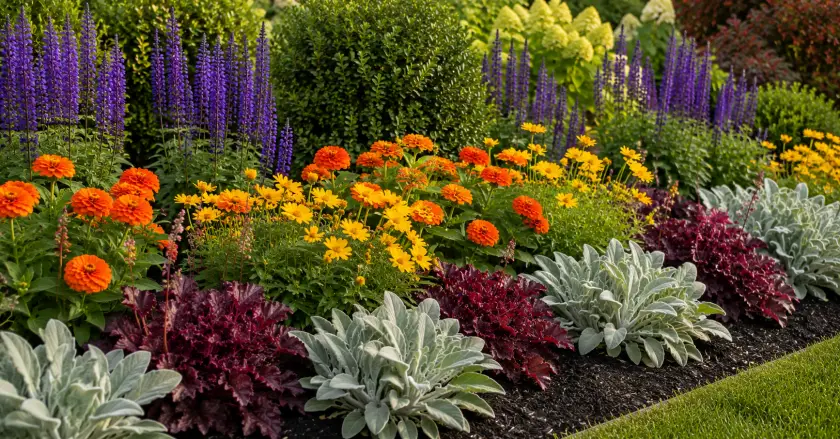
Colorful flower beds look better when they repeat color, height, and texture. A bed with twenty unrelated flowers can look messy even if every plant is beautiful.
Use this simple formula:
- Tall plants at the back or centre
- Medium plants in repeated groups
- Low edging plants at the front
- Foliage plants between strong flower colors
- One or two accent colors only
This approach works for backyard landscape design ideas, front yard beds, patios, and informal borders.
Landscape Planting Design: How to Place Color
Landscape planting design is about where plants go, not just which plants you choose. Color placement can make a garden feel wider, deeper, calmer, or more energetic.
Use bright colors near areas you want to highlight. Use cool colors at the back of beds to create depth. Use white flowers in shade to brighten dark corners. Use green shrubs to separate strong colors.
If you collect images of landscaping ideas or landscaping inspo, look at where the color is placed. The best designs for landscaping usually repeat color in a rhythm, not random spots.
Backyard Landscape Design Ideas With Color
Backyard landscape design ideas should start with how you use the space. A family yard needs different colors from a quiet reading garden. A party patio needs different energy from a shaded wildlife corner.
Try these simple landscape ideas backyard plans:
- Patio corner: Sunset containers with orange, yellow, and red flowers.
- Quiet bench: Blue, white, lavender, and silver planting.
- Fence line: Colorful shrubs and bushes for structure.
- Shaded path: Colorful ground cover for shade with white flowers.
- Family garden: Bright perennials, edible flowers, and durable shrubs.
For small outdoor spaces, read container gardening on patios, year-round balcony plants, and best plants for small outdoor spaces.
Outdoor Landscaping Design for Front Yards
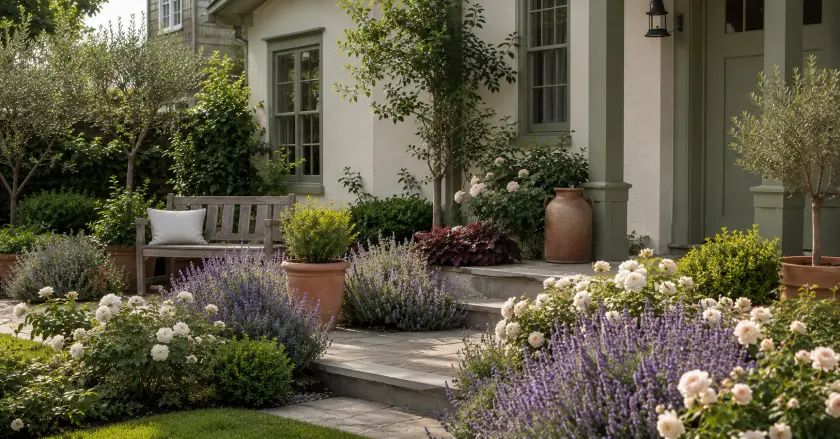
Outdoor landscaping design for front yards should connect the garden to the house. The best front gardens use plant colors that support the exterior, not fight it.
If your house is white or cream, most plant palettes work. If your home has brick, try warm flowers, burgundy foliage, cream roses, lavender, and deep green shrubs. If your house is dark grey or charcoal, white, yellow, and silver planting can look crisp.
This is where how to choose paint colors for your home exterior connects to gardening. Exterior paint, pots, fences, front doors, and plants should feel like one design.
House Green Color Design Outside
House green color design outside can look beautiful when the garden has contrast. If your home exterior is green, avoid planting only green foliage directly beside it.
Try white hydrangeas, cream roses, purple salvia, pink perennials, silver foliage, burgundy heuchera, or terracotta pots. These colors help green walls, doors, or trim feel intentional rather than flat.
For homes with sage or olive green paint, rustic plants and warm neutrals work especially well.
Farm House Colors and Garden Pairings
Farm house colors often include white, cream, sage, black, charcoal, natural wood, soft grey, and muted blue. These colors pair well with relaxed planting.
Use hydrangeas, roses, lavender, daisies, catmint, ornamental grasses, herbs, and soft pink or white flowers. Add terracotta, galvanized metal, wicker, or wood for simple landscape decoration.
Farmhouse gardens look best when the planting feels abundant but not random. Repeat a few colors and let texture do the rest.
Rustic Paint Colors for Exterior and Garden Design
Rustic paint colors for exterior spaces include warm white, clay, taupe, brown, olive, muted green, charcoal, faded blue, and soft terracotta.
Pair these colors with plants that feel natural: lavender, grasses, sedum, roses, herbs, native perennials, cream flowers, and burgundy foliage.
Rustic gardens do not need perfect symmetry. They need balance, texture, and colors that feel settled into the landscape.
Landscape Decor Ideas That Support the Color Theme
Landscape decor ideas should support the plants, not compete with them. Pots, furniture, cushions, edging, fences, pergolas, gravel, and ornaments all affect the garden color palette.
Use this quick guide:
- Terracotta pots warm up blue and purple planting.
- White pots brighten green and shade gardens.
- Black planters make bright flowers feel modern.
- Wood furniture supports rustic and farmhouse palettes.
- Silver or grey planters suit cool blue gardens.
Good landscape decoration feels connected to the plants. It should not look like separate items dropped into the garden.
Designs for Landscaping: Simple Color Rules
Designs for landscaping become easier when you use a few repeatable color rules. You do not need to be a professional designer to make a garden look more polished.
- Repeat colors: Use the same color in at least three places.
- Use green as a resting color: Foliage calms bright flowers.
- Limit strong contrasts: Use bold pairings in focal areas.
- Think by season: Plan spring, summer, autumn, and winter color.
- Match the house: Exterior paint and plants should work together.
People sometimes search diseños de landscaping when looking for visual garden design inspiration. The same rule applies in any language: repeat color, balance texture, and match plants to the place.
Landscape Design Examples by Mood
These landscape design examples can help you choose a direction before buying plants.
Calm Retreat
Use blue, white, lavender, silver, and deep green. Good for seating areas, small patios, and shaded corners.
Bright Family Garden
Use yellow, orange, red, pink, and fresh green. Good for play areas, entertaining spaces, and cheerful flower beds.
Modern Minimal Garden
Use green, white, charcoal, silver, and one accent color. Good for clean lines and simple outdoor landscape design.
Rustic Cottage Garden
Use cream, sage, soft pink, lavender, burgundy, and terracotta. Good for farmhouse-style spaces and informal beds.
Wildlife Color Garden
Use native flowers, pollinator plants, seed heads, grasses, and layered color across seasons. Good for birds, bees, butterflies, and biodiversity.
Images of Landscaping Ideas: What to Look For
Looking at images of landscaping ideas can help, but only if you know what you are looking for. Do not just save pretty pictures. Study them.
When reviewing backyard designs pictures, pictures of landscaping ideas, or landscaping inspo, ask:
- What are the main three colors?
- Where is the brightest color placed?
- Is the foliage doing most of the work?
- Are pots and furniture part of the palette?
- Would this work in my light and climate?
This makes inspiration useful instead of overwhelming.
Landscaping Designing vs Random Planting
Landscaping designing is different from buying plants one by one because they look nice at the garden centre. Random planting can still be pretty, but it often lacks rhythm.
A planned garden uses repeated color, repeated plant shapes, clear edges, strong foliage, and a simple palette. That is what makes landscaping designs ideas feel intentional.
If you are starting from scratch, choose one color theme first. Then buy plants that support it.
Landscape Design Landscaping for Beginners
The phrase landscape design landscaping may sound repetitive, but the idea is simple: design first, plant second. Before planting, decide where paths, seating, beds, pots, shrubs, and trees should go.
Then add color. This order matters because color works best when the structure is already clear.
For beginner-friendly outdoor planting, read best low-maintenance outdoor plants and 15 hardy outdoor plants.
Common Color Mistakes to Avoid
- Using too many colors: A smaller palette usually looks more professional.
- Ignoring foliage: Leaves often last longer than flowers.
- Forgetting the house color: The garden and exterior should work together.
- Planting one of everything: Repetition creates rhythm.
- Only planning for summer: Seasonal color keeps the garden interesting longer.
- Choosing plants only from photos: Match plants to your light, soil, and climate.
- Skipping structure: Shrubs, grasses, and evergreens hold the design together.
Expert Tips from Sawera Shahid
Start with the view you see most often. It may be from the kitchen window, patio door, driveway, or main seating area. Design that view first before trying to fix the whole garden.
Use three strong colors at most in one area. Green does not count because it acts as the background. If you want more variety, change the color theme in another garden zone.
For small gardens, repeat the same pot color and plant color. This makes the space feel calmer and more designed.
Future Trends
Outdoor garden color trends are moving toward practical beauty. Gardeners want spaces that look good, support pollinators, handle weather changes, and work with smaller yards.
Expect more interest in colorful foliage plants, native color perennials, low-water Mediterranean palettes, edible flowers, seasonal containers, and house exterior colors that connect better with planting.
Colorful landscaping is also becoming more personal. Instead of copying one perfect garden picture, people are building spaces around mood, lifestyle, and local conditions.
Frequently Asked Questions
How do I choose color themes for your outdoor garden?
Start by choosing a mood. Calm gardens suit blue, white, silver, and green. Warm gardens suit red, orange, yellow, and terracotta. Rustic gardens suit cream, sage, burgundy, and natural wood.
What are easy colorful landscape ideas?
Easy colorful landscape ideas include sunset flower beds, blue and white containers, colorful shrubs and bushes, purple and yellow borders, and colorful foliage plants around patios.
What plants are best for colorful flower beds?
Good plants for colorful flower beds include salvia, zinnias, dahlias, roses, marigolds, lavender, rudbeckia, coneflowers, pansies, violas, and ornamental grasses.
What are good color foliage plants?
Good color foliage plants include heuchera, coleus, hosta, caladium, ornamental grasses, Japanese maple, variegated shrubs, silver artemisia, and burgundy-leaved plants.
How do I use colorful ground cover for shade?
Use shade-tolerant plants like ajuga, lamium, hosta, heuchera, ferns, sweet woodruff, and variegated ground covers to brighten darker areas.
How do exterior paint colors affect garden design?
Exterior paint affects the garden backdrop. If you are wondering how to choose paint colors for your home exterior, think about the plants too. Green, cream, charcoal, sage, warm white, and muted blue often pair well with gardens.
What are good rustic paint colors for exterior garden spaces?
Good rustic paint colors for exterior spaces include warm white, clay, taupe, olive, brown, muted green, charcoal, and soft terracotta.
Where can I find landscaping inspo?
Look at real gardens, local plant nurseries, botanical gardens, images of landscaping ideas, backyard designs pictures, and pictures of landscaping ideas. Focus on plant placement, repeated colors, and how the garden works with the house.
Related Guides
- PATCH Plants homepage
- PATCH Plants blog
- Outdoor Plants hub
- Plant Care hub
- Indoor Plants hub
- Garden Calendar 2026
- Seasonal Plant Care Autumn
- Edible Flowers
- Pruning Basics
- Create a colorful garden for all seasons
- Container gardening on patios
- Best plants for small outdoor spaces
- Year-round balcony plants
- Best low-maintenance outdoor plants
- 15 hardy outdoor plants
- Hardy plants with minimal watering
- Outdoor plants that survive British winters
- Coastal and windy outdoor plants
- Top drought-resistant plants
- Heat tolerant plants
- Keep pests away from outdoor plants
- Pollinator-friendly plants
- Wildlife-friendly garden guide
- Native plants
- Shade-loving outdoor plants
- Easiest outdoor edible plants
- Plants that bloom at night
- Plants that keep bugs away
- Mosquito repellent plants
- Complete watering guide
- Signs you are overwatering
- Worst times to water plants
- Root rot guide
- How to revive a dying plant
- Leaf curl, browning, and droop
- Why plant leaves turn yellow
- How to clean plant leaves
- Best soil mix for every plant
- Repotting mistakes to avoid
- How to repot a plant
- Fertilizing indoor vs outdoor plants
- Self-watering pots guide
- Complete guide to indoor light
- 35 low-maintenance plants
- Best indoor plants for beginners
- Best indoor plants for first-time plant parents
- Best indoor plants for tiny apartments
- Air-purifying indoor plants
- How to style indoor plants by room
- Bedroom plants for style and calm
- Indoor plants as room dividers
- Indoor jungle guide
- Trailing plants for shelves
- Low-light hanging plants
- Indoor plants that smell amazing
- Colorful foliage indoor plants
- Rare houseplants worth the hunt
- Blooming indoor plants
- Best office plants
- Office plants for fluorescent lighting
- Oversized indoor plants
- Indoor gardening systems
- Snake plant care guide
- Peace lily care guide
- Christmas cactus care guide
- Money tree care guide
- Succulent care guide
- Cactus care guide
- Bird of paradise care
- Pothos care guide
- Philodendron care guide
- Monstera care guide
- Hoya care guide
- Rubber plant care guide
- Fiddle leaf fig care guide
- Spider plant care guide
- ZZ plant care guide
- Jade plant care guide
- Dracaena care guide
- String of pearls care
Final Thoughts
Color themes for your outdoor garden are not about making the space look perfect. They are about making it feel intentional. Choose a mood, repeat a few colors, use foliage for structure, and let pots, furniture, fences, and exterior paint support the planting.
Penn State Extension explains that garden design uses principles such as unity, balance, rhythm, contrast, and color, which is a useful reminder that strong outdoor landscape design depends on how all parts of the garden work together: Penn State Extension principles of garden design.
Start with one area, such as a patio, front path, or flower bed. Once that color palette works, repeat it elsewhere. That is how colorful landscaping begins to feel calm, professional, and personal.
Final Recap
This guide covers color themes for your outdoor garden, colorful landscape ideas, outdoor landscape design, backyard landscape design ideas, colorful landscaping, colorful flower beds, color foliage plants, color perennials, colorful shrubs and bushes, colorful ground cover for shade, landscape decor ideas, landscape decoration, landscape planting design, yard landscape designs, outdoor landscaping design, farm house colors, rustic paint colors for exterior, house green color design outside, and how to choose paint colors for your home exterior. The easiest way to build a better garden palette is to choose one mood, repeat a few colors, use foliage as structure, and connect the garden colors with the home exterior.