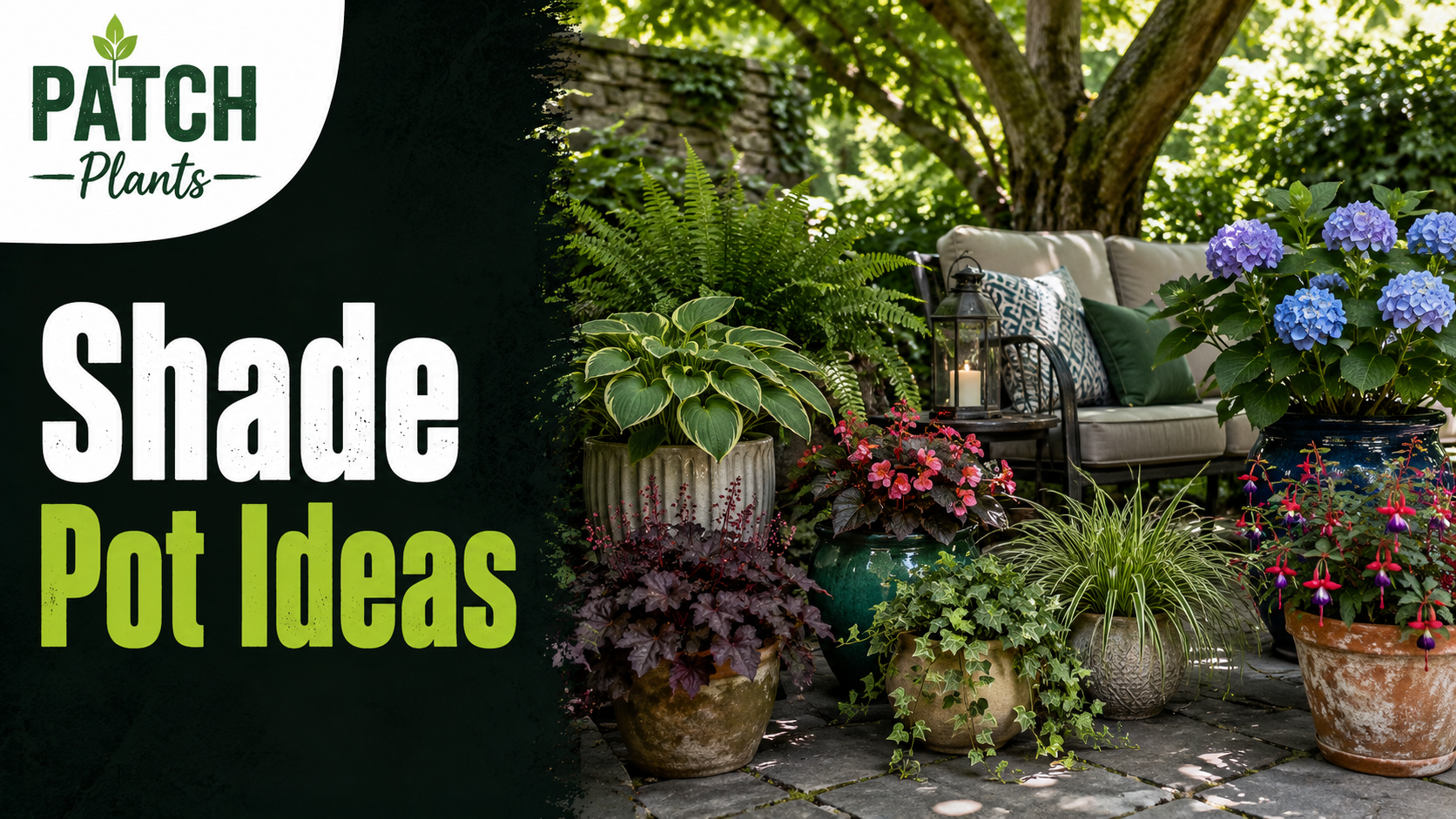
Plants in pots in shade can turn a dull patio, north-facing balcony, covered porch, side return, or tree-covered corner into one of the calmest parts of your home. Shade does not mean you have to settle for empty pots or tired greenery. You just need plants that enjoy softer light, containers that drain properly, and a watering routine that suits slower growth.
Key Takeaways
- Plants in pots in shade work best when you match the plant to the exact shade type: partial shade, dappled shade, bright shade, or deep shade.
- The best potted plants for shade include hostas, ferns, heuchera, begonias, fuchsias, impatiens, ivy, ajuga, lamium, hellebores, hydrangeas, and shade-tolerant grasses.
- Shady containers dry more slowly than sunny containers, but pots under trees, roof edges, and covered balconies can still dry out fast.
- Drainage matters more in shade because wet compost sits longer and can lead to root rot, fungus gnats, and weak growth.
- Use foliage color, texture, height, and trailing plants to make shady pots look full even when flowers are limited.
- This article should support broader guides like shade-loving outdoor plants, container gardening on patios, and low light house plants.
Introduction
Every garden has a tricky shaded spot. It might be a balcony that faces north, a patio tucked beside a wall, a porch that gets morning light only, or a set of steps under a tree. These places often feel hard to decorate because the usual sun-loving flowers struggle there.
That is where plants in pots in shade become useful. Containers give you control over soil, drainage, placement, height, and plant combinations. You can move a pot if the light changes, refresh the compost if growth slows, or swap seasonal plants without redesigning the whole garden.
The goal is not to force sun-loving plants into dark conditions. The goal is to choose shade container plants that naturally enjoy cooler, softer light. This guide covers the best choices for shaded patios, balconies, outdoor steps, under-tree areas, and low-light corners, plus practical care tips for keeping them healthy.
Understanding Shade Before You Choose Plants
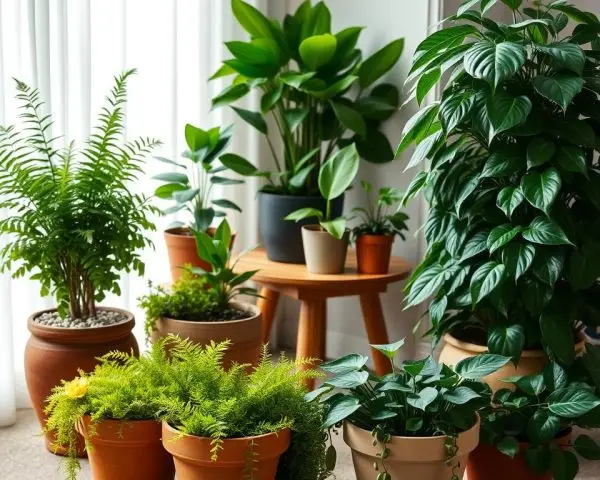
Successful gardening in shade with containers starts with knowing what kind of shade you have. Not all shade is the same. Some shaded areas are bright all day without direct sun. Others are dark, dry, and covered by walls, fences, or tree canopies.
Partial shade
Partial shade means the area gets some direct sun, often in the morning or late afternoon. This is the easiest shade for containers because many flowering plants can still bloom there. Begonias, fuchsias, hydrangeas, heuchera, impatiens, and hellebores can all work well in partial shade.
Dappled shade
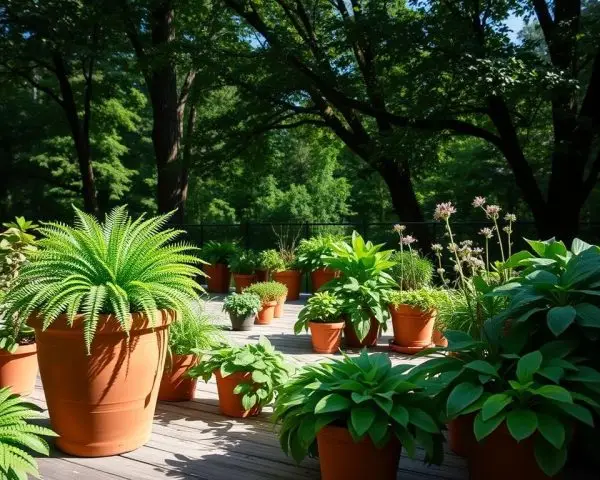
Dappled shade is the moving light that filters through tree branches. It is ideal for many woodland-style plants, including hostas, ferns, heuchera, tiarella, lamium, and hellebores. Pots under trees may need extra watering because tree roots and leaves reduce how much rain reaches the container.
Bright shade
Bright shade means the area is light but does not receive harsh direct sun. This is common near white walls, open patios, covered porches, and north-facing balconies. Many plants for shaded patios prefer this because they get enough light without scorching.
Deep shade
Deep shade is the hardest condition. It is found under dense evergreens, beside tall walls, or in corners that barely see sky. Use tough foliage plants here, such as ivy, ferns, cast iron plant in mild climates, carex, and selected hostas. For very dark indoor corners, use low light house plants instead.
Quick Comparison: Best Plants in Pots in Shade
| Plant | Best Use | Shade Type | Care Level |
|---|---|---|---|
| Hosta | Bold foliage and structure | Dappled to partial shade | Easy |
| Ferns | Texture and woodland style | Dappled to deep shade | Easy to moderate |
| Heuchera | Year-round foliage color | Partial to bright shade | Easy |
| Begonia | Long-lasting flowers | Bright to partial shade | Easy |
| Fuchsia | Hanging baskets and trailing flowers | Bright to partial shade | Moderate |
| Impatiens | Simple seasonal color | Partial to bright shade | Easy |
| Coleus | Colorful foliage | Bright shade | Easy |
| Caladium | Tropical leaf color | Bright shade | Moderate |
| Ivy | Trailing evergreen edges | Partial to deep shade | Easy |
| Ajuga | Low edging and dark foliage | Partial shade | Easy |
| Lamium | Silver trailing foliage | Partial to dappled shade | Easy |
| Hakonechloa | Soft grass texture | Partial shade | Easy |
| Carex | Evergreen grass-like texture | Partial to deep shade | Easy |
| Hellebore | Winter and early spring flowers | Dappled to partial shade | Easy |
| Hydrangea | Large flowers in bigger pots | Partial shade | Moderate |
| Skimmia | Evergreen structure and berries | Partial shade | Easy |
| Sarcococca | Winter scent and evergreen leaves | Partial to deep shade | Easy |
17 Best Plants in Pots in Shade
1. Hosta
Hostas are classic potted plants for shade because their leaves do most of the work. You can choose blue-green, lime, gold, variegated, rippled, or giant-leaved types depending on the container size and mood you want.
They look especially good in wide bowls, stone-effect planters, and simple ceramic pots. Use them as a strong focal point in a shaded patio corner or group several varieties together for contrast.
- Best for: Dappled shade, partial shade, large pots, calm patio designs.
- Care tip: Keep compost evenly moist but not soggy.
- Watch for: Slugs and snails, especially in damp shade.
Hostas pair beautifully with ferns, heuchera, and hellebores. For a wider shade plant foundation, use shade-loving plants for outdoor spaces and hardy outdoor plants.
2. Ferns
Ferns are some of the best shade container plants when you want texture instead of bright flowers. Their soft fronds make a shaded space feel cooler, greener, and more natural.
Use ferns in tall pots, shallow bowls, hanging baskets, or mixed woodland-style containers. Japanese painted fern gives silver and burgundy color, while soft shield fern and autumn fern add year-round or seasonal interest depending on the variety.
- Best for: Dappled shade, woodland pots, bathroom-style outdoor corners.
- Care tip: Keep roots cool and compost lightly moist.
- Watch for: Crispy edges from dry wind or missed watering.
If you like fern texture indoors too, read Boston Fern care and best bathroom plants.
3. Heuchera
Heuchera, also called coral bells, is one of the most useful plants for pots in shade because its foliage comes in many colors. You can find caramel, bronze, burgundy, lime, silver, purple, and green varieties.
It works well at the front of mixed pots because the leaves form neat mounds. In mild climates, many heucheras keep their leaves through much of the year, giving containers color even when flowers are gone.
- Best for: Foliage color, mixed containers, year-round interest.
- Care tip: Use free-draining compost and avoid burying the crown too deeply.
- Watch for: Vine weevil in containers.
For color planning, link heuchera pots to outdoor garden color themes and colorful foliage indoor plants.
4. Begonia
Begonias are among the best flowering plants in pots in shade. They bloom for a long time, handle bright shade well, and bring color to areas where many flowering plants fade.
Tuberous begonias are especially useful in hanging baskets and patio pots. Wax begonias are compact and neat, while foliage begonias bring dramatic leaf patterns. Most begonias dislike frost, so treat them as summer display plants or overwinter them indoors.
- Best for: Summer color, shaded patio pots, hanging baskets.
- Care tip: Water the compost, not the leaves, to reduce fungal problems.
- Watch for: Wet soil and cold nights.
For more blooming inspiration, use blooming indoor plants, indoor plant with red flower, and indoor plant with orange flowers.
5. Fuchsia
Fuchsias are excellent plants for shaded patios, especially in hanging baskets and raised containers where their flowers can dangle naturally. They bring movement, color, and a soft cottage-garden feel to darker spaces.
Trailing fuchsias work well in baskets, while upright types suit pots near steps or doors. They prefer cool roots, regular watering, and shelter from harsh afternoon sun.
- Best for: Hanging baskets, porch pots, shaded balconies.
- Care tip: Feed lightly during the flowering season.
- Watch for: Drying out in small baskets.
For more container ideas, use best plants for container gardening on patios and how to keep outdoor plants alive.
6. Impatiens
Impatiens are simple, colorful, and reliable for bright shade. They are one of the easiest seasonal choices when you want fast flowers in containers without complicated care.
Use them in window boxes, porch pots, wall planters, and mixed containers. They look best when planted in groups because the color becomes more visible in shade.
- Best for: Easy seasonal color, small pots, shaded entryways.
- Care tip: Keep compost lightly moist and avoid drought stress.
- Watch for: Mildew in crowded damp conditions.
7. Coleus
Coleus is grown for its leaves, not its flowers. It is one of the best low light container plants for adding bold color without relying on blooms.
The leaves can be red, burgundy, lime, orange, pink, purple, or patterned. Coleus prefers bright shade rather than deep shade. Pinch out growing tips to keep the plant bushy.
- Best for: Colorful foliage, summer pots, modern patio styling.
- Care tip: Pinch stems to keep the plant full.
- Watch for: Leggy growth in too much shade.
8. Caladium
Caladiums bring tropical drama to plants in pots in shade. Their large heart-shaped leaves come in white, pink, red, green, and mixed patterns, making them useful in bright but sun-protected spaces.
They like warmth, humidity, and evenly moist compost. They are not hardy in cold climates, so treat them as seasonal plants or bring tubers indoors before frost.
- Best for: Tropical-style shaded patios and statement pots.
- Care tip: Keep warm and avoid cold wet soil.
- Watch for: Collapse in cold weather.
9. Ivy
Ivy is a tough trailing plant for shaded containers. It can soften pot edges, spill from hanging baskets, or trail down steps and walls.
Use compact or variegated varieties in containers so the plant stays manageable. Ivy is useful in year-round pots because many varieties are evergreen.
- Best for: Trailing edges, evergreen structure, deep shade tolerance.
- Care tip: Trim regularly to keep it in shape.
- Watch for: Overgrowth and dry pots under roof edges.
For trailing inspiration indoors, read trailing plants for shelves and low-light hanging plants.
10. Ajuga
Ajuga is a low-growing plant with glossy leaves that can be green, bronze, purple, or variegated. It works well around the edges of shaded pots and can help cover bare compost.
It is especially useful in mixed containers with hostas, ferns, carex, or heuchera. In spring, it may produce short blue flower spikes.
- Best for: Pot edges, low filler, foliage contrast.
- Care tip: Trim if it spreads beyond the container shape.
- Watch for: Soggy compost in winter.
11. Lamium
Lamium is a bright, trailing plant for shaded containers. Its silver-marked leaves can lighten dark corners, and some varieties produce small pink, white, or purple flowers.
It is useful when you want a pot to look full quickly. Use it with darker foliage plants to create contrast.
- Best for: Silver foliage, trailing edges, woodland-style pots.
- Care tip: Cut back lightly if growth becomes thin.
- Watch for: Too much dryness in small pots.
12. Hakonechloa
Hakonechloa, or Japanese forest grass, is one of the most elegant grasses for shade. It spills softly over pot edges and brings movement without looking messy.
Golden varieties can brighten a shaded corner, while green varieties feel calm and natural. It works beautifully beside hostas, ferns, and heuchera.
- Best for: Soft texture, modern containers, Japanese-style pots.
- Care tip: Keep evenly moist in summer.
- Watch for: Drying out in shallow pots.
13. Carex
Carex is a grass-like plant that works well in shade, especially when you want evergreen or semi-evergreen texture. It can be used alone in simple pots or as a filler in mixed containers.
Choose varieties with bronze, green, gold, or variegated leaves. It is low maintenance and good for people who prefer neat container displays.
- Best for: Year-round texture, low-care pots, shaded entrances.
- Care tip: Comb or trim old leaves in spring.
- Watch for: Waterlogged winter compost.
14. Hellebore
Hellebores are excellent hardy potted plants for low light because they flower in winter or early spring, when many containers look bare. Their evergreen leaves also add structure.
Use them in larger pots with good drainage. They look elegant near doors, steps, and shaded seating areas.
- Best for: Winter flowers, partial shade, year-round structure.
- Care tip: Remove old leaves before flowers open.
- Watch for: Dryness in spring and early summer.
For winter and seasonal care, use outdoor plants that survive British winters, hardy outdoor plants, and seasonal plant care in autumn.
15. Hydrangea
Compact hydrangeas can work beautifully in large shaded containers. They are ideal for partial shade, especially where they get morning sun and afternoon shade.
Use a generous pot because hydrangeas need root space and consistent moisture. They are not the best choice for tiny balconies unless you choose a compact variety.
- Best for: Large pots, shaded patios, bold summer flowers.
- Care tip: Water consistently during warm weather.
- Watch for: Wilting in small pots or dry compost.
16. Skimmia
Skimmia is a compact evergreen shrub that suits shaded containers. It brings glossy leaves, spring flowers, and sometimes winter berries if male and female plants are paired correctly.
It prefers partial shade and moisture-retentive but well-drained compost. Skimmia is useful when you want a pot to look good beyond one season.
- Best for: Evergreen structure, winter interest, shaded entrances.
- Care tip: Use ericaceous compost if your water or soil is alkaline.
- Watch for: Yellow leaves from unsuitable compost or water.
17. Sarcococca
Sarcococca, also called sweet box, is one of the best evergreen shrubs for shaded pots. Its small winter flowers are not flashy, but they smell beautiful.
Place it near a doorway, bench, or path where you can enjoy the scent. It tolerates shade well and stays neat in containers with light pruning.
- Best for: Winter fragrance, deep shade, evergreen pots.
- Care tip: Use a deep pot and keep roots from drying out.
- Watch for: Dry shade under roof edges.
Best Container Ideas for Shaded Patios and Balconies
The calm green corner
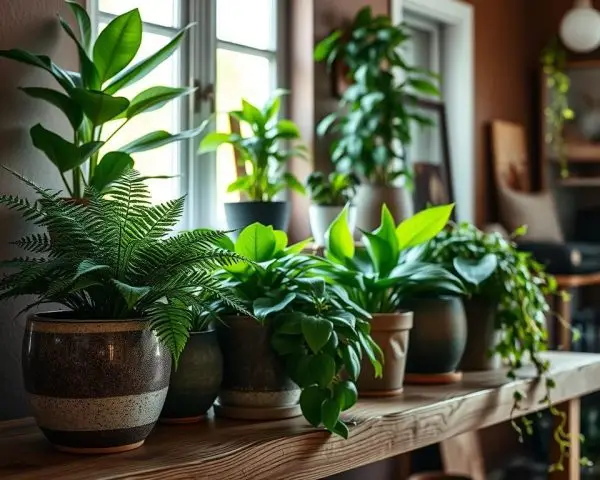
Use a large hosta, one fern, and trailing ivy in a wide pot. This combination works well for a quiet reading corner, shaded patio chair, or north-facing balcony.
The colorful foliage pot
Combine heuchera, coleus, lamium, and carex. This gives color without relying on flowers, which is useful when your shaded space is too dim for heavy blooming.
The bright summer shade pot
Use begonias, impatiens, fuchsias, and lamium. This is best for bright shade or partial shade, especially near a porch, doorway, or patio table.
The under-tree container
Choose hostas, ferns, ajuga, and hellebores. Containers under trees avoid some root competition, but you still need to check water often because tree canopies block rain.
The evergreen shade pot
Use skimmia, sarcococca, ivy, and carex. This combination is useful for winter structure and low-maintenance shaded entrances.
Choosing the Right Pots for Shade
Containers matter as much as plant choice. A shaded pot often stays cooler and wetter than a sunny pot, so drainage and material are important.
Use drainage holes
Every container should have drainage holes. Without them, water collects at the bottom and roots can rot. This is especially important for plants in pots in shade because compost dries more slowly in low light.
Choose the right material
Terracotta dries faster and can help prevent soggy soil, but it may need more watering in warm weather. Glazed ceramic holds moisture longer and looks decorative. Plastic and resin are lightweight for balconies but can hold water longer if drainage is poor.
Pick the right size
Small pots dry quickly and heat or cool fast. Large pots hold more stable moisture and suit hostas, hydrangeas, skimmia, sarcococca, and mixed shade displays.
Lift pots slightly
Use pot feet or small risers to keep containers from sitting in water. This improves drainage and airflow under the pot.
For wider pot care, use container gardening on patios, self-watering pots guide, and how to repot a plant.
Soil and Drainage for Shade Container Plants
Shade container plants need compost that holds enough moisture without becoming heavy and airless. Garden soil is usually too dense for pots, especially in shade.
Use a container potting mix
A good potting mix should feel light, open, and easy to water. For long-term shrubs, mix in some loam-based compost or use a durable container mix.
Add drainage material to the mix, not just the bottom
Adding grit, perlite, or bark through the compost is more useful than putting a thick layer of stones at the base. Roots need air throughout the pot.
Refresh compost yearly
Containers lose nutrients and structure over time. Top-dress established pots in spring or refresh part of the compost when growth slows.
Match compost to the plant
Skimmia may prefer ericaceous compost. Ferns and hostas like moisture-retentive mixes. Succulent-style plants usually do not belong in damp shade unless the container is very free-draining and the light is better.
For more help, use best soil mix guide, repotting mistakes, and root rot guide.
Watering Plants in Pots in Shade
Watering is where many shaded pots fail. People often assume shaded pots never dry out, but that is not always true. A covered balcony, dense tree canopy, or roof edge can keep rain away from the container.
Check before watering
Push your finger into the compost. If it still feels damp below the surface, wait. If it is dry a few inches down, water thoroughly until water drains from the base.
Water less in cool weather
In spring, autumn, and winter, shaded pots use less water. Growth slows, evaporation drops, and compost stays moist longer.
Water more under trees
Plants in pots under trees may need more water than expected because leaves and branches block rainfall. Check them after dry windy weather.
Avoid splashy evening watering
Damp leaves sitting overnight in shade can encourage fungal problems. Water the compost, not the foliage.
For watering support, use complete watering guide, worst times to water plants, and signs you are overwatering.
Feeding and Seasonal Care
Plants growing in shade often grow more slowly than plants in sun, so they usually need less fertilizer. Feeding too much can produce soft growth that is more vulnerable to pests and disease.
Feed lightly in active growth
Use a balanced liquid feed or slow-release fertilizer in spring and summer. Flowering containers may need slightly more feeding than foliage-only pots.
Do not feed stressed plants
If a plant is yellowing, drooping, or rotting, fix light, drainage, and watering first. Fertilizer will not solve root problems.
Cut back tired growth
Trim fuchsias, coleus, lamium, ivy, and impatiens to keep containers looking full. Remove old hosta leaves and fern fronds when they fade.
Protect tender plants
Begonias, coleus, caladiums, and some fuchsias may need winter protection. Hardy plants such as hostas, ferns, heuchera, carex, hellebores, skimmia, and sarcococca are better for long-term outdoor containers.
For seasonal guidance, use garden calendar, autumn plant care, and winter-hardy outdoor plants.
Common Problems With Potted Plants for Shade
Yellow leaves
Yellow leaves can mean too much water, poor drainage, low nutrients, cold stress, or not enough light. In shade containers, check wet compost first.
Leggy growth
Leggy stems mean the plant is stretching for light. Move the pot into brighter shade or choose tougher foliage plants for that spot.
Fungal growth
Fuzzy mold on compost usually means the pot is staying too wet. Improve airflow, reduce watering, and remove dead leaves quickly.
Slugs and snails
Slugs love damp shade, especially around hostas and young leaves. Keep pots tidy, lift them slightly, and check underneath rims and saucers.
Fungus gnats
Fungus gnats appear when compost stays damp for too long. Let the top layer dry more between watering and remove decaying plant material.
Poor flowering
Some flowering plants need brighter shade to bloom well. If begonias, fuchsias, or hydrangeas are not flowering, the container may be too dark.
For troubleshooting, use how to revive a dying plant, leaf curl, browning, and droop, yellow leaves guide, and how to clean plant leaves.
Design Tips for Shaded Container Gardens
Use texture first
In shade, texture often matters more than flower color. Combine broad hosta leaves, fine fern fronds, trailing ivy, upright carex, and colorful heuchera for a layered effect.
Use light-colored pots
White, cream, pale gray, terracotta, and soft green pots can brighten dark corners. Dark pots can look stylish, but they may disappear visually in deep shade.
Repeat plants
Repeating the same plant in several pots makes a shaded patio look designed instead of random. Try three pots with different hostas, or a run of matching ferns and ivy.
Create height
Use plant stands, steps, tall pots, or wall shelves. Height helps shaded spaces feel fuller without crowding the floor.
Add a trailing edge
Every mixed shade pot looks better with something trailing over the side. Ivy, lamium, ajuga, and trailing fuchsias are useful options.
For more styling ideas, use outdoor garden color themes, wildlife-friendly garden design, and colorful garden for all seasons.
Best Shade Pot Combinations
Foliage-only shade pot
Use hosta, heuchera, carex, and ivy. This gives structure, color, and trailing edges without relying on flowers.
Flowering shade pot
Use begonias, impatiens, fuchsias, and lamium. This works best in bright shade or partial shade.
Woodland shade pot
Use ferns, hostas, hellebores, ajuga, and mossy decorative top-dressing. This suits under-tree patios and quiet garden corners.
Evergreen winter shade pot
Use skimmia, sarcococca, ivy, carex, and hellebore. This keeps containers interesting when summer flowers are gone.
Balcony shade pot
Use compact hostas, heuchera, trailing ivy, and begonias. Choose lightweight containers if weight is a concern.
Helpful PATCH Guides for Shade, Containers, and Plant Care
Use these internal guides to support the shade and container cluster while helping readers move naturally to the next useful article.
Shade and Outdoor Container Guides
- Shade-loving plants for outdoor spaces
- Best plants for container gardening on patios
- Low-maintenance outdoor plants
- How to keep outdoor plants alive
- Hardy outdoor plants
- Hardy plants with minimal watering
- Outdoor plants that survive British winters
- Outdoor plants for coastal and windy spaces
- Drought-resistant plants
- Outdoor plants for storms and heatwaves
- Native plants that thrive in your region
- Easiest outdoor edible plants
Outdoor Garden Planning Guides
- Outdoor Plants hub
- Garden calendar
- Seasonal plant care in autumn
- Edible flowers to grow outdoors
- Outdoor garden color themes
- Create a colorful garden for all seasons
- Pollinator-friendly plants for urban spaces
- Wildlife-friendly garden design
- Plants that bloom at night
- How to keep pests away from outdoor plants
- Plants that keep bugs away
- Mosquito repellent plants
- Mosquito repellent plants for patios
- Shade plants that repel mosquitoes
- Herbs that keep mosquitoes away
Indoor and Low-Light Guides
- Indoor Plants hub
- Low light house plants
- Complete indoor light guide
- Low-light hanging plants
- Best bathroom plants
- Plants for bathroom no light
- Bathroom plants for mold
- Best indoor plants for tiny apartments
- Best indoor plants for beginners
- Best indoor plants for first-time plant parents
- Low-maintenance plants
- Air-purifying indoor plants
Plant Care Guides
- Plant Care hub
- Complete watering guide
- Worst times to water plants
- Signs you are overwatering
- Root rot guide
- How to revive a dying plant
- Leaf curl, browning, and droop
- Why plant leaves turn yellow
- How to clean plant leaves
- Best soil mix guide
- How to repot a plant
- Repotting mistakes to avoid
- Fertilizing indoor vs outdoor plants
- Pruning basics
- Humidity hacks
- DIY humidity tray
- Self-watering pots guide
Specific Plant Care Guides
- Snake Plant care guide
- ZZ Plant care guide
- Pothos care guide
- Spider Plant care guide
- Peace Lily care guide
- Boston Fern care guide
- Philodendron care guide
- Dracaena care guide
- Calathea care guide
- Monstera care guide
- Hoya care guide
- Anthurium care guide
- Orchid care guide
- African Violet care guide
- Succulent care guide
- Cactus care guide
- Moss pole for plants
Indoor Styling Guides
- How to style indoor plants by room
- Decorate your bedroom with plants
- Create an indoor jungle
- Trailing plants for shelves
- Statement plants for minimalist interiors
- Scandi home with plants
- Feng Shui indoor plants
- Best office plants
- Improve home office with plants
- Office-friendly plants
- Oversized indoor plants
- Indoor gardening systems
Frequently Asked Questions
What are the best plants in pots in shade?
The best plants in pots in shade include hostas, ferns, heuchera, begonias, fuchsias, impatiens, coleus, caladiums, ivy, ajuga, lamium, hakonechloa, carex, hellebores, hydrangeas, skimmia, and sarcococca.
Can plants grow in pots under trees?
Yes. Plants in pots under trees can grow well if you choose shade-tolerant plants and check water regularly. Tree canopies often block rain, so containers under trees may dry out even in shady spots.
What are good flowering plants for shade pots?
Begonias, fuchsias, impatiens, hellebores, hydrangeas, skimmia, and sarcococca are good flowering choices for shade pots. Flowering is usually better in partial shade or bright shade than in deep shade.
Do potted plants for shade need drainage holes?
Yes. Potted plants for shade need drainage holes because compost dries slowly in shade. Without drainage, roots can sit in wet compost and develop rot.
How often should I water plants for shaded patios?
Water when the top layer of compost starts to dry. Shaded patio pots usually need less water than sunny pots, but covered patios, balconies, and tree-covered areas may still dry quickly.
What are the best shade container plants for beginners?
Hostas, ferns, heuchera, ivy, carex, begonias, and impatiens are beginner-friendly shade container plants. Snake Plant, ZZ Plant, and Pothos are better if the shaded pot is indoors.
Can I grow herbs in pots in shade?
Most herbs prefer more sun. Mint, parsley, chives, lemon balm, and some leafy herbs may tolerate partial shade, but they usually grow better with at least a few hours of light.
What plants are best for a shaded balcony?
Good balcony options include hostas, heuchera, ferns, begonias, fuchsias, ivy, carex, lamium, and compact hydrangeas. Choose lightweight containers and check building weight limits before using large pots.
Why are my plants in pots in shade turning yellow?
Yellow leaves often come from overwatering, poor drainage, low nutrients, cold stress, or not enough light. In shaded pots, wet compost is usually the first thing to check.
Final Thoughts
Plants in pots in shade can make dark patios, balconies, porches, and under-tree areas feel calm and intentional. Start with reliable foliage plants like hostas, ferns, heuchera, ivy, carex, and lamium, then add seasonal color with begonias, fuchsias, impatiens, and caladiums where the shade is bright enough.
The RHS explains that successful shade gardening depends on matching plants to the degree of shade available, which is exactly what matters when planning shaded containers: RHS guide to shade gardening.
Use good drainage, avoid overwatering, and design with texture first. A shaded container garden does not need to be dull. With the right plants, it can become one of the most peaceful and polished parts of your outdoor space.
Final Recap
The best plants in pots in shade include hostas, ferns, heuchera, begonias, fuchsias, impatiens, coleus, caladiums, ivy, ajuga, lamium, hakonechloa, carex, hellebores, hydrangeas, skimmia, and sarcococca. Choose plants based on your shade type, use containers with drainage holes, water only when compost needs it, and build designs around foliage, texture, height, and trailing edges. Keep this article as a support post and link it to your broader shade-loving outdoor plants, container gardening, and plant care guides.