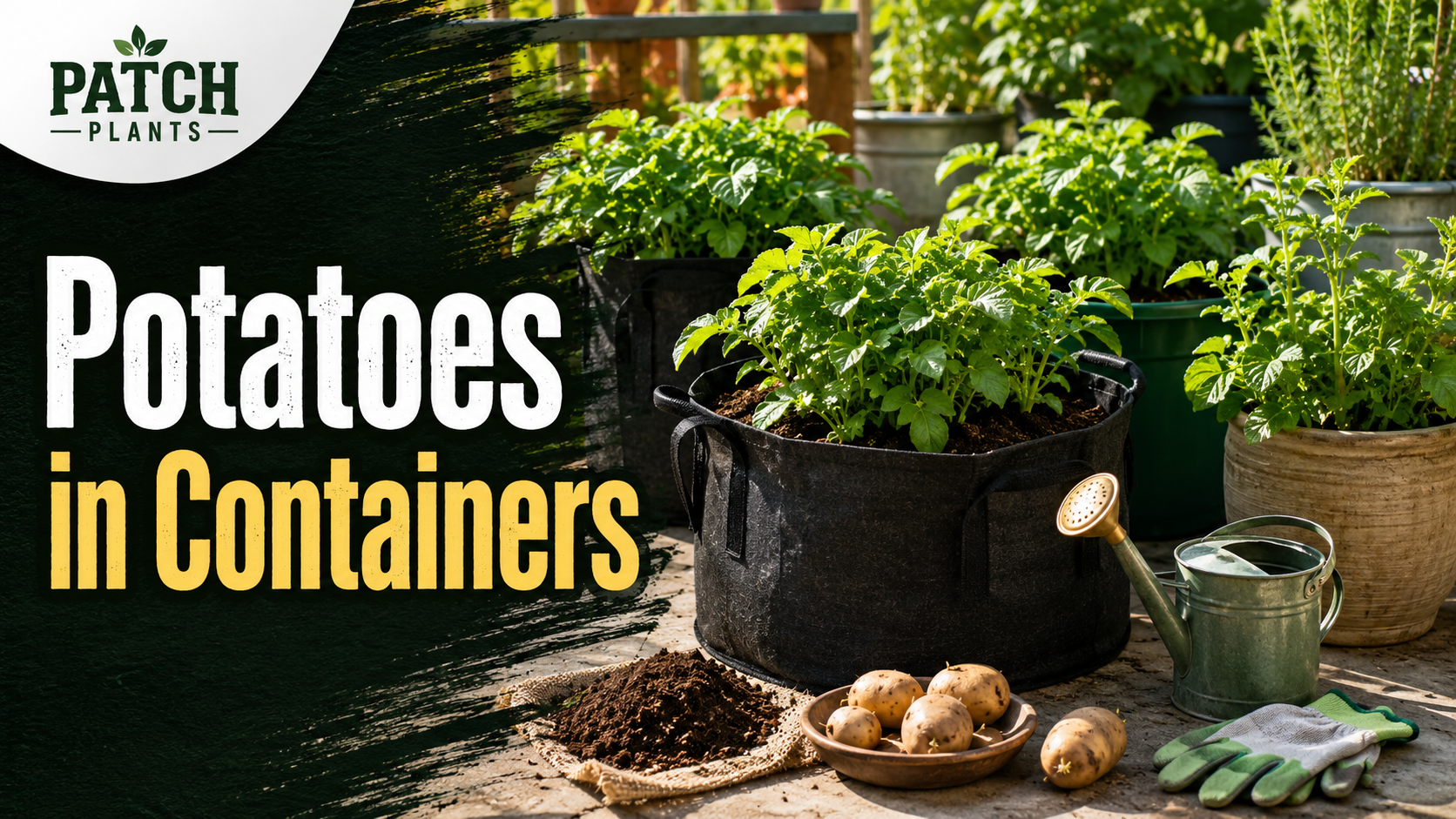
Planting potatoes in containers is one of the easiest ways to grow food on a patio, balcony, courtyard, doorstep, or small garden. You do not need a traditional vegetable patch. You need a large pot or grow bag, loose compost, certified seed potatoes, sunlight, steady watering, and a little patience.
Key Takeaways
- Planting potatoes in containers works well for small spaces, balconies, patios, rented homes, and beginner gardeners.
- Early potato varieties are usually the best choice for containers because they mature faster and take up less space.
- Use a deep container, grow bag, bucket, or sack with drainage holes so roots do not sit in water.
- Start with a base layer of compost, place seed potatoes shoots-up, cover lightly, then add more compost as the stems grow.
- How to grow potatoes in pots comes down to four basics: loose compost, full sun, regular water, and gradual hilling.
- This post should support broader guides like easiest outdoor edible plants for beginners, container gardening on patios, and garden calendar.
Introduction
Potatoes are one of the most satisfying crops to grow in containers. You plant a few seed potatoes, keep adding compost as leafy shoots rise, then tip out the container at harvest time and find fresh potatoes hidden inside. It feels simple, practical, and a little bit exciting every time.
This method is especially useful if you want to grow food but do not have much ground space. Growing potatoes in containers suits patios, balconies, small courtyards, and even sunny doorsteps. It also makes harvesting cleaner because you do not need to dig through heavy garden soil.
This guide explains the full process, from choosing seed potatoes and containers to watering, hilling, feeding, pest checks, harvesting, curing, and storage. If you are new to edible gardening, you may also want to read easiest outdoor edible plants for beginners and best plants for container gardening on patios.
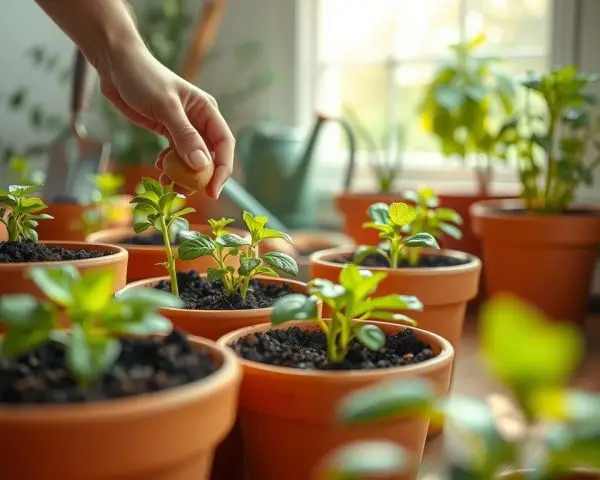
Why Planting Potatoes in Containers Works So Well
Planting potatoes in containers gives you control. You choose the soil, the container, the sunny spot, the watering routine, and the harvest timing. That is harder to manage in open ground, especially if your soil is heavy clay, compacted, full of weeds, or short on space.
Container potatoes are also easy to check. You can inspect leaves for pests, move pots if weather changes, and harvest by emptying the container instead of digging. This makes potatoes in pots for beginners a very practical first crop.
Container potatoes suit small spaces
If you have a sunny balcony, patio, deck, courtyard, or paved corner, you can grow potatoes. A single large pot or grow bag can produce a useful crop without taking over the space.
You can control the growing medium
Potatoes like loose, free-draining growing material. In containers, you can avoid heavy soil and use a clean compost mix that makes tuber development easier.
Harvesting is simple
Instead of lifting potatoes with a fork, you can tip the container onto a tarp or into a wheelbarrow and collect the tubers by hand. This is one of the biggest benefits of container gardening potatoes.
Pest monitoring is easier
Because the plants are contained, it is easier to notice aphids, beetles, yellowing leaves, water stress, or disease symptoms early.
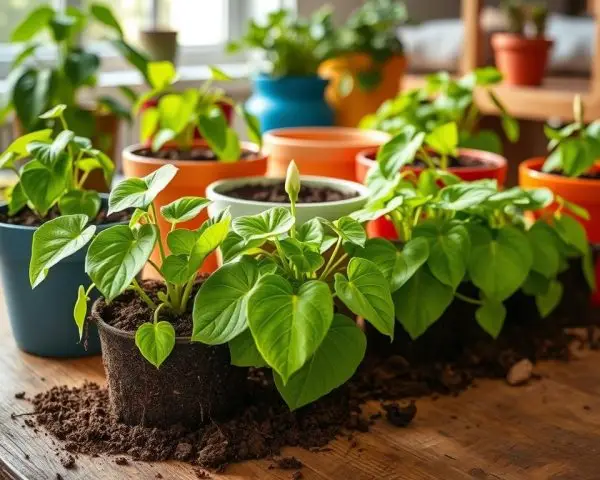
Quick Comparison: Containers vs Garden Beds for Potatoes
| Feature | Containers | Garden Beds |
|---|---|---|
| Space needed | Small patio, balcony, or courtyard | More ground space |
| Soil control | High control with compost mix | Depends on garden soil |
| Harvesting | Tip out and collect | Digging usually needed |
| Watering | Needs regular checking | Usually dries more slowly |
| Best for | Beginners and small spaces | Larger crops and bigger gardens |
Best Potato Varieties for Containers
Choosing the right variety makes growing potatoes in containers easier. Early potatoes are usually the best place to start because they mature faster, stay smaller, and are harvested before many late-season disease problems become severe.
First early potatoes
First earlies are quick and useful for beginners. They are usually grown for tender new potatoes rather than long storage. They suit pots, grow bags, buckets, and smaller outdoor spaces.
Second early potatoes
Second earlies take a little longer than first earlies but can still work well in containers. They usually give a slightly bigger crop while staying manageable.
Maincrop potatoes
Maincrop potatoes need a longer growing season and more space. They can grow in very large containers, but they are not always the easiest option for small balconies. If you want storage potatoes, choose a large container and be ready to water and feed consistently.
Determinate vs indeterminate potatoes
Determinate potatoes tend to set most of their crop in one layer and are often better for containers. Indeterminate potatoes may keep producing along the buried stem, but they need deeper containers and more careful hilling.
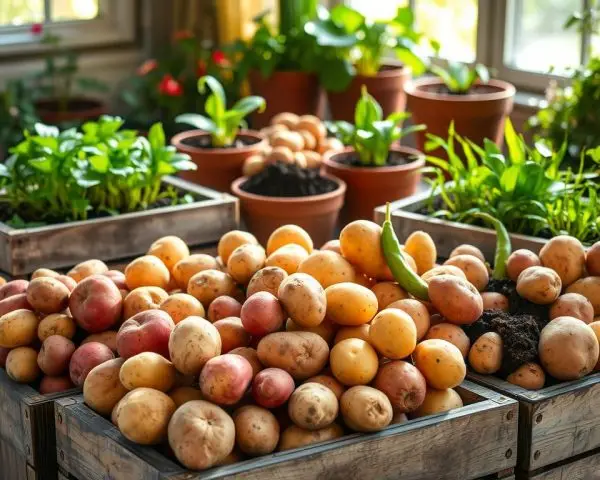
Choosing the Best Container for Potatoes
The best container for potatoes is deep, wide, sturdy, and well-drained. Potatoes need room for roots, stems, compost, and tubers. If the pot is too shallow, the crop will usually be smaller and the soil will dry out quickly.
Potato grow bags
Potato grow bags are one of the easiest choices. They are lightweight, easy to store, and often designed with good drainage. Some have harvest flaps, although you can also harvest by tipping the whole bag out.
Large plastic pots
Plastic pots are affordable and hold moisture better than terracotta. They work well on patios and balconies if they are large enough and have drainage holes.
Buckets
Growing potatoes in buckets can work if the bucket is food-safe, deep enough, and drilled with several drainage holes. Do not use a sealed bucket with no drainage.
Fabric bags
Fabric bags encourage air movement around the roots and are easy to move when empty. They can dry faster than plastic, so check water more often in warm weather.
Repurposed sacks or compost bags
Old compost bags, sacks, and sturdy storage tubs can work if they drain well. Fold down the sides at planting time, then roll them up as you add more compost.
| Container Type | Best Use | Main Watch-Out |
|---|---|---|
| Grow bag | Beginner-friendly potato growing | Can dry quickly in heat |
| Large plastic pot | Patios and balconies | Needs enough drainage |
| Bucket | Budget container growing | Must be drilled for drainage |
| Fabric bag | Airy root growth | Needs steady watering |
| Compost bag | Low-cost growing | Can collapse if not supported |
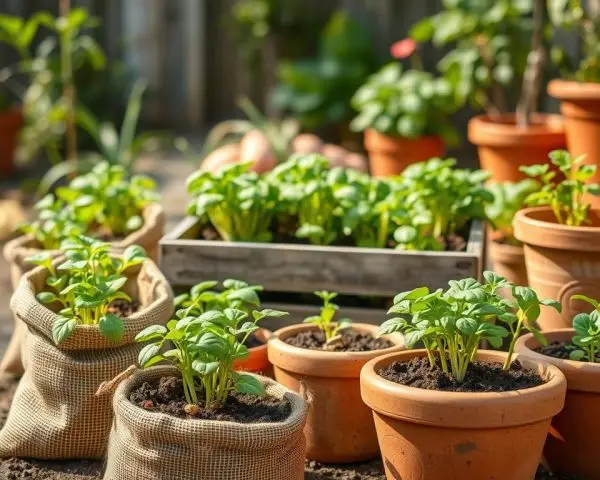
Soil and Compost for Potatoes in Containers
Potatoes grow best in loose, fertile, moisture-retentive compost that still drains well. Dense garden soil is not ideal for containers because it can compact, hold too much water, and make harvesting messy.
Use a peat-free multi-purpose compost
A good peat-free multi-purpose compost is a practical base for planting potatoes in containers. It is light enough for pots and holds enough moisture for steady growth.
Add organic matter
Well-rotted compost or manure can improve moisture and nutrients. Do not use fresh manure because it can be too strong and may damage roots.
Add drainage material if needed
If your compost feels heavy, mix in perlite, grit, or bark to improve structure. Container potatoes need oxygen around their roots.
Feed from the start
Potatoes in containers depend on the compost you provide. Mix in an organic general-purpose fertilizer at planting time, then use a suitable liquid feed once plants are growing strongly.
For more potting help, read best soil mix guide, how to repot a plant, and repotting mistakes to avoid.
Preparing Seed Potatoes Before Planting
Use certified seed potatoes whenever possible. Supermarket potatoes can sprout, but they may be treated to delay sprouting and are not the best choice if you want reliable results.
What are seed potatoes?
Seed potatoes are tubers grown for planting. They are not seeds in the usual sense. Each seed potato has eyes that grow into shoots, then stems, roots, and new tubers.
What is chitting?
Chitting means encouraging seed potatoes to sprout before planting. Place them in an egg box or tray in a cool, bright, frost-free place. Keep the end with the most eyes facing upward.
How long should sprouts be?
Short, sturdy shoots are best. Long, pale, weak shoots can break easily. If shoots become very long indoors, the potatoes may need more light and cooler conditions.
Should you cut seed potatoes?
Small seed potatoes can be planted whole. Larger seed potatoes can be cut into pieces if each piece has at least one or two strong eyes. Let cut pieces dry and callus before planting to reduce rot risk.
When to Plant Potatoes in Containers
Timing depends on your climate and potato type. In many mild regions, potatoes are planted in spring once hard frost risk has passed or containers can be protected. If you start early, keep pots in a frost-free greenhouse, porch, or sheltered spot until the weather improves.
Early spring planting
First early potatoes are often started in early to mid-spring. They are ideal if you want a quick crop of new potatoes.
Mid-spring planting
Second earlies and some maincrop varieties are usually planted slightly later. They need more time to mature.
Summer planting for late crops
Some gardeners plant cold-stored seed potatoes in summer for a later crop. This works best with a bright, frost-free place for protection.
Use garden calendar and seasonal plant care in autumn to plan timing around your local conditions.
Planting Potatoes in Containers: 9 Easy Steps
Step 1: Choose a sunny position
Potatoes need strong light for good growth. Choose a sunny patio, balcony, courtyard, or garden corner. Six or more hours of sunlight is ideal. Light shade may still grow leaves, but the harvest is usually smaller.
Step 2: Prepare the container
Make sure your pot, bucket, or grow bag has drainage holes. If using a bucket, drill several holes in the base. Raise the container slightly on pot feet or bricks if water pools underneath.
Step 3: Add the first compost layer
Add about 10 to 15cm of compost to the bottom of the container. Mix in a small amount of organic fertilizer if your compost does not already contain nutrients.
Step 4: Place the seed potatoes
Place seed potatoes on the compost with the shoots pointing upward. In a small pot, use one seed potato. In a larger grow bag, use two to four, depending on the size. Do not overcrowd them.
Step 5: Cover lightly
Cover the potatoes with another layer of compost. Leave plenty of empty space above because you will add more compost as the stems grow.
Step 6: Water gently
Water the container until the compost is evenly moist. Do not flood it. The aim is damp compost, not soggy compost.
Step 7: Wait for shoots
Place the container in a bright, sheltered position. Shoots should appear as the weather warms. Protect young shoots from frost with fleece, straw, or by moving containers under cover.
Step 8: Start hilling
When the shoots are around 15 to 20cm tall, add more compost around the stems, leaving the top leaves visible. This is called hilling or earthing up.
Step 9: Keep filling the container
Repeat hilling as the plants grow until the compost level is just below the rim. This keeps developing tubers covered and helps prevent potatoes from turning green.
Watering Potatoes in Pots
Watering is one of the most important parts of how to grow potatoes in pots. Containers dry faster than ground soil, especially in hot weather, windy balconies, and fabric grow bags.
Check moisture often
Push your finger into the compost. If it feels dry below the surface, water deeply. If it still feels wet, wait. Potatoes need steady moisture, but waterlogging can cause rot.
Water more during tuber formation
Once plants are growing strongly and forming tubers, they need more consistent water. Uneven watering can reduce yield and quality.
Do not let containers sit in water
Empty saucers after watering. Potatoes dislike stagnant wet compost around their roots.
Watch for leaf droop
Drooping leaves in warm weather can mean the container is dry. Check the compost before watering, because droop can also happen from heat stress.
For better watering habits, use complete watering tips, worst times to water plants, and signs you are overwatering.
Sunlight and Temperature Needs
Potatoes prefer full sun and cool to mild growing conditions. They do not enjoy extreme heat, severe drought, or frost. Containers can heat and cool faster than garden soil, so placement matters.
Best light
Choose a sunny spot with direct light for much of the day. If your balcony only gets a few hours of sun, try early potatoes and keep expectations realistic.
Frost protection
Young potato shoots can be damaged by frost. If cold nights are forecast, cover shoots with fleece or move containers to a sheltered area.
Heat protection
In very hot weather, black plastic pots can heat up quickly. Use lighter-colored containers, shade the pot sides, or water more carefully during heatwaves.
For tough outdoor growing conditions, use outdoor plants for storms and heatwaves, drought-resistant plants, and how to keep outdoor plants alive.
Feeding Container Potatoes
Container compost has limited nutrients. Once potato plants are growing strongly, feeding helps support leaves, roots, and tuber development.
Start with enriched compost
Mix an organic general-purpose fertilizer into the compost at planting time. This gives young plants a steady start.
Feed after several weeks
After the first few weeks, nutrients in compost can run low. Use an organic liquid feed or potato-friendly fertilizer according to label directions.
Avoid too much nitrogen late on
Too much nitrogen can encourage leafy growth at the expense of tubers. Use balanced feeding and do not overdo it.
For broader feeding advice, see fertilizing indoor vs outdoor plants.
Hilling Potatoes in Containers
Hilling potatoes in containers means adding more compost around the stems as the plants grow. This is important because developing tubers should not be exposed to light.
Why hilling matters
Light exposure can turn potatoes green. Green potatoes can contain higher levels of solanine and should not be eaten. Hilling helps keep tubers covered.
How often to hill
Add compost whenever stems grow tall enough. Leave some leaves visible so the plant can keep photosynthesizing.
When to stop hilling
Stop once the compost level is just below the top of the container. Leave a little rim space so water does not run straight off.
Common Problems When Growing Potatoes in Containers
Yellow leaves
Yellow leaves can happen naturally near harvest, but early yellowing may mean overwatering, nutrient shortage, poor drainage, or disease. Check compost moisture first.
Small harvest
A small crop can come from too little sun, overcrowding, small containers, irregular watering, or weak seed potatoes.
Leggy plants
Leggy potato stems often mean not enough light. Move the container to a brighter place if possible.
Rotten seed potatoes
Rot can happen if compost is cold and wet. Plant into damp, loose compost, not soggy compost, and avoid sealed containers.
Green potatoes
Green potatoes have been exposed to light. Prevent this by hilling properly and keeping tubers covered.
For troubleshooting support, use root rot guide, how to revive a dying plant, leaf curl, browning, and droop, and why leaves turn yellow.
Pests and Diseases to Watch For
Container potatoes are easier to inspect, but they can still attract pests and diseases. Check plants at least once a week.
Aphids
Aphids cluster on soft new growth and leaf undersides. Remove small groups by hand or wash them off with water.
Potato beetles
In some regions, potato beetles can strip leaves quickly. Check plants regularly and remove pests early.
Slugs and snails
Slugs can damage leaves and tubers, especially in damp areas. Keep the container area tidy and avoid leaving old leaves around the pot.
Blight
Blight is more likely in warm, humid, wet conditions. Improve airflow, avoid wetting leaves late in the day, and remove infected material promptly.
Fungus gnats
Fungus gnats can appear if compost stays too wet. Let the top layer dry slightly between watering and improve drainage.
For outdoor pest support, read how to keep pests away from outdoor plants, plants that keep bugs away, mosquito repellent plants, mosquito repellent plants for patios, and herbs that keep mosquitoes away.
When to Harvest Potatoes in Containers
Harvest timing depends on the type of potato and what size tubers you want. One of the nice things about containers is that you can check gently without digging up a whole row.
Harvesting new potatoes
New potatoes are usually harvested when plants flower or buds drop. Gently feel around the compost to check tuber size. If they are still small, cover them again and wait longer.
Harvesting maincrop potatoes
Maincrop potatoes are usually harvested after the foliage yellows and dies back. Stop watering once the plant is finishing, then harvest when skins have firmed.
How to harvest without damage
Tip the container onto a tarp, tray, or wheelbarrow. Break apart the compost gently and collect potatoes by hand. Avoid bruising them if you plan to store them.
Curing and Storing Container-Grown Potatoes
If you are eating new potatoes quickly, you do not need long storage. For maincrop potatoes, curing helps the skins firm up so they store better.
Curing potatoes
Let harvested potatoes dry in a cool, dark, airy place. Do not wash them before storage. Brush off dry soil later if needed.
Sorting potatoes
Eat damaged, cut, or bruised potatoes first. Only store firm, healthy potatoes.
Storage conditions
Store potatoes in a cool, dark, well-ventilated place. Keep them away from light to prevent greening.
Do not store with onions
Potatoes and onions are better stored separately because both can affect storage quality.
Best Companion Ideas Around Container Potatoes
Potatoes are usually grown alone in their container because they need space and hilling. Still, you can build an edible patio around them with nearby pots.
Herbs nearby
Mint, parsley, chives, thyme, and basil can grow in nearby pots, depending on sun and water needs. Keep mint in its own pot because it spreads strongly.
Flowers nearby
Marigolds, nasturtiums, calendula, and edible flowers can add color around a potato growing area. For more ideas, read edible flowers to grow outdoors.
Other patio vegetables
Lettuce, radishes, tomatoes, peppers, herbs, and strawberries can all grow in containers nearby if light is strong enough.
For broader edible gardening, use easiest outdoor edible plants for beginners and garden calendar.
Helpful PATCH Guides for Potatoes, Containers, Edible Plants, and Plant Care
Use these related guides to support the container gardening and edible plant cluster while helping readers find the next useful article.
Container and Outdoor Growing Guides
- Best plants for container gardening on patios
- Plants in pots in shade
- Small plants that like shade
- Shade-loving plants for outdoor spaces
- Low-maintenance outdoor plants
- How to keep outdoor plants alive
- Hardy outdoor plants
- Hardy plants with minimal watering
- Outdoor plants that survive British winters
- Outdoor plants for coastal and windy spaces
- Drought-resistant plants
- Outdoor plants for storms and heatwaves
Edible and Seasonal Outdoor Guides
- Outdoor Plants hub
- Easiest outdoor edible plants for beginners
- Edible flowers to grow outdoors
- Garden calendar
- Seasonal plant care in autumn
- Outdoor garden color themes
- Create a colorful garden for all seasons
- Pollinator-friendly plants for urban spaces
- Wildlife-friendly garden design
- Native plants that thrive in your region
- Plants that bloom at night
- Festive plants for Christmas
Pest and Outdoor Protection Guides
- How to keep pests away from outdoor plants
- Plants that keep bugs away
- Mosquito repellent plants
- Mosquito repellent plants for patios
- Shade plants that repel mosquitoes
- Herbs that keep mosquitoes away
- Plants that keep mosquitoes away
Plant Care Guides
- Plant Care hub
- Complete watering guide
- Worst times to water plants
- Signs you are overwatering
- Root rot guide
- How to revive a dying plant
- Leaf curl, browning, and droop
- Why plant leaves turn yellow
- How to clean plant leaves
- Best soil mix guide
- How to repot a plant
- Repotting mistakes to avoid
- Fertilizing indoor vs outdoor plants
- Pruning basics
- Humidity hacks
- DIY humidity tray
- Self-watering pots guide
Indoor Guides for Readers Growing on Balconies Too
- Indoor Plants hub
- Low light house plants
- Complete indoor light guide
- Low-light hanging plants
- Best bathroom plants
- Plants for bathroom no light
- Bathroom plants for mold
- Best indoor plants for tiny apartments
- Best indoor plants for beginners
- Best indoor plants for first-time plant parents
- Low-maintenance plants
- Air-purifying indoor plants
- Blooming indoor plants
- Colorful foliage indoor plants
- Unusual indoor plants
Specific Plant Care Guides
- Snake Plant care guide
- ZZ Plant care guide
- Pothos care guide
- Spider Plant care guide
- Peace Lily care guide
- Boston Fern care guide
- Philodendron care guide
- Dracaena care guide
- Calathea care guide
- Monstera care guide
- Hoya care guide
- Anthurium care guide
- Orchid care guide
- African Violet care guide
- Succulent care guide
- Cactus care guide
- String of Pearls care
- Moss pole for plants
Indoor Styling Guides
- How to style indoor plants by room
- Decorate your bedroom with plants
- Create an indoor jungle
- Trailing plants for shelves
- Statement plants for minimalist interiors
- Scandi home with plants
- Feng Shui indoor plants
- Best office plants
- Improve home office with plants
- Office-friendly plants
- Oversized indoor plants
- Indoor gardening systems
Frequently Asked Questions
Can you grow potatoes in containers?
Yes. Planting potatoes in containers works well if you use a deep container, drainage holes, loose compost, certified seed potatoes, full sun, and steady watering.
What size container is best for potatoes?
A container at least 30cm wide and deep can grow one seed potato, but larger grow bags or pots are better. More compost volume usually means steadier moisture and a better crop.
How many potatoes should I plant in one container?
Plant one seed potato in a small pot. In a larger grow bag or tub, plant two to four seed potatoes, depending on the container size. Do not overcrowd them.
Do potatoes in pots need full sun?
Yes, potatoes crop best in full sun. A spot with six or more hours of direct light is ideal. They can grow in lighter shade, but harvests may be smaller.
Can I grow potatoes on a balcony?
Yes. Potatoes can grow on a balcony if the container is large enough, the balcony gets good sunlight, and the weight of wet compost is safe for the space.
What compost should I use for planting potatoes in containers?
Use a loose, peat-free multi-purpose compost with good drainage. You can add well-rotted compost, organic matter, or a suitable fertilizer for extra nutrients.
Do I need to hill potatoes in containers?
Yes. Add more compost around the stems as they grow. Hilling keeps developing tubers covered and helps prevent green potatoes.
When should I harvest container potatoes?
New potatoes are often ready when plants flower or buds drop. Maincrop potatoes are ready after the foliage yellows and dies back.
Why are my container potato leaves turning yellow?
Yellowing near harvest is normal. Early yellowing may mean overwatering, poor drainage, nutrient shortage, low light, or disease.
Final Thoughts
Planting potatoes in containers is simple, productive, and ideal for small outdoor spaces. Start with early seed potatoes, choose a large container with drainage, use loose compost, add more compost as the shoots grow, water consistently, and harvest when the plants show the right signs.
The RHS explains that potatoes can be grown in large containers, with early varieties especially suitable for containers, and recommends adding more compost gradually as shoots grow: RHS guide to growing potatoes.
Once you have grown potatoes this way, it becomes much easier to try other edible crops in pots. A small patio or balcony can become a useful food-growing space with just a few well-chosen containers.
Final Recap
Planting potatoes in containers is a beginner-friendly way to grow fresh food without a garden bed. Use certified seed potatoes, choose early varieties, plant them in a deep container with drainage holes, cover with compost, water gently, and hill the stems as they grow. Keep the plants in full sun, water consistently, feed when needed, protect young shoots from frost, and harvest new potatoes after flowering or maincrop potatoes when foliage dies back. Keep this post as support content for your edible plants, outdoor plants, container gardening, and garden calendar clusters.