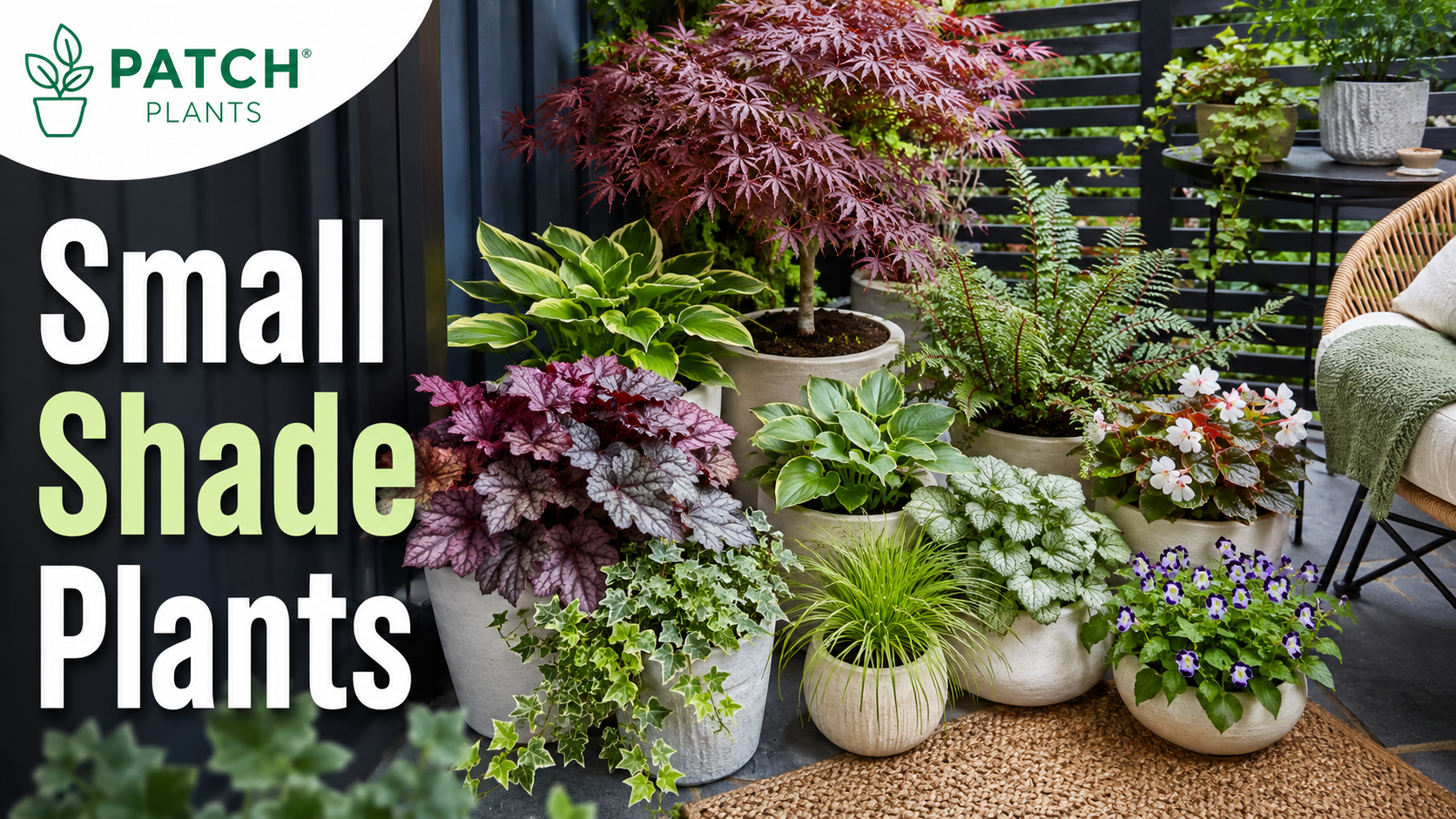
Small plants that like shade are perfect for patios, balconies, porches, steps, and small outdoor corners that do not get much direct sun. A shaded space can still feel lush and designed. You just need compact plants that enjoy softer light, pots that drain properly, and a care routine that avoids overwatering.
Key Takeaways
- Small plants that like shade are ideal for balconies, patios, north-facing spaces, covered porches, and under-tree corners.
- The best small shade plants include heuchera, mini hostas, Japanese painted fern, torenia, begonia, impatiens, fuchsia, lamium, ajuga, ivy, carex, coleus, and caladium.
- Low-light small plants usually need less water and fertilizer than sun-loving plants because they grow more slowly.
- Shaded containers need drainage holes because damp compost can lead to root rot, fungus gnats, and yellow leaves.
- Use foliage texture, pale pots, trailing edges, and raised plant stands to brighten dark corners.
- This post should support broader guides like plants in pots in shade, shade-loving outdoor plants, and container gardening on patios.
Introduction
A small patio or balcony with shade can feel limiting at first. You might look at the space and think nothing will grow there, especially if nearby buildings, railings, trees, or roof covers block the sun. But shade is not the problem. The real problem is choosing plants that want full sun and then asking them to live in low light.
The right compact shade plants can make a small outdoor area feel calm, green, and full without needing a big garden. Many shade-loving plants stay naturally compact, which makes them useful for renters, apartment balconies, narrow patios, small steps, and tiny courtyard corners.
This guide focuses on practical shade-loving small plants that work in pots. You will find foliage plants, flowering choices, trailing options, mini shrubs, and a few indoor plants that can spend warm months outdoors. For a wider container setup, use this alongside plants in pots in shade, best plants for container gardening on patios, and how to keep outdoor plants alive.
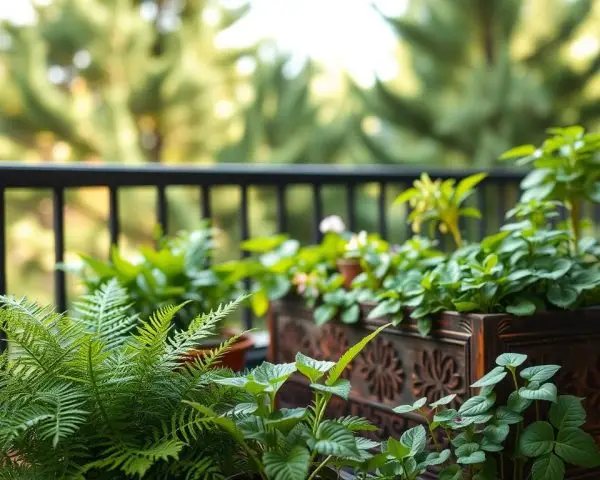
Assessing Your Shaded Patio or Balcony
Before buying small shade plants, watch how light moves across your space. One corner may stay dark all day, while another may get reflected brightness from a wall or window. That small difference can decide whether your plants thrive or slowly stretch and fade.
Bright shade
Bright shade means the space looks light, but direct sun does not hit the plants for long. This is common on open balconies, covered patios, and areas near pale walls. Bright shade is the easiest condition for small plants for shady areas because many foliage and flowering plants can handle it.
Partial shade
Partial shade usually means a few hours of direct morning or late afternoon sun, then shade for the rest of the day. This suits begonias, fuchsias, torenia, heuchera, dwarf Japanese maple, compact hydrangeas, and many small plants for shaded areas.
Dappled shade
Dappled shade is filtered light under tree branches. It works well for ferns, hostas, heuchera, ajuga, lamium, hellebores, and woodland-style pots. Just remember that pots under trees may dry out because leaves block rain.
Deep shade
Deep shade is the hardest. It may happen beside a tall wall, under a dense roof cover, or in a corner that barely sees the sky. Use foliage-first plants there, such as ivy, ferns, carex, cast iron plant in mild climates, or indoor-style plants rotated outside during warm weather.
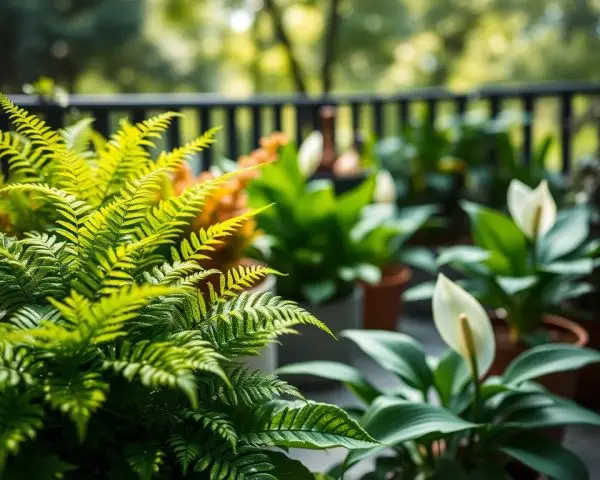
Quick Comparison: Best Small Plants That Like Shade
| Plant | Best Use | Shade Type | Care Level |
|---|---|---|---|
| Heuchera | Colorful foliage | Bright to partial shade | Easy |
| Japanese Painted Fern | Silver texture | Dappled shade | Easy |
| Mini Hosta | Compact foliage bowls | Dappled to partial shade | Easy |
| Torenia | Small flowers | Bright shade | Easy |
| Begonia | Long summer color | Bright shade | Easy |
| Impatiens | Fast seasonal flowers | Bright to partial shade | Easy |
| Fuchsia | Hanging baskets | Bright to partial shade | Moderate |
| Lamium | Silver trailing foliage | Partial to dappled shade | Easy |
| Ajuga | Low dark foliage | Partial shade | Easy |
| Ivy | Trailing evergreen edges | Partial to deep shade | Easy |
19 Best Small Plants That Like Shade
1. Heuchera
Heuchera is one of the best small plants that like shade because it adds color without needing flowers. Its leaves can be purple, bronze, lime, caramel, silver, green, or almost black, depending on the variety.
This makes it perfect for small patios and balconies where every pot has to earn its space. Use heuchera in medium containers, window boxes, or mixed shade pots. It works well with ferns, mini hostas, ivy, and carex.
- Best for: Colorful foliage, small pots, year-round interest.
- Care tip: Keep the crown slightly above the compost surface.
- Watch for: Vine weevil in containers.
For more foliage color ideas, read outdoor garden color themes and colorful foliage indoor plants.
2. Japanese Painted Fern
Japanese painted fern is a beautiful choice for compact shade plants. Its silver, green, and burgundy fronds brighten dark corners without needing bright flowers.
It suits dappled shade, cool patio corners, and small woodland-style pots. Use it in a shallow bowl with heuchera and lamium, or place it alone in a simple ceramic pot.
- Best for: Soft texture and silver foliage.
- Care tip: Keep the compost lightly moist.
- Watch for: Crispy fronds from wind or dryness.
For related care, see Boston Fern care, humidity hacks, and best bathroom plants.
3. Mini Hosta
Mini hostas are excellent small shade plants for bowls, troughs, and compact patio containers. They give the same lush hosta look as larger varieties but stay much more manageable.
Look for varieties such as blue-green, lime, variegated, or rounded-leaf types. They are especially good for shady steps, balcony shelves, and small container groupings.
- Best for: Small bowls and dappled shade.
- Care tip: Keep evenly moist in summer.
- Watch for: Slugs and snails.
For larger shade container ideas, use plants in pots in shade and shade-loving plants for outdoor spaces.
4. Torenia
Torenia, also called wishbone flower, is one of the best miniature shade-loving plants if you want blooms in a small pot. It flowers in bright shade and looks lovely in containers, railing planters, and hanging baskets.
Its flowers often come in purple, blue, pink, yellow, or white. It has a soft trailing habit, so it can spill gently from the edge of a balcony pot.
- Best for: Small flowering pots and balcony rail planters.
- Care tip: Keep evenly moist, especially in warm weather.
- Watch for: Drying out in tiny containers.
5. Begonia
Begonias are reliable low-light small plants for summer color. They handle bright shade better than many flowering plants and can bloom for months with simple care.
Use wax begonias for neat edging, tuberous begonias for larger blooms, or foliage begonias for patterned leaves. In colder climates, treat them as seasonal patio plants or bring them indoors before frost.
- Best for: Long-lasting color in bright shade.
- Care tip: Water the compost, not the leaves.
- Watch for: Wet soil and cold nights.
For more flowering plant ideas, read blooming indoor plants, indoor plant with red flower, and indoor plant with orange flowers.
6. Impatiens
Impatiens are easy shade-tolerant small plants for brightening a dark balcony or patio. They flower in pink, red, white, orange, purple, and mixed colors, so they are useful when a shaded corner needs a quick lift.
They look best planted in groups. Use them in low bowls, small troughs, or mixed containers with ivy, heuchera, and ferns.
- Best for: Fast seasonal flowers.
- Care tip: Keep compost lightly moist.
- Watch for: Mildew in crowded damp conditions.
7. Fuchsia
Fuchsias are excellent small shade garden plants for hanging baskets and raised containers. Their dangling flowers bring movement and color to patios and balconies with morning sun or bright shade.
Trailing fuchsias work well in baskets, while compact upright types suit small pots. They prefer cool roots and shelter from harsh afternoon sun.
- Best for: Hanging baskets and bright shade.
- Care tip: Water regularly during flowering.
- Watch for: Drying out in windy balconies.
8. Lamium
Lamium is a low, trailing plant that brightens shaded containers with silver-marked leaves. It works well around pot edges and can soften the look of hard balcony surfaces.
It is one of the most useful petite shade-tolerant plants because it adds brightness without taking over the whole pot. Pair it with hostas, ferns, heuchera, or dwarf shrubs.
- Best for: Silver foliage and trailing edges.
- Care tip: Trim lightly if growth becomes thin.
- Watch for: Dryness in very small pots.
9. Ajuga
Ajuga is a compact groundcover-style plant that works well in containers. Its foliage may be deep purple, bronze, green, or variegated, and it can produce short blue flower spikes in spring.
Use it as a low filler around taller shade-loving small plants. It helps cover bare compost and adds a polished look to mixed pots.
- Best for: Low edging and dark foliage.
- Care tip: Trim runners if they spill too far.
- Watch for: Soggy winter compost.
10. Creeping Jenny
Creeping Jenny, especially golden forms, is useful for brightening shade. It trails over pot edges and gives small containers a fuller look.
It prefers partial shade or bright shade rather than very deep shade. In too much darkness, the color may become duller.
- Best for: Golden trailing edges.
- Care tip: Keep soil evenly moist.
- Watch for: Overgrowth in mixed pots.
11. Ivy
Ivy is one of the easiest small plants for shade gardens when you need a trailing evergreen. It handles lower light well and can soften shelves, rails, steps, and pot edges.
Choose compact or variegated types for containers. Trim often so it stays neat and does not overwhelm smaller plants.
- Best for: Evergreen trailing structure.
- Care tip: Trim regularly to control shape.
- Watch for: Dry pots under roof covers.
For trailing ideas indoors, read trailing plants for shelves and low-light hanging plants.
12. Carex
Carex is a grass-like plant that gives small shaded containers shape and movement. It is useful when you want texture without large leaves or bright flowers.
Compact carex varieties work well in balcony troughs and low patio bowls. Use them with heuchera, mini hostas, ferns, and lamium.
- Best for: Soft evergreen or semi-evergreen texture.
- Care tip: Comb or trim tired leaves in spring.
- Watch for: Wet winter pots.
13. Sweet Flag
Sweet flag is a small grassy plant that enjoys moist conditions and softer light. It adds upright lines to small containers and works well near ferns or mini hostas.
Use it in bright shade or partial shade. It is especially helpful when a container needs height but you do not have room for a larger shrub.
- Best for: Upright texture in compact pots.
- Care tip: Keep the soil lightly moist.
- Watch for: Drying out during warm wind.
14. Coleus
Coleus is grown for colorful leaves rather than flowers. It is a good choice for compact shade-loving plants if your space has bright shade and warmth.
Leaves can be burgundy, lime, orange, pink, purple, green, or patterned. Pinch the stems to keep plants bushy and compact.
- Best for: Bold foliage color in warm bright shade.
- Care tip: Pinch growing tips regularly.
- Watch for: Leggy growth in deep shade.
15. Caladium
Caladiums are dramatic miniature shade plants for bright shade. Their heart-shaped leaves can be white, pink, red, green, or mixed, which makes them useful for brightening dark balcony corners.
They need warmth and protection from cold. Treat them as seasonal plants outdoors unless you live in a warm climate.
- Best for: Tropical leaf color.
- Care tip: Keep warm and evenly moist.
- Watch for: Cold wet soil.
16. Dwarf Boxwood
Dwarf boxwood gives structure to a shaded balcony or patio. It is one of the best dwarf shade plants when you want a tidy evergreen shape in a pot.
Use it in pairs by a doorway, as a small focal point, or as the backbone of a mixed balcony display.
- Best for: Evergreen structure and formal pots.
- Care tip: Use a pot large enough for steady roots.
- Watch for: Dryness and box problems in your region.
17. Small Japanese Maple
A small Japanese maple can work beautifully as a small shade tree in a container. It adds height, seasonal color, and a calm focal point without needing a large garden.
Choose compact varieties and protect them from strong wind. They usually prefer bright shade or morning sun with afternoon shade.
- Best for: Focal point pots and sheltered balconies.
- Care tip: Keep roots cool and evenly moist.
- Watch for: Leaf scorch from wind or harsh sun.
18. Peace Lily
Peace Lily is usually grown indoors, but it can spend warm months outside in shade if temperatures stay mild. It is a good option for people who want to move small indoor shade plants onto a sheltered patio during summer.
Keep it out of direct sun and bring it indoors before nights get cold. It likes humidity, but it still needs drainage.
- Best for: Warm shaded patios and indoor-outdoor styling.
- Care tip: Keep lightly moist, not soggy.
- Watch for: Cold damage and yellow leaves.
For care help, use the Peace Lily care guide, yellow leaves guide, and leaf curl, browning, and droop guide.
19. Snake Plant
Snake Plant is another indoor plant that can work outside in warm, shaded conditions. It is especially useful for modern balconies because it stays upright and takes very little floor space.
It does not like cold or wet soil, so use it only in a sheltered pot with excellent drainage. Bring it indoors before temperatures drop.
- Best for: Upright shape and low-care balcony styling.
- Care tip: Let the soil dry well before watering.
- Watch for: Rot from wet compost.
For more care details, read the Snake Plant care guide, ZZ Plant care guide, and low-maintenance plants.
Best Small Shade Plants by Patio or Balcony Problem
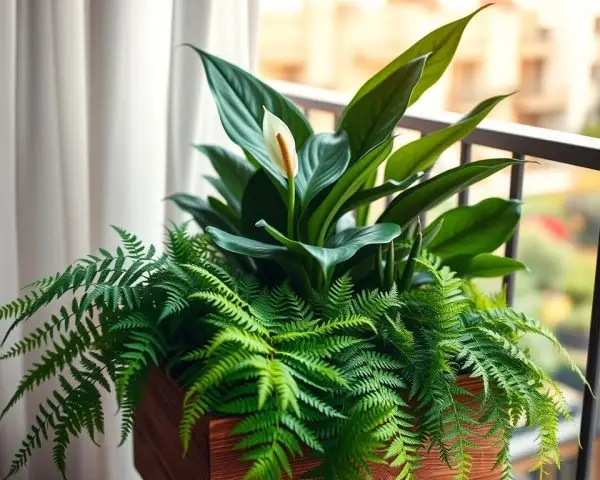
For a tiny balcony
Choose heuchera, torenia, mini hosta, lamium, ajuga, ivy, and carex. These small plants for shaded areas stay compact and do not make a balcony feel crowded.
For a dark corner
Use silver or pale foliage. Japanese painted fern, lamium, variegated ivy, pale heuchera, and caladium can brighten shadows.
For hanging baskets
Use fuchsia, torenia, ivy, lamium, creeping Jenny, and compact begonias. These plants soften railings and overhead hooks without taking up floor space.
For a low-maintenance setup
Choose ivy, carex, heuchera, dwarf boxwood, Snake Plant in warm shade, or Japanese painted fern. These are easier than high-flowering annual displays.
For bright flowers
Try torenia, begonias, impatiens, fuchsias, and compact hydrangeas in bright shade or partial shade. Deep shade usually gives fewer flowers, so use foliage there instead.
Preparing Containers and Soil for Success
Small plants that like shade still need good roots. In fact, containers matter even more in shade because compost dries slowly and air movement can be limited.
Choose the right pot size
Small pots are useful on balconies, but do not go too tiny. A very small container dries quickly in wind and gives roots little space. Choose a pot only slightly larger than the nursery pot for single plants, or a wider bowl for mixed displays.
Think about balcony weight
If you garden on a balcony, use lightweight containers such as resin, fiberglass, or plastic. Save heavy ceramic and terracotta pots for ground-level patios unless you know your balcony can handle the weight.
Use drainage holes
Drainage is non-negotiable. Shaded pots can hold moisture for longer, so water needs a way out. If you love a decorative pot without holes, use it as a cover pot and keep the plant in a draining nursery pot inside.
Use an airy potting mix
A good potting mix for low-light small plants should hold moisture but still let roots breathe. Add perlite, bark, grit, or coir if the mix feels heavy. Avoid dense garden soil in containers.
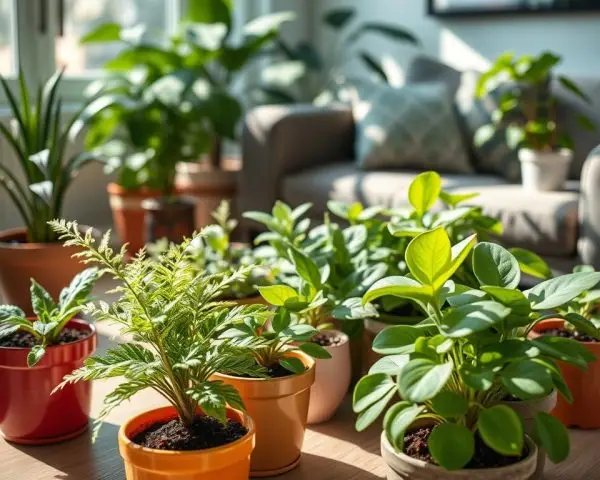
| Pot Material | Best Use | Shade Notes |
|---|---|---|
| Plastic or resin | Balconies and shelves | Lightweight and moisture-retentive |
| Terracotta | Patios and drier plants | Dries faster and helps reduce soggy soil |
| Glazed ceramic | Decorative focal pots | Holds moisture longer, so water carefully |
| Fiberglass | Modern balcony designs | Lightweight and durable |
For more potting help, read best soil mix guide, how to repot a plant, and repotting mistakes to avoid.
Step-by-Step Planting Guide for Beginners
Step 1: Group plants by light need
Put bright-shade plants together and deep-shade plants together. This keeps care simple and stops one plant from getting too much or too little light.
Step 2: Prepare the pot
Check that drainage holes are open. Add potting mix to the base, leaving room for the root ball.
Step 3: Loosen the roots
If roots are circling the nursery pot, loosen them gently with your fingers. This helps your small shade plants settle into the new container.
Step 4: Plant at the right height
Keep the plant crown or root ball surface close to the same level it was in the nursery pot. Do not bury crowns too deeply, especially with heuchera, hostas, and ferns.
Step 5: Water thoroughly
Water until moisture drains from the bottom. This settles the compost around the roots. After that, wait until the soil needs water again.
Step 6: Let plants adjust
Keep new pots in a sheltered shaded spot for a few days before moving them to their final position. This helps reduce shock.
Watering and Feeding Small Plants in Shade
Shaded plants usually drink less than plants in full sun. That does not mean you should ignore them, but it does mean you should avoid watering by a fixed calendar.
Use the finger test
Put your finger about an inch into the compost. If it feels damp, wait. If it feels dry, water well. This simple habit prevents many root problems.
Water the soil, not the leaves
Damp leaves in shade can stay wet for hours. Water the compost directly and avoid soaking foliage late in the day.
Feed lightly
Low-light small plants grow more slowly, so they do not need heavy feeding. Use a balanced liquid fertilizer at half strength during spring and summer. Flowering plants may need a little more support during bloom season.
Stop feeding in cold months
Most patio and balcony plants slow down in autumn and winter. Stop feeding unless the plant is actively growing in a protected warm space.
| Plant Type | Watering Guide | Feeding Guide |
|---|---|---|
| Foliage shade plants | When top inch is dry | Balanced feed monthly in growing season |
| Flowering shade plants | When top layer starts to dry | Light flowering feed during bloom season |
| Indoor plants outdoors | Only when needed | Half-strength indoor plant feed |
For better watering habits, use complete watering tips, worst times to water plants, and signs you are overwatering.
How to Make a Shaded Balcony Look Brighter
Use pale pots
White, cream, pale gray, terracotta, and soft green pots reflect more light than black or dark brown containers. This makes a small shaded balcony feel larger and cleaner.
Add silver and variegated foliage
Japanese painted fern, lamium, variegated ivy, pale hostas, caladiums, and light heuchera varieties can lift a dark corner without needing flowers.
Raise plants off the floor
Use shelves, plant stands, wall hooks, and railing planters. Height keeps the floor open and helps tiny shade-loving plants catch more light.
Use the thriller, filler, spiller method
Choose one upright plant, one rounded filler, and one trailing edge plant. For example, use carex as the thriller, heuchera as the filler, and ivy or lamium as the spiller.
Repeat a simple color palette
Use green, silver, white, and purple for a calm look. For a brighter summer display, mix begonias, impatiens, torenia, and golden creeping Jenny.
For more styling help, read outdoor garden color themes, colorful garden for all seasons, and how to style indoor plants by room.
Seasonal Care and Maintenance
Spring
Refresh the top layer of compost, trim old leaves, check drainage holes, and start light feeding when plants begin active growth.
Summer
Check water more often, especially on windy balconies. Deadhead begonias, impatiens, torenia, and fuchsias to keep them looking fresh.
Autumn
Reduce feeding and watering. Move tender plants closer to the house or indoors before cold nights arrive.
Winter
Hardy plants like heuchera, carex, ivy, hellebores, and some ferns can stay outdoors in suitable climates. Tender begonias, coleus, caladiums, Peace Lily, and Snake Plant should be protected from cold.
For seasonal support, use garden calendar, seasonal plant care in autumn, outdoor plants that survive British winters, and hardy outdoor plants.
Troubleshooting Common Problems
Yellow leaves
Yellow leaves often come from overwatering, poor drainage, cold stress, or low light. In shade containers, check the soil first.
Leggy growth
Leggy stems mean the plant is stretching for more light. Move it to brighter shade or choose tougher foliage plants for that spot.
Fungal spots
Fungal issues are more common when leaves stay wet and airflow is poor. Space pots out, remove damaged leaves, and water the compost instead of the foliage.
Fungus gnats
Fungus gnats appear when compost stays damp too long. Let the top layer dry more between watering and remove decaying leaves quickly.
Slugs and snails
Hostas, tender begonias, and young foliage can attract slugs in damp shade. Lift pots slightly, check under rims, and keep the area tidy.
For deeper troubleshooting, use root rot guide, how to revive a dying plant, leaf curl, browning, and droop, and how to clean plant leaves.
Helpful PATCH Guides for Shade, Balconies, Containers, and Plant Care
Use these related guides to strengthen the shade and container cluster while helping readers find the next useful article.
Shade and Outdoor Container Guides
- Plants in pots in shade
- Shade-loving plants for outdoor spaces
- Best plants for container gardening on patios
- Low-maintenance outdoor plants
- How to keep outdoor plants alive
- Hardy outdoor plants
- Hardy plants with minimal watering
- Outdoor plants that survive British winters
- Outdoor plants for coastal and windy spaces
- Drought-resistant plants
- Outdoor plants for storms and heatwaves
- Native plants that thrive in your region
Outdoor Planning Guides
- Outdoor Plants hub
- Garden calendar
- Seasonal plant care in autumn
- Edible flowers to grow outdoors
- Outdoor garden color themes
- Create a colorful garden for all seasons
- Pollinator-friendly plants for urban spaces
- Wildlife-friendly garden design
- Plants that bloom at night
- Easiest outdoor edible plants
- How to keep pests away from outdoor plants
- Plants that keep bugs away
- Mosquito repellent plants
- Mosquito repellent plants for patios
- Shade plants that repel mosquitoes
- Herbs that keep mosquitoes away
Indoor and Low-Light Guides
- Indoor Plants hub
- Low light house plants
- Complete indoor light guide
- Low-light hanging plants
- Best bathroom plants
- Plants for bathroom no light
- Bathroom plants for mold
- Best indoor plants for tiny apartments
- Best indoor plants for beginners
- Best indoor plants for first-time plant parents
- Low-maintenance plants
- Air-purifying indoor plants
- Blooming indoor plants
- Colorful foliage indoor plants
- Rare houseplants
- Unusual indoor plants
Plant Care Guides
- Plant Care hub
- Complete watering guide
- Worst times to water plants
- Signs you are overwatering
- Root rot guide
- How to revive a dying plant
- Leaf curl, browning, and droop
- Why plant leaves turn yellow
- How to clean plant leaves
- Best soil mix guide
- How to repot a plant
- Repotting mistakes to avoid
- Fertilizing indoor vs outdoor plants
- Pruning basics
- Humidity hacks
- DIY humidity tray
- Self-watering pots guide
Specific Plant Care Guides
- Snake Plant care guide
- ZZ Plant care guide
- Pothos care guide
- Spider Plant care guide
- Peace Lily care guide
- Boston Fern care guide
- Philodendron care guide
- Dracaena care guide
- Calathea care guide
- Monstera care guide
- Hoya care guide
- Anthurium care guide
- Orchid care guide
- African Violet care guide
- Succulent care guide
- Cactus care guide
- String of Pearls care
- Moss pole for plants
Indoor Styling Guides
- How to style indoor plants by room
- Decorate your bedroom with plants
- Create an indoor jungle
- Trailing plants for shelves
- Statement plants for minimalist interiors
- Scandi home with plants
- Feng Shui indoor plants
- Best office plants
- Improve home office with plants
- Office-friendly plants
- Oversized indoor plants
- Indoor gardening systems
Frequently Asked Questions
What are the best small plants that like shade?
The best small plants that like shade include heuchera, Japanese painted fern, mini hosta, torenia, begonia, impatiens, fuchsia, lamium, ajuga, creeping Jenny, ivy, carex, sweet flag, coleus, caladium, dwarf boxwood, small Japanese maple, Peace Lily, and Snake Plant.
What are the best small plants for shady areas on a tiny balcony?
Heuchera, torenia, mini hostas, lamium, ajuga, ivy, carex, and compact begonias are good choices for a tiny balcony. They stay manageable and work well in pots.
Can small indoor shade plants be moved outside?
Yes, some small indoor shade plants can move outside in warm weather. Peace Lily, Snake Plant, Pothos, and some ferns can work in sheltered shade, but avoid direct sun and bring them indoors before cold nights.
Do low-light small plants need less water?
Yes. Low-light small plants usually grow more slowly, so they use less water. Always check the soil before watering, especially in shaded containers.
Which miniature shade-loving plants flower?
Torenia, begonias, impatiens, fuchsias, and compact hellebores are good flowering choices. They bloom best in bright shade or partial shade, not deep shade.
Can I grow small shade trees in containers?
Yes. Small Japanese maples and dwarf boxwood can grow well in containers if the pot is large enough and the balcony or patio is sheltered from strong wind.
How do I brighten a dark corner with shade plants?
Use pale pots, silver foliage, variegated leaves, plant stands, and trailing plants. Japanese painted fern, lamium, caladium, pale heuchera, and variegated ivy are useful options.
What fertilizer do small plants for shaded areas need?
Most small plants for shaded areas need only light feeding during spring and summer. Use a balanced fertilizer at half strength unless the plant is a heavy flowering annual.
Why are my compact shade plants turning yellow?
Yellow leaves often mean overwatering, poor drainage, cold stress, or weak light. Check the compost moisture and drainage holes before adding fertilizer.
Final Thoughts
Small plants that like shade can turn a dim patio or balcony into a calm green retreat. Start with reliable foliage plants like heuchera, mini hostas, Japanese painted fern, ivy, lamium, ajuga, and carex, then add seasonal flowers like torenia, begonias, impatiens, and fuchsias where the light is bright enough.
The RHS explains that containers are especially useful where soil space is limited, including patios, doorsteps, balconies, and small gardens: RHS guide to growing plants in containers.
Keep the setup simple. Choose compact plants, use pots with drainage holes, water only when the soil needs it, and build your design with texture, height, pale foliage, and trailing edges. Shade does not have to look empty. With the right plants, it can become one of the most peaceful parts of your outdoor space.
Final Recap
The best small plants that like shade include heuchera, Japanese painted fern, mini hosta, torenia, begonia, impatiens, fuchsia, lamium, ajuga, creeping Jenny, ivy, carex, sweet flag, coleus, caladium, dwarf boxwood, small Japanese maple, Peace Lily, and Snake Plant. Match each plant to your shade type, use airy compost and drainage holes, water less often than sunny pots, and protect tender plants from cold. Keep this post as support content for your broader shade, patio, balcony, and container gardening articles.